Critical Thinking Normal Geography Worksheets for Ages 6-8
3 filtered results
-
From - To
Explore our engaging Critical Thinking Geography Worksheets designed specifically for kids ages 6-8! These interactive resources promote essential analytical skills through fun, age-appropriate activities. Students will delve into important geographical concepts while enhancing their ability to think critically about the world around them. Each worksheet encourages problem-solving, reasoning, and creativity, making learning enjoyable and effective. Ideal for classroom use or at-home practice, our worksheets help young learners understand maps, regions, and landmarks while fostering a love for social studies. Equip your child with the skills to thrive academically and develop a lifelong interest in geography with our carefully crafted resources!
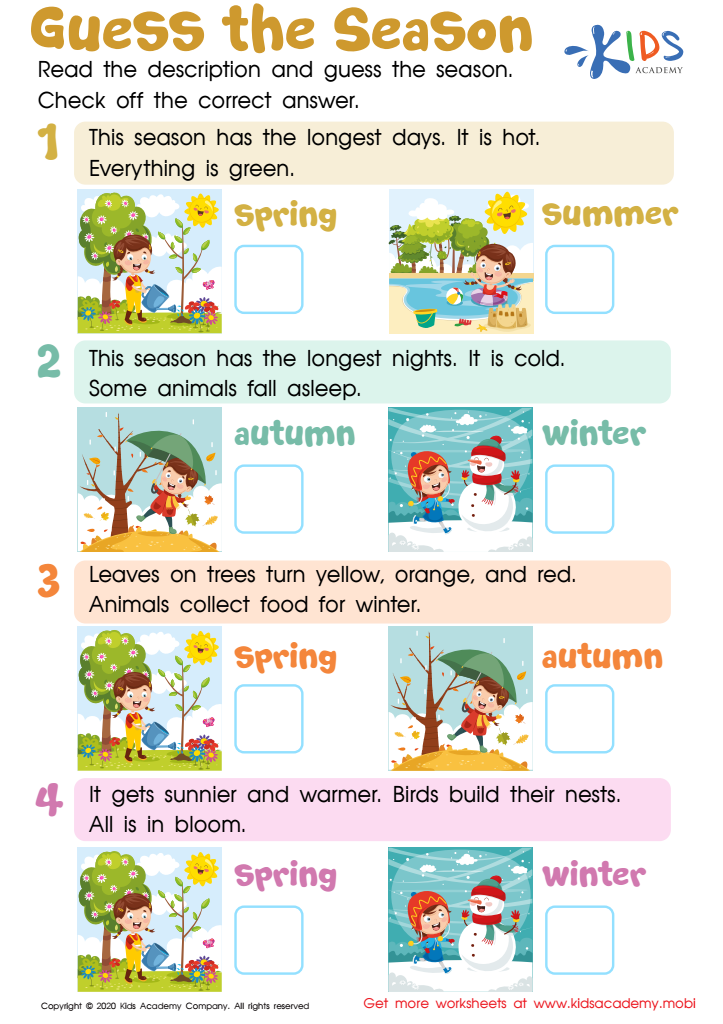
Guess the Season Worksheet
 Assign to My Students
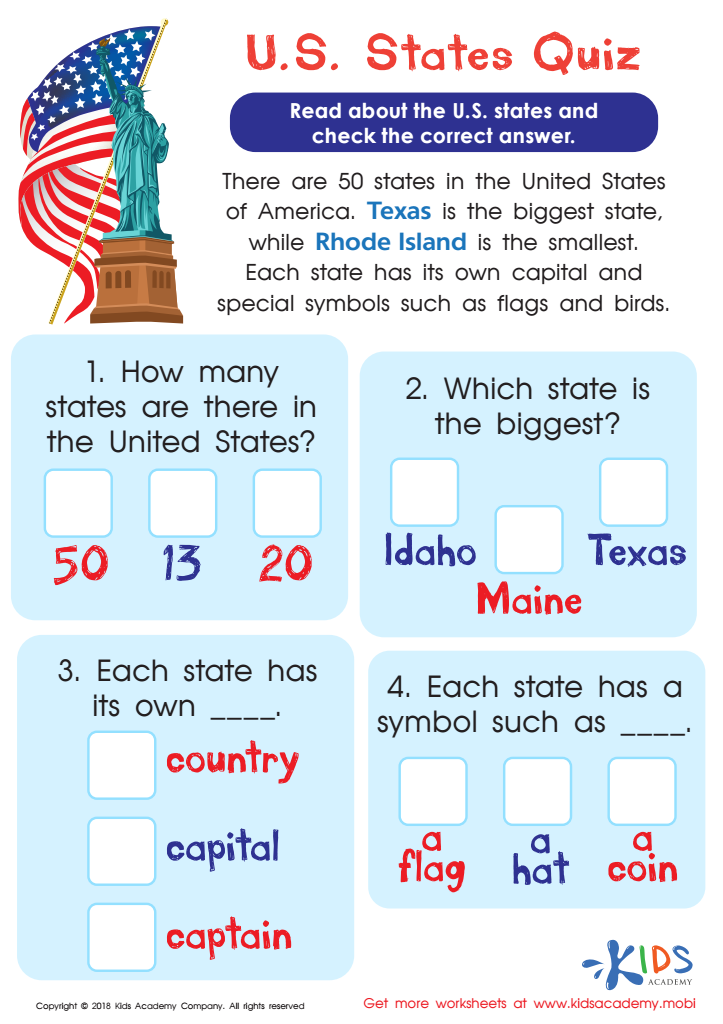
U.S. States Quiz Worksheet
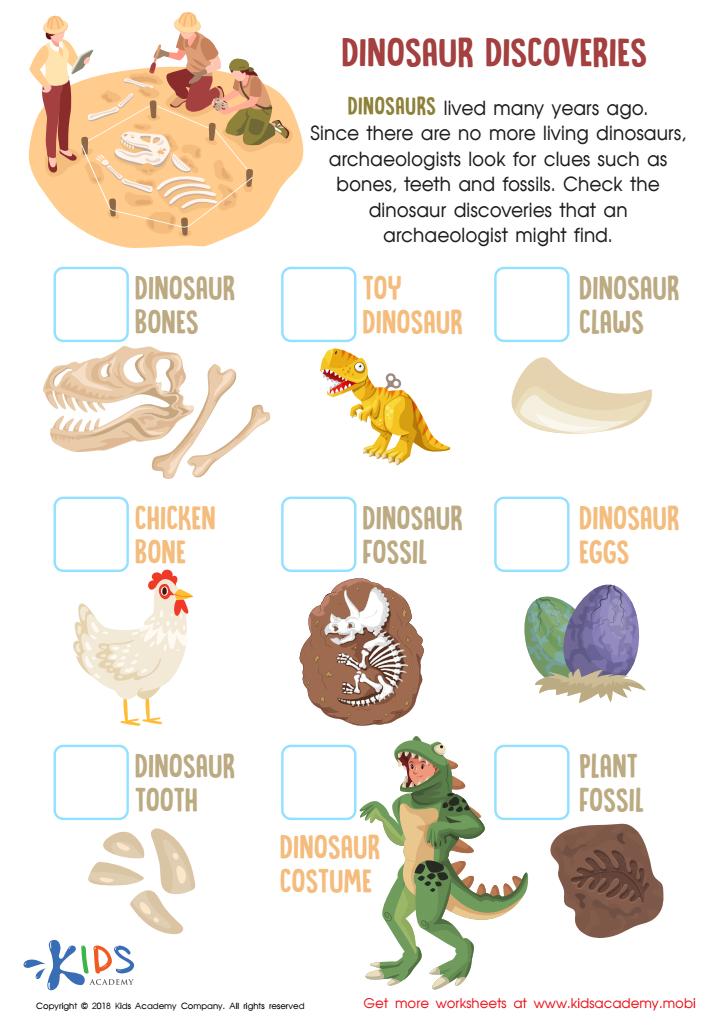
Dinosaur Discoveries Worksheet



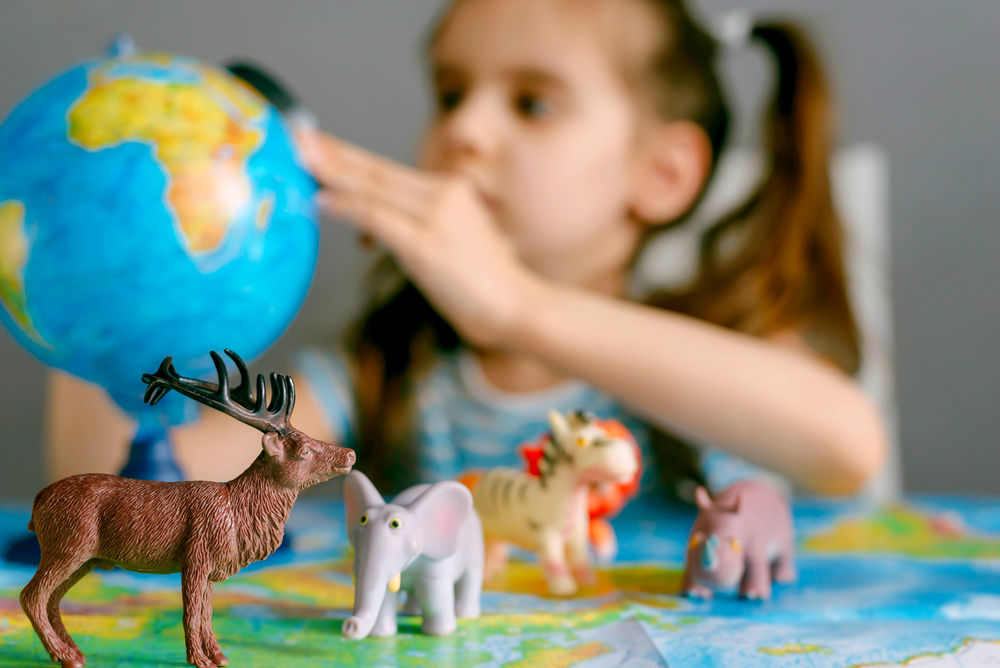



Critical Thinking in Normal Geography for children aged 6-8 is essential for several reasons. At this developmental stage, children are naturally curious and inclined to ask questions about the world around them. Teaching them how to think critically about geographical concepts—such as locations, cultures, natural features, and environmental issues— cultivates their inquisitive nature and enhances their understanding of their surroundings.
Firstly, critical thinking encourages children to analyze information rather than accept it at face value. This skill is vital in an age where misinformation can easily circulate. By engaging with geography actively, students learn to make reasoned judgements based on evidence, thus developing a more nuanced perspective of global issues.
Furthermore, critical thinking helps to foster empathy and global awareness. When children examine different cultures and environments, they begin to understand diversity and the interconnections between people and places. This understanding promotes respect and social responsibility.
Finally, the skills gained through critical thinking in geography lay the groundwork for future academic and life successes. As children learn to pose questions, evaluate sources, and form conclusions, they become better learners and informed citizens. Parents and teachers play a vital role in nurturing these cognitive skills, which ultimately build a more informed and engaged future generation.