Geography skills Normal Geography Worksheets for Ages 6-8
3 filtered results
-
From - To
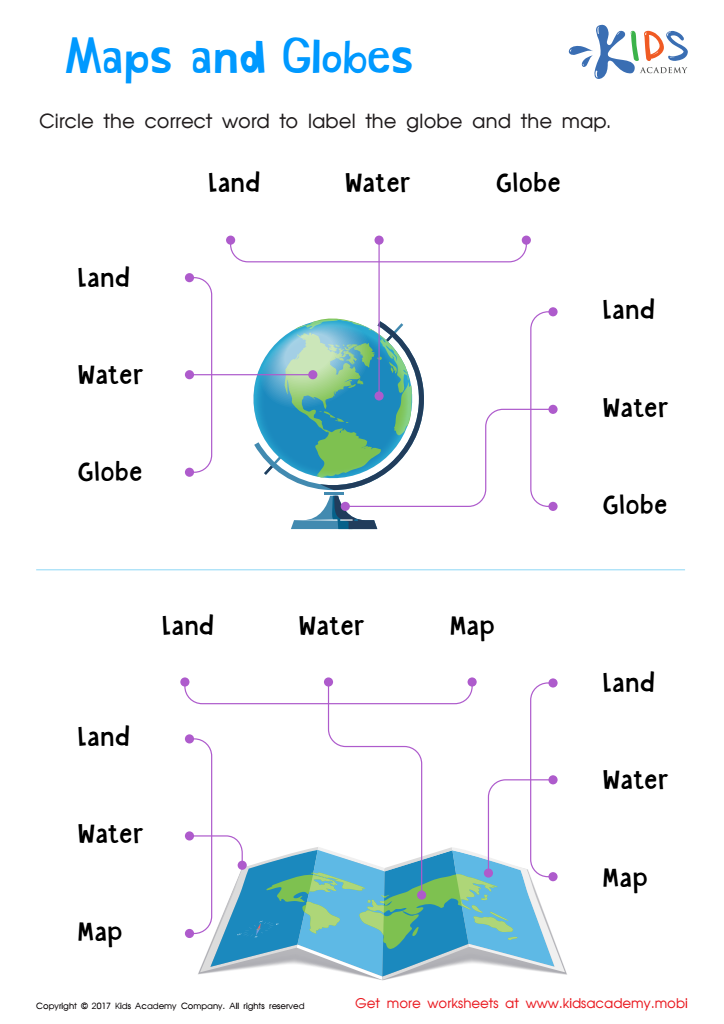
Enhance your child's understanding of the world with our "Geography Skills Normal Geography Worksheets for Ages 6-8." These engaging resources, designed specifically for young learners, cover essential skills in map reading, understanding landmarks, and recognizing countries and continents. Each worksheet provides fun, interactive activities that stimulate curiosity and make geography accessible and exciting. Perfect for both classroom and at-home learning, our worksheets align with educational standards, ensuring your child builds a strong foundation in geography while developing critical thinking and problem-solving abilities. Help your child explore the wonders of our world today!
 Assign to My Students
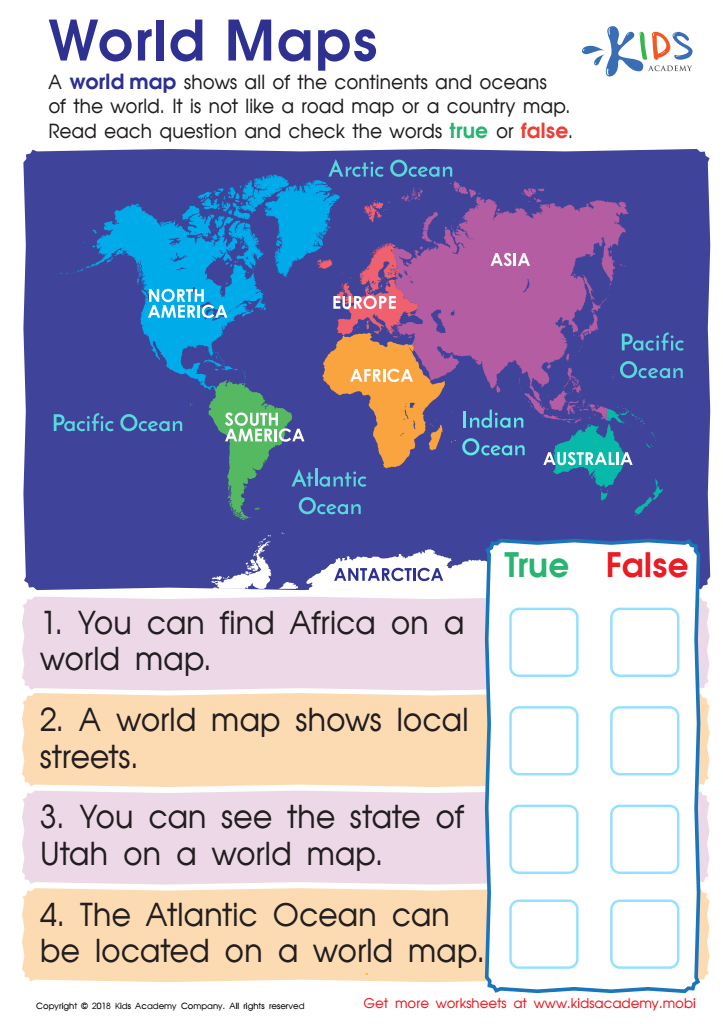
World Maps Worksheet
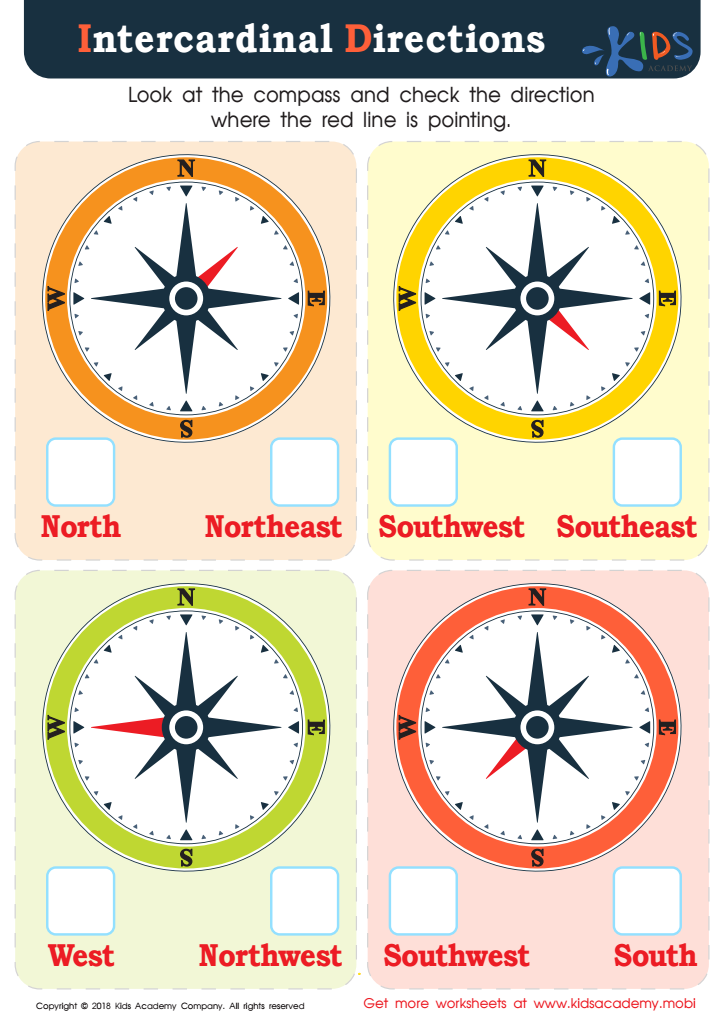
Intercardinal Directions Worksheet


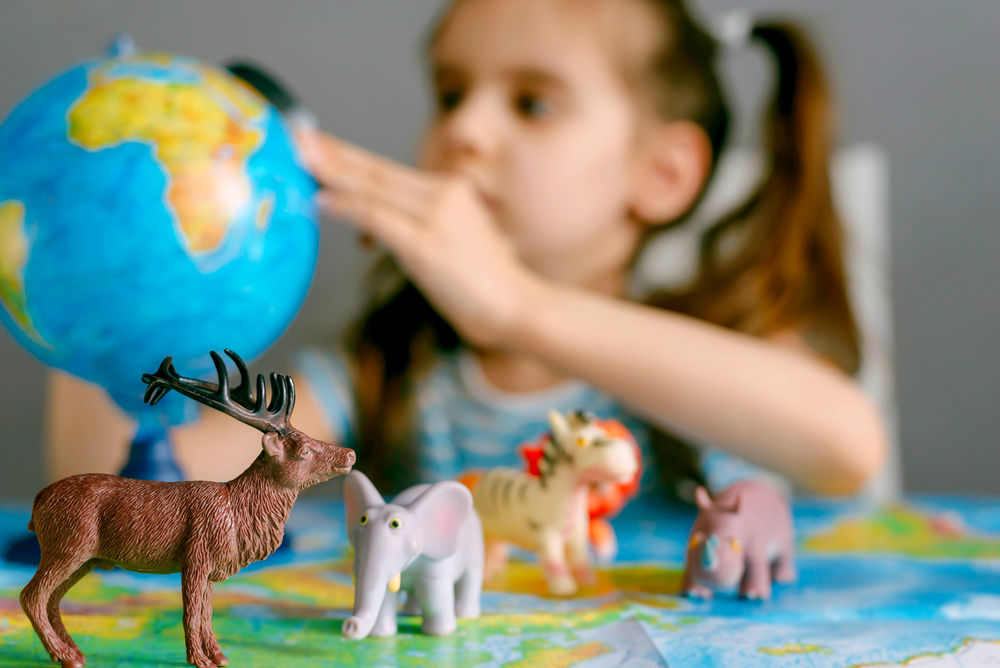




Introducing geography to children aged 6-8 is vital for their overall development. At this young age, kids are exceptionally curious and absorb new information like sponges. Engaging them in geography fosters an early understanding of the world they live in. Here’s why parents and teachers should prioritize geography education:
Cognitive Development: Learning basic geography helps improve spatial thinking and problem-solving skills. Understanding maps, locations, and environments cultivates analytical thinking essential for future academic subjects.
Cultural Awareness: Geography lays the foundation for cultural awareness and sensitivity. Kids start to recognize different cultures, languages, and traditions, promoting inclusiveness and empathy.
Environmental Responsibility: Teaching about different landscapes, climates, and ecosystems instills a sense of responsibility and respect for the natural world. Early geography education can foster a lifelong commitment to environmental stewardship.
Contextual Skills: Grasping geographical concepts helps kids contextualize current events and historical facts. Knowing where events occur makes them more relevant and comprehensible.
Adventure and Curiosity: Geography inspires a sense of adventure and curiosity. It encourages kids to learn about new places, fostering a love for exploration and lifelong learning.
Therefore, incorporating geography into the early curriculum or daily family activities provides essential knowledge and skills, shaping well-rounded and informed future citizens.