Understanding communities Normal Social Studies Worksheets for Ages 6-8
4 filtered results
-
From - To
Our "Understanding Communities" worksheets are specially designed for children aged 6-8 to foster an appreciation of the world around them. These engaging resources immerse young learners in the basics of social studies, introducing key concepts such as the different types of communities, roles of community members, and the importance of cooperation. Each activity encourages critical thinking, empathy, and social interaction. Perfect for classroom settings or at-home learning, our worksheets provide the foundation for children to understand and respect the diverse world they live in. Spark curiosity and nurture young minds with our expertly crafted learning tools today!
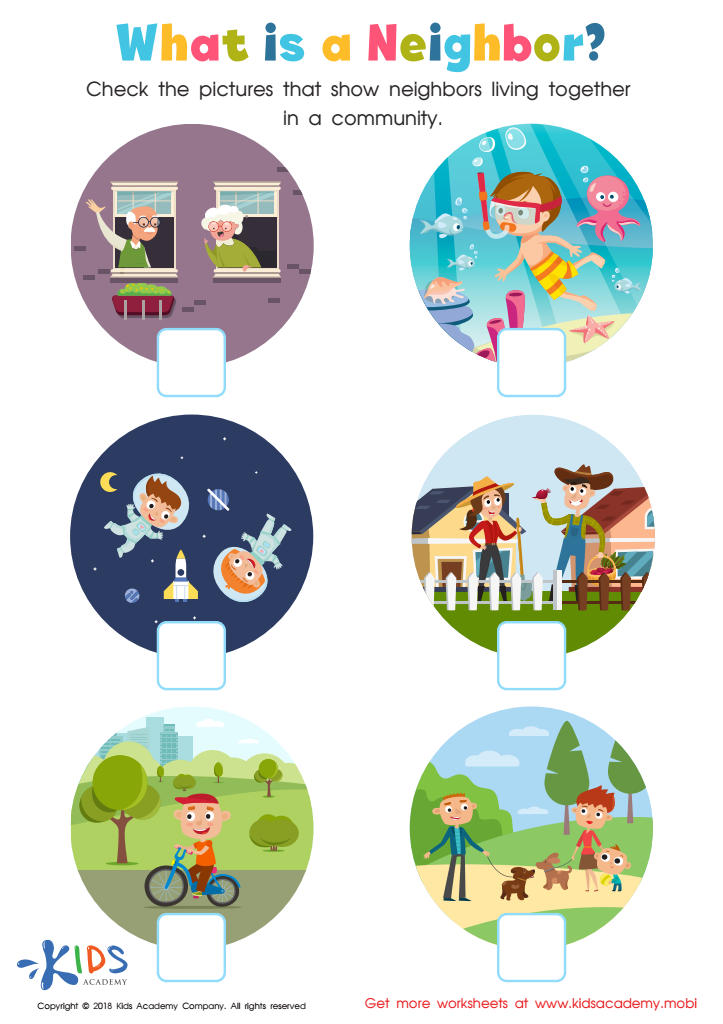
What is a neighbor Worksheet
 Assign to My Students
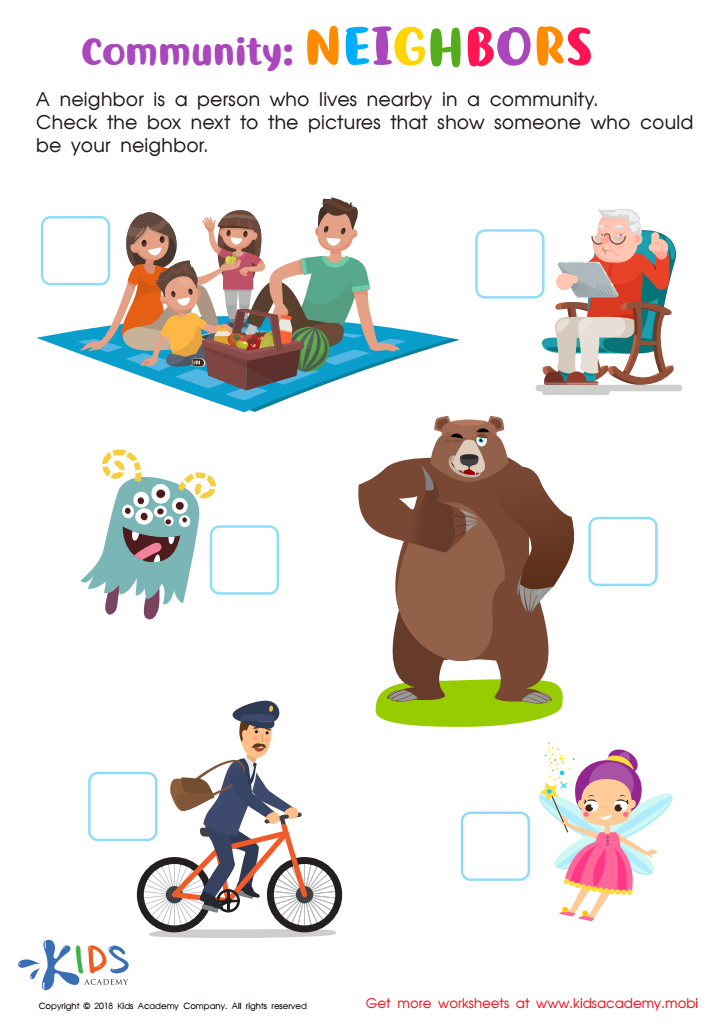
Community: Neighbors Worksheet
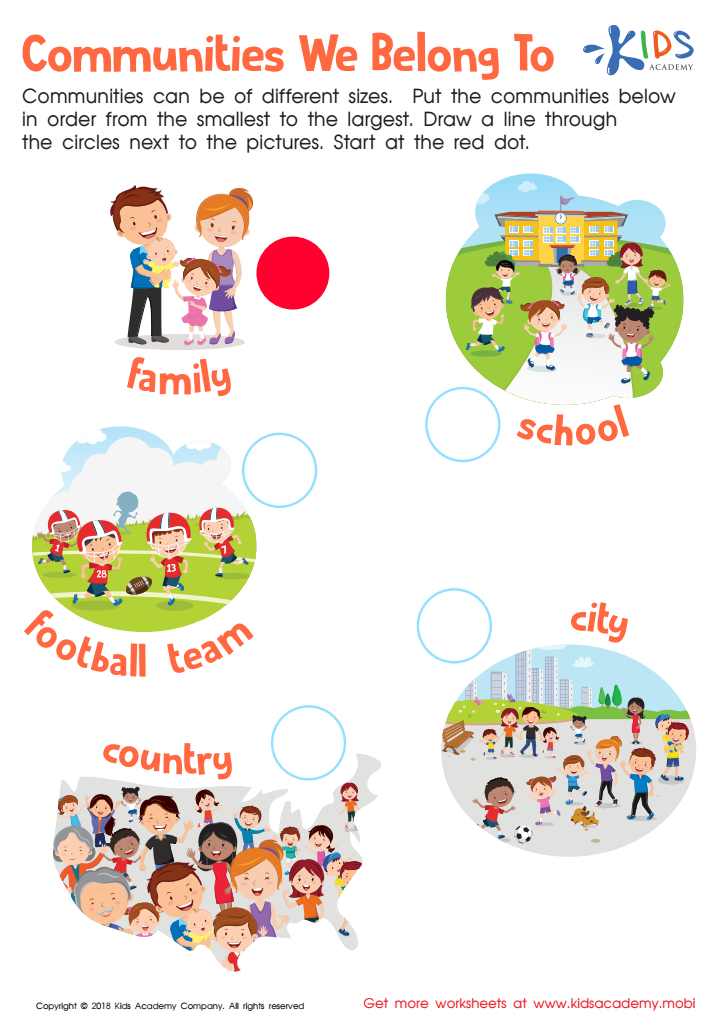
Communities We Belong to Worksheet
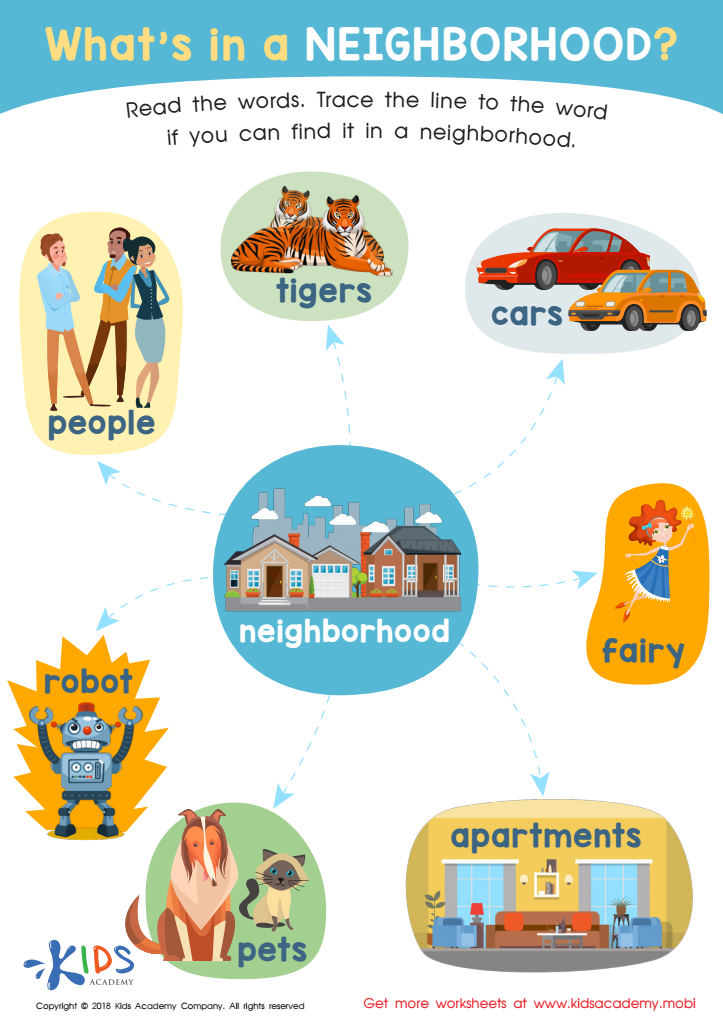
What's in a Neighborhood? Worksheet







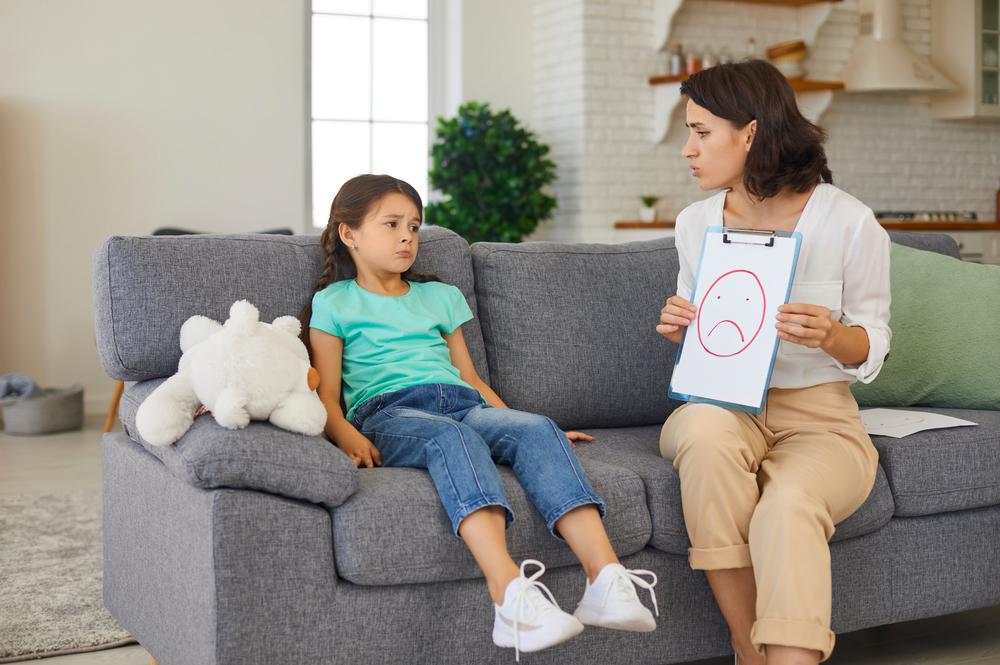
Understanding communities is a key component of social studies for children ages 6-8, as it lays the foundation for their social and emotional development. At this age, children are naturally curious about the world around them and eager to make sense of their place within it. By learning about communities, they can begin to understand how people live and work together, share responsibilities, and build meaningful relationships.
Parents and teachers should prioritize this subject because it nurtures empathy and respect for diversity. When children learn about different cultures, traditions, and ways of life, they develop an appreciation for diversity, which is crucial in our increasingly globalized society. It prepares them to be more inclusive and considerate individuals.
Moreover, understanding communities helps children grasp essential concepts like cooperation, fairness, and citizenship. They learn the importance of rules, roles, and the responsibilities that each person has within a community. This knowledge encourages them to be responsible and active members of their own communities, promoting a sense of belonging and civic duty.
In summary, building a strong foundation in understanding communities equips young children with the social skills, empathy, and sense of responsibility they need to succeed and thrive as they grow older. It's an investment in nurturing informed, caring, and active future citizens.