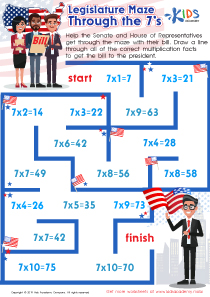
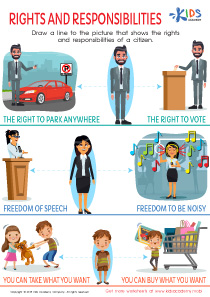
Visual recognition Normal Social Studies Worksheets for Ages 6-8
4 filtered results
-
From - To
Discover our Visual Recognition Normal Social Studies Worksheets for Ages 6-8! These engaging printables from Kids Academy help young learners develop critical visual recognition skills through fun and interactive activities. Designed specifically for 1st and 2nd graders, these worksheets encourage children to observe, recognize, and understand visual information in social studies contexts. From identifying historical figures to recognizing community helpers, our worksheets make learning enjoyable and effective. Perfect for classroom use or at-home practice, these resources ensure a well-rounded educational experience, fostering curiosity and visual literacy. Explore our collection today and watch your child’s skills soar!
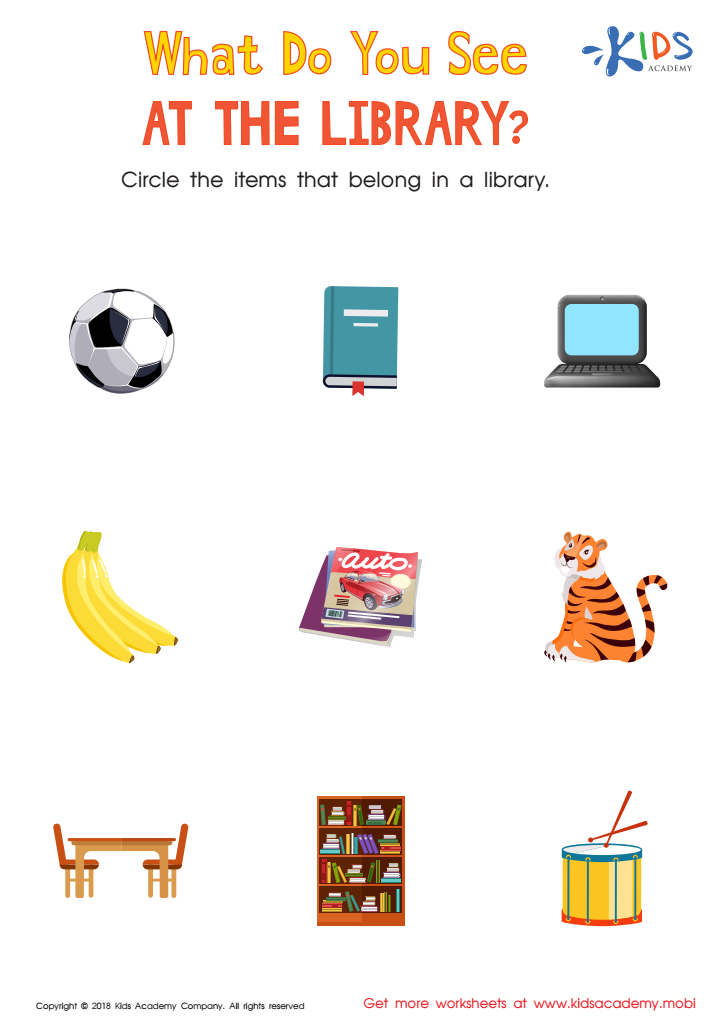
What Do you See at the Library? Worksheet
 Assign to My Students
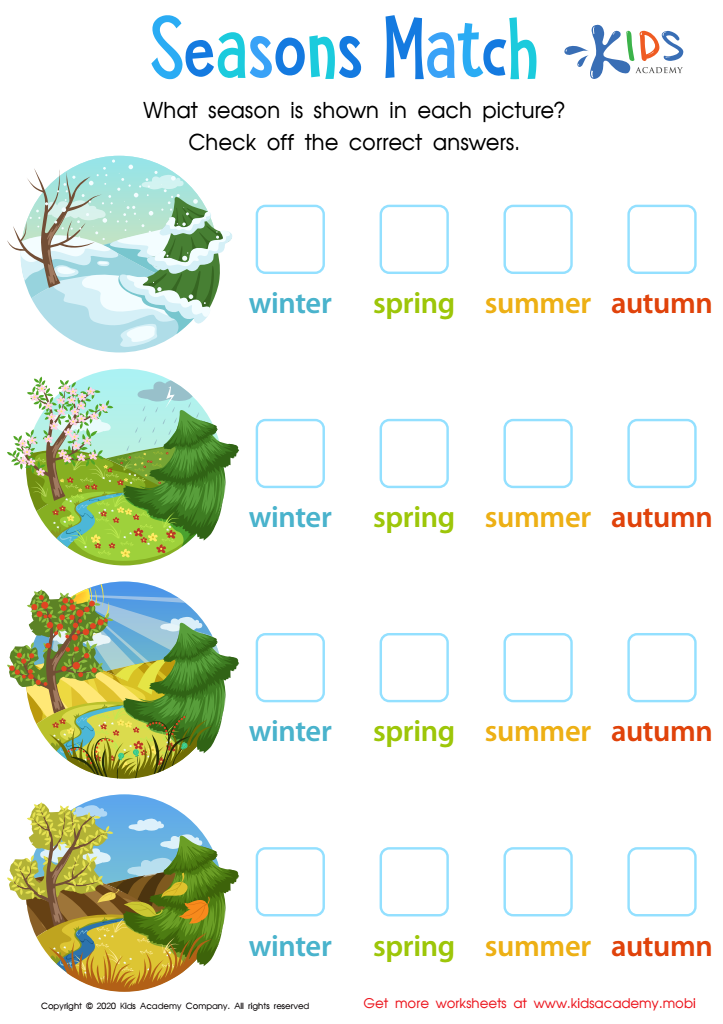
Seasons Match Worksheet
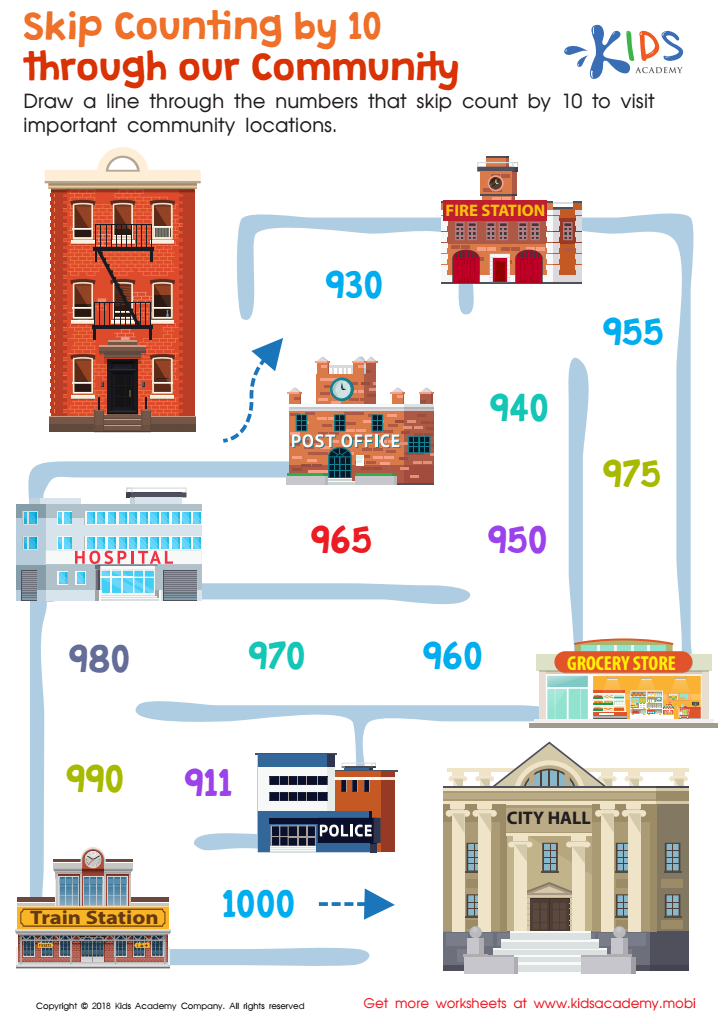
Skip Counting by 10 Through Our Community Worksheet
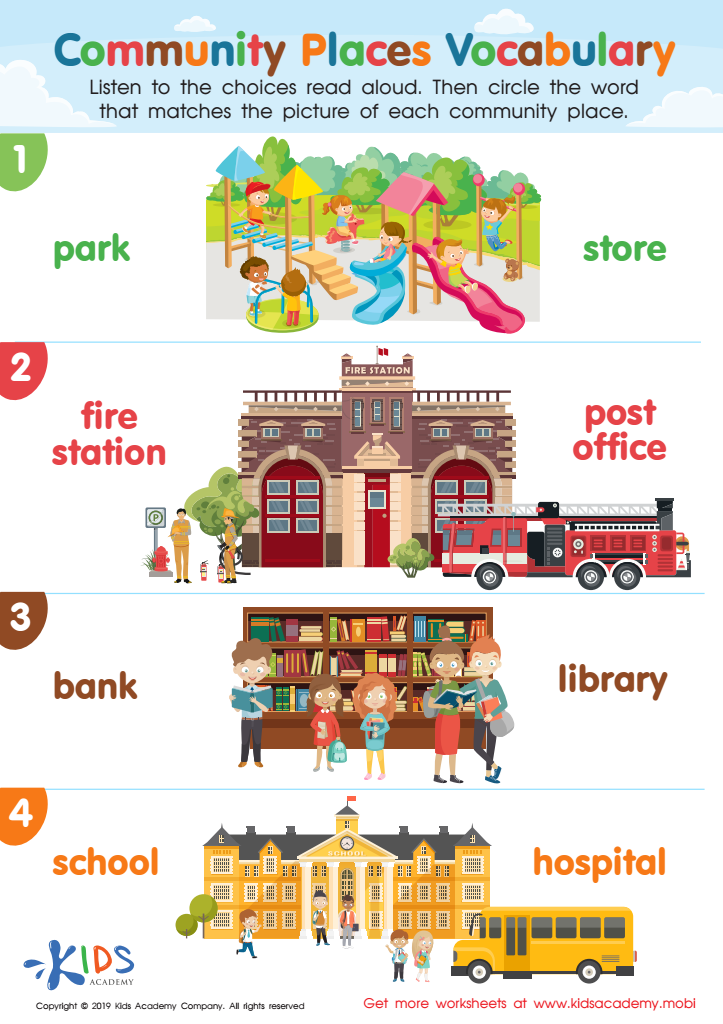
Community Places Vocabulary Worksheet






Parents and teachers should prioritize visual recognition in social studies for ages 6-8 because it lays a foundational understanding of the world and enhances diverse learning experiences. At this impressionable age, children are naturally curious and keen observers, so visual aids significantly enhance their comprehension and retention of complex concepts. Utilizing maps, charts, timelines, and pictures in teaching social studies helps young learners grasp geographical, historical, and cultural information more effectively.
Visual recognition aids in developing critical cognitive skills like observation, pattern recognition, and spatial thinking. For instance, interpreting a map requires recognizing shapes and symbols, which sharpens analytical skills. Visual cues also bridge language barriers, making information accessible to all students, including English language learners.
Moreover, engaging visual materials make learning social studies interactive and enjoyable, promoting a positive attitude towards the subject. This engagement fosters curiosity, encouraging kids to ask questions and explore on their own. It also helps in developing visual literacy, an essential skill in today's image-rich world.
Investing in visual recognition in social studies cultivates a deeper, more meaningful understanding of history, geography, and diverse cultures, equipping children with the knowledge and skills they need to become informed, empathetic, and globally aware citizens.