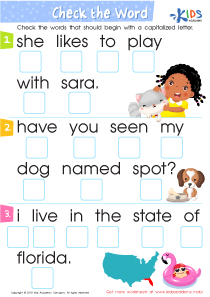
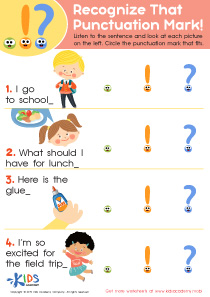
Spelling practice Normal Grammar Worksheets for Ages 6-8 - Page 2
32 filtered results
-
From - To
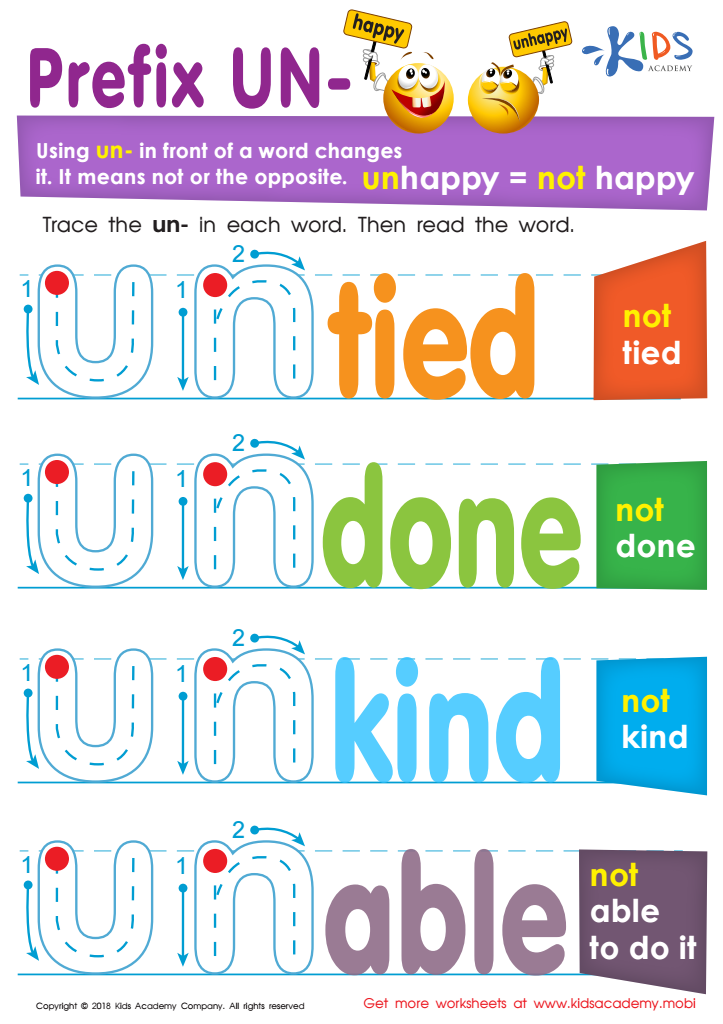
Prefix Un- Worksheet
 Assign to My Students
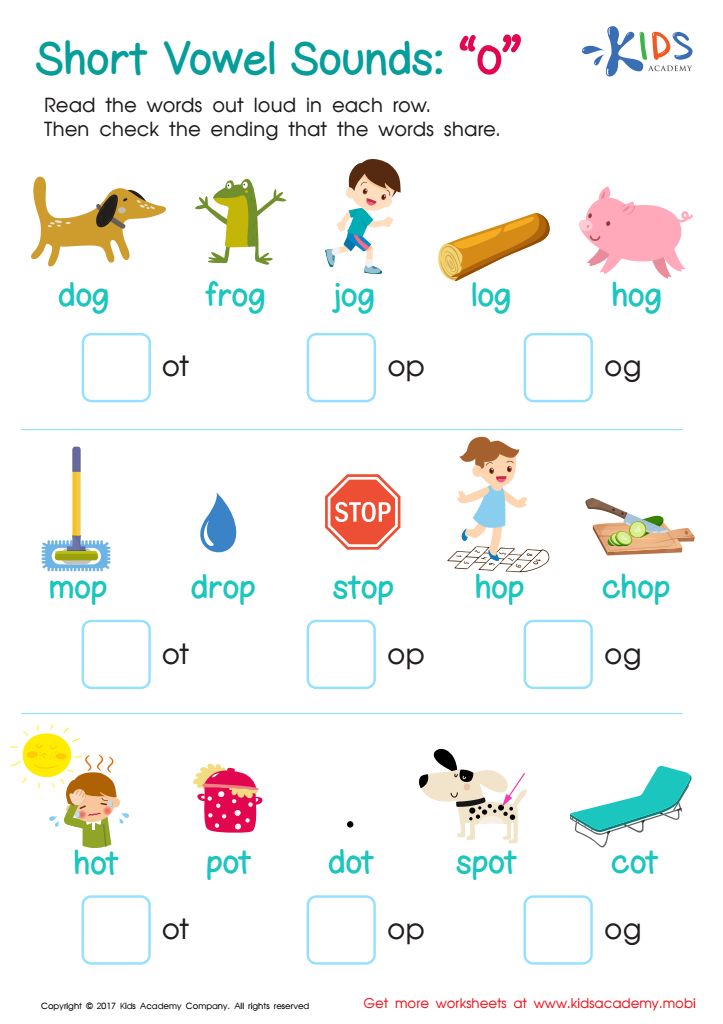
Short vowel Sounds "o" Spelling Worksheet
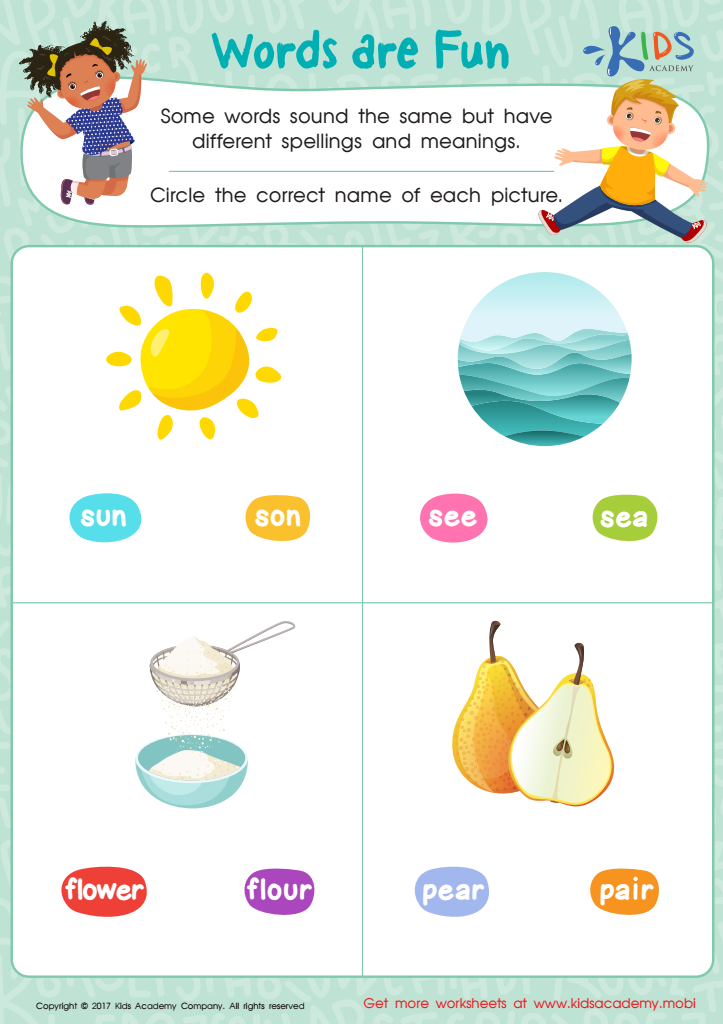
Words Are Fun Worksheet
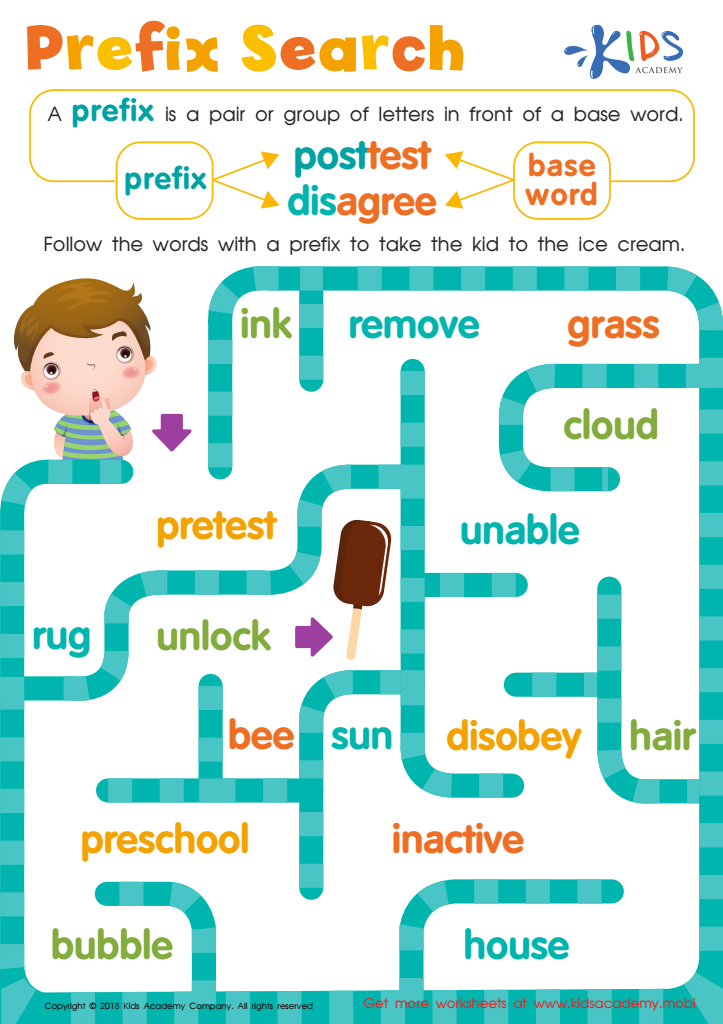
Reading: Prefix Search Worksheet
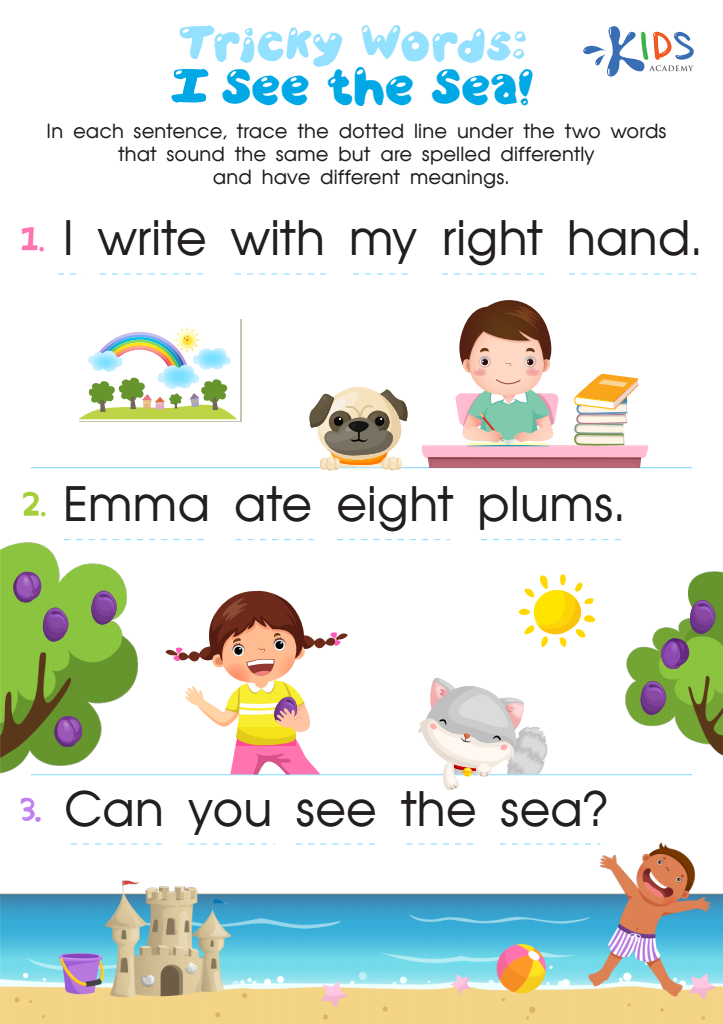
Tricky Words Worksheet
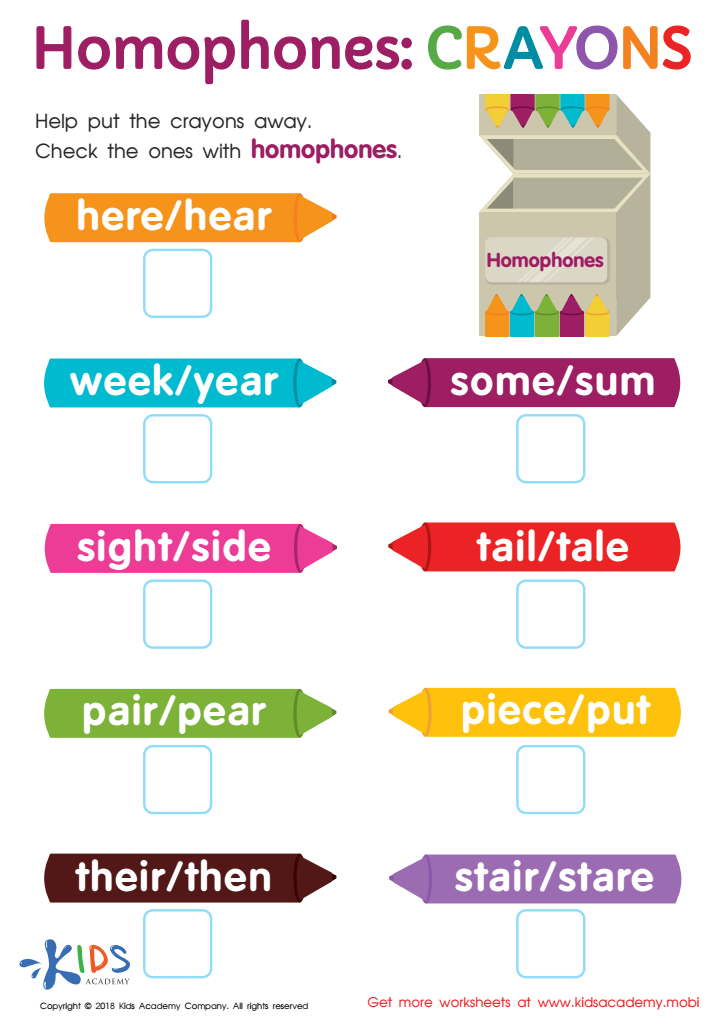
Homophones: Crayons Worksheet
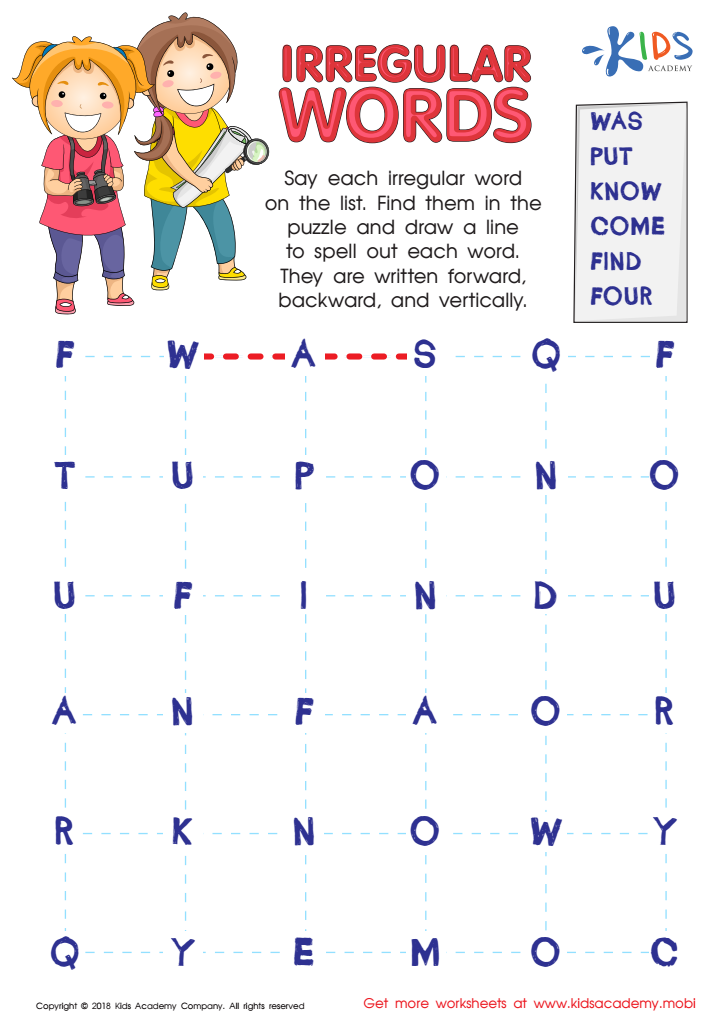
Irregular Words Worksheet








Parents and teachers should care deeply about spelling practice for children ages 6-8 because it forms a fundamental part of their literacy development. At this age, children are in a critical period of learning to read and write. Good spelling skills contribute significantly to these abilities by enhancing vocabulary, comprehension, and written communication.
When young learners engage in regular spelling practice, they become more familiar with common words, word patterns, and phonics. This foundation helps them decode new words more easily, boosting their reading fluency and confidence. Moreover, accurate spelling reinforces the connection between letters and sounds, aiding in the development of proper grammar and sentence structure.
For example, learning spelling rules such as "i before e except after c" helps children understand more complex language constructs as they progress. It also prevents the development of bad habits that can be hard to unlearn later.
Additionally, mastering spelling can improve a child's self-esteem and academic performance. When children can spell well, they feel more capable and are more likely to participate in writing activities without anxiety, leading to greater expression and creativity. Therefore, committing to regular spelling and grammar practice during these formative years lays a solid literacy foundation essential for lifelong learning and communication skills.