Fine Motor Skills Normal Writing Worksheets for Ages 6-8
8 filtered results
-
From - To
Our "Fine Motor Skills Writing Worksheets for Ages 6-8" are thoughtfully designed to boost children’s penmanship, hand-eye coordination, and precision. Each worksheet provides engaging and developmentally appropriate activities, such as tracing, drawing, and writing exercises that help strengthen muscles in young hands. Daily practice with these worksheets builds dexterity, control, and confidence in writing. Tailored specifically for kids aged 6 to 8, these resources not only improve handwriting but also contribute to the overall academic success of early learners. Perfect for both classroom and at-home use, our worksheets make skill-building fun and effective. Try them today and watch small hands make big progress!
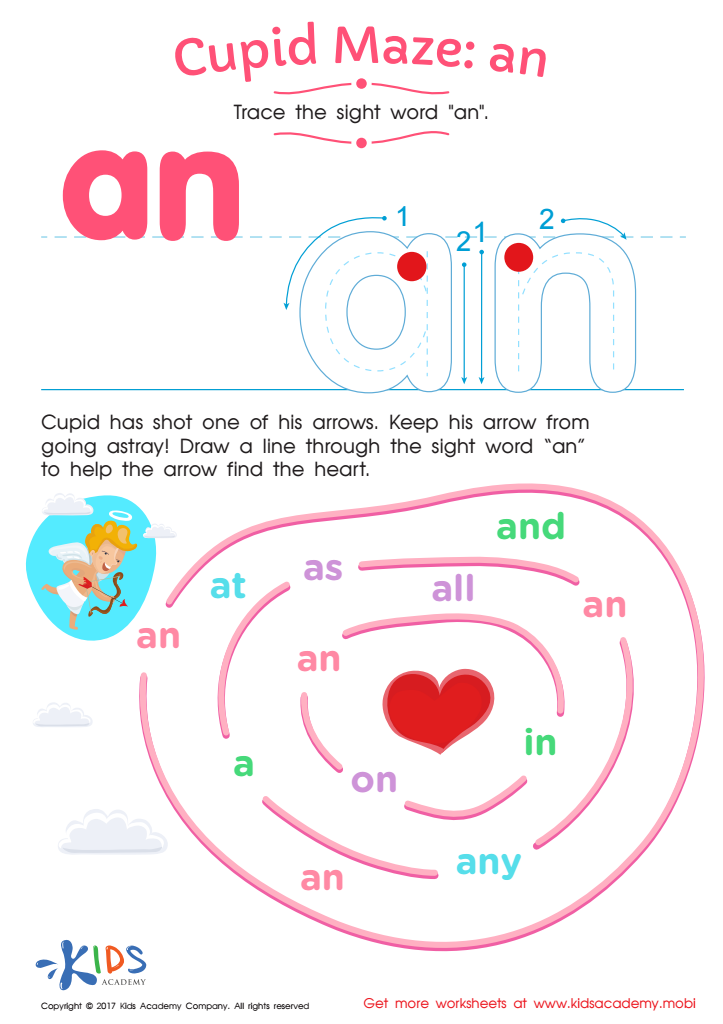
Cupid Maze: An Printable
 Assign to My Students

Snowman Tracing Winter Words Worksheet
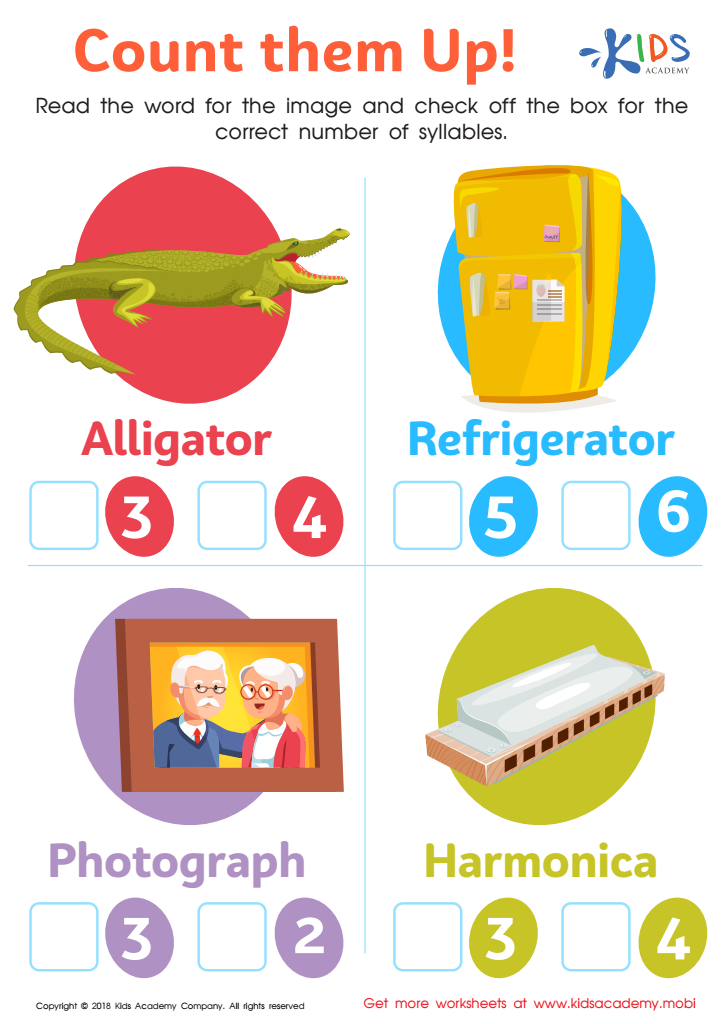
Count Them Up Worksheet
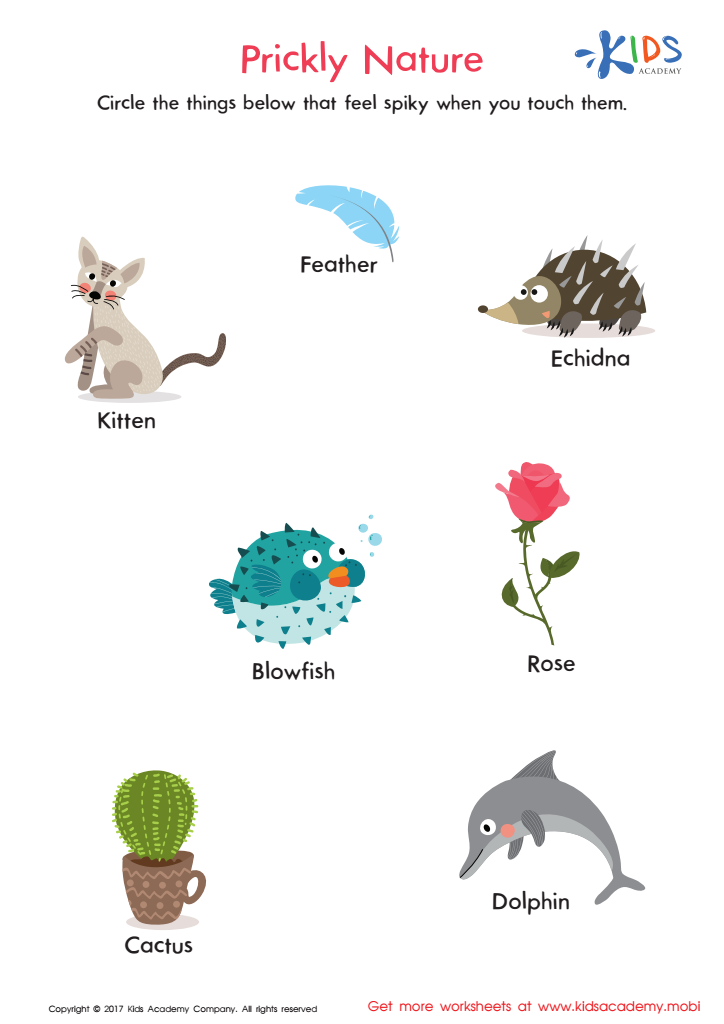
Prickly Nature Worksheet
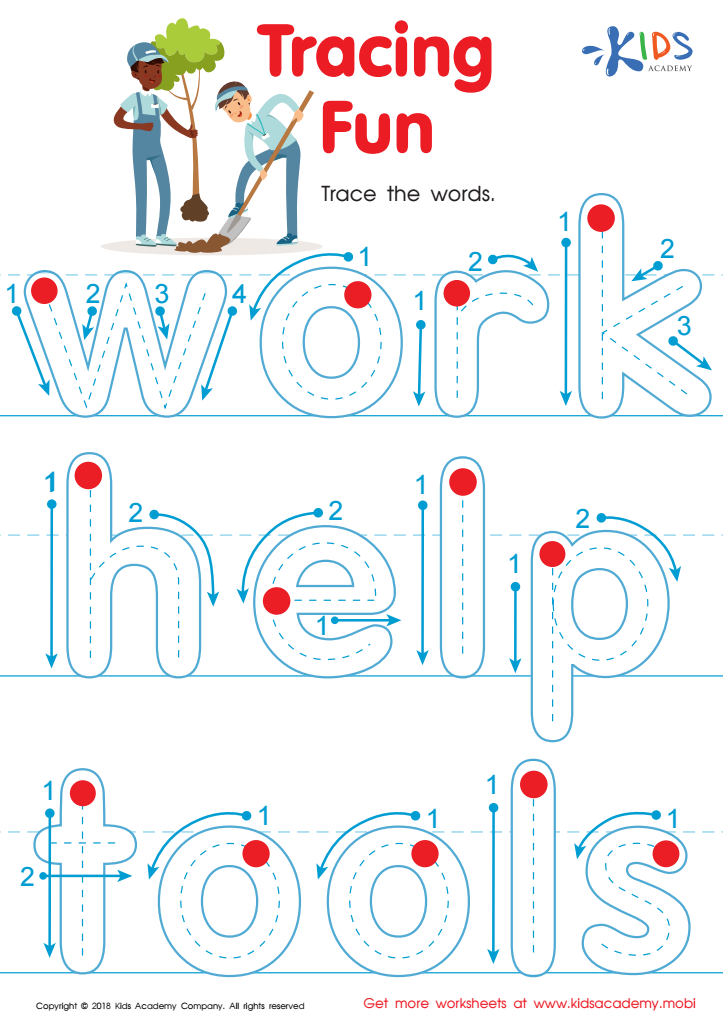
Tracing Fun Worksheet
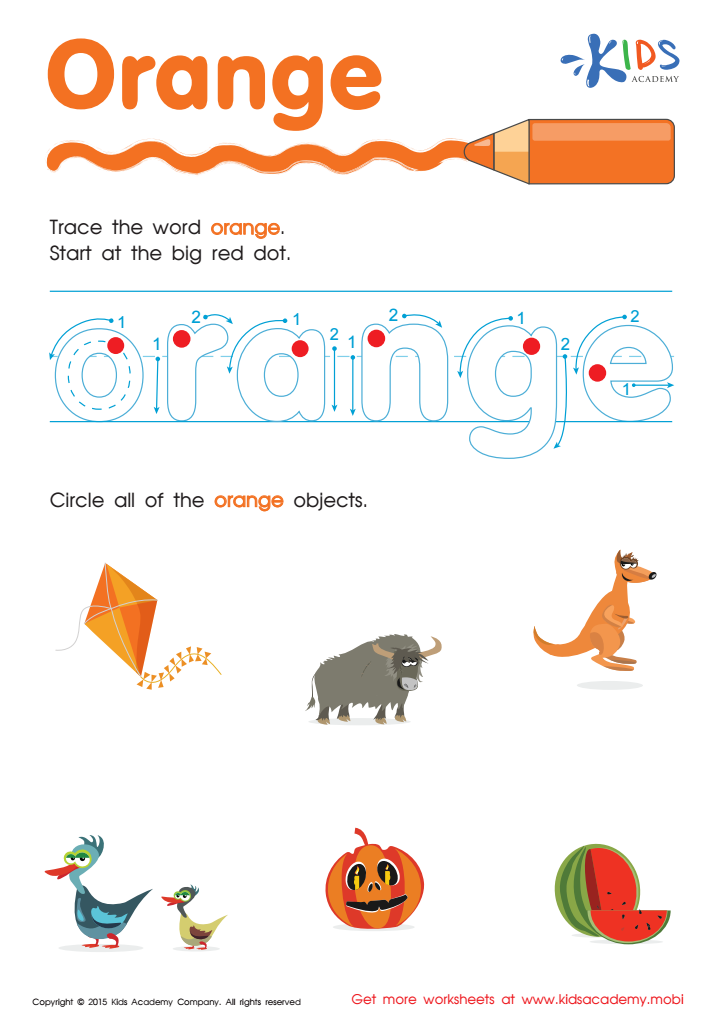
Orange Tracing Color Words Worksheet
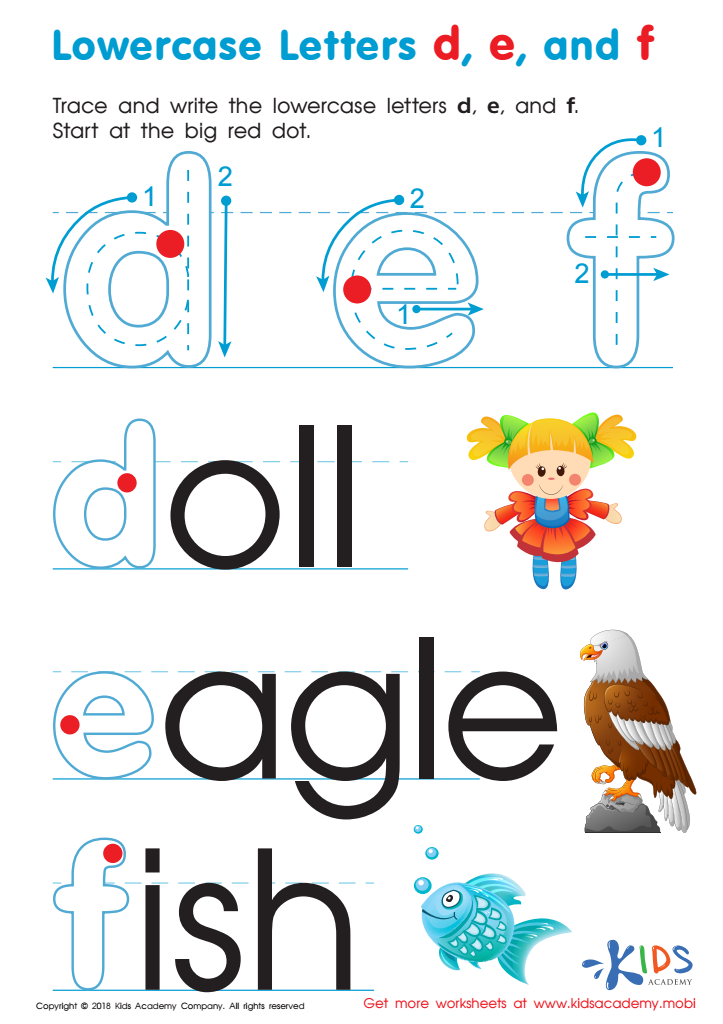
Lowercase Letters d e f Worksheet

White Tracing Color Words Worksheet







Fine motor skills play a crucial role in a child's overall development, especially for ages 6-8, an important period for establishing foundational skills. Fine motor skills refer to the ability to control small muscle movements, particularly in the hands and fingers. This is essential for tasks such as writing, drawing, buttoning clothes, and using scissors. Parents and teachers need to care about the development of fine motor skills for several reasons.
Firstly, good fine motor skills are directly related to academic success. Writing is a primary method of communication in most educational settings. A child with well-developed fine motor skills will find it easier to learn to write neatly and efficiently, leading to better performance in school tasks. Poor motor skills, on the other hand, can lead to frustration, decreased academic performance, and a reluctance to engage in writing-related activities.
Secondly, fine motor skills lay the groundwork for other essential life skills. Activities such as tying shoes, feeding oneself, and personal grooming all rely on the fine motor control practiced during early childhood.
Finally, engaging in activities that develop fine motor skills can also promote cognitive development and hand-eye coordination.
Incorporating activities such as coloring, playing with playdough, and using tweezers or small building blocks can significantly benefit the strengthening of these skills. Therefore, understanding and supporting the development of fine motor skills in children can lead to long-term benefits in academic success and daily life mastery.