Hand-eye Coordination Normal Letter Recognition Worksheets for Ages 6-9
7 filtered results
-
From - To
Our Hand-eye Coordination Normal Letter Recognition Worksheets for Ages 6-9 are designed to enhance your child's learning experience by merging essential literacy skills with physical coordination development. These engaging printable worksheets provide fun and interactive exercises that support letter recognition while simultaneously improving hand-eye coordination. Perfect for young learners, homeschooling, or classroom activities, each worksheet aims to make the learning process enjoyable and effective. Whether tracing letters, matching characters, or completing hands-on activities, your child will gain confidence and build foundational skills critical for future educational success. Boost your child's developmental journey today with our expertly crafted resources!
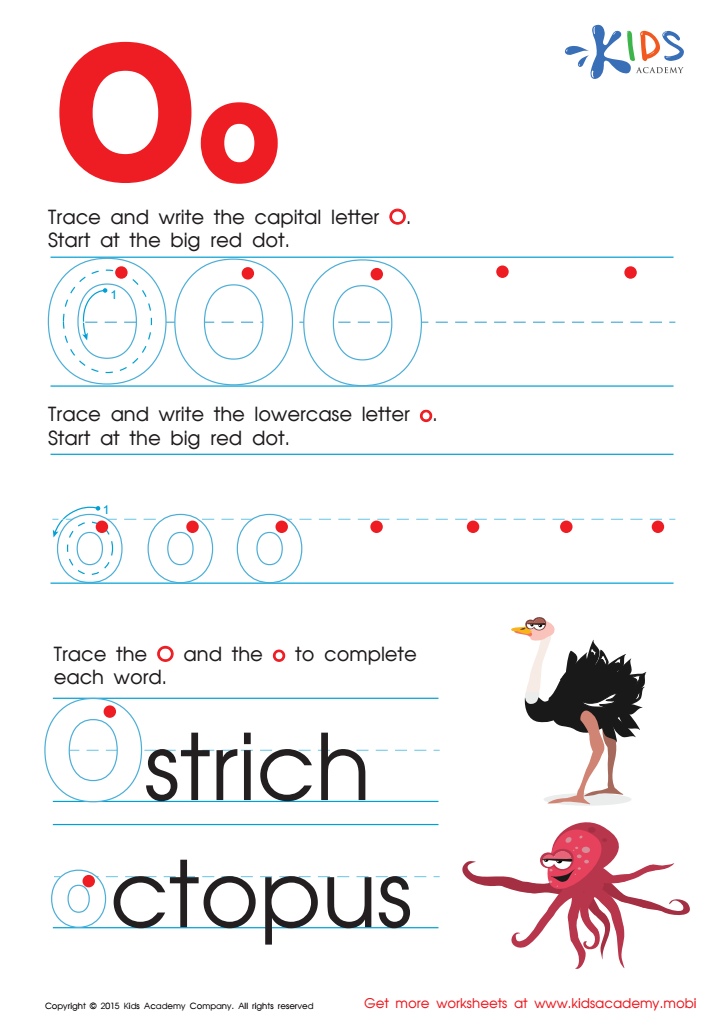
Letter O Tracing Page
 Assign to My Students
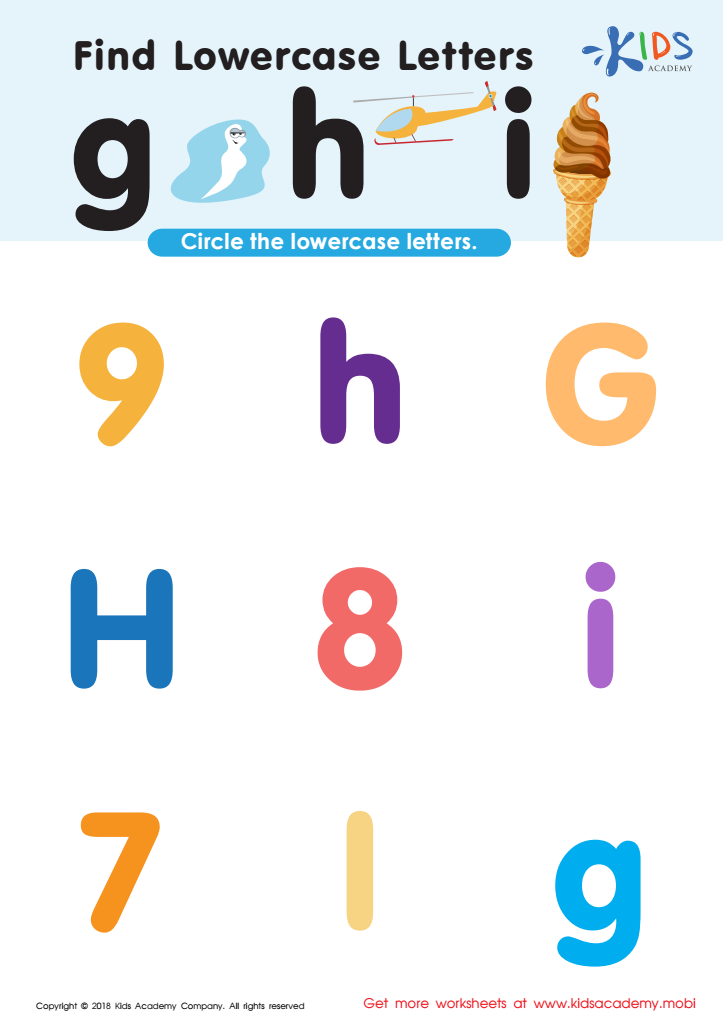
Find Lowercase Letters g h i Worksheet
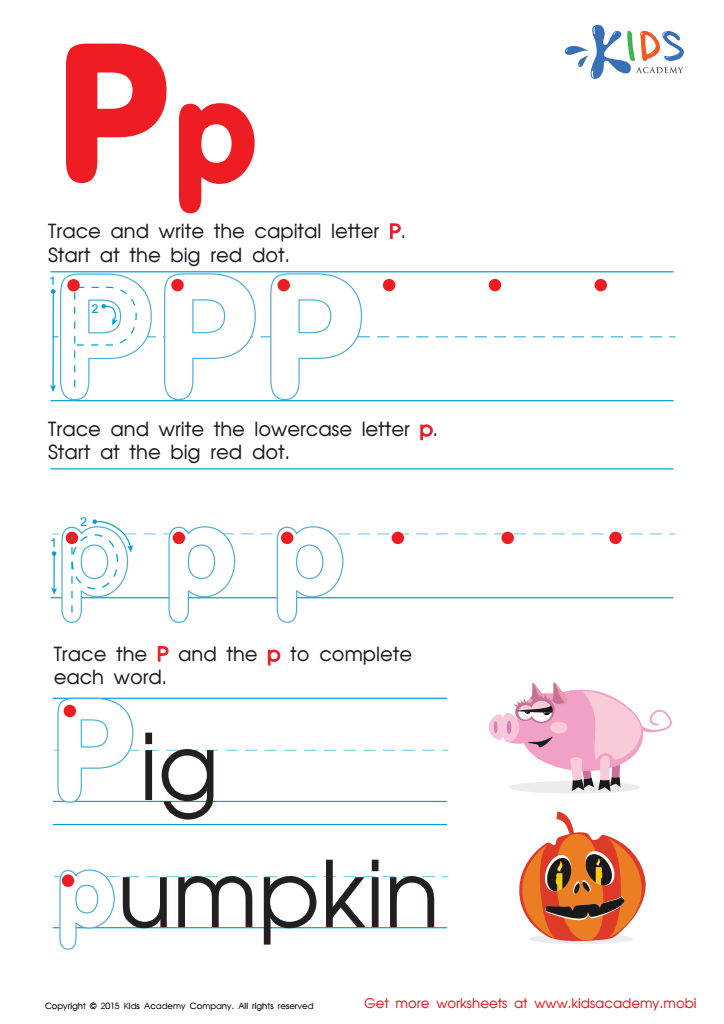
Letter P Tracing Page

Letter H Tracing Page
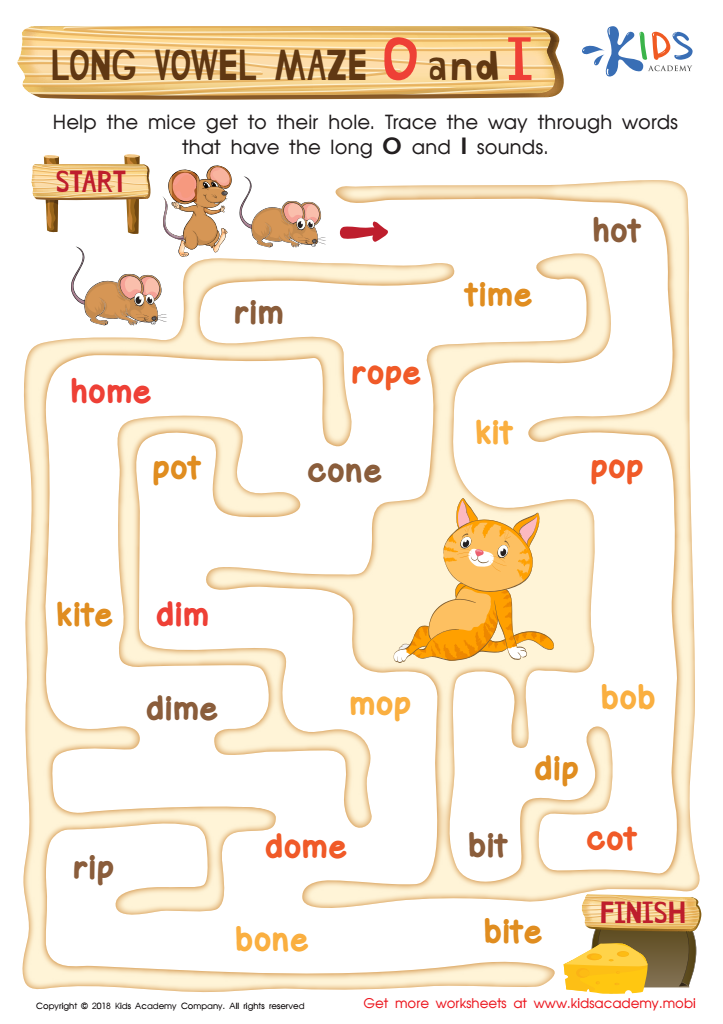
Long Vowel Maze /o/ and /i/ Worksheet
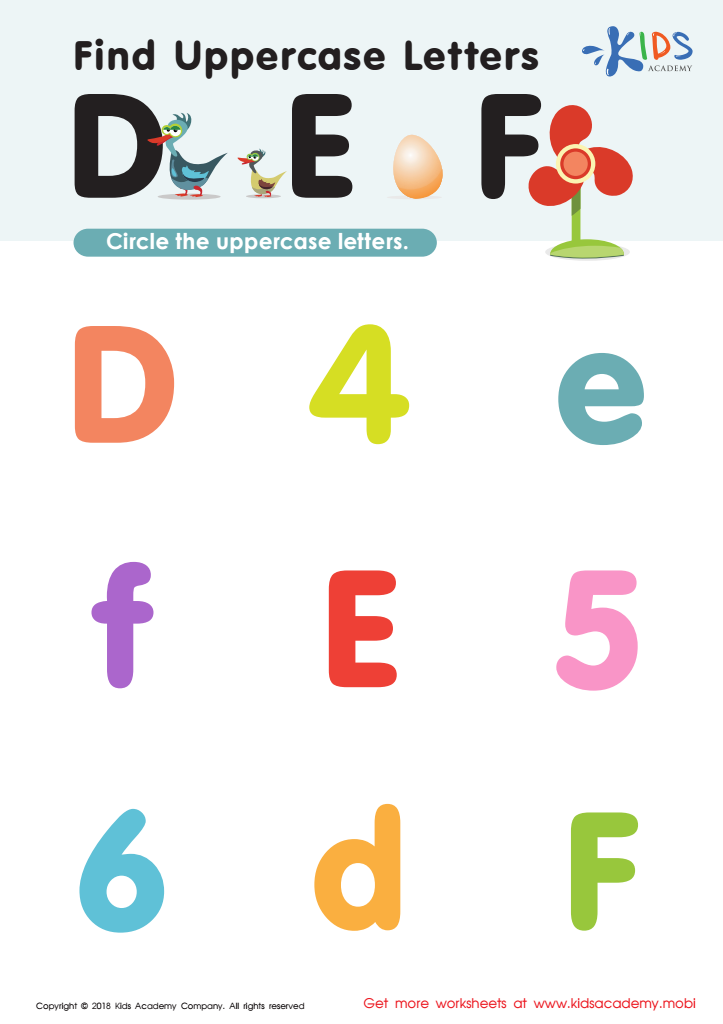
Find Uppercase Letters D, E, and F Worksheet
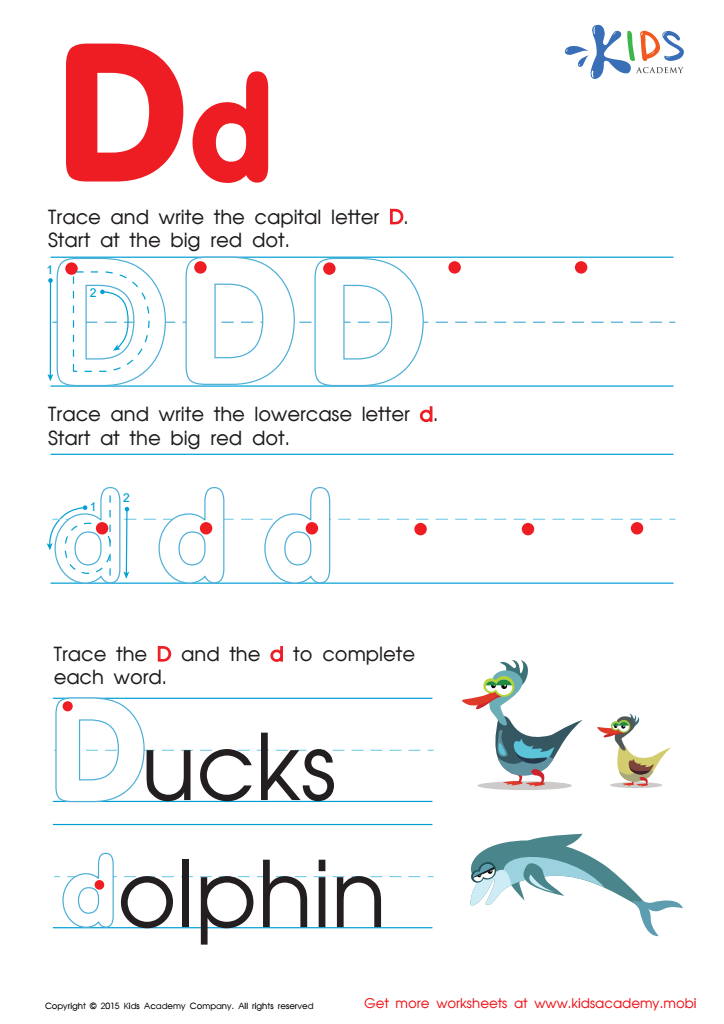
Letter D Tracing Page








Hand-eye coordination and normal letter recognition are fundamental skills crucial for children aged 6-9, pivotal in their overall development and academic success. During these early elementary years, children are typically learning to read and write, and fine motor skills play a significant role in this process. Hand-eye coordination, which involves the synchronization of visual input with hand movements, is essential for tasks such as writing, drawing, and using scissors.
Strong hand-eye coordination allows children to write more legibly, making it easier for teachers and parents to understand their work and for the children themselves to take pride in their accomplishments. Furthermore, it enhances their ability to perform everyday tasks effectively, thus building their confidence and fostering independence.
Normal letter recognition, the ability to distinguish between different letters correctly, directly affects reading and writing capabilities. When children can reliably recognize letters, they can more easily learn to connect those letters to sounds and form words. This foundational skill is critical for developing fluent reading and accurate writing, which are necessary for academic achievement across all subjects.
Together, these skills support cognitive development, encourage academic success, and give children the necessary tools to communicate effectively. Therefore, fostering robust hand-eye coordination and normal letter recognition during these formative years can lead to a strong educational foundation and lifelong learning benefits.








