Vowel Recognition Normal Letter Recognition Worksheets for Ages 6-9
4 filtered results
-
From - To
Unleash your child's reading potential with our Vowel Recognition Normal Letter Recognition Worksheets tailored for ages 6-9. Crafted by education experts, each worksheet focuses on enhancing vowel sound identification alongside standard letter recognition. Through engaging activities, young learners will differentiate between vowels and consonants, build phonetic skills, and improve reading fluency. These printable resources incorporate fun exercises designed to make learning enjoyable and effective. Ideal for both classroom use and home practice, they support foundational literacy development, ensuring your child cultivates the essential skills needed for lifelong reading success. Dive into a world of learning and watch their confidence soar!
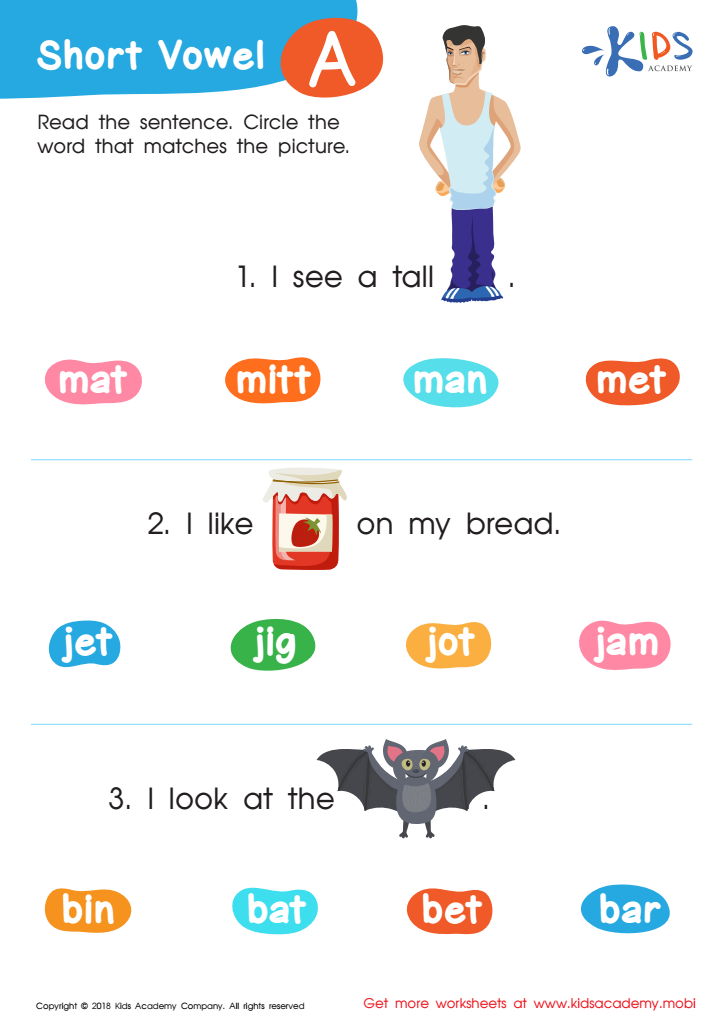
Short Vowel /a/ Worksheet
 Assign to My Students
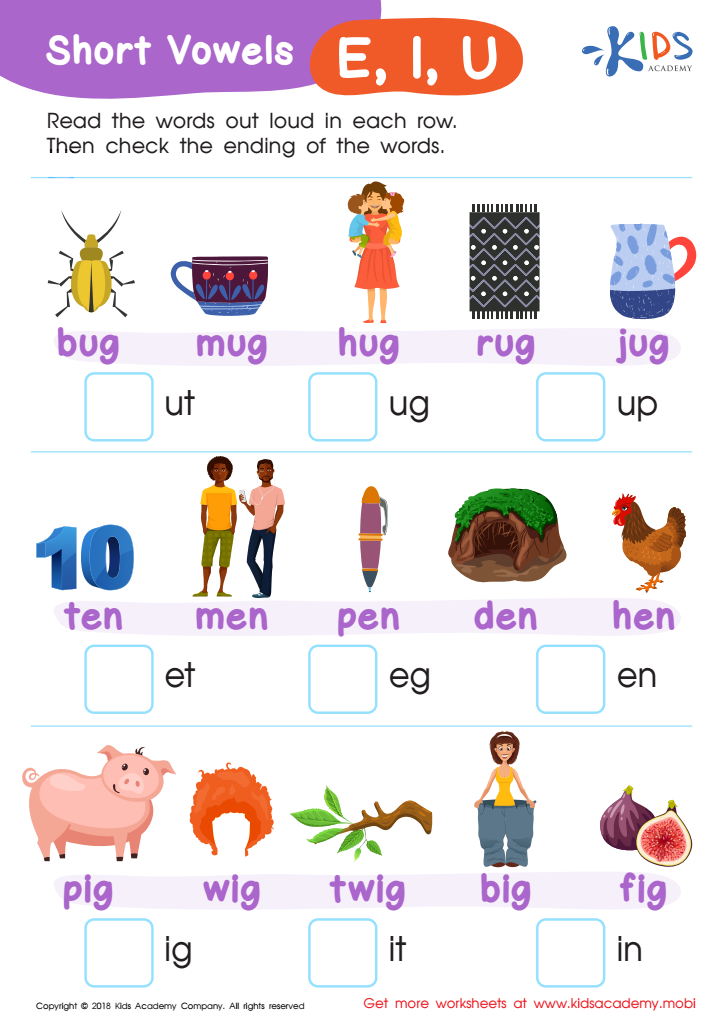
Short Vowels /e/, /i/, and /u/ Worksheet
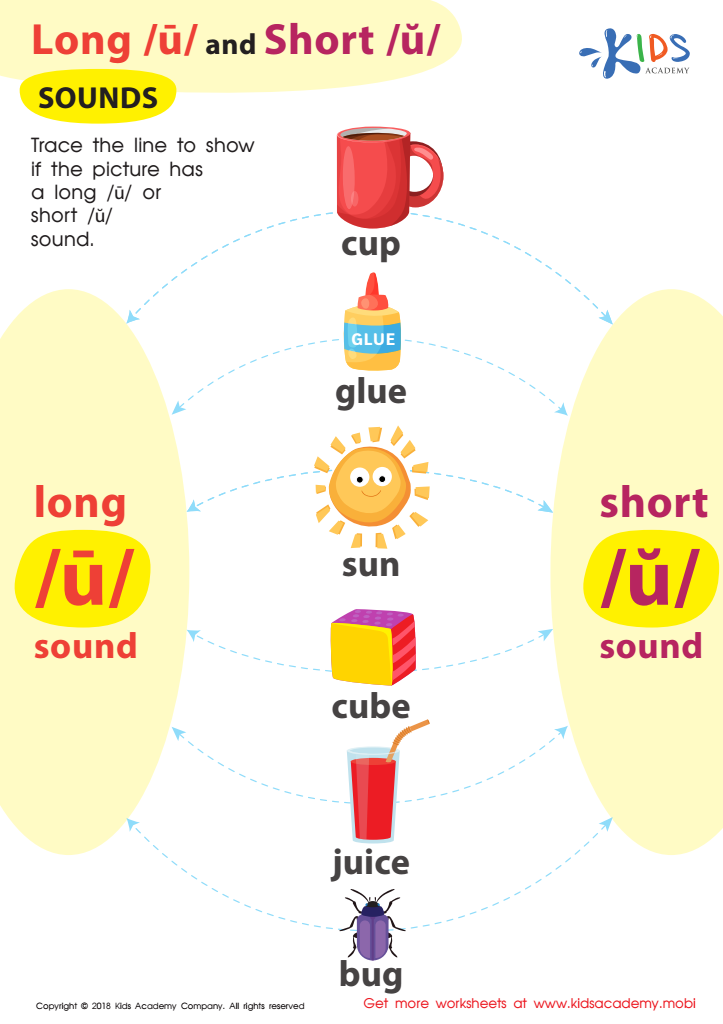
Reading: Long U and Short U Sounds Worksheet
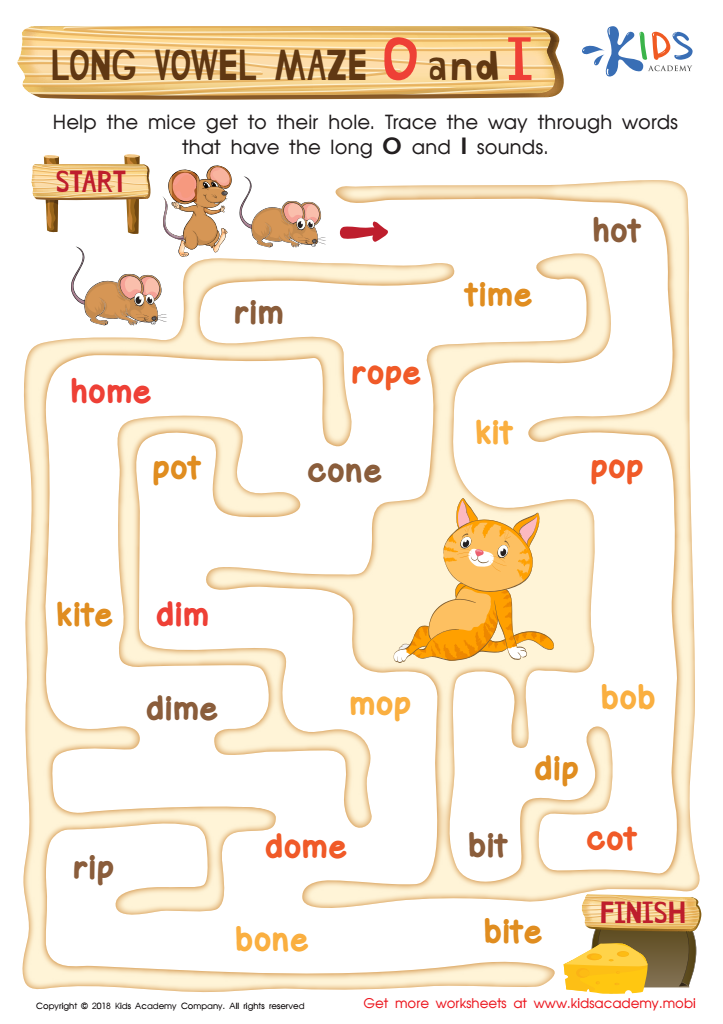
Long Vowel Maze /o/ and /i/ Worksheet








Parents and teachers should prioritize vowel recognition and normal letter recognition for children aged 6-9 due to their crucial roles in foundational literacy development. Mastering vowel sounds and accurately identifying letters are essential skills that underpin a child’s ability to read and write effectively. During early grades, developing these skills significantly enhances phonemic awareness, which is the ability to hear and manipulate the sounds in words—a critical component of reading proficiency.
Vowel recognition helps children distinguish between different sounds in words, aiding in accurate pronunciation and comprehension. Since vowels form the core of syllables, understanding them facilitates smoother decoding of words, allowing children to progress from simple to more complex reading materials. Furthermore, recognizing letters fluently, both in isolation and within words, enhances children’s confidence and fluency in reading.
Ensuring proficiency in these areas sets a solid groundwork for academic success, as reading is a gateway to learning in all subjects. It minimizes early reading difficulties that could otherwise lead to frustration or reduced academic self-esteem. Moreover, instilling these skills at a young age encourages a love for reading, fostering lifelong learning and curiosity.
Thus, focusing on vowel and letter recognition in these formative years is vital, as it supports literacy development and fosters a positive, successful educational journey.








