Writing practice Normal Letter Recognition Worksheets for Ages 6-9
6 filtered results
-
From - To
Discover our engaging Normal Letter Recognition Worksheets designed for children ages 6-9! These worksheets aim to enhance letter recognition skills while promoting confident writing abilities. Ideal for early learners, each activity provides a fun and interactive way for kids to practice identifying both uppercase and lowercase letters. Through tracing, matching, and creative exercises, children will strengthen their understanding of the alphabet. Our resources support diverse learning styles, making it easier for parents and educators to foster literacy in young learners. Join us on this educational journey and help your child master letter recognition with our thoughtfully crafted worksheets!
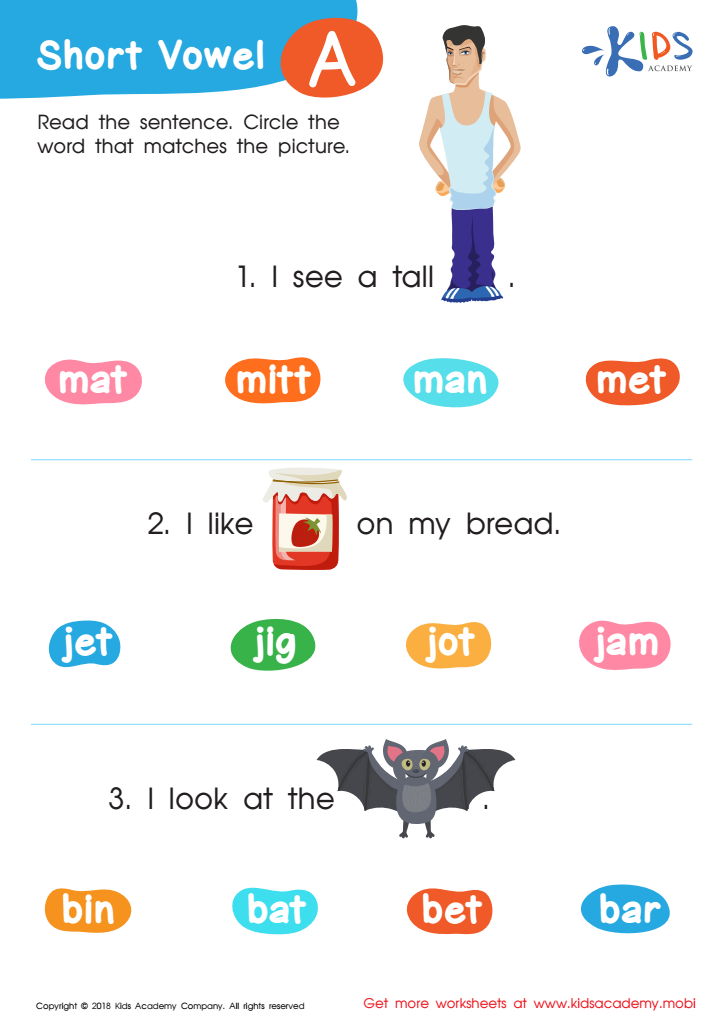
Short Vowel /a/ Worksheet
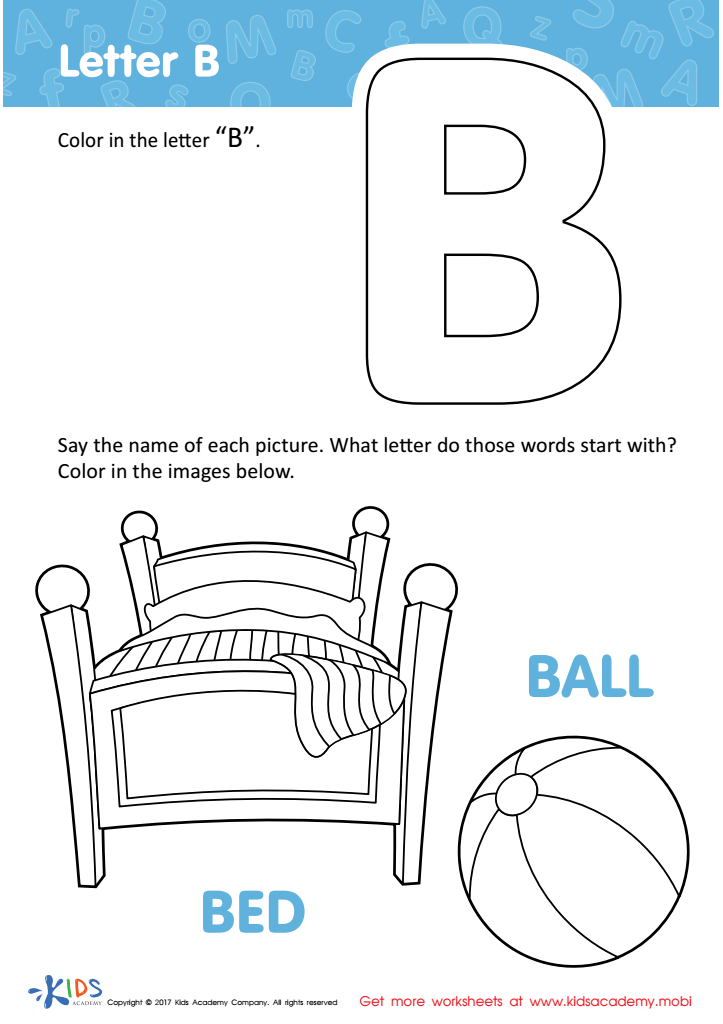
Letter B Coloring Sheet
 Assign to My Students
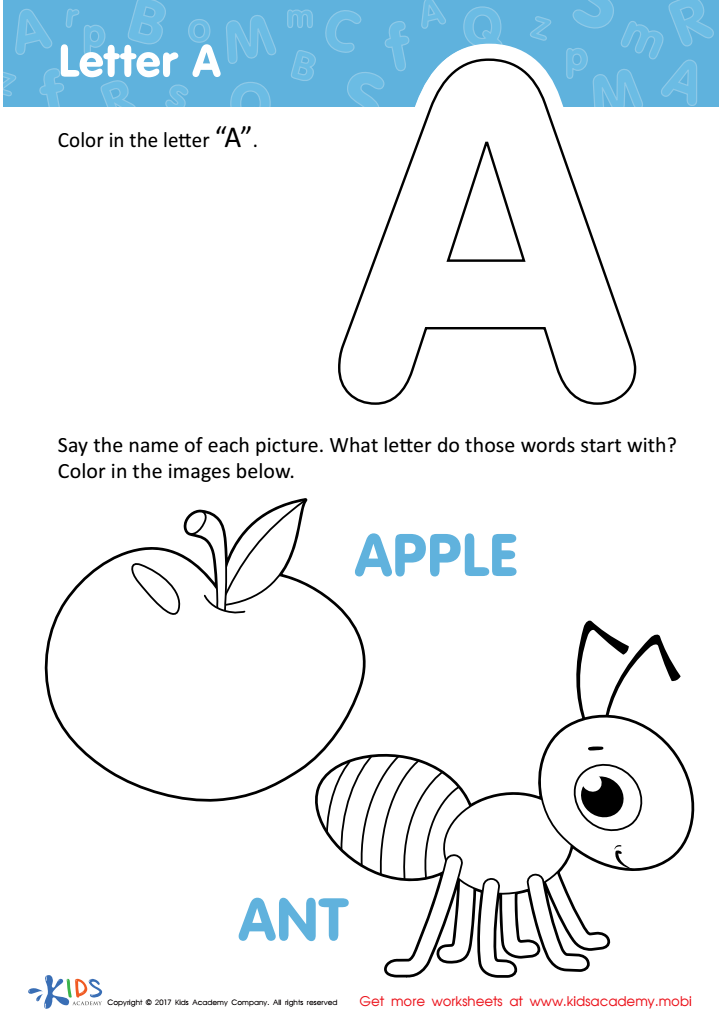
Letter A Coloring Sheet
Assign to My Students
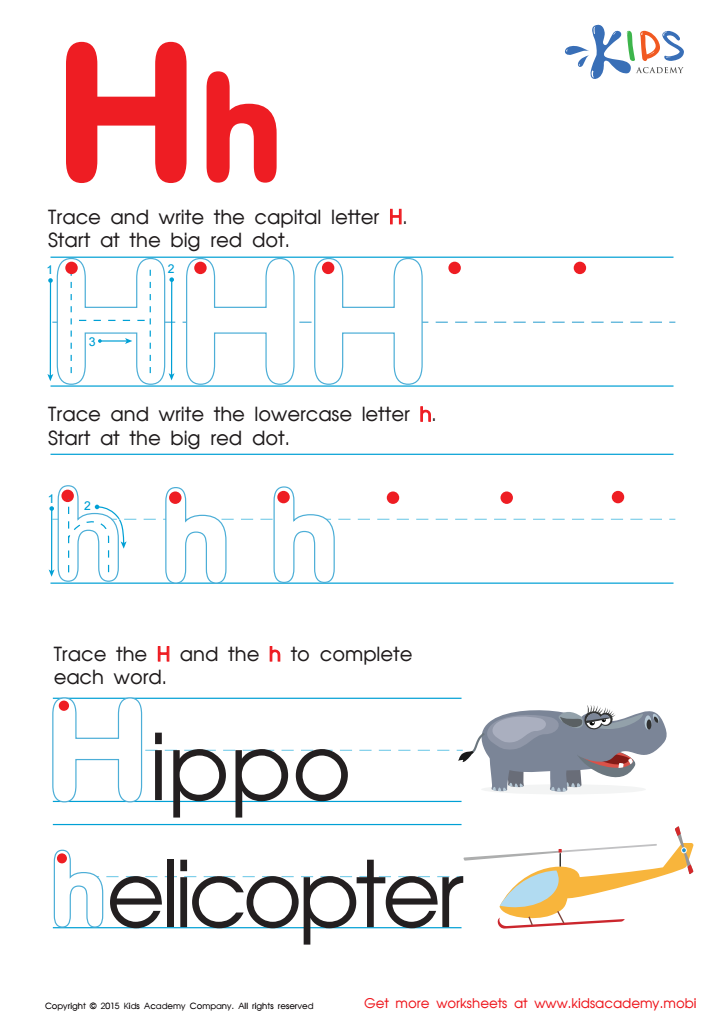
Letter H Tracing Page
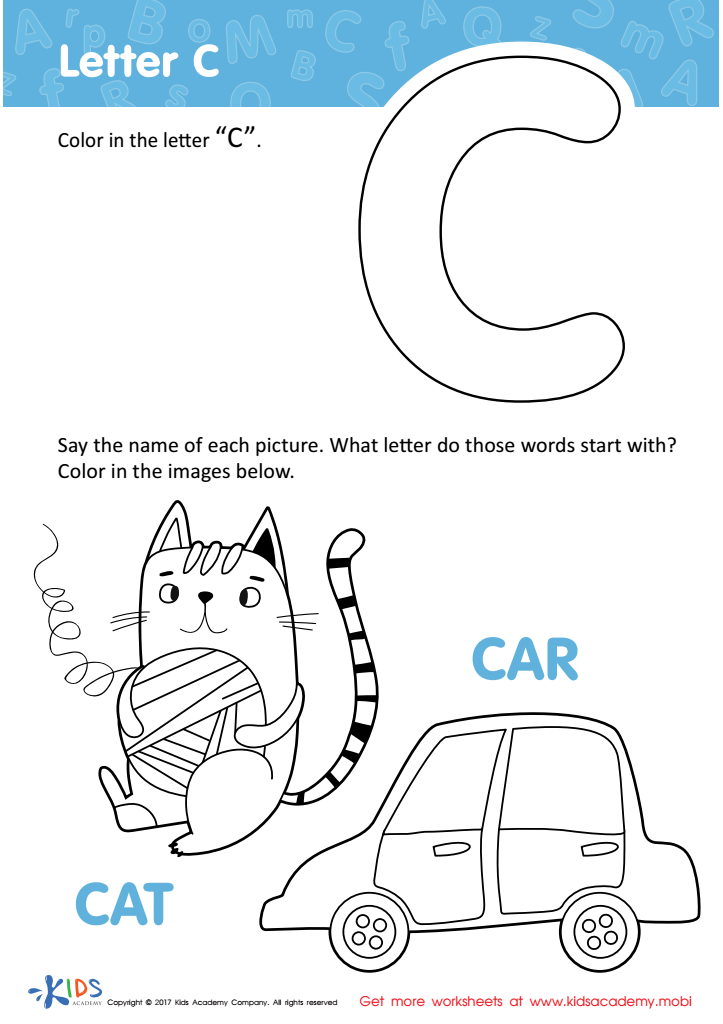
Letter C Coloring Sheet
Assign to My Students
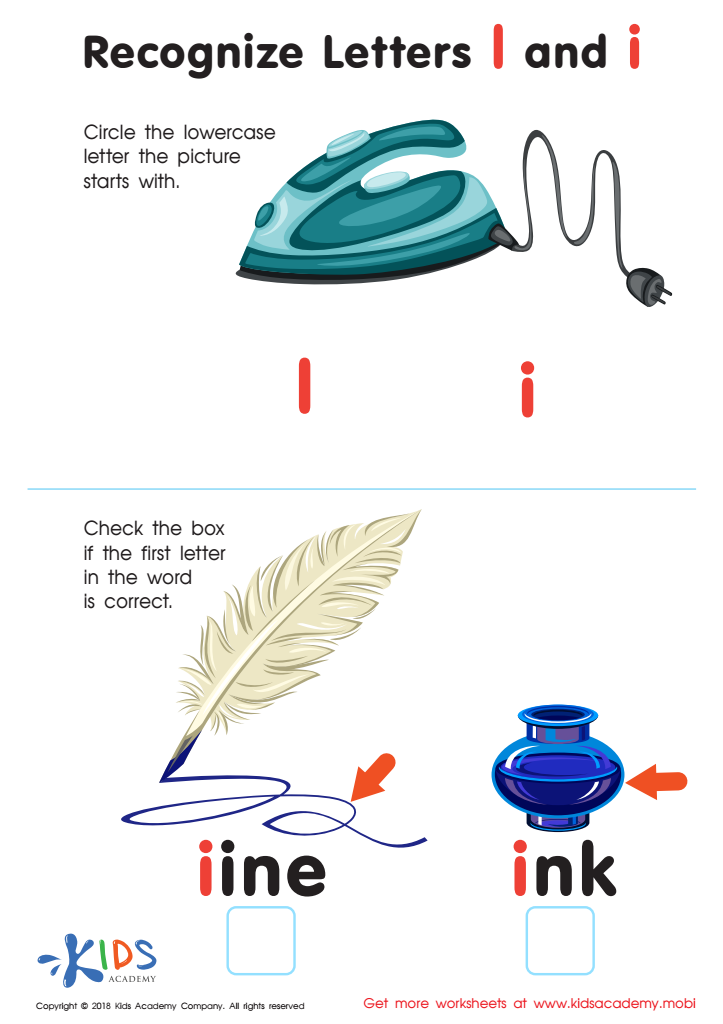
Recognize Letters l and i Worksheet








Writing practice and letter recognition are crucial for children aged 6-9, as they serve as foundational skills for literacy development. At this age, children are transitioning from learning sounds and letters to using them in reading and writing. Recognizing and writing letters accurately impacts their ability to form words, construct sentences, and comprehend texts.
Furthermore, mastering letter recognition aids in boosting children's confidence and motivation to engage with written language. When children can easily identify and write letters, they are more likely to participate in classroom activities, express their thoughts through writing, and develop a love for reading. For parents and educators, it's essential to foster an environment that encourages regular writing practice, as it prepares children for future academic success and enhances their communication skills.
Beyond academic benefits, supporting writing and letter recognition also helps children develop fine motor skills and cognitive abilities. Engaging children in fun and interactive writing activities can lay the groundwork for effective language use, critical thinking, and self-expression. Overall, prioritizing writing practice and letter recognition is vital for nurturing well-rounded learners who are prepared for ongoing educational challenges and lifelong literacy.








