Fine motor skills development Normal Upper & Lowercase Letters Worksheets for Ages 6-9
3 filtered results
-
From - To
Enhance your child's fine motor skills with our engaging Normal Upper & Lowercase Letters worksheets, designed specifically for children aged 6-9. These worksheets focus on letter formation, helping kids practice writing both uppercase and lowercase letters while improving their hand-eye coordination and motor control. Each activity is thoughtfully crafted to keep children motivated and excited about learning. With a variety of exercises, your young learner will gain confidence and proficiency in handwriting. These resources are perfect for parents and educators looking to support literacy skills while developing essential fine motor abilities in a fun and interactive way. Start the journey to better handwriting today!
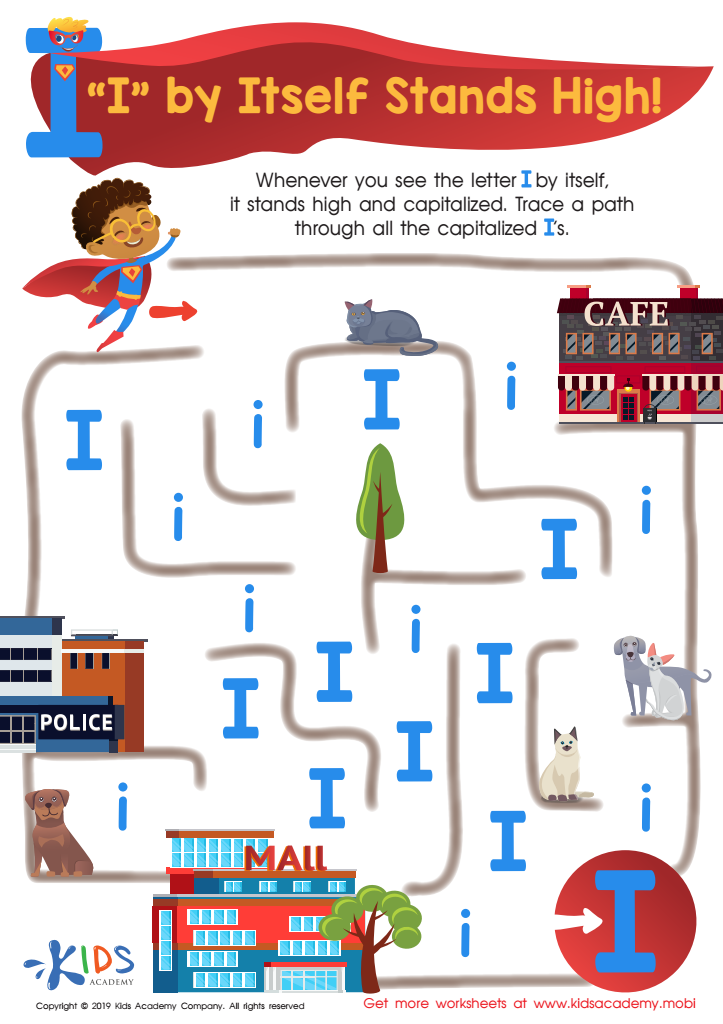
I Stands High Worksheet
 Assign to My Students






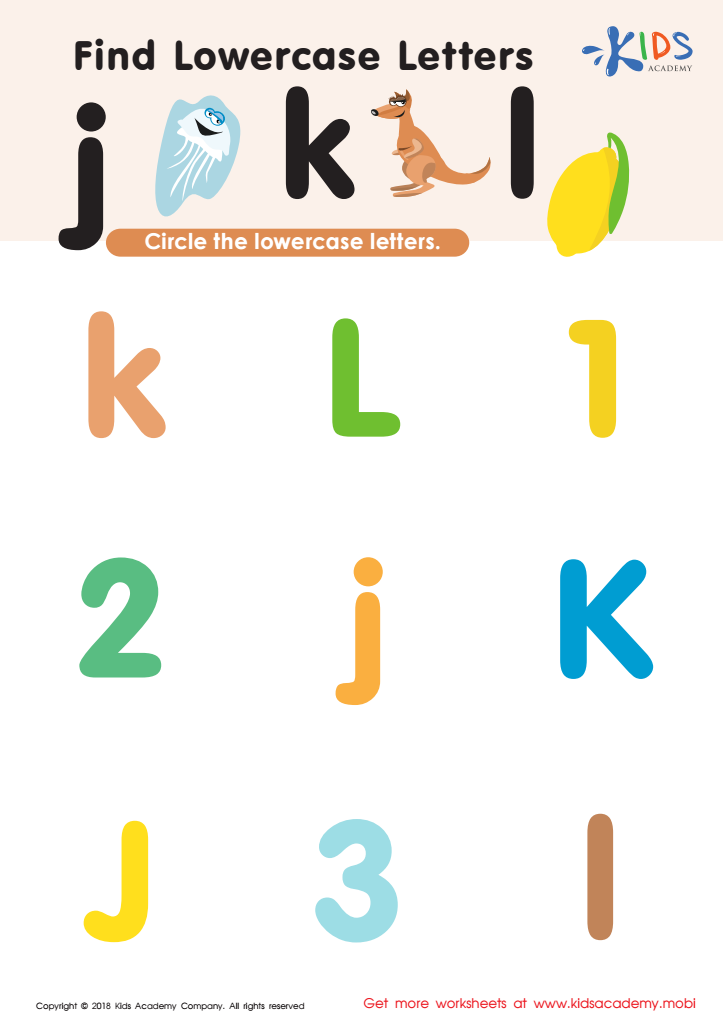
Find Lowercase Letters j k l Worksheet
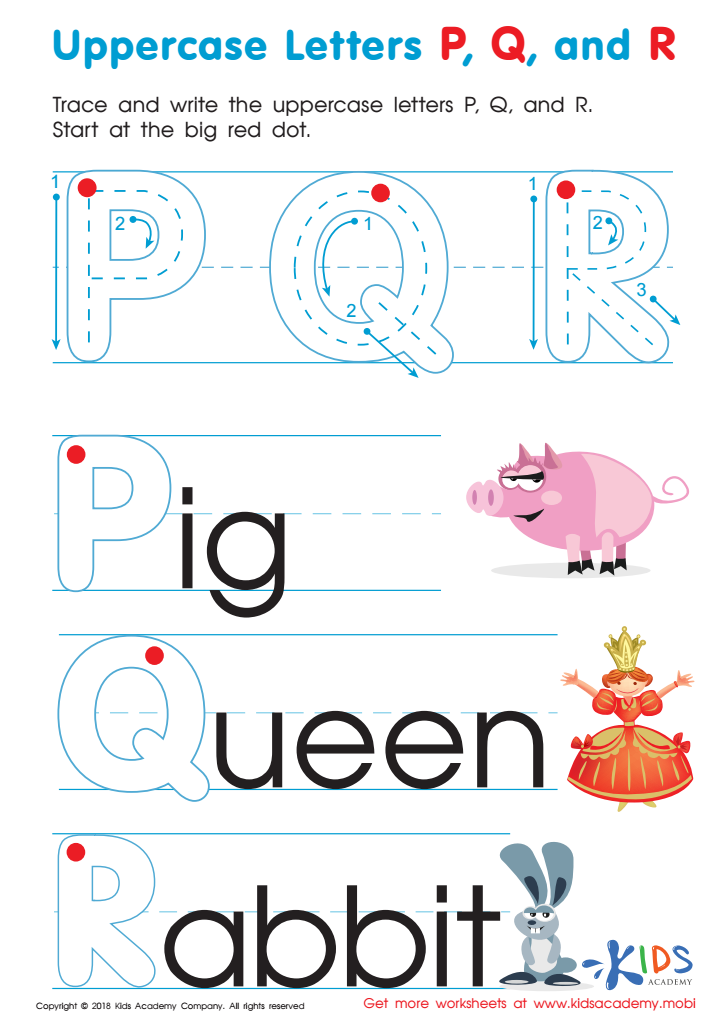
Uppercase Letters P, Q, and R Worksheet






Fine motor skills are crucial for children ages 6-9 as they significantly impact their academic performance, particularly in writing. During this developmental stage, students are transitioning from learning to write letters to writing fluently. Mastery of upper and lowercase letters enhances their ability to express ideas clearly and legibly.
Parents and teachers should prioritize fine motor skills development because these skills influence a child's overall learning experience. Difficulty in manipulating writing tools can lead to frustration, decreased self-esteem, and reluctance to participate in writing-related activities. Children who struggle may also fall behind their peers, impacting their confidence in academic settings.
Additionally, fine motor skills are linked to other essential everyday tasks, such as tying shoelaces, using utensils, and buttoning clothing. By fostering these skills, parents and teachers can help children achieve greater independence, contributing to better self-efficacy and life skills.
Moreover, activities that promote fine motor development—such as crafting, drawing, and using interactive tools—can make learning enjoyable and engaging. Encouraging practice in forming letters while emphasizing correct grip and posture can galvanize growth in both fine motor skills and literacy, laying a solid foundation for future academic success.







