Letter Tracing Practice Normal Upper & Lowercase Letters Worksheets for Ages 6-9
3 filtered results
-
From - To
Enhance your child's handwriting skills with our Letter Tracing Practice Normal Upper & Lowercase Letters Worksheets, perfect for ages 6-9. Designed to boost fine motor skills and letter recognition, these engaging worksheets guide children through tracing and writing both uppercase and lowercase letters. Ideal for classrooms or at-home practice, each worksheet offers ample opportunities for young learners to refine their penmanship and build confidence in their writing abilities. Tailored for systematic learning, these playful yet educational worksheets ensure a strong foundation in the early stages of literacy. Prepare your child for academic success with our fun and effective tracing exercises!
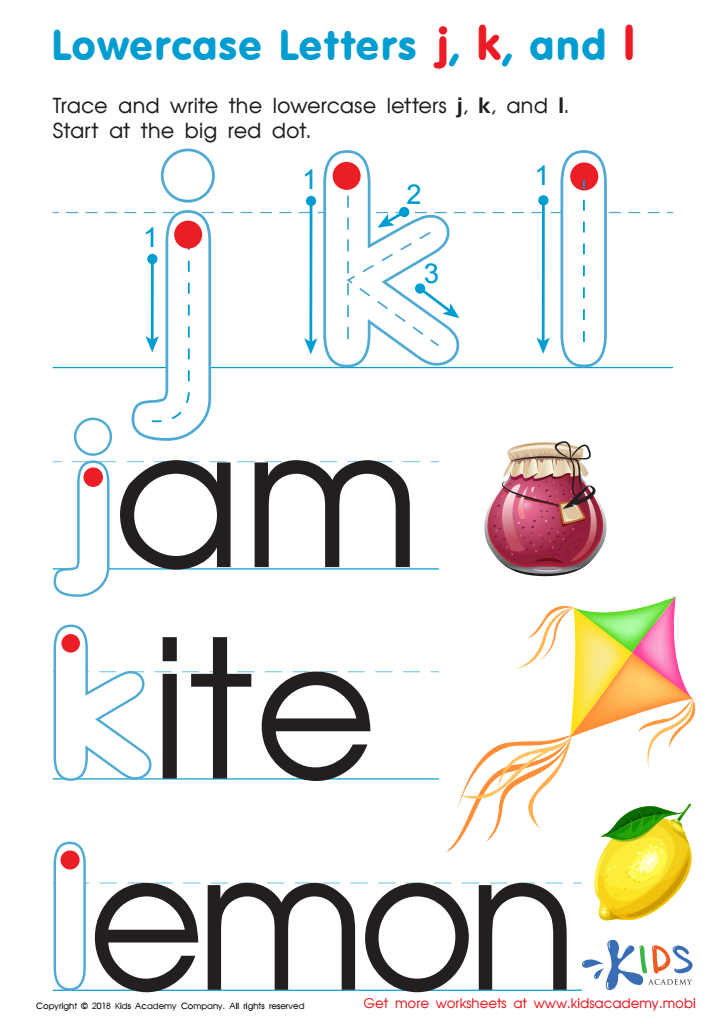
Lowercase Letters j k l Worksheet
 Assign to My Students





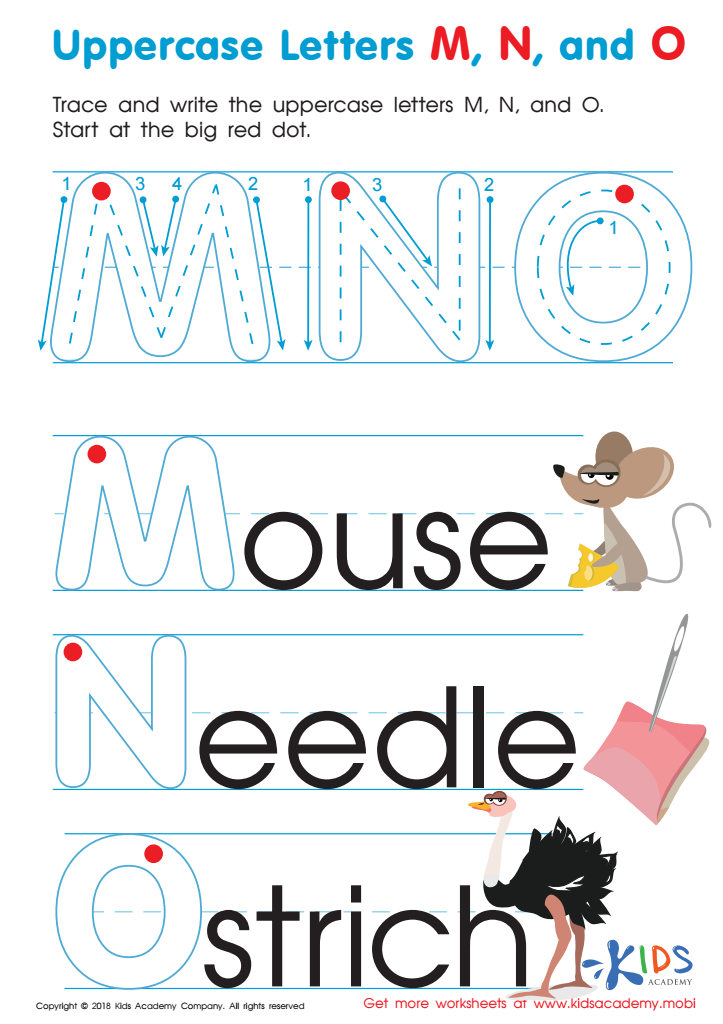
Uppercase Letters M, N, and O Worksheet
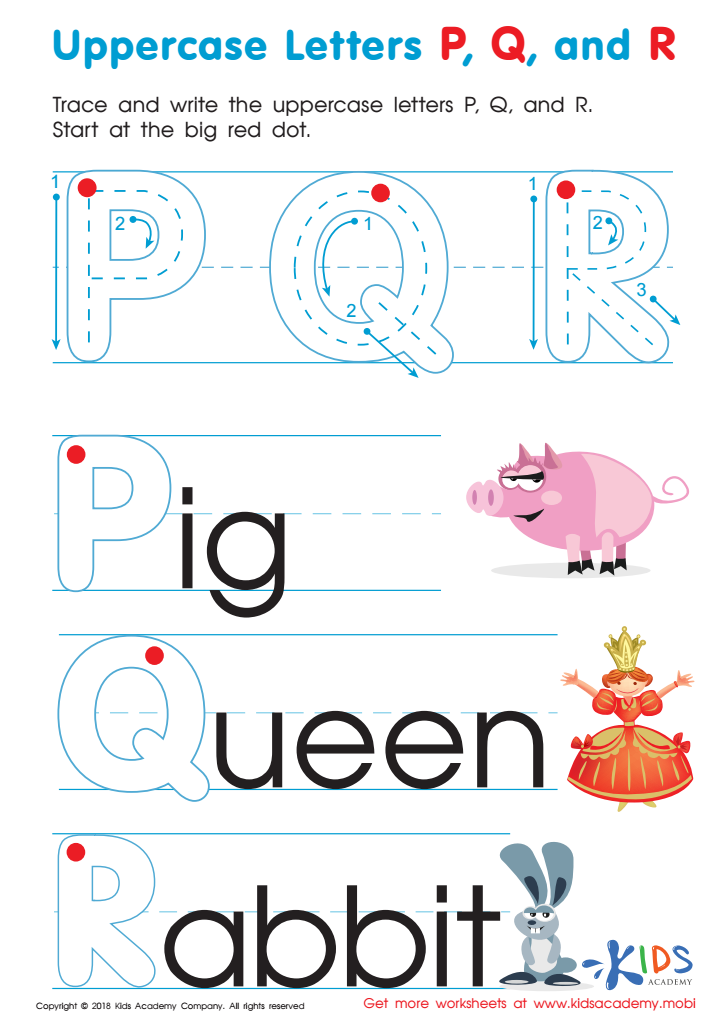
Uppercase Letters P, Q, and R Worksheet






Letter tracing practice for children aged 6-9 is a foundational activity that offers numerous developmental benefits essential for their academic growth. At this critical stage, students transition from kindergarten to more formal education settings that demand enhanced writing skills. Here’s why parents and teachers should prioritize it:
Firstly, letter tracing hones fine motor skills. As children repeatedly trace letters, they strengthen the muscles in their hands and fingers, which is vital for writing legibly. This dexterity also translates into better performance in other tasks requiring precise hand movements, like drawing or using tools.
Secondly, it solidifies letter recognition and phonics. Consistent practice helps children visually and mentally connect each letter’s shape with its corresponding sounds, fostering stronger literacy skills. This familiarity lays the groundwork for reading fluency and spelling accuracy, crucial components of effective communication.
Thirdly, letter tracing cultivates focus and patience. These sessions require children to concentrate on fine details and practice until they get the letters right, thereby instilling perseverance and attention to detail. Such discipline can enhance their performance in broader educational contexts.
Investing time in letter tracing practice prepares children not just for academic success but for lifelong learning. By mastering handwriting early, kids build a confidence that propels them into new, more complex learning milestones.







