Uppercase identification Normal Upper & Lowercase Letters Worksheets for Ages 6-9
5 filtered results
-
From - To
Looking for engaging worksheets to help your 6-9 year-olds master uppercase and lowercase letter recognition? Our carefully designed Uppercase Identification Worksheets provide fun activities that bolster alphabet knowledge through interactive exercises. Perfect for young learners, these pages combine vibrant illustrations with practical tasks, reinforcing their ability to distinguish between upper and lowercase letters. Ideal for classroom use or at-home practice, these printables support critical early literacy skills, setting your child on a path to reading and writing success. Boost your child's confidence and watch them thrive with our expert-crafted educational resources.
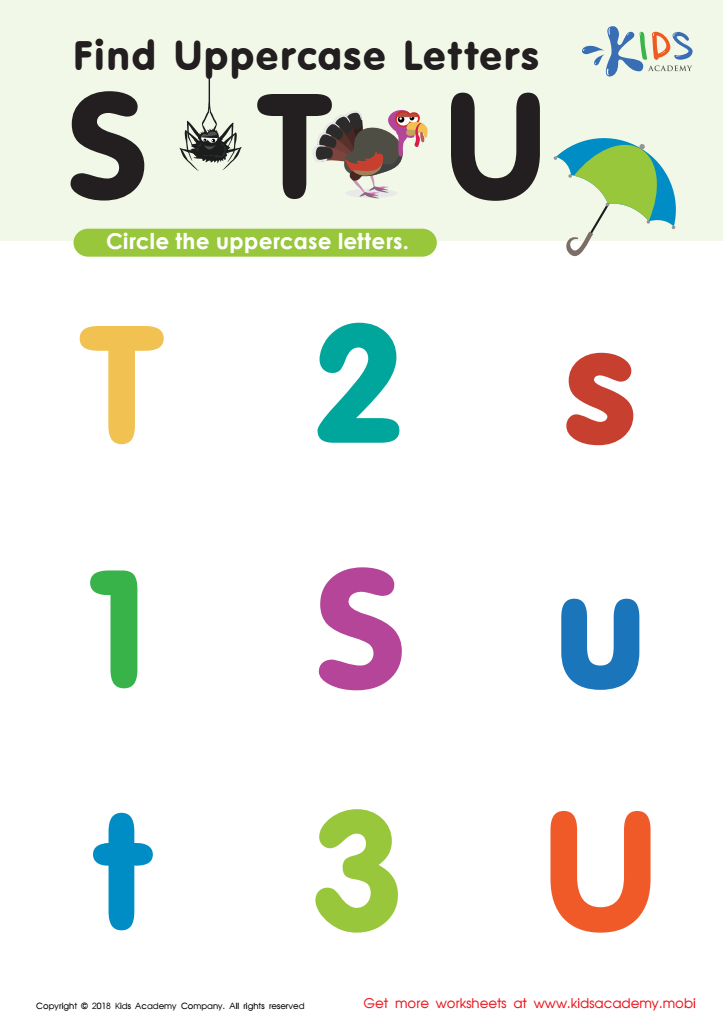
Find Uppercase Letters Worksheet
 Assign to My Students
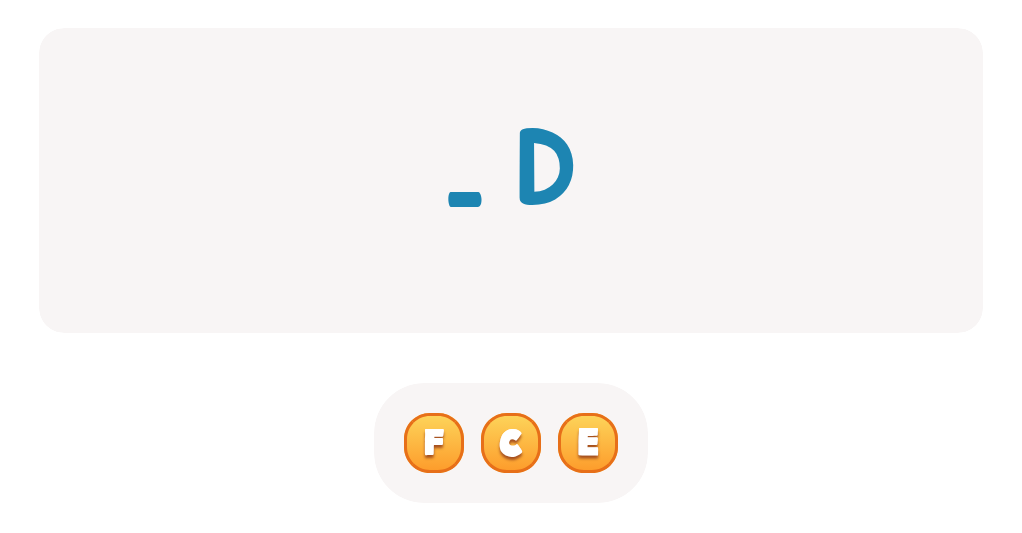

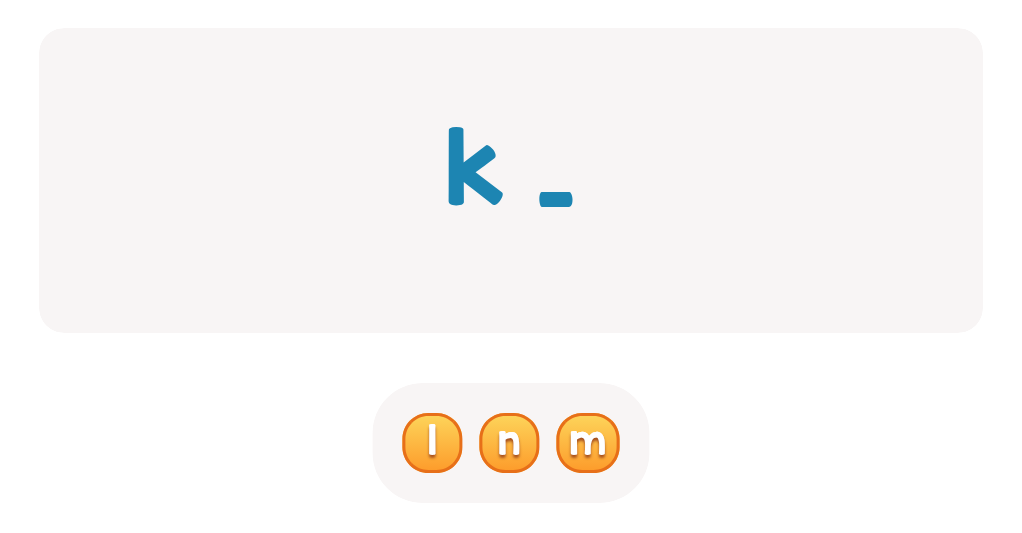
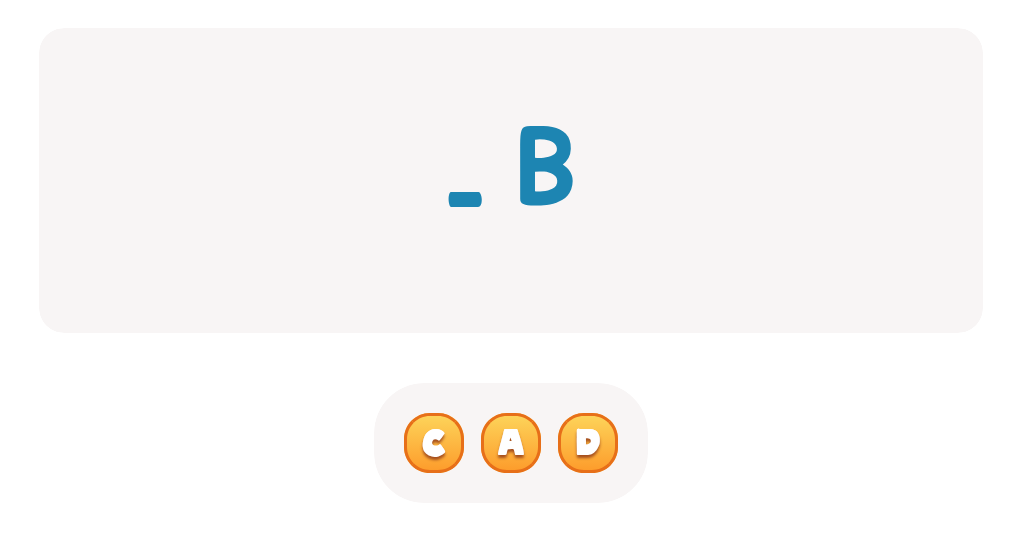
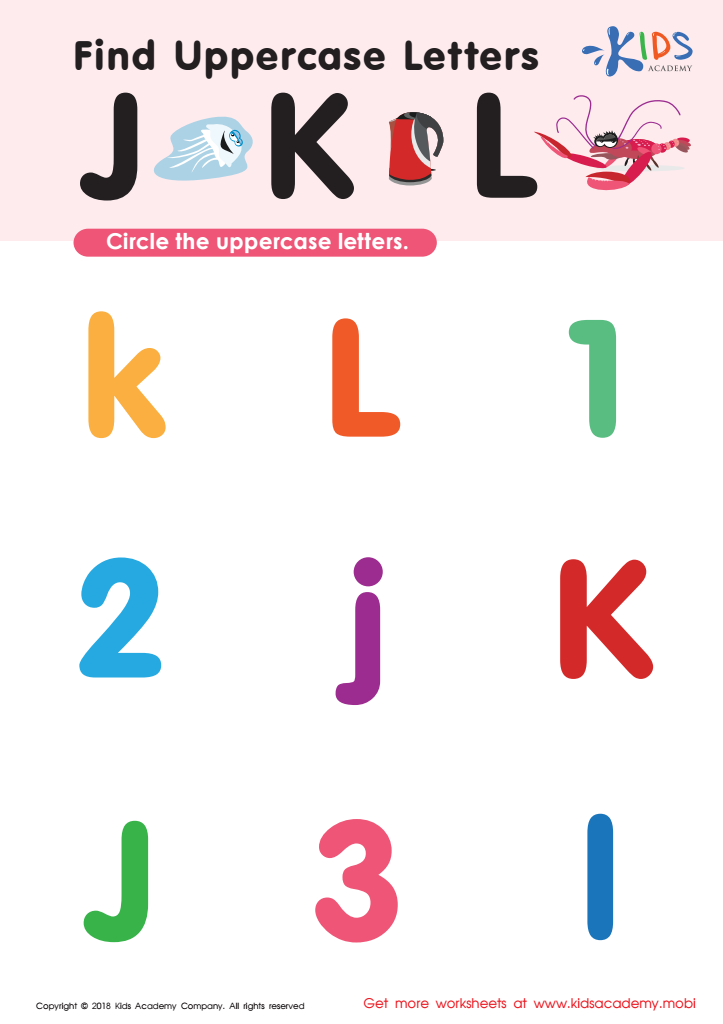
Find Uppercase Letters J, K, and L Worksheet
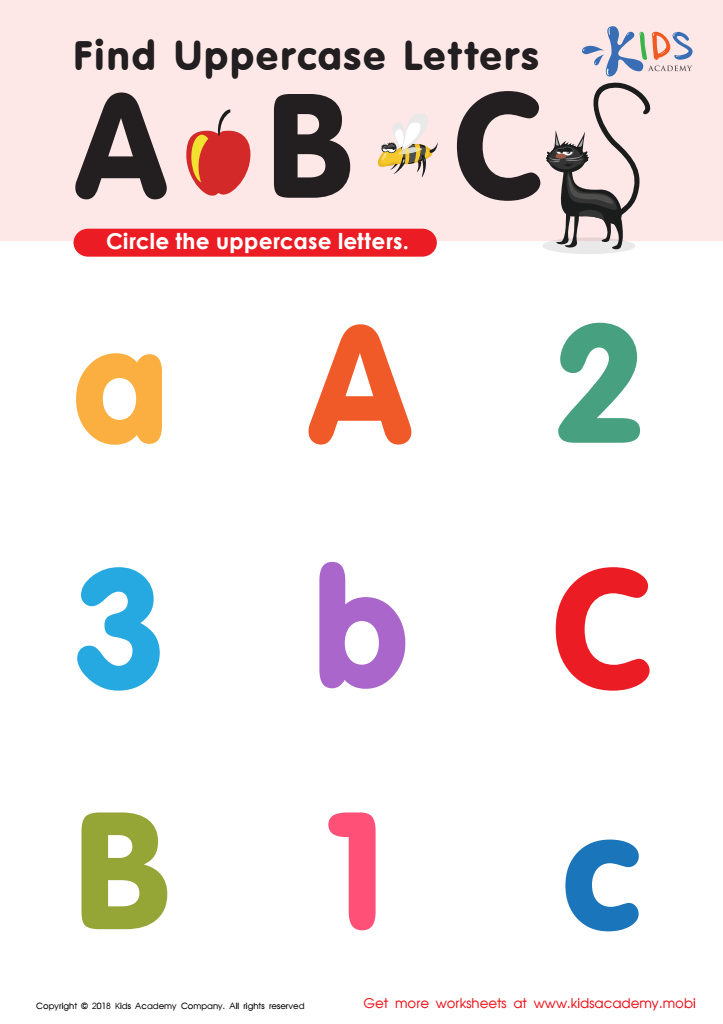
Find Uppercase Letters A, B, and C Worksheet
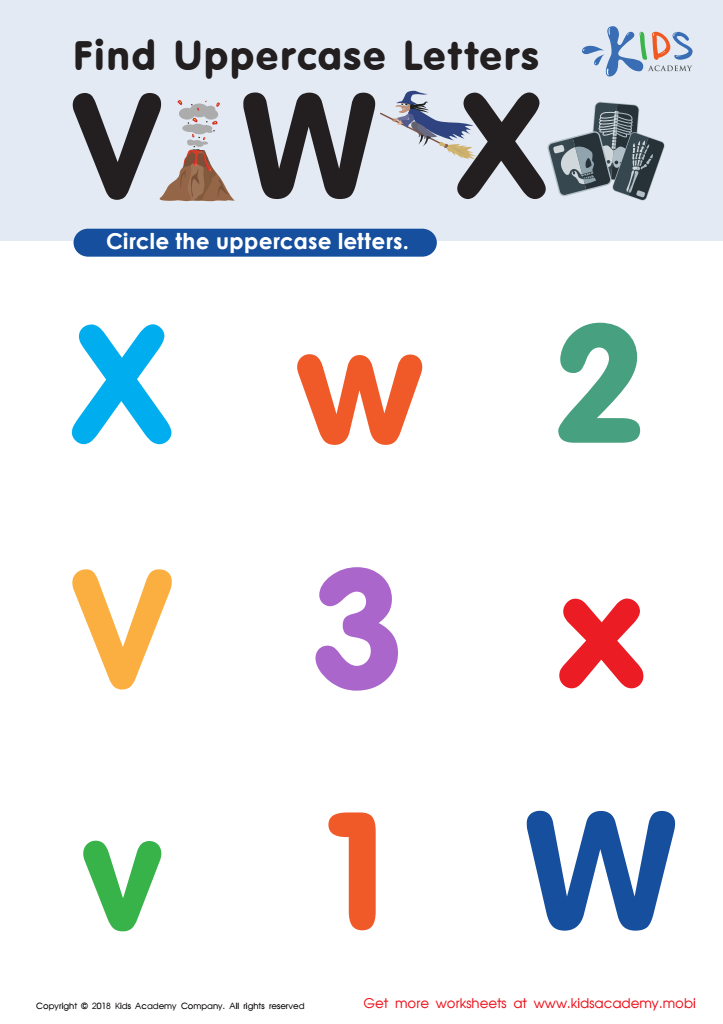
Find Uppercase Letters V, W, X Worksheet
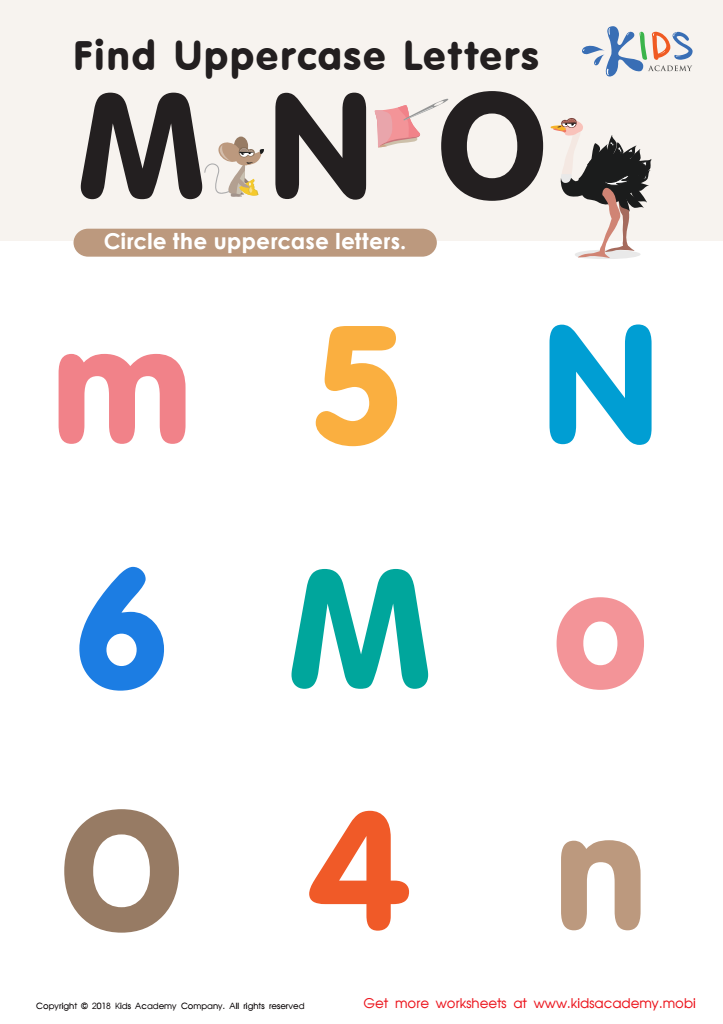
Find Uppercase Letters M, N, and O Worksheet






Parents and teachers should care deeply about uppercase identification and the normalization of uppercase and lowercase letters for children aged 6-9 because these years are critical for literacy development. Understanding the difference between uppercase and lowercase letters is foundational for reading and writing fluency. When children recognize both forms of a letter, they can more accurately decode words, which aids in reading comprehension. This skill also enhances their ability to spell correctly, as English orthography often involves varying cases.
Consistent practice with both uppercase and lowercase letters builds confidence in young readers and writers. It ensures they can identify and use letters correctly in various contexts, such as at the beginning of sentences and proper nouns. Additionally, mixing cases inappropriately can hamper reading flow and meaning, causing confusion and hindering progress.
For young students, scaffolding their understanding with engaging activities such as matching games, flashcards, and writing exercises can make this process enjoyable and effective. Moreover, a strong grasp of letter cases prepares children for more advanced communication skills in the future, reinforcing their academic development. By encouraging mastery of both cases early on, parents and teachers set a solid foundation for lifelong literacy and learning success.







