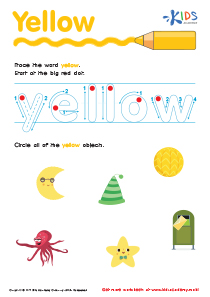
Letter Tracing Normal English for Beginners Worksheets for Ages 6-9
4 filtered results
-
From - To
Welcome to our Letter Tracing Normal English worksheets designed for beginners aged 6-9! These engaging worksheets help young learners develop essential handwriting skills while familiarizing themselves with the English alphabet. Our carefully crafted activities encourage proper letter formation and improve fine motor skills, making learning fun and effective. Perfect for preschool and early elementary students, these resources are ideal for reinforcing letter recognition and phonetic sounds. Each worksheet features colorful visuals and interactive elements that captivate young minds, ensuring a joyful learning experience. Start your child's journey to writing confidence with our comprehensive and user-friendly letter tracing worksheets today!
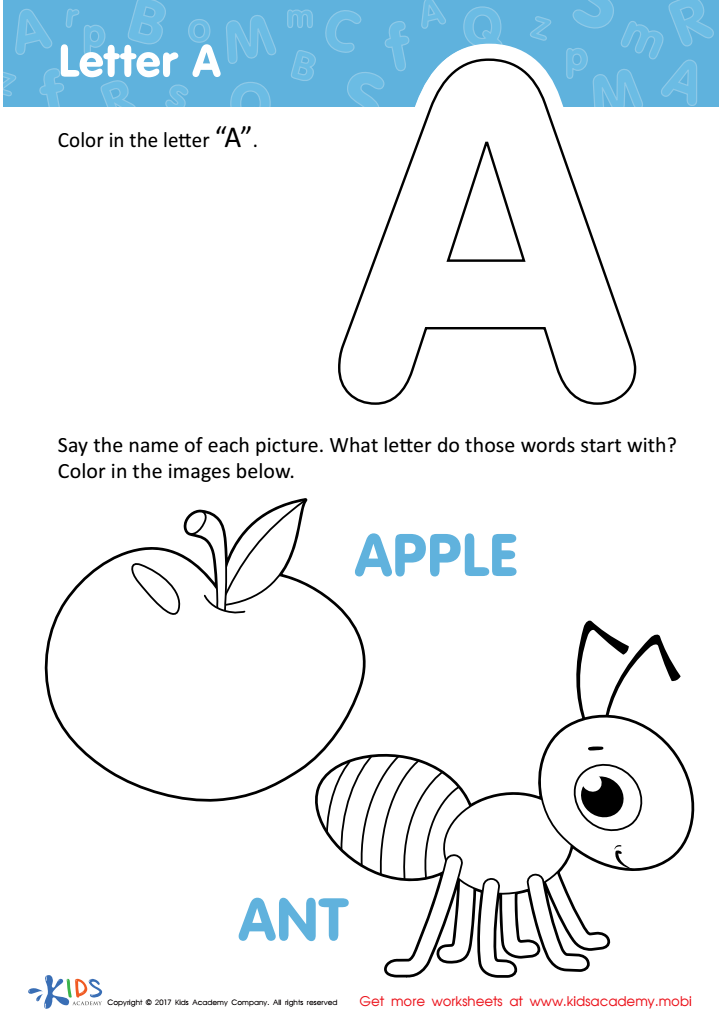
Letter A Coloring Sheet
 Assign to My Students
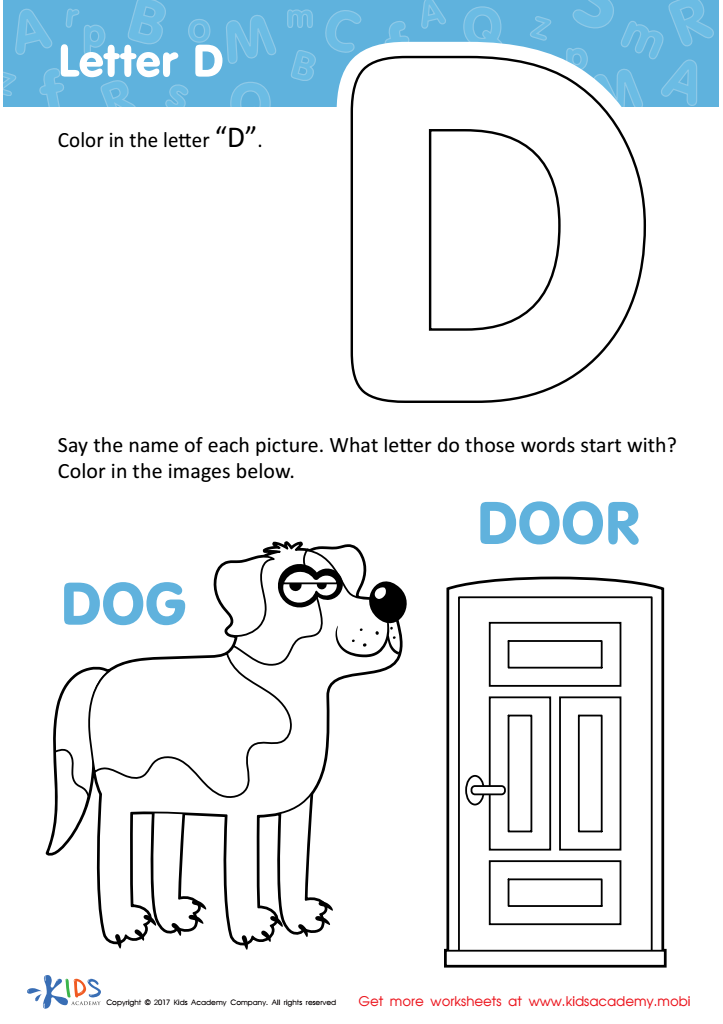
Letter D Coloring Sheet
Assign to My Students
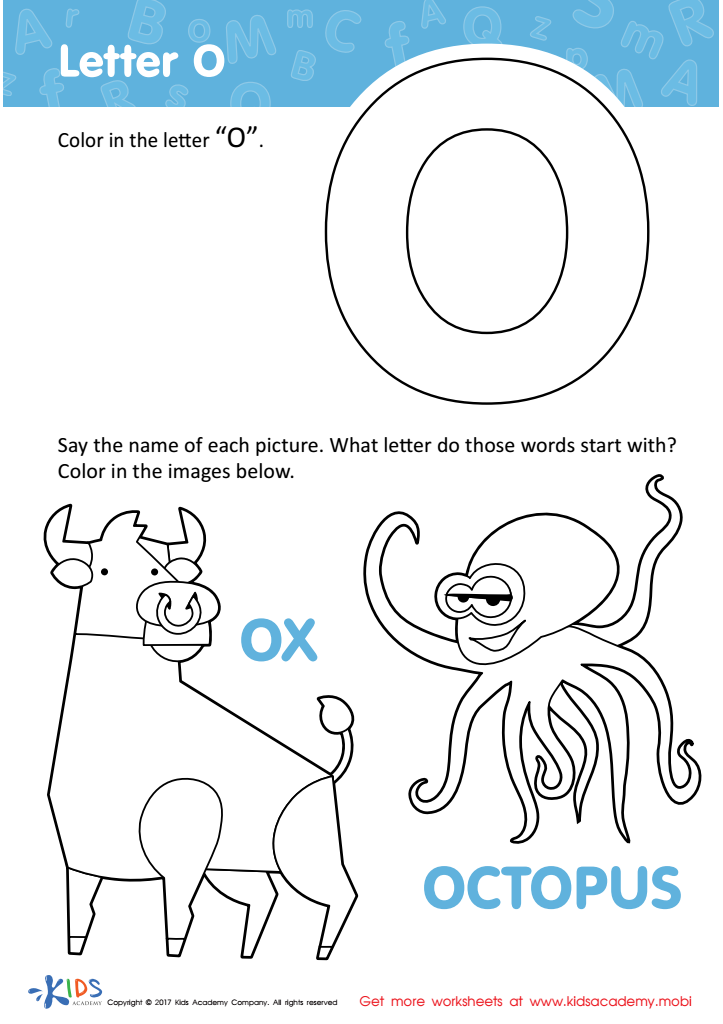
Letter O Coloring Sheet
Assign to My Students
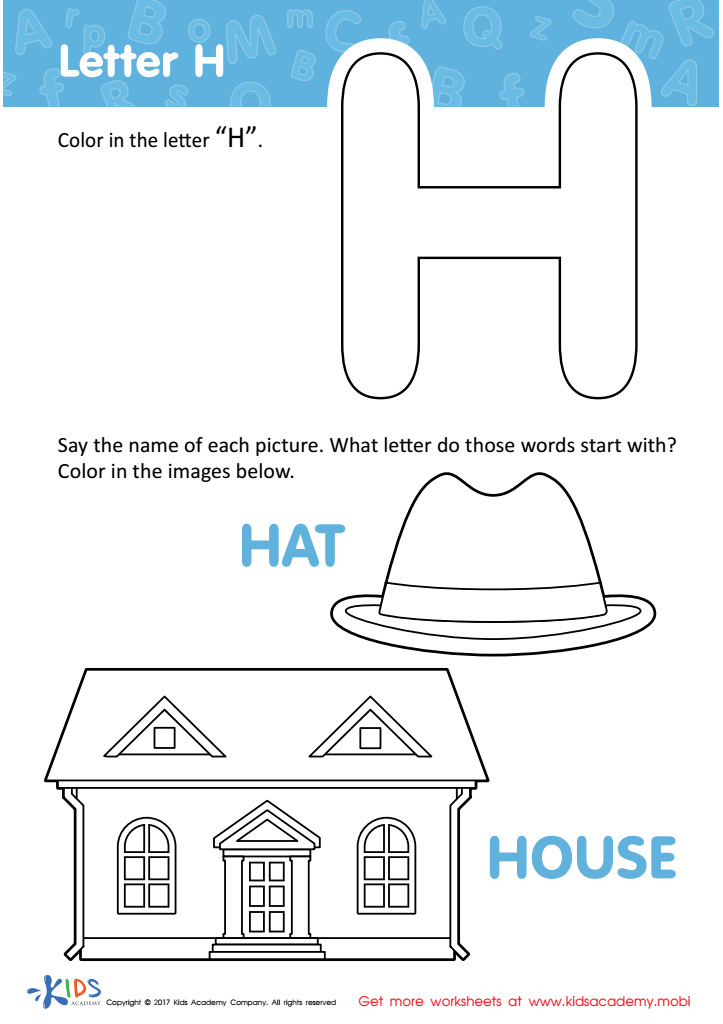
Letter H Coloring Sheet
Assign to My Students




Letter tracing is a crucial foundational skill for beginners aged 6-9, and there are several reasons why parents and teachers should prioritize it. Firstly, letter tracing improves fine motor skills, which are essential for writing. As children trace letters, they enhance their hand-eye coordination and muscle memory, making handwriting more efficient and legible.
Additionally, letter tracing reinforces letter recognition, helping children distinguish between different letters and understand their shapes. This solid foundation is vital for more advanced reading and writing abilities. By engaging in tracing activities, children not only learn letters but associate them with sounds, thereby improving phonemic awareness—a key aspect of literacy development.
Another important consideration is that tracing activities can be fun and engaging, allowing for creative expression. Parents and teachers can incorporate a variety of themes and formats, making learning enjoyable and motivating for children.
Moreover, tracing can foster independence and confidence in young learners. As they see their progress daily, it boosts their self-esteem and enthusiasm for further learning.
In summary, letter tracing is a simple yet effective tool that supports hand coordination, literacy, and confidence in young learners, making it an essential focus for parents and teachers alike.