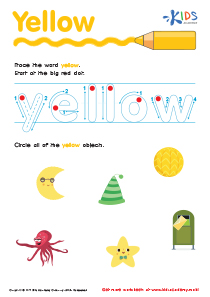
Motor skills development Normal English for Beginners Worksheets for Ages 6-9
3 filtered results
-
From - To
Enhance your child’s motor skills with our engaging worksheets designed for beginners ages 6-9. These worksheets focus on developing fine motor skills through fun activities like tracing, drawing, and writing. Perfect for children learning English as a second language, our worksheets support both language acquisition and physical development. Each worksheet is thoughtfully crafted to offer a balance of educational content and enjoyable practice. Ensure your child builds a strong foundation in motor skills while also improving their English proficiency. Discover the perfect blend of learning and play with our Motor Skills Development worksheets today!
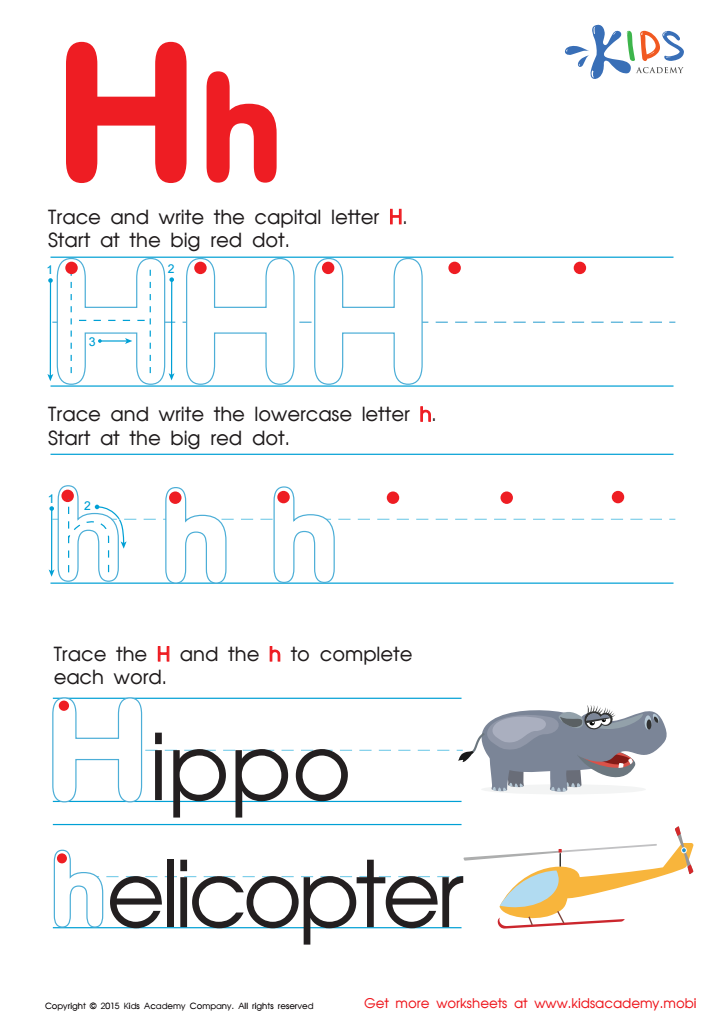
Letter H Tracing Page
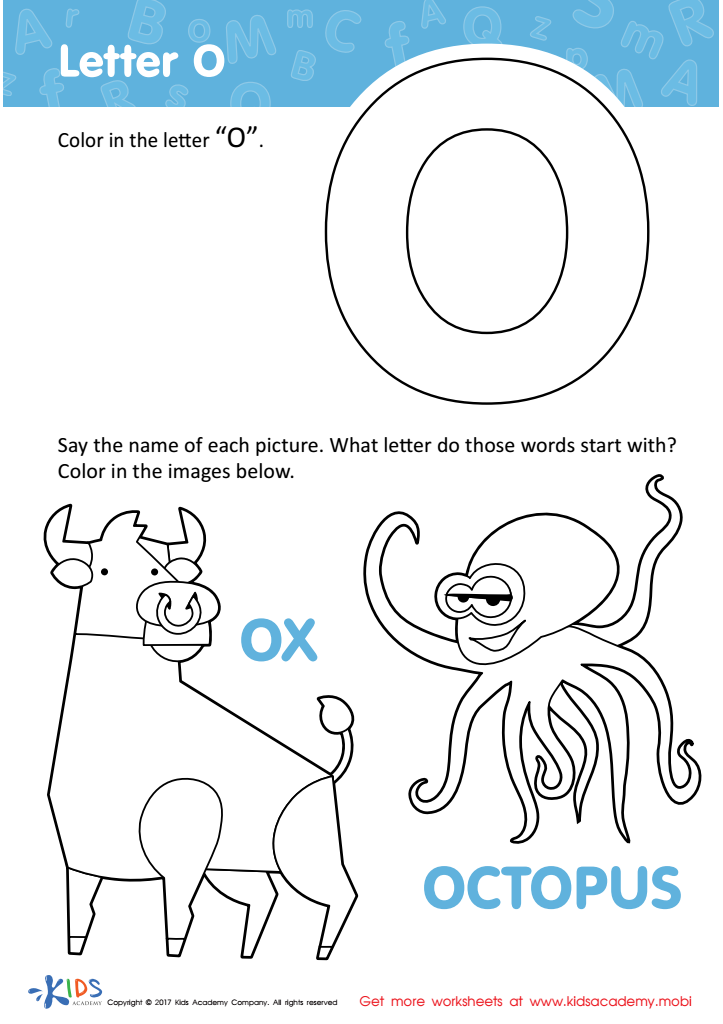
Letter O Coloring Sheet
 Assign to My Students
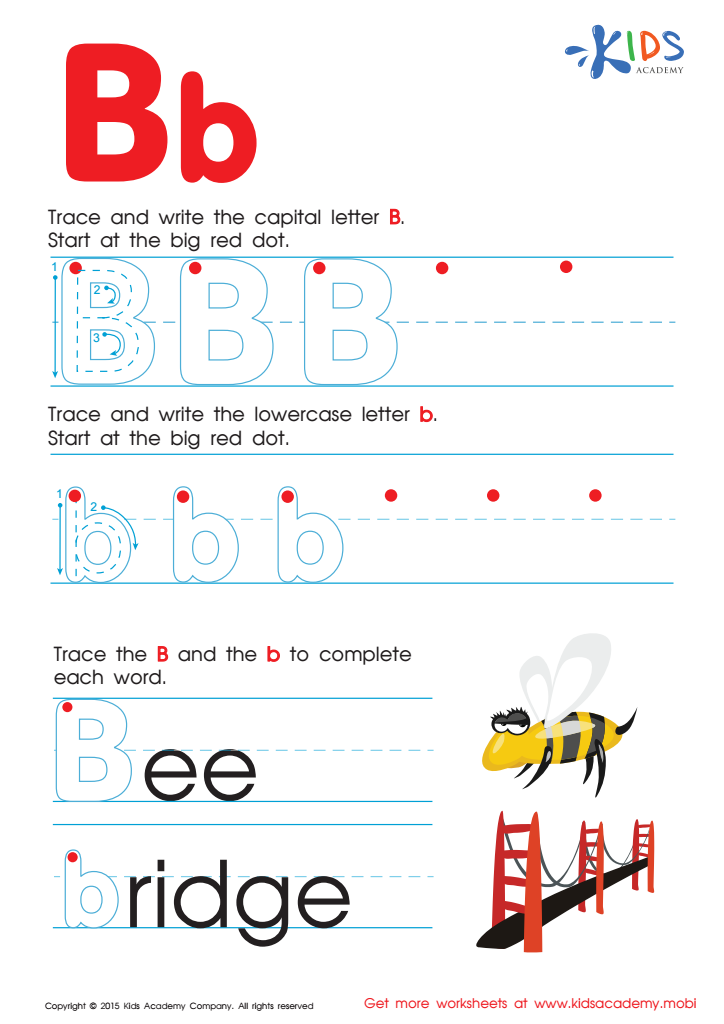
Letter B Tracing Page




Motor skills development is very important for children aged 6-9. These skills help them move and carry out everyday tasks. There are two main types of motor skills: fine motor skills and gross motor skills. Fine motor skills involve using the small muscles in the hands and fingers, like writing, drawing, or buttoning a shirt. Gross motor skills involve larger muscles, used for running, jumping, and climbing.
When children develop good motor skills, they progress well in school and everyday life. Fine motor skills help them hold pencils properly, write letters, and complete art projects. Gross motor skills allow children to play safely, join sports, and build stronger bodies. Playing games, drawing, and sports not only make their muscles better but also boost their brain power, attention, and understanding.
Parents and teachers should encourage activities that foster these skills. Simple tasks like puzzles, crafts, or silly outdoor games can greatly improve their abilities. This development builds confidence and independence, making learning and social activities easier.
In summary, good motor skills help children do better in school, stay active, and grow confident. Parents and teachers play a key role in guiding this important part of growth by making everyday activities fun and engaging.