Addition skills Normal Place Value Worksheets for Ages 6-9
5 filtered results
-
From - To
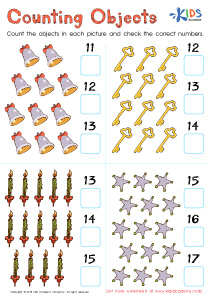
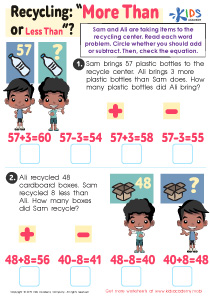
Enhance your child's mathematical abilities with our "Addition Skills Normal Place Value Worksheets for Ages 6-9". Perfectly tailored for young learners, these engaging worksheets provide a strong foundation in understanding place value and mastering addition. Through a series of fun and interactive exercises, children will gain confidence and competence in adding numbers while grasping key concepts. Ideal for first through third graders, these worksheets are designed to build proficiency, encourage problem-solving, and prepare your child for more advanced math challenges. Download now to make math learning enjoyable and effective for your young scholar!
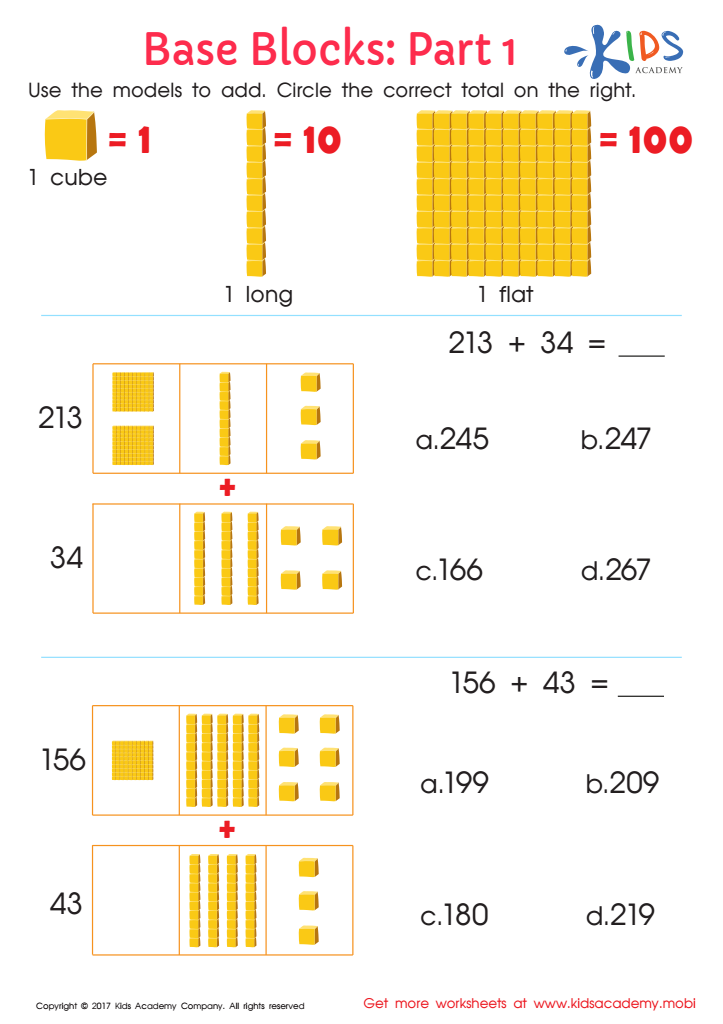
Base Ten Blocks Worksheet: Part 1
 Assign to My Students
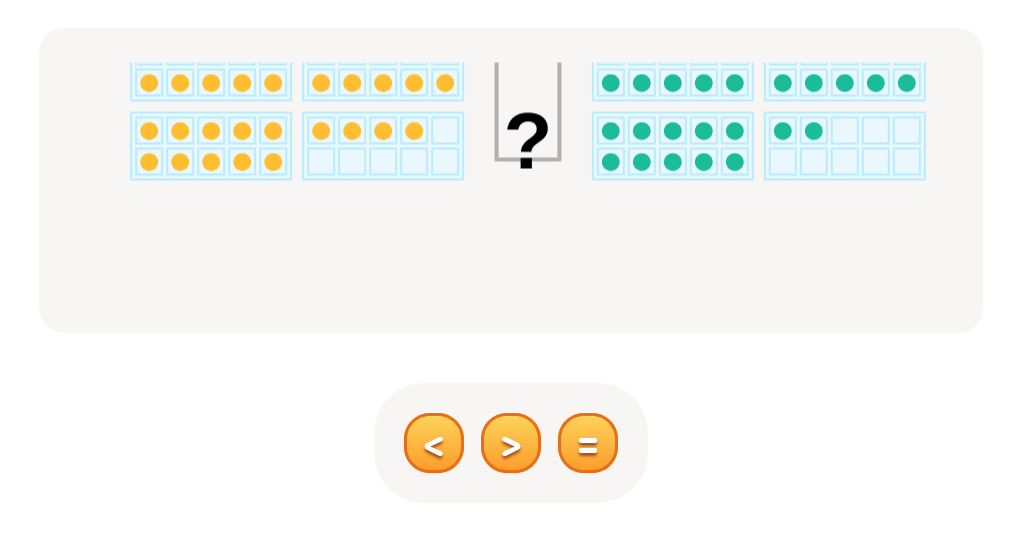


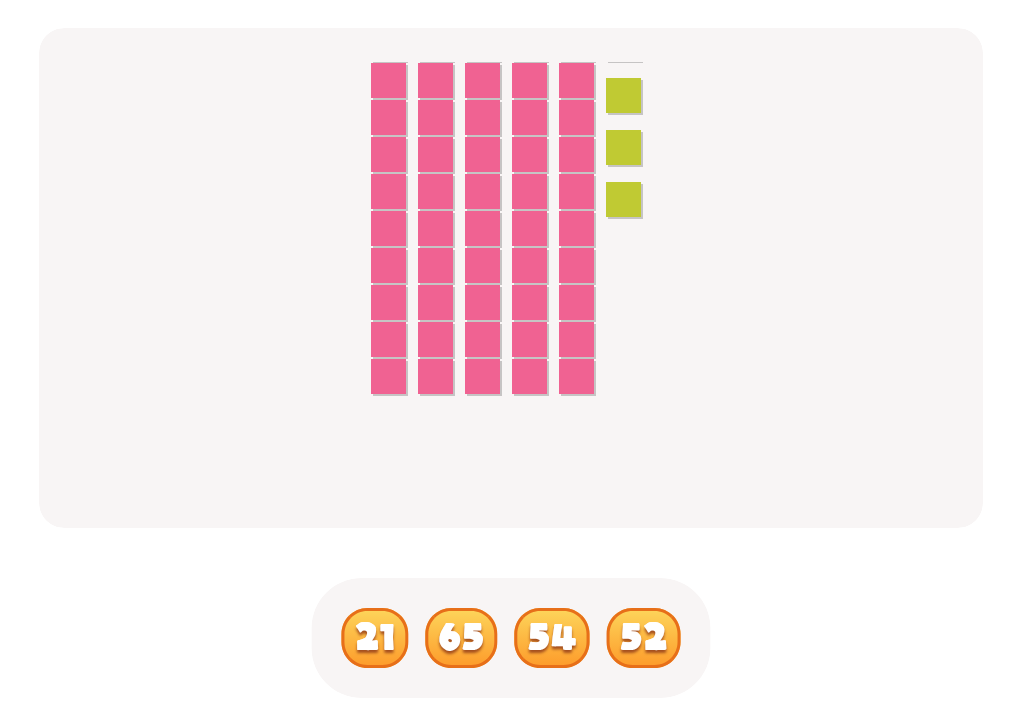
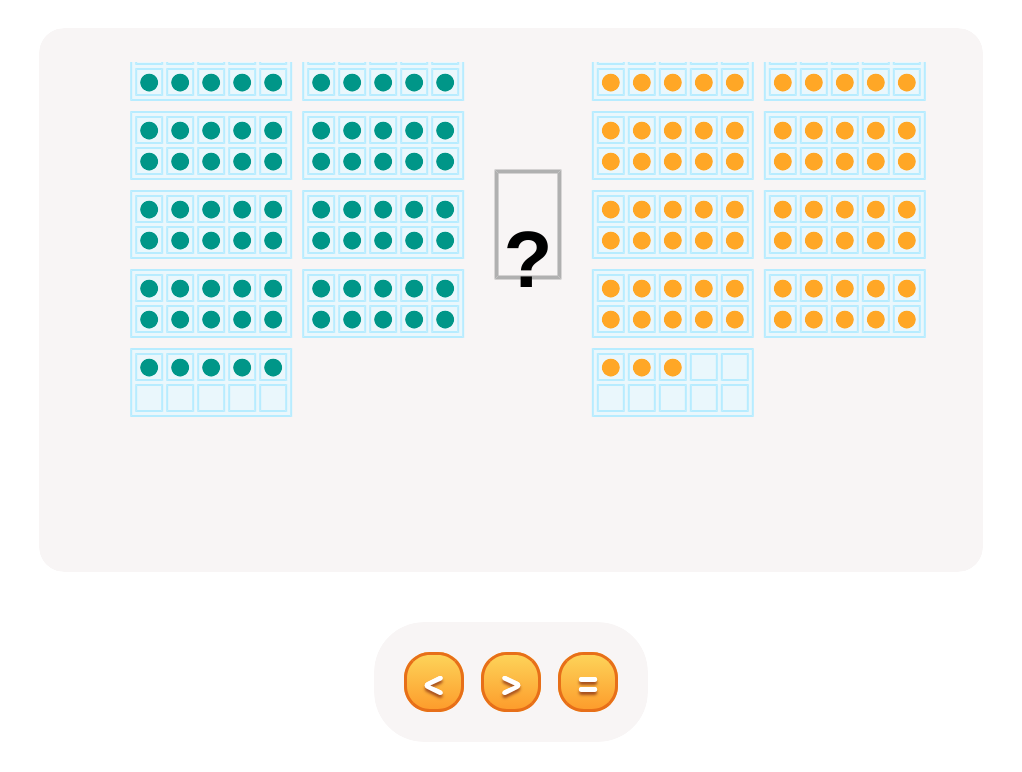
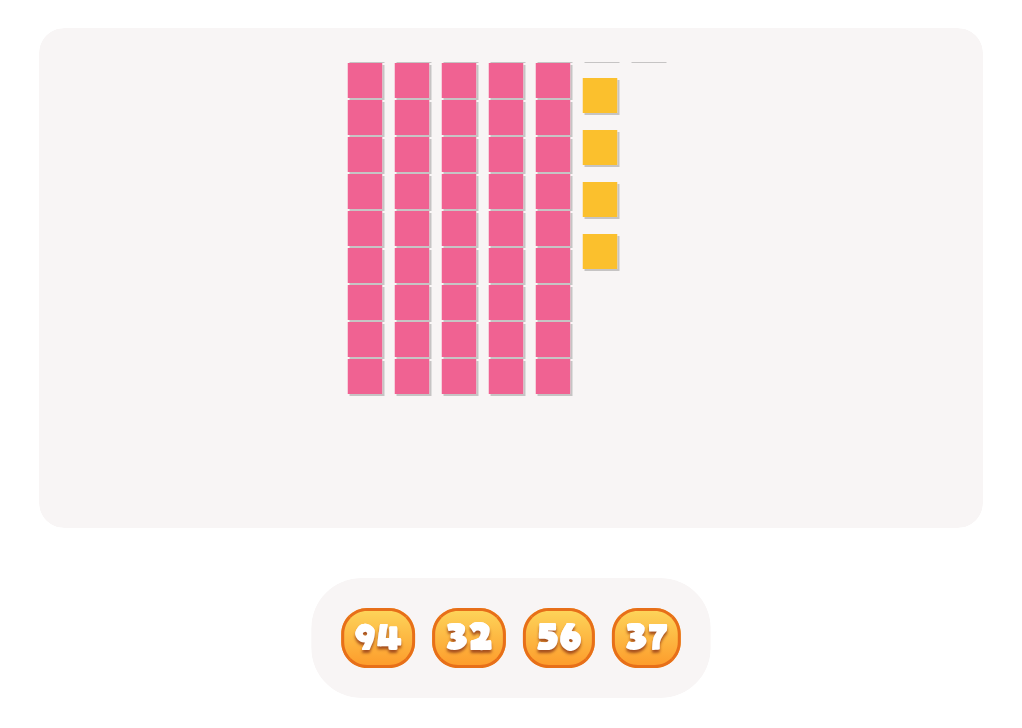
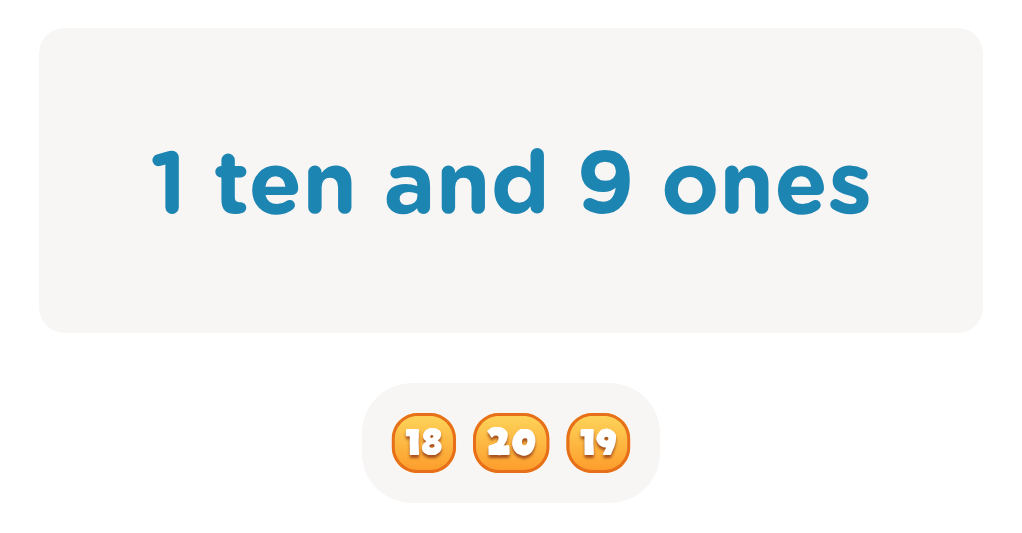
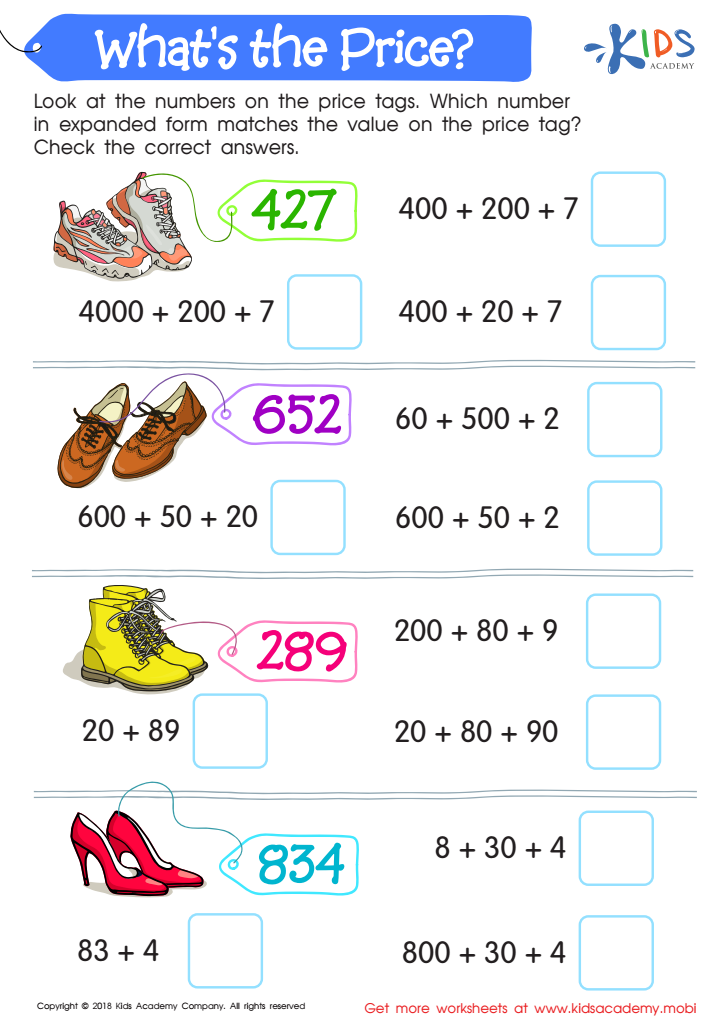
What's the Price? Worksheet
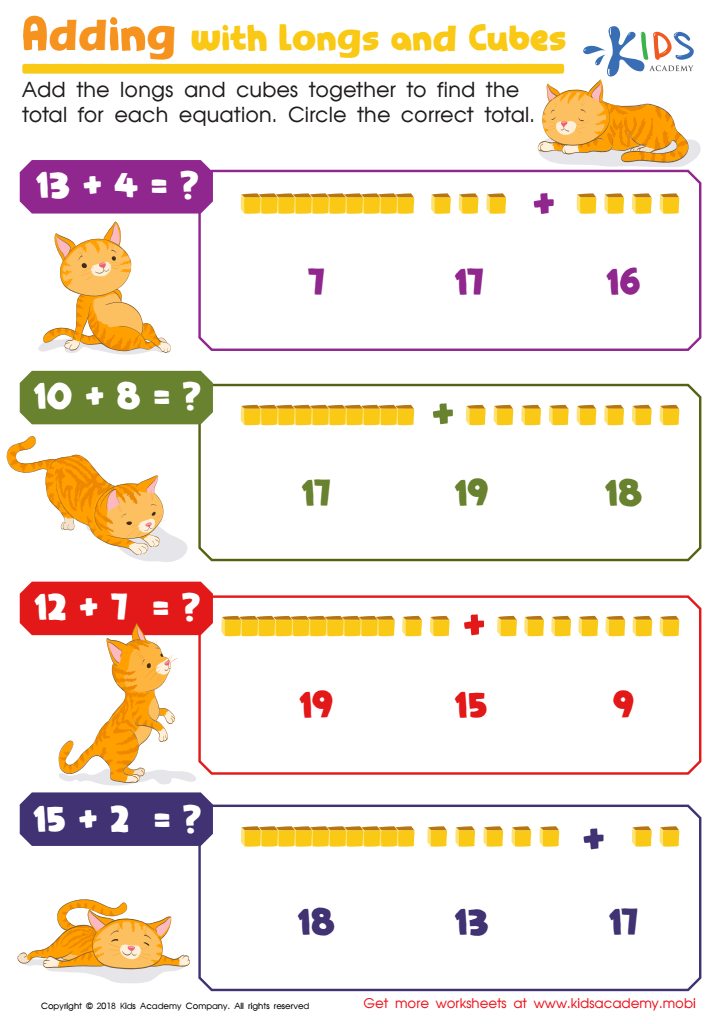
Adding With Longs and Cubes Worksheet
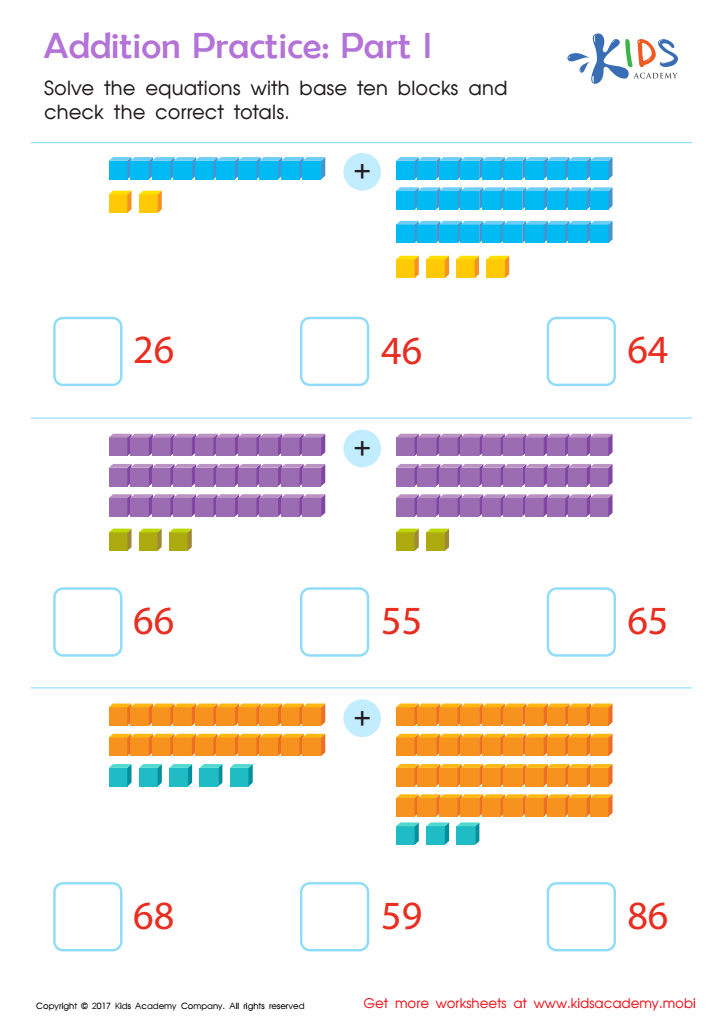
Addition Practice Sheet: Part 1
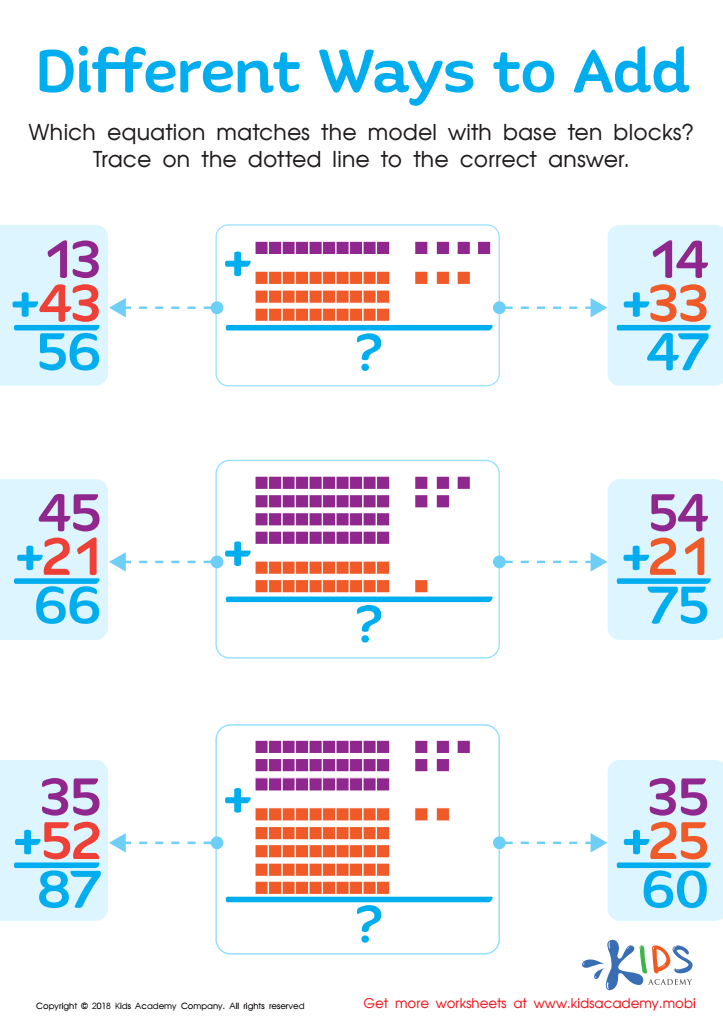
Different Ways to Add Worksheet








Parents and teachers should care about addition skills and normal place value for children ages 6-9 because these are foundational to their overall mathematical development and future academic success. At this formative age, children are just beginning to grasp basic arithmetic that forms the cornerstone of more complex mathematical concepts they'll encounter later. Mastering addition and understanding place value help young learners develop number sense, which is crucial for tackling operations such as subtraction, multiplication, and division.
Addition skills teach children how to combine quantities, an essential everyday skill, while place value helps them understand the significance of numbers' positions. For example, knowing that in the number 123, '1' represents one hundred, '2' represents twenty, and '3' represents three, makes it easier to understand large numbers and perform accurate calculations. These skills also boost a child's confidence, fostering a positive attitude towards mathematics.
Additionally, strong groundwork in these areas aids in developing critical thinking, problem-solving abilities, and logical reasoning. Without a solid grasp of place value and addition, children may struggle with math in the future, impacting their performance in school and reducing their interest in STEM (Science, Technology, Engineering, Mathematics) fields. Therefore, nurturing these skills early sets the stage for a lifetime of numeracy confidence and competence.