
Enhancing vocabulary Normal Building Vocabulary Worksheets for Ages 6-9
3 filtered results
Difficulty Level
Grade
Age
-
From - To
Subject
Activity
Standards
Enhancing vocabulary is essential for young learners aged 6-9, as it lays the groundwork for reading comprehension and effective communication. Our "Building Vocabulary Worksheets" are designed specifically for this age group, offering engaging activities that promote word recognition and usage in context. With a range of fun exercises, children will explore synonyms, antonyms, and contextual meanings that boost their linguistic skills. Whether at home or in the classroom, these worksheets inspire creativity and foster a lifelong love for language. Empower your child's educational journey and watch their vocabulary flourish with our expertly crafted resources!
Favorites
With answer key
Interactive
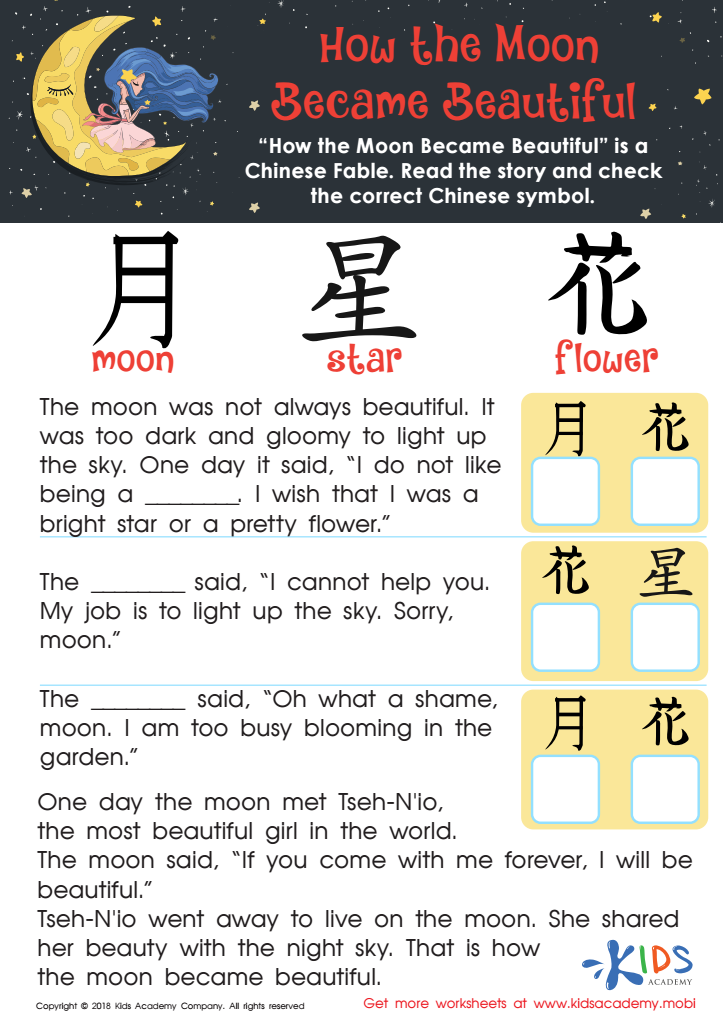
How the Moon Became Beautiful Worksheet
Fables are a great way for kids to learn! This Chinese fable about the moon's beauty is educational and entertaining. The PDF worksheet provides the English translations and symbols associated with the story. Kids can fill in the blanks with the correct symbols and have fun learning a new language!
 Assign to My Students
How the Moon Became Beautiful Worksheet
Worksheet











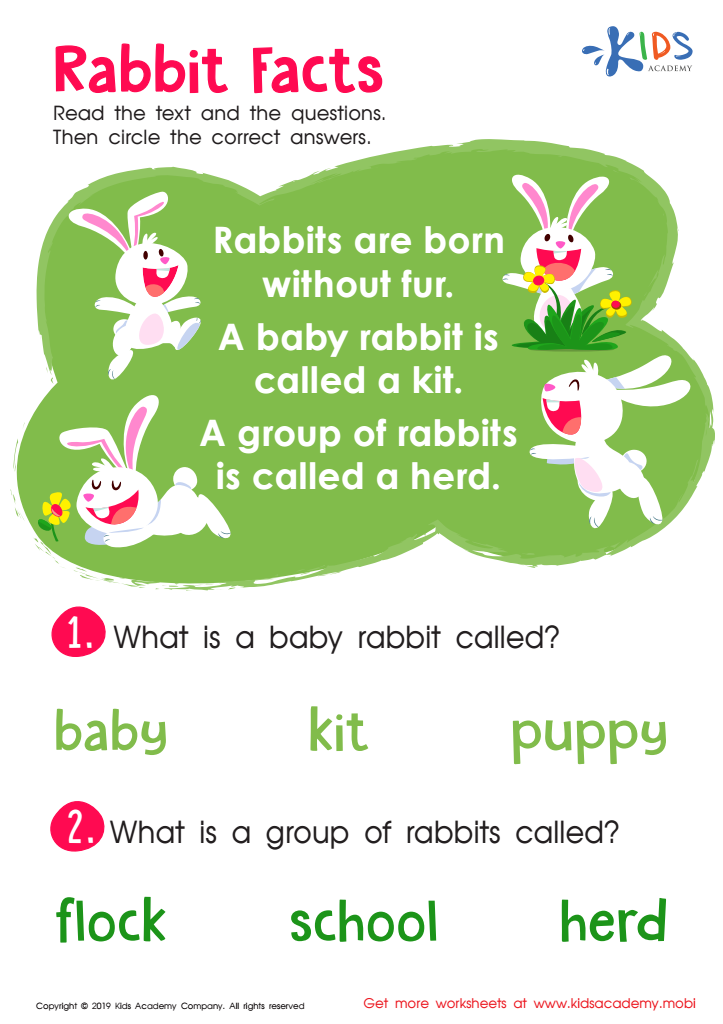
Rabbit Facts Worksheet
Reading comprehension skills can be strengthened with this fun PDF about fluffy rabbits. It helps kids recall and retell details from the text while engaging them in the topic. This encourages success in reading comprehension.
Rabbit Facts Worksheet
Worksheet
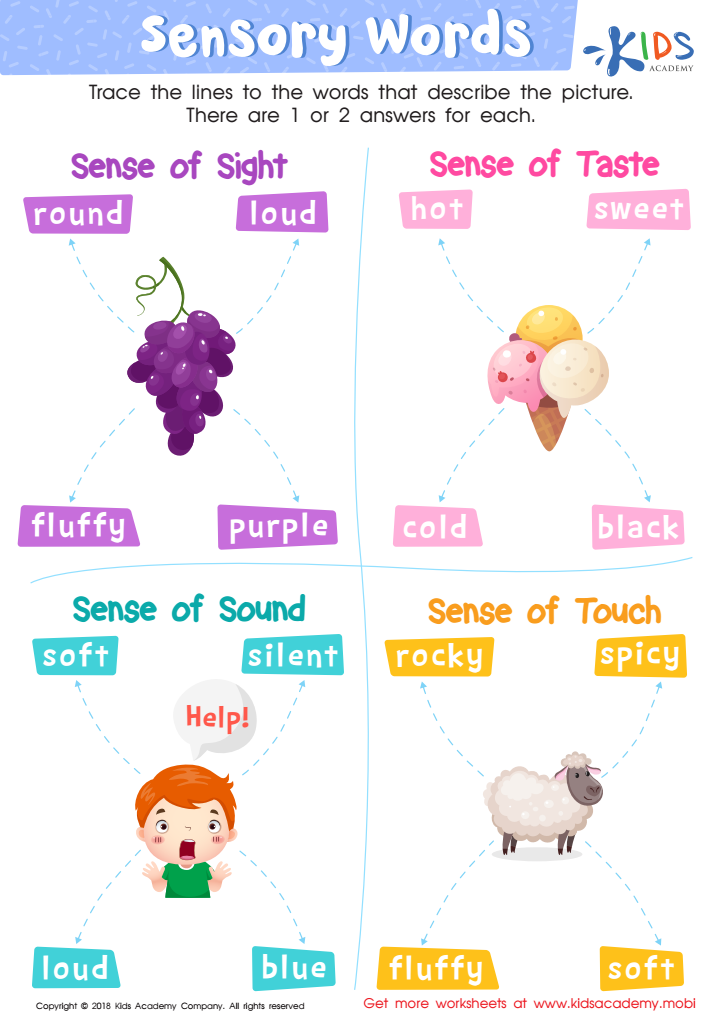
Sensory Words Worksheet
This worksheet helps students explore sensory words by looking at pictures and selecting one or two words to describe how it looks, feels, tastes, smells or sounds. Adding sensory words to texts makes them more interesting and helps students comprehend stories and articles better.
Sensory Words Worksheet
Worksheet
Join Kids Academy for Free
Who is primarily going to use this learning content?




.jpg)

.jpg)

Enhancing vocabulary for children aged 6-9 is crucial for their overall development and academic success. At this age, children engage in more complex reading and develop critical thinking skills essential for understanding concepts across subjects. A robust vocabulary enables them to express their thoughts clearly, ask questions, and communicate effectively, thus fostering confidence in social interactions and learning environments.
Parents and teachers should care about vocabulary building because it directly influences a child's literacy skills. Research shows that a strong vocabulary correlates with better reading comprehension, writing ability, and performance in standardized tests. Moreover, children with a rich vocabulary are better equipped to navigate diverse situations, including problem-solving and creative thinking, essential for lifelong learning.
Furthermore, exposure to varied vocabulary enhances emotional intelligence, allowing children to articulate their feelings and thoughts better, ultimately building healthier peer relationships. Viewing vocabulary growth as a continuous journey rather than a one-time effort can cultivate curiosity and a love for learning. By prioritizing vocabulary enrichment activities—through reading, discussions, and engaging games—adults can equip children with the tools they need to thrive academically and socially. Investing in their vocabulary today yields significant returns in their future endeavors.








