Logical Reasoning Normal Building Vocabulary Worksheets for Ages 6-9
3 filtered results
-
From - To
Enhance your child's vocabulary and logical reasoning skills with our engaging worksheets designed for ages 6-9. Perfect for early learners, these printable resources combine fun activities that promote critical thinking while building essential vocabulary. Each worksheet includes age-appropriate challenges that stimulate mental agility, ensuring kids improve their word comprehension and usage in a delightful way. From puzzles to matching exercises, our worksheets cater to various learning styles, making it an enjoyable experience for young minds. Invest in your child's future today—help them develop confidence in language and logic with our carefully crafted logical reasoning worksheets!
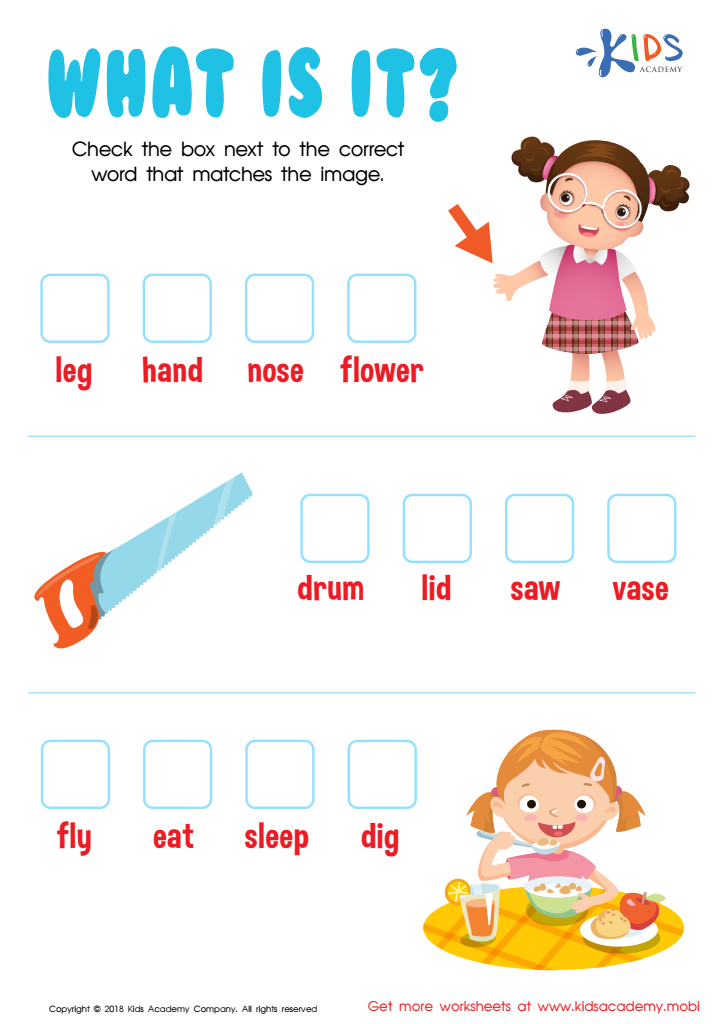
What Is It? Worksheet
 Assign to My Students











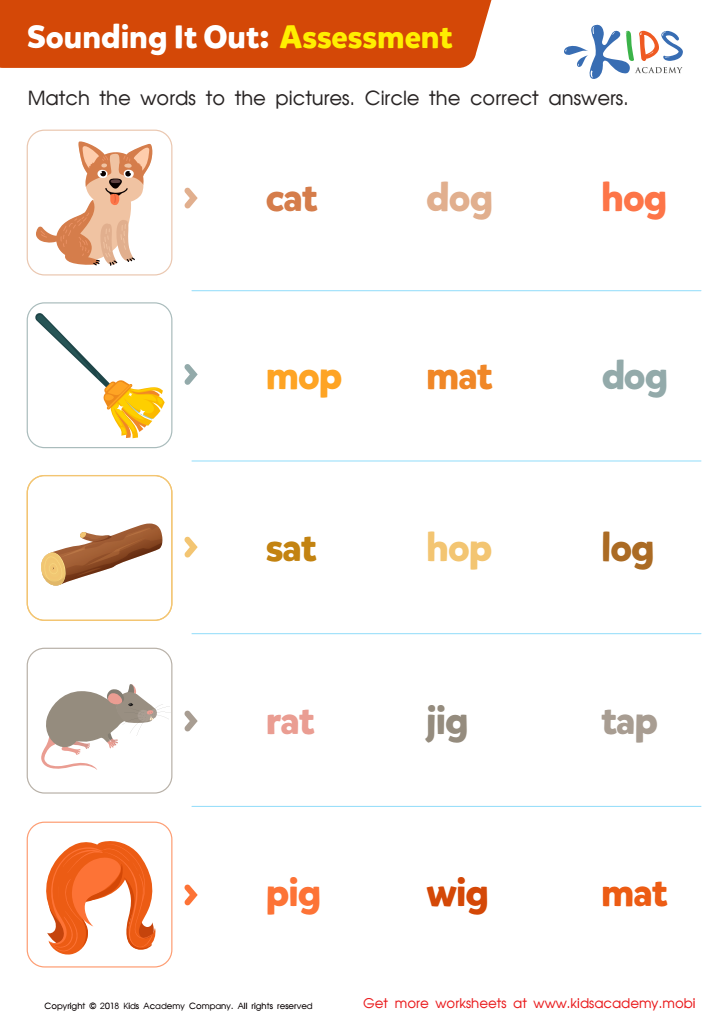
Sounding it Out: Assessment Worksheet
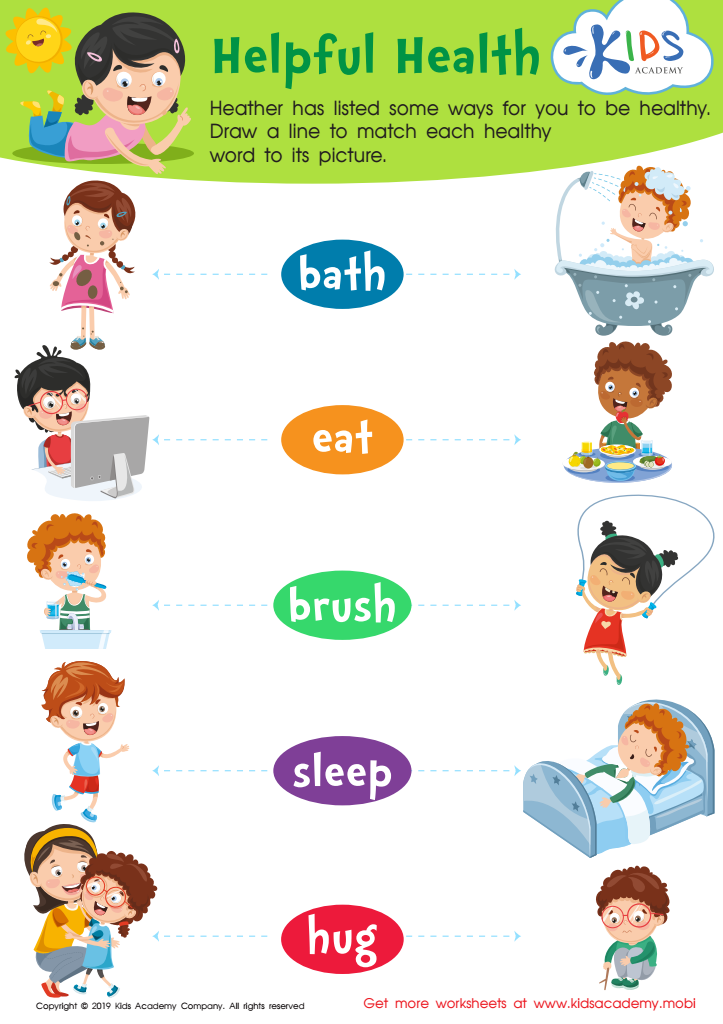
Helpful Health Worksheet







.jpg)
Parents and teachers should prioritize Logical Reasoning and Vocabulary Building for children ages 6-9 because these skills are foundational for academic success and critical thinking. At this stage, children are developing essential cognitive abilities that will impact their learning throughout their lives. Logical reasoning helps children classify information, identify patterns, and solve problems efficiently. This skill encourages them to think critically and make connections between different concepts, which is essential as they encounter increasingly complex subjects in school.
Moreover, a rich vocabulary enhances communication skills, supports reading comprehension, and aids in expressing thoughts clearly. Understanding new words allows children to engage more deeply with texts and participate confidently in discussions, fostering a love for learning. Building vocabulary alongside logical reasoning creates a synergy that not only boosts academic achievement but also empowers children to express their ideas and opinions.
Additionally, these skills contribute to social development, as children learn to articulate concepts and reason through their interactions with peers. Inculcating logical reasoning and vocabulary building in this age group promotes lifelong learning habits, equipping children with the tools necessary to navigate an increasingly complex world. Therefore, fostering these skills should be a top priority for adults in the educational development of young learners.








