Phonics Skills Normal Building Vocabulary Worksheets for Ages 6-9
5 filtered results
-
From - To
Enhance your child’s literacy journey with our Phonics Skills Normal Building Vocabulary Worksheets, specially designed for ages 6-9. These engaging worksheets focus on crucial phonics skills, helping young learners decode words and strengthen their vocabulary. Each activity promotes phonemic awareness through fun exercises, ensuring children develop a solid foundation in reading. Our user-friendly resources include matching exercises, word puzzles, and context-based practice, making learning exciting and effective. Ideal for both classroom and home settings, these worksheets are perfect for supporting emerging readers. Give your child the tools they need to succeed in reading with confidence and fluency! Download now!

Long /u/ Words Worksheet
 Assign to My Students











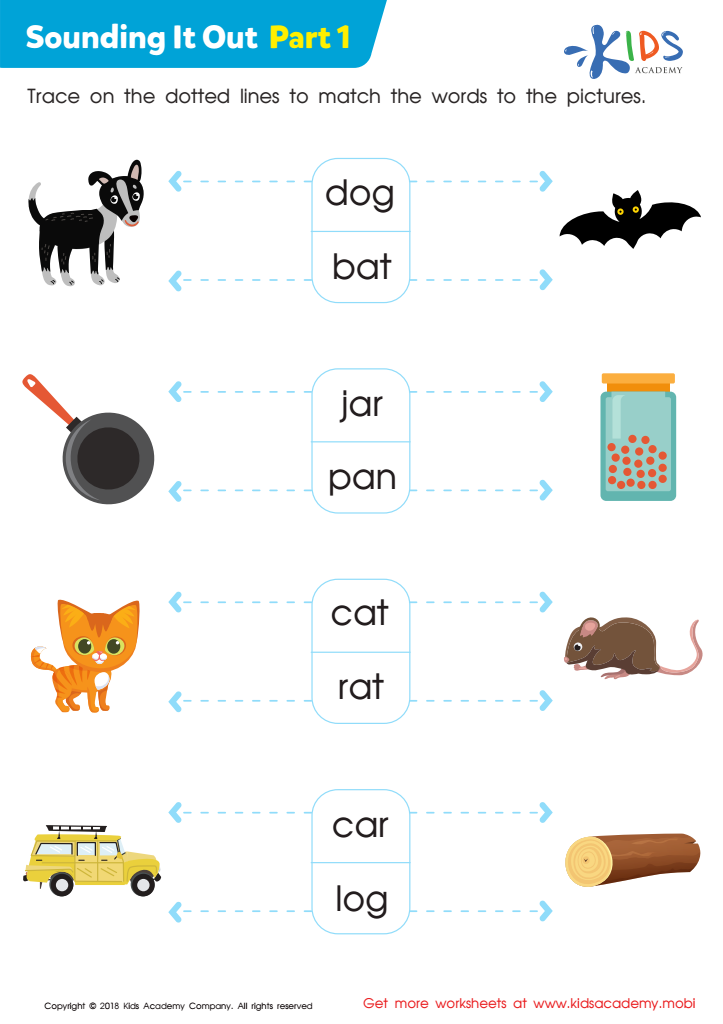
Sounding it Out: Part 1 Worksheet
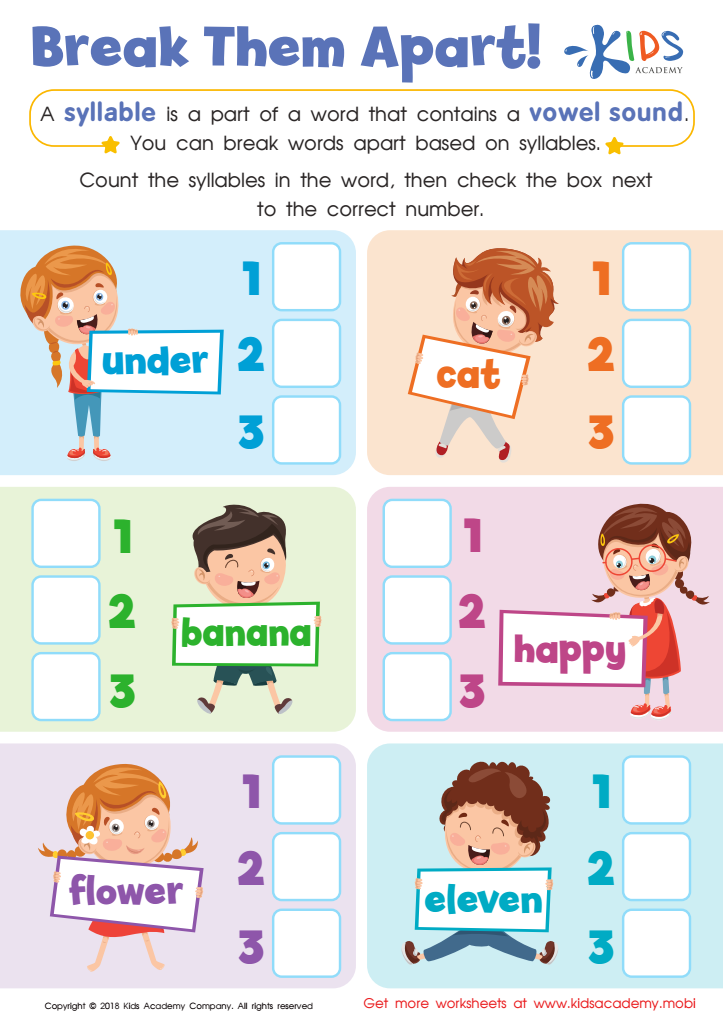
Reading: Break Them Apart Worksheet
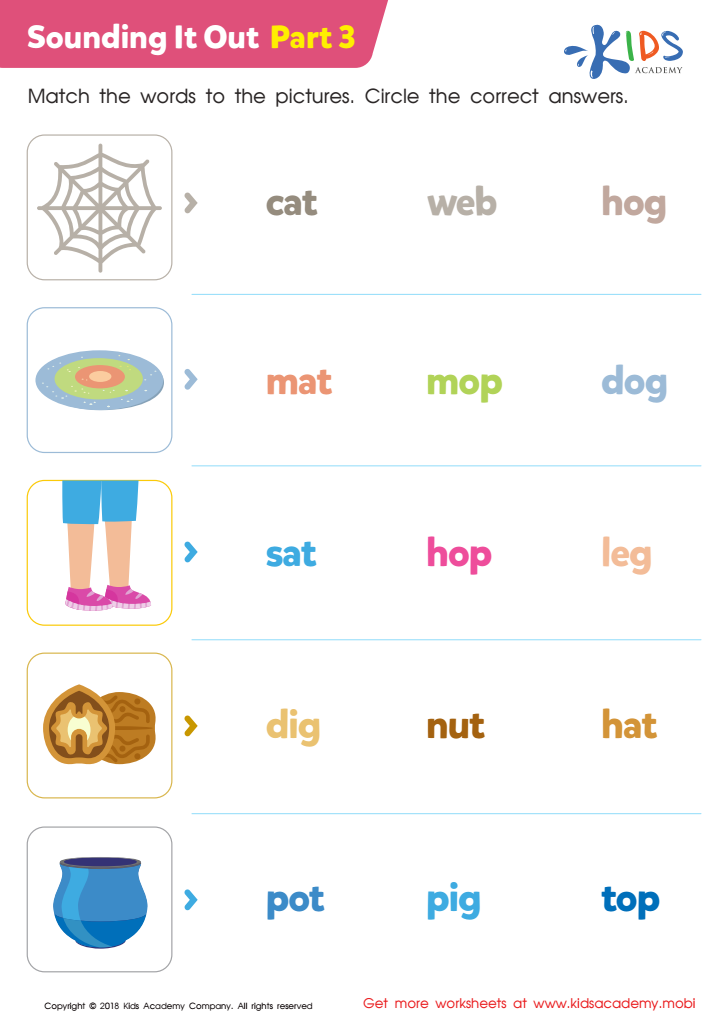
Sounding it Out: Part 3 Worksheet
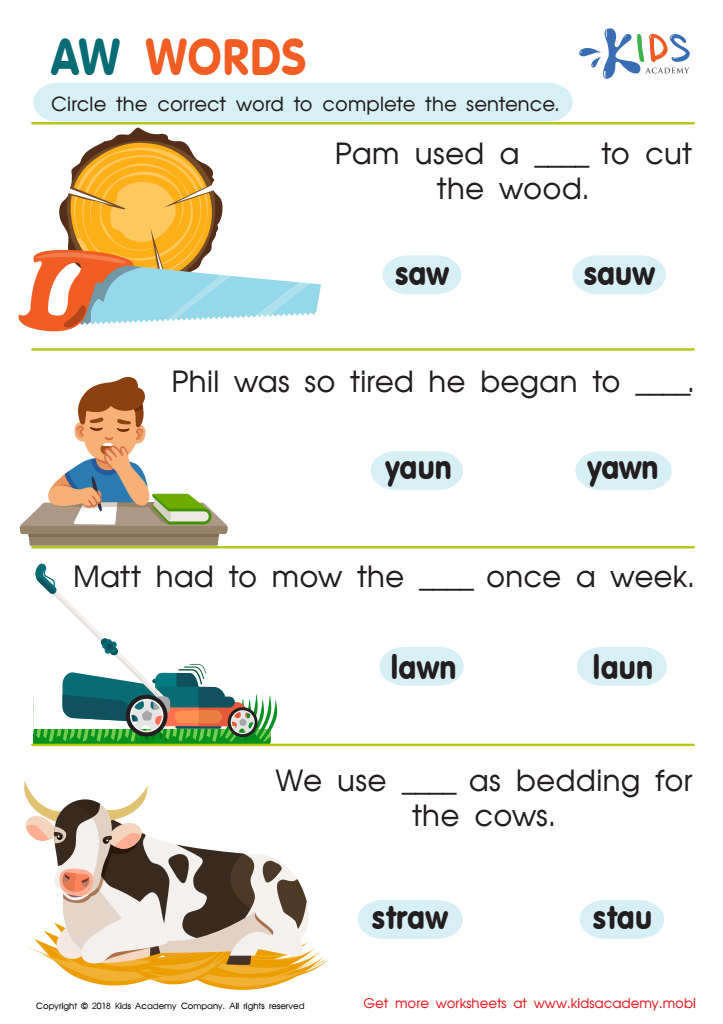
Reading: AW Words Worksheet







.jpg)
Phonics skills are crucial for children aged 6-9 as they serve as the foundation for reading and writing. Developing strong phonics skills enables children to decode words, making it easier for them to recognize and understand vocabulary. This age group is a critical period where children transition from learning to read to reading to learn, which significantly impacts their academic success.
By focusing on phonics, teachers and parents help children build a robust vocabulary. As children learn to sound out words, they can access a broader range of texts, empowering them to explore different subjects and ideas. A richer vocabulary correlates with improved reading comprehension, writing skills, and overall literacy development.
Moreover, phonics instruction also boosts children's confidence. As they become more proficient readers, they are more likely to engage in reading activities, fostering a love for books. This early positive reading experience can establish lifelong habits, such as enjoying reading and continuous learning.
In summary, prioritizing phonics skills in children aged 6-9 not only enhances their vocabulary and reading proficiency but also sets the stage for future academic achievements and a lifelong appreciation for learning. Parents and teachers play a vital role in facilitating this essential skill development.








