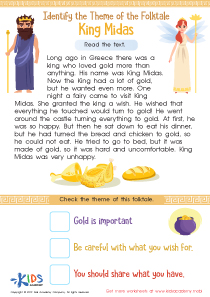
Analytical thinking Normal Reading Worksheets for Ages 6-9
8 filtered results
Difficulty Level
Grade
Age
-
From - To
Subject
Activity
Standards
Unlock the power of analytical thinking with our engaging Normal Reading Worksheets designed for children ages 6-9. These worksheets promote critical thinking skills while fostering a love for reading. Children will explore various reading passages, answering questions that encourage deeper comprehension and analysis. Perfect for enhancing vocabulary and comprehension, our thoughtfully crafted activities challenge young learners to make connections, infer meaning, and draw conclusions. With colorful illustrations and age-appropriate content, these worksheets make learning fun! Ideal for both classroom and at-home use, they support educators and parents in developing essential cognitive skills that lay the foundation for lifelong learning.
Favorites
With answer key
Interactive
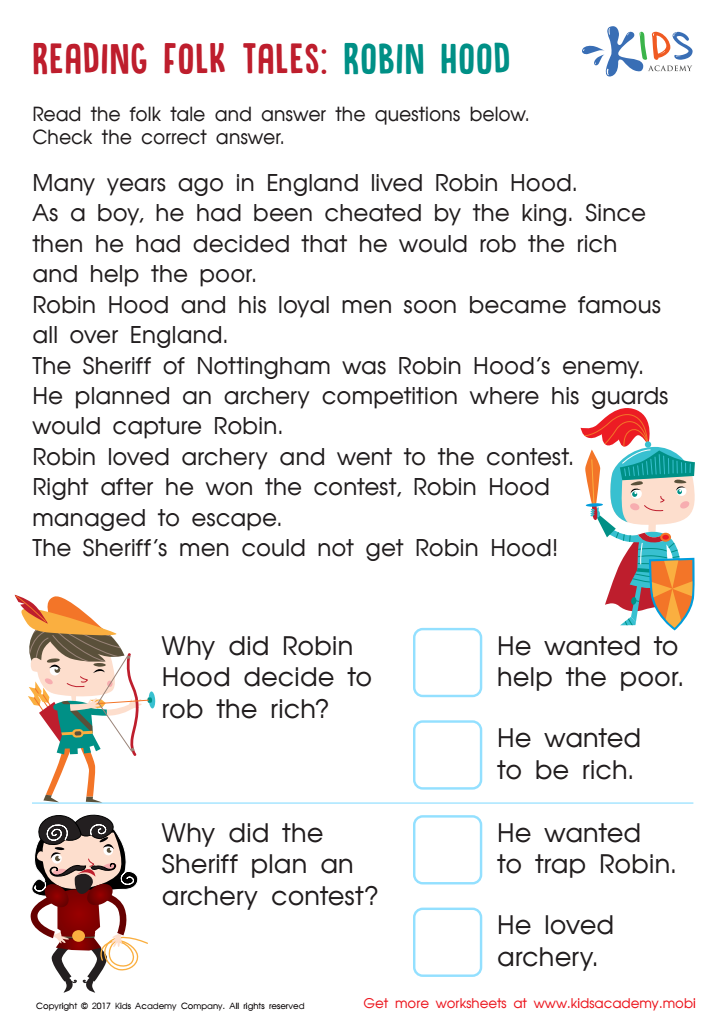
Robin Hood Folktale Worksheet
Have your child practice reading comprehension and inferencing with this Robin Hood folktale worksheet! Get them to read between the lines to find character motivation and answer important questions about the passage. It's a fun way to test their reading skills!
 Assign to My Students
Robin Hood Folktale Worksheet
Worksheet
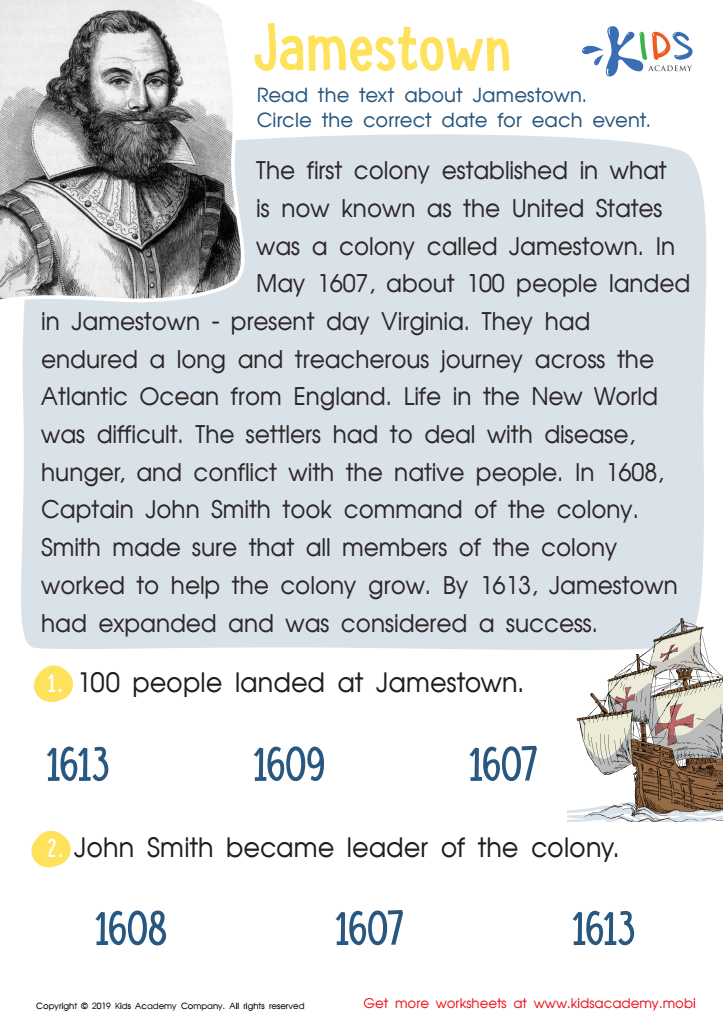
Jamestown Worksheet
Help your kids build vocabulary by reading simple texts and stories to them. This exercise helps them practice reading and grammar, and increases their knowledge of a topic. In this worksheet, kids learn about Jamestown: read text aloud and help them circle the correct date for each event.
Jamestown Worksheet
Worksheet
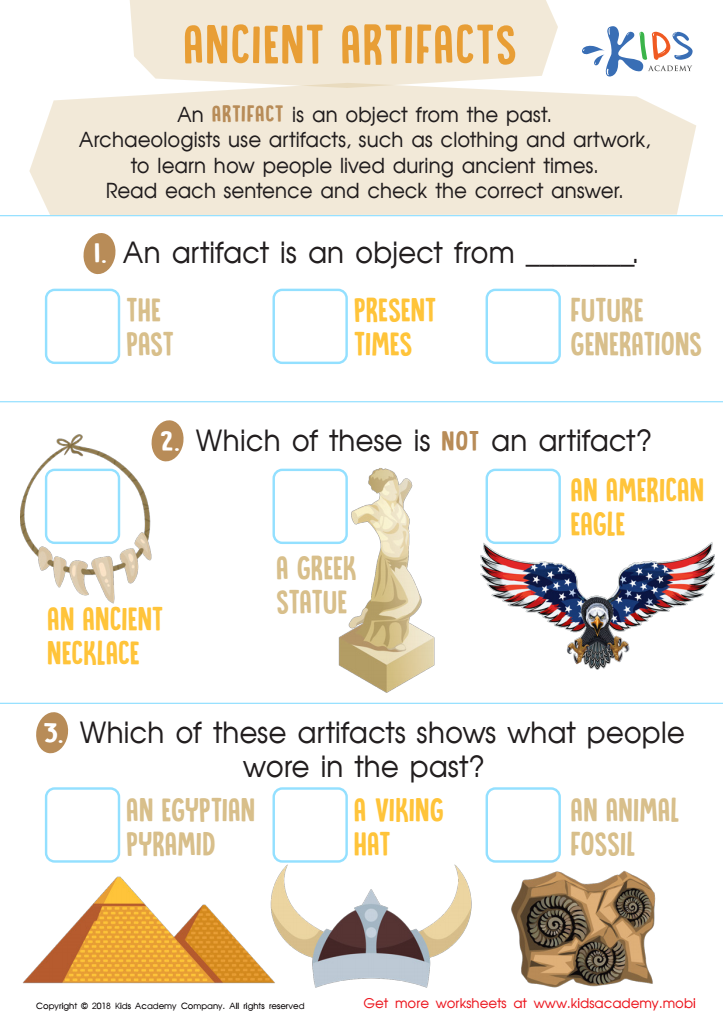
Ancient Artifacts Worksheet
This free worksheet helps kids understand ancient artifacts, from statues to necklaces to fossils. They'll read comprehension questions and select answers from multiple choice options, with pictures to help them grasp the concept. It's a great way for children to learn about artifacts and what they may look like.
Ancient Artifacts Worksheet
Worksheet
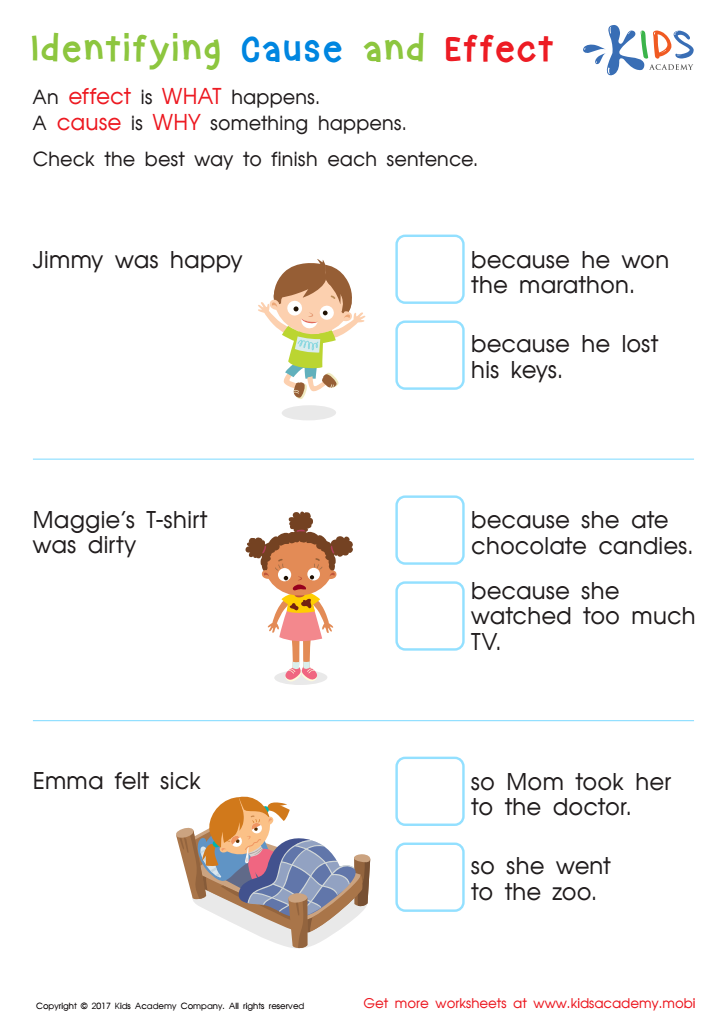
Indentifying Cause and Effect Worksheet
2nd grade cause & effect worksheets give your child practice making connections between events and their results. Fun activities help develop reading and critical thinking skills.
Indentifying Cause and Effect Worksheet
Worksheet
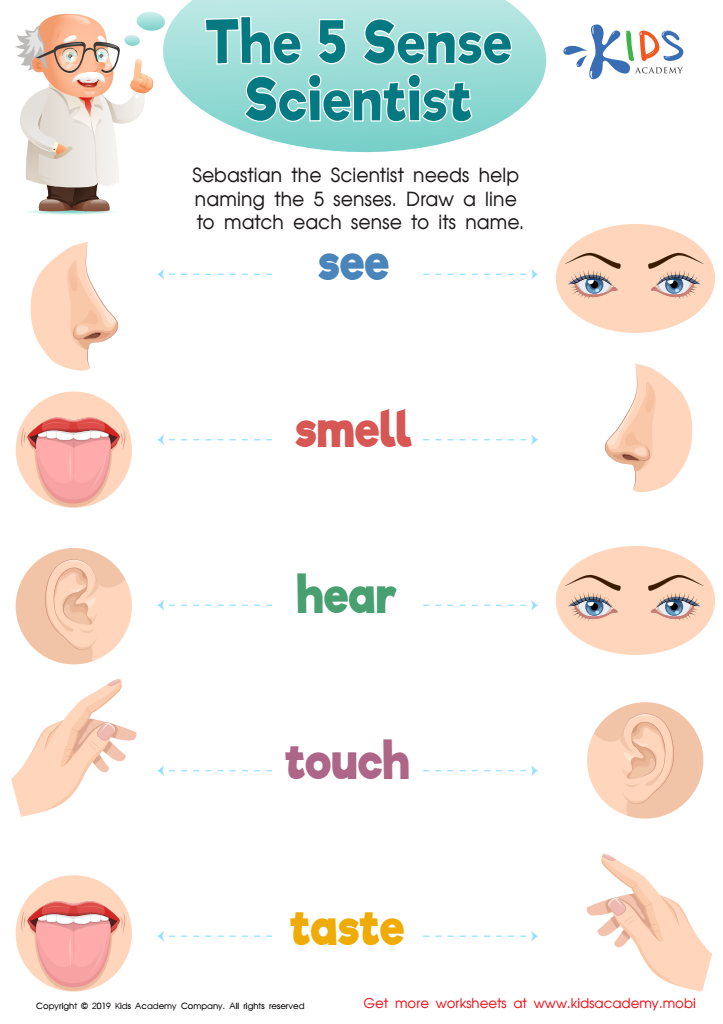
The 5 Sense Scientist Worksheet
Our young children will have fun learning about their five senses with this free Sense Scientist worksheet. Helping Sebastian the Scientist, they'll name the five senses and use traceable lines to connect each picture with its correct sense. Colorful words and pictures will create a memorable picture representation.
The 5 Sense Scientist Worksheet
Worksheet
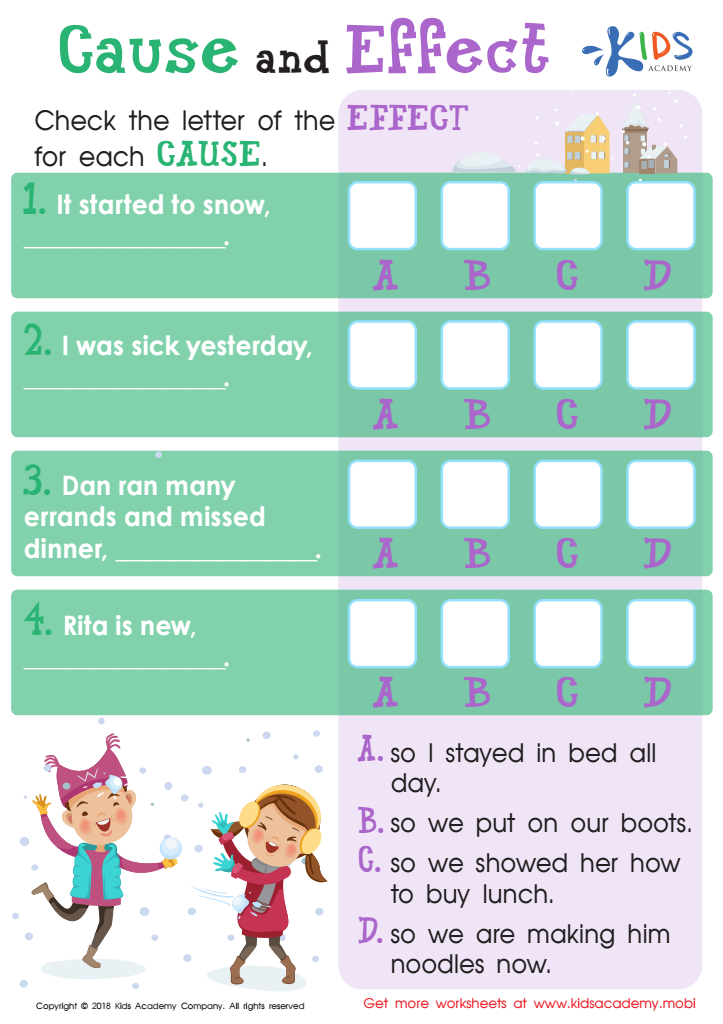
Cause and Effect Worksheet
Help your kids understand the cause-effect relationship of sentences by having them complete this worksheet. There are four incomplete sentences at the top and four options at the bottom. Have them select the appropriate letter for the effect of each cause. This will be the first step to their future of composing grammatically correct and meaningful sentences.
Cause and Effect Worksheet
Worksheet
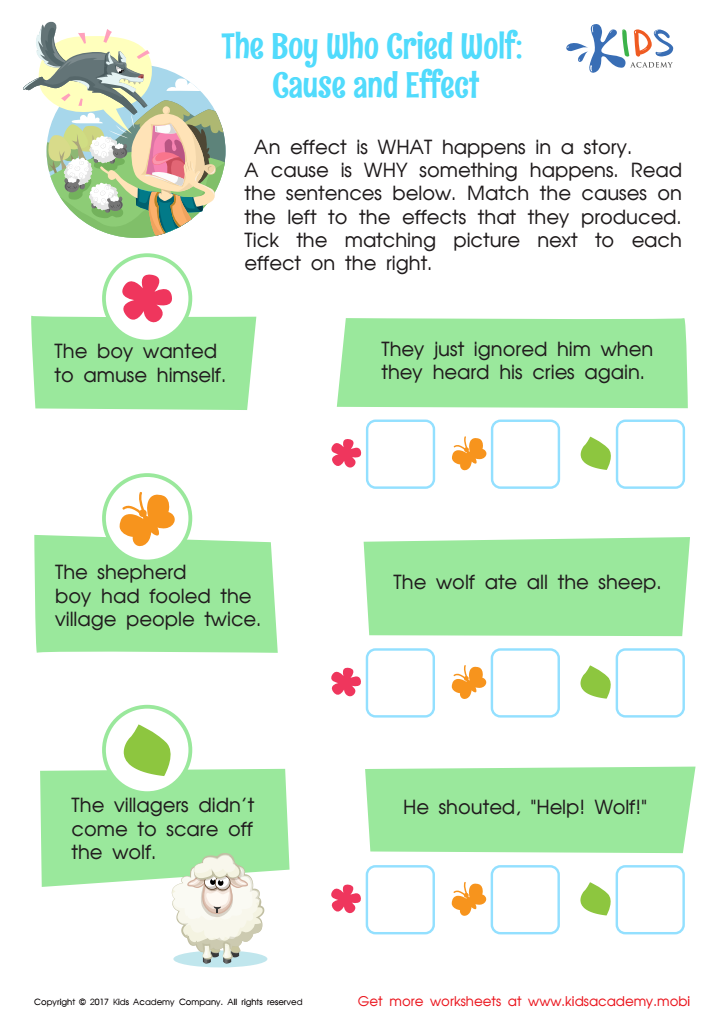
The Boy Who Cried Wolf: Cause and Effect Worksheet
With classic stories and fables, learning reading comprehension is easy - and fun!
The Boy Who Cried Wolf: Cause and Effect Worksheet
Worksheet
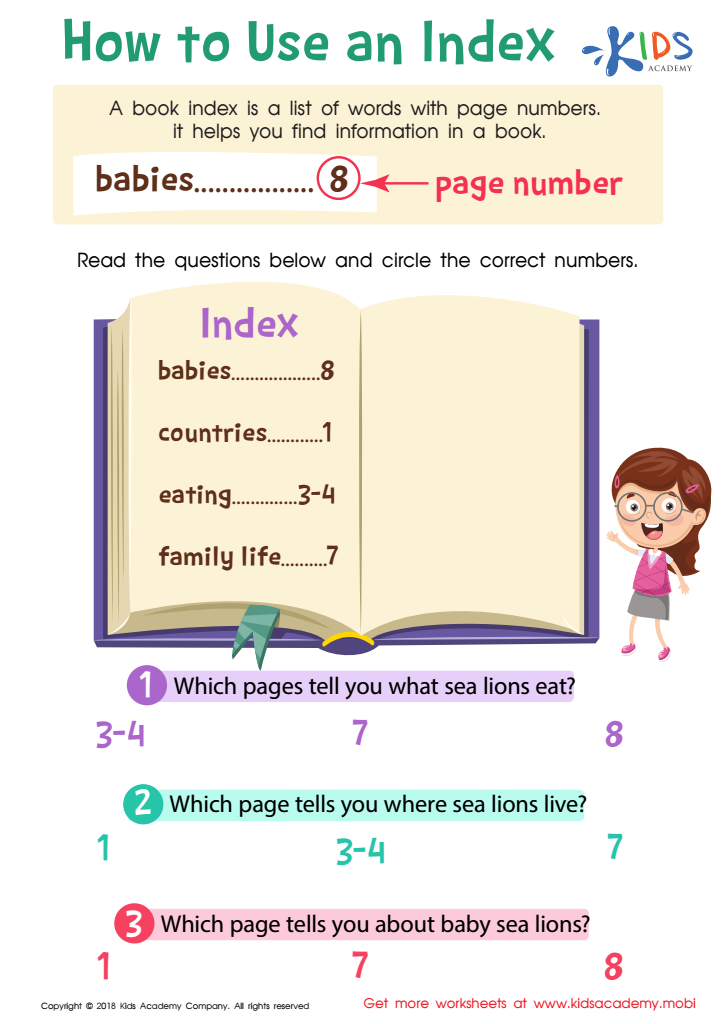
How Use Index Worksheet
Hand your kids a book, point out the index and explain that it's a list of words with page numbers. Ask them to look at the index in the worksheet and circle the correct number to the questions. Every book must have an index to help readers find chapters or information they need.
How Use Index Worksheet
Worksheet
Join Kids Academy for Free
Who is primarily going to use this learning content?







.jpg)
Analytical thinking is crucial for children aged 6-9 as it lays the foundation for problem-solving and decision-making skills, essential for lifelong learning. At this age, children are developing their cognitive abilities and learning how to process information. Encouraging analytical thinking helps children learn to evaluate facts, make connections, and draw conclusions, which enhances their understanding of the world around them.
Parents and teachers should prioritize fostering analytical thinking because it directly impacts academic success. Children who engage in analytical activities, such as asking questions and solving puzzles, develop critical skills that are beneficial across subjects, particularly in math and science. Furthermore, these skills enhance literacy comprehension by teaching children to think deeply about texts, improving their ability to derive meaning and extend learning.
Moreover, analytical thinking skills promote independence and creativity. Children learn to think beyond surface-level answers, enhancing their ability to communicate ideas and work collaboratively. This is especially important in today’s rapidly changing world, where adaptive problem-solving is highly valuable. In summary, by nurturing analytical thinking in young learners, parents and teachers empower them to better navigate both academic challenges and everyday life.