
Historical Knowledge Normal Reading Worksheets for Ages 6-9
6 filtered results
Difficulty Level
Grade
Age
-
From - To
Subject
Activity
Standards
Enhance your child's historical knowledge with our engaging Normal Reading Worksheets for Ages 6-9. Tailored to young learners, these worksheets combine reading practice with fascinating historical facts, ensuring a captivating learning experience. Each worksheet aids in developing reading skills while introducing key historical events and figures, fostering curiosity and a love for history. Whether it’s learning about ancient civilizations or iconic moments in history, our worksheets make historical understanding accessible and fun. Ideal for classroom or home education, these resources support your child's educational journey by merging literacy with historical insight. Perfect for eager young minds!
Favorites
With answer key
Interactive
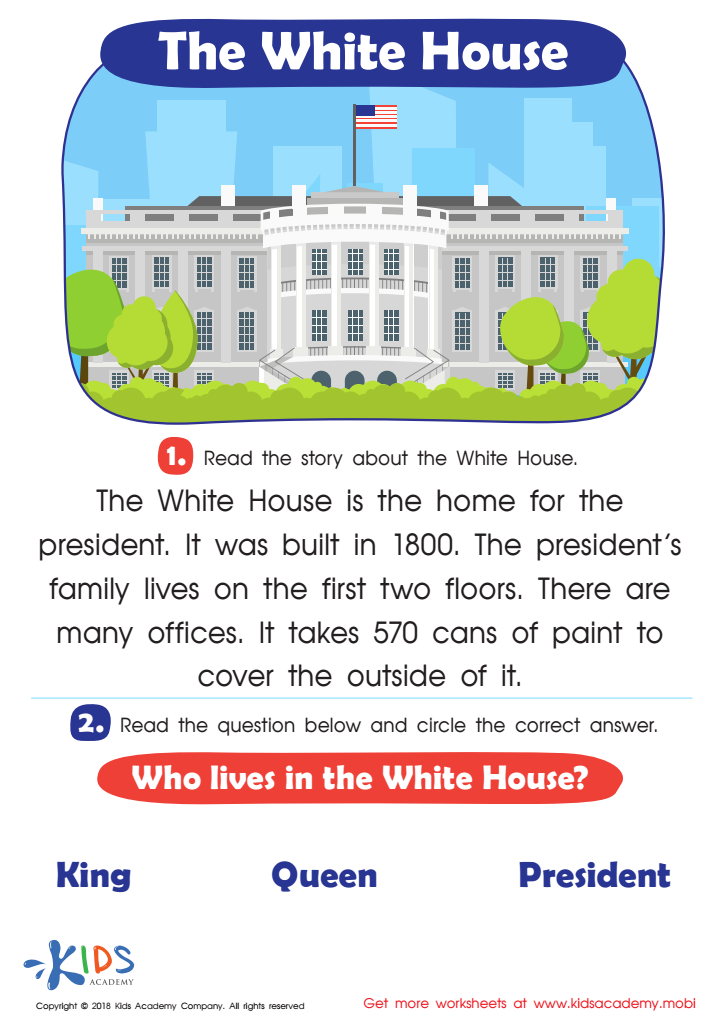
White House Worksheet
Read stories to your students to teach them new words, and about the White House. Before reading, ask your kindergartners what they already know. Then read short sentences for them to learn about the building the U.S President resides in.
 Assign to My Students
White House Worksheet
Worksheet
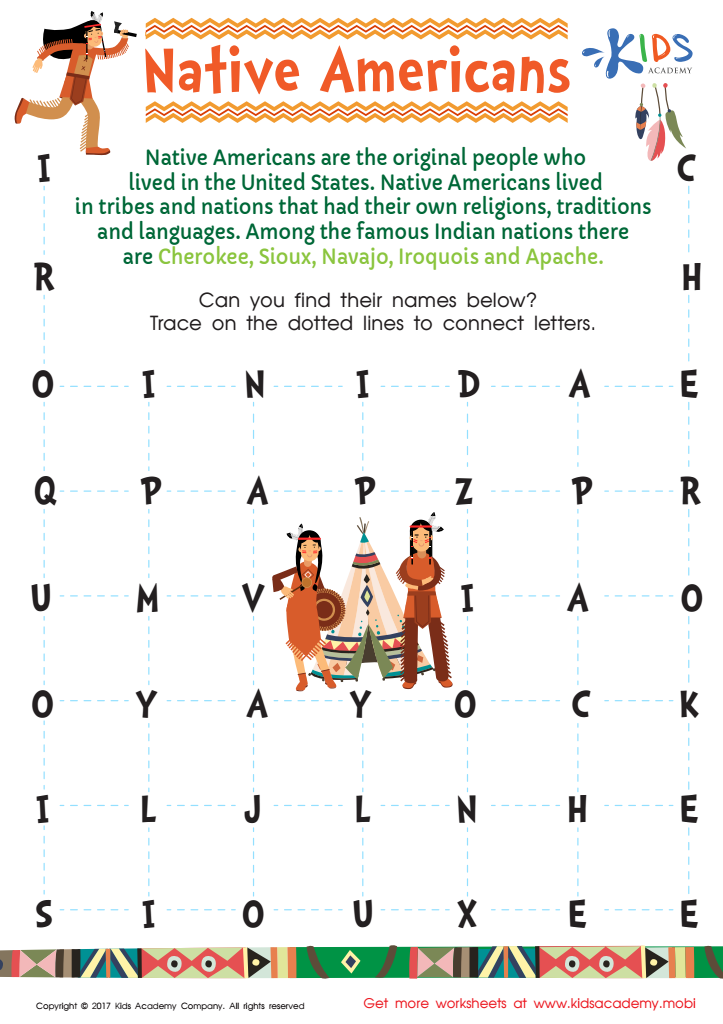
Native American Word Search Printable
This Native American word search PDF helps kids review important vocabulary and concepts about this important part of our county's history. It includes the names of famous and prominent Native American tribes. Solving the puzzle is fun and educative!
Native American Word Search Printable
Worksheet
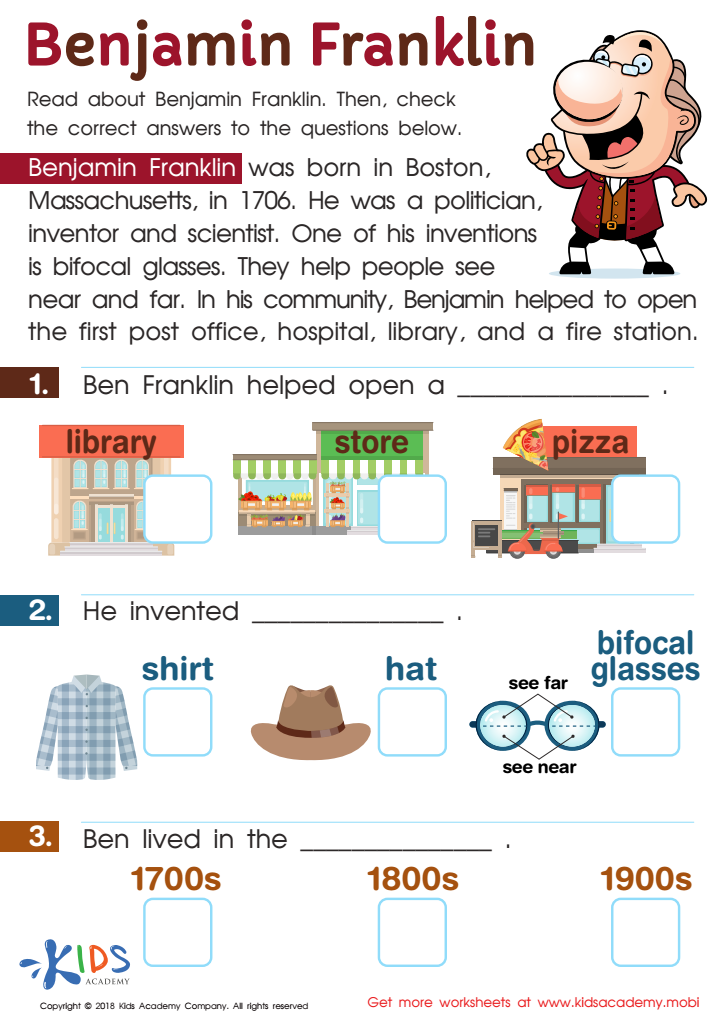
Benjamin Franklin Worksheet
Introduce your kids to one of history's most important figures - Benjamin Franklin! Tell them all about his remarkable contributions to the world and then use this worksheet to teach them even more. Read the text to them and check their answers against the questions afterwards.
Benjamin Franklin Worksheet
Worksheet
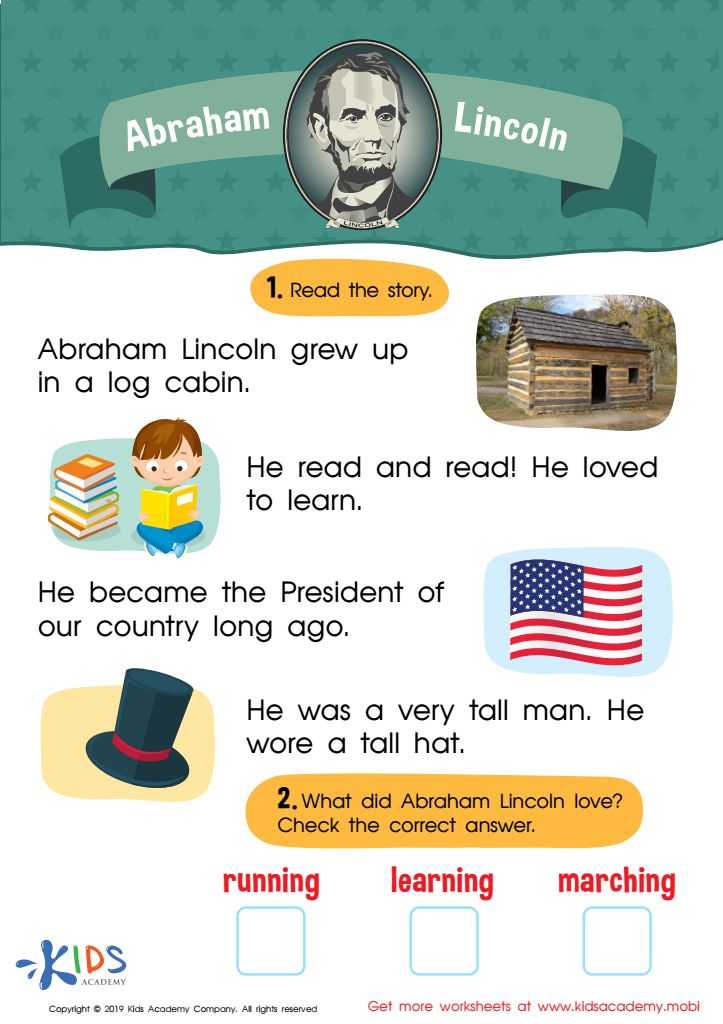
Abraham Lincoln Worksheet
Let your kids listen to interesting stories while having fun! Read the short story in this worksheet, point to the picture representing each sentence, then ask the questions and check the answers. Doing this will help your children learn new things and build their vocabulary.
Abraham Lincoln Worksheet
Worksheet
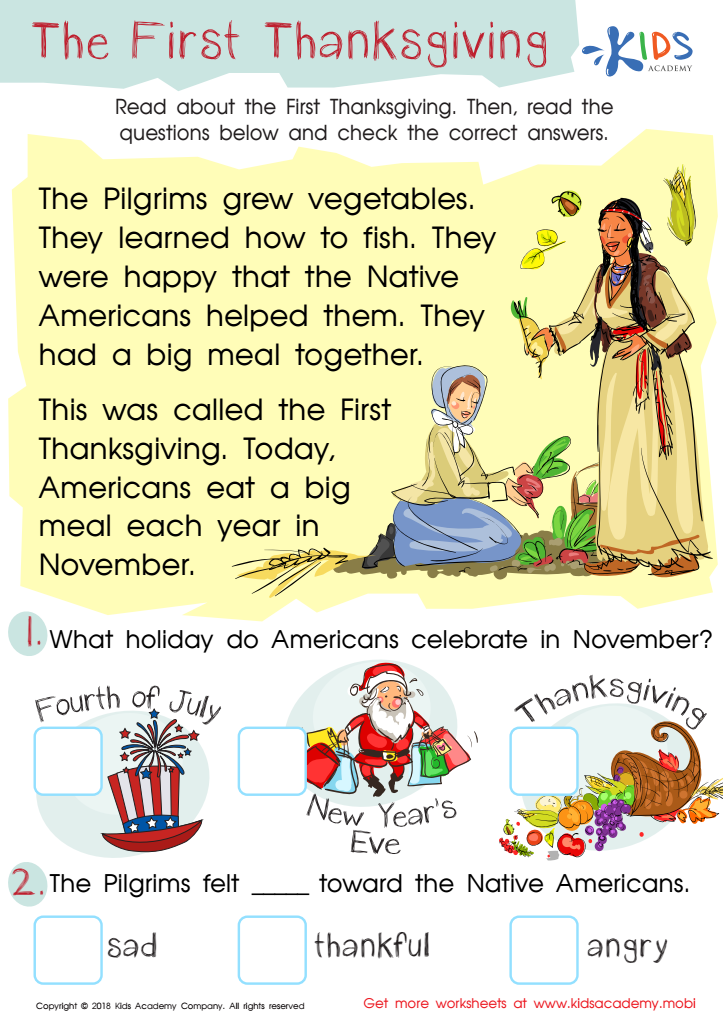
Assessment: First Thanksgiving Worksheet
When the Pilgrims arrived in America in 1620, they met the Native Americans and formed a pact to live in harmony. The Native Americans taught the Pilgrims how to survive in the new land, which helped them celebrate the First Thanksgiving. Read this text to your children and help them answer the questions below.
Assessment: First Thanksgiving Worksheet
Worksheet
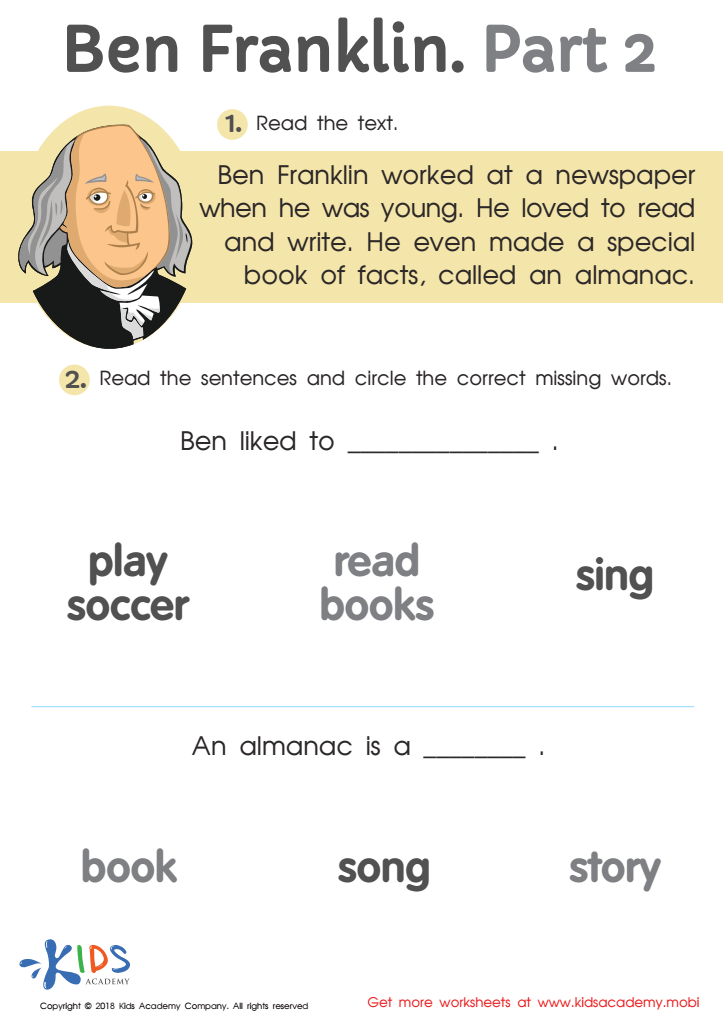
Ben Franklin Part 2 Worksheet
History is filled with great figures, like Benjamin Franklin. Let your kids in on the legacy by introducing them to the founder of the US fire department, diplomat, and inventor. Then, use a worksheet to have them fill in the blanks with the correct word to teach them more. Read the text, then read the sentences and have them circle the missing word.
Ben Franklin Part 2 Worksheet
Worksheet
Join Kids Academy for Free
Who is primarily going to use this learning content?








Historical knowledge forms an essential part of a child's education, especially for ages 6-9. During this formative period, children are naturally curious and highly impressionable. Introducing historical concepts in a way that is engaging and easy to comprehend can profoundly impact their understanding of the world and their place in it.
One important reason parents and teachers should prioritize historical knowledge is that it helps develop critical thinking skills. Learning about different times, cultures, and events encourages children to ask questions and seek out answers, fostering inquisitiveness and analytical abilities. Additionally, history often includes moral lessons and human experiences that can teach empathy, tolerance, and an appreciation for diversity.
Another vital aspect is the establishment of a sense of identity and connectedness. Children exposed to stories from the past have a better understanding of their own heritage and the broader society. This comprehension can instill a sense of belonging and pride, positively impacting a child's self-esteem and social skills.
Moreover, historical knowledge aids in literacy development. Reading about history introduces children to new vocabulary, complex grammatical structures, and different writing styles. This type of reading enhances their language abilities and promotes better overall academic performance.
In conclusion, integrating historical knowledge into reading for young children is critical. It supports cognitive development, emotional growth, identity formation, and literacy skills. Parents and teachers should consider it a priority to enrich a child's education and personal development.








