
Reading Skills Normal Reading Worksheets for Ages 6-9
6 filtered results
Difficulty Level
Grade
Age
-
From - To
Subject
Activity
Standards
Boost your child’s reading abilities with our "Reading Skills Normal Reading Worksheets for Ages 6-9." Designed to align with essential learning goals, these engaging worksheets help young readers master key components such as phonics, vocabulary, and comprehension. Colorful illustrations and fun activities make learning to read an exciting adventure. Whether for classroom use or home practice, our expertly crafted materials provide foundational skills needed for fluent reading. Support your 6-9-year-olds in building a lifelong love for reading with worksheets that cater to beginning and developing readers, ensuring consistent progress and confidence in reading.
Explore now and nurture your child’s reading skills.
Favorites
With answer key
Interactive
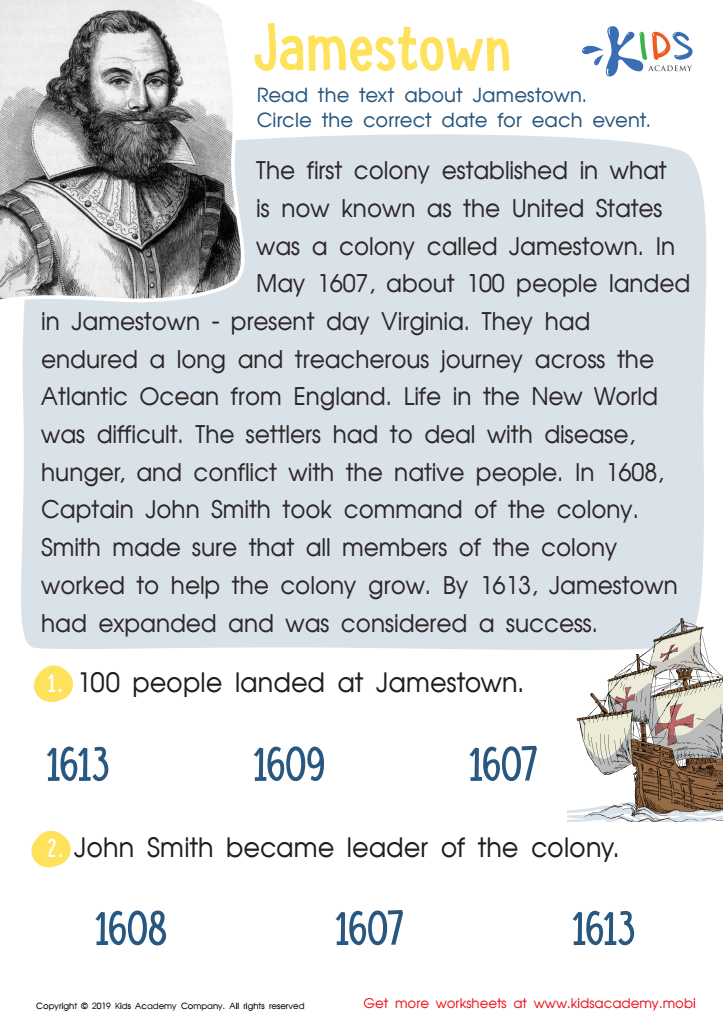
Jamestown Worksheet
Help your kids build vocabulary by reading simple texts and stories to them. This exercise helps them practice reading and grammar, and increases their knowledge of a topic. In this worksheet, kids learn about Jamestown: read text aloud and help them circle the correct date for each event.
 Assign to My Students
Jamestown Worksheet
Worksheet
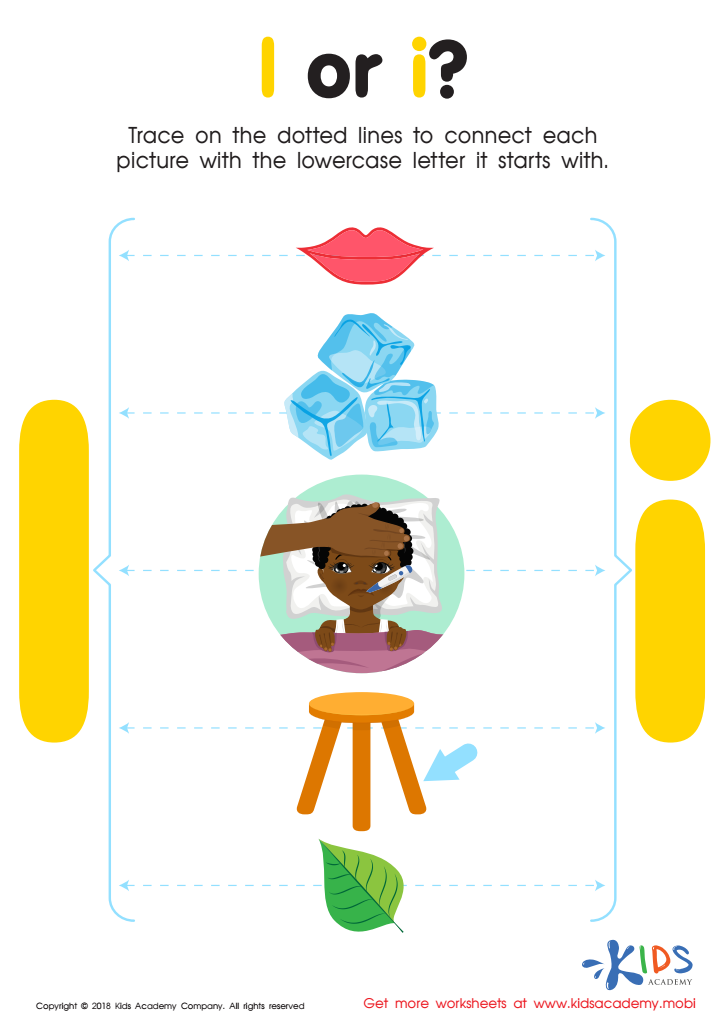
l or i? Worksheet
Trace the dotted lines on this worksheet to connect pictures with their lowercase letter. Ask your child what each picture is and the first letter of the word. Guide them to trace the letter with the dotted lines.
l or i? Worksheet
Worksheet
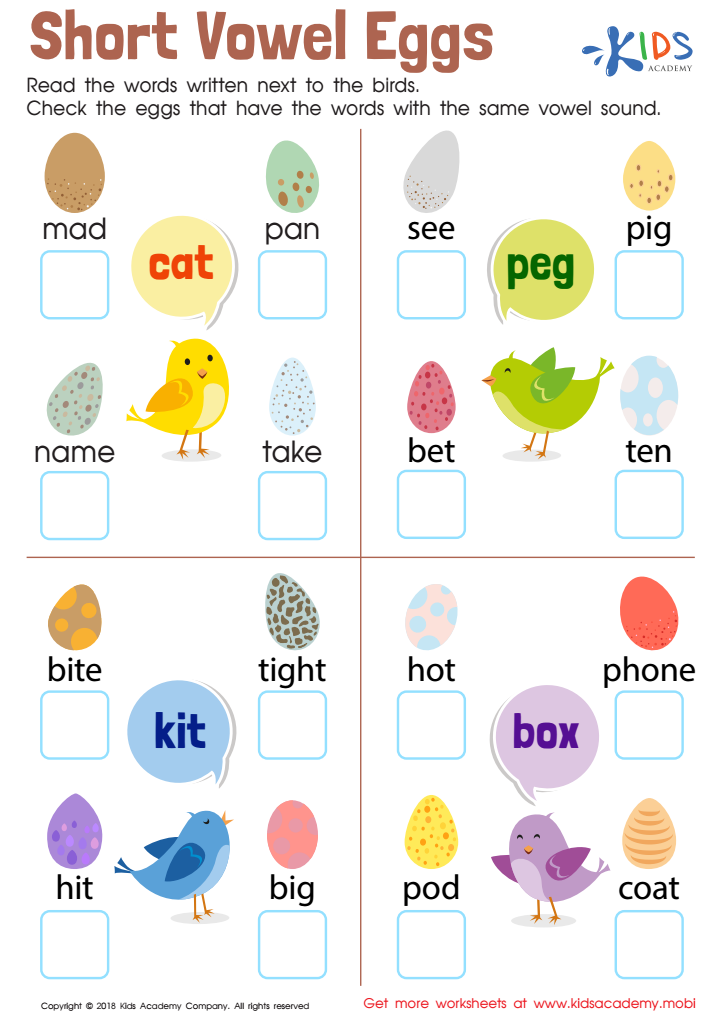
Short Vowel Eggs Worksheet
Your students will love helping these birdies pick the short vowel eggs! Have them read the words in the thought bubbles, then check off the boxes with the same short vowel sounds. The bright colors of this free Worksheet will draw them in and get them practicing their vowels!
Short Vowel Eggs Worksheet
Worksheet
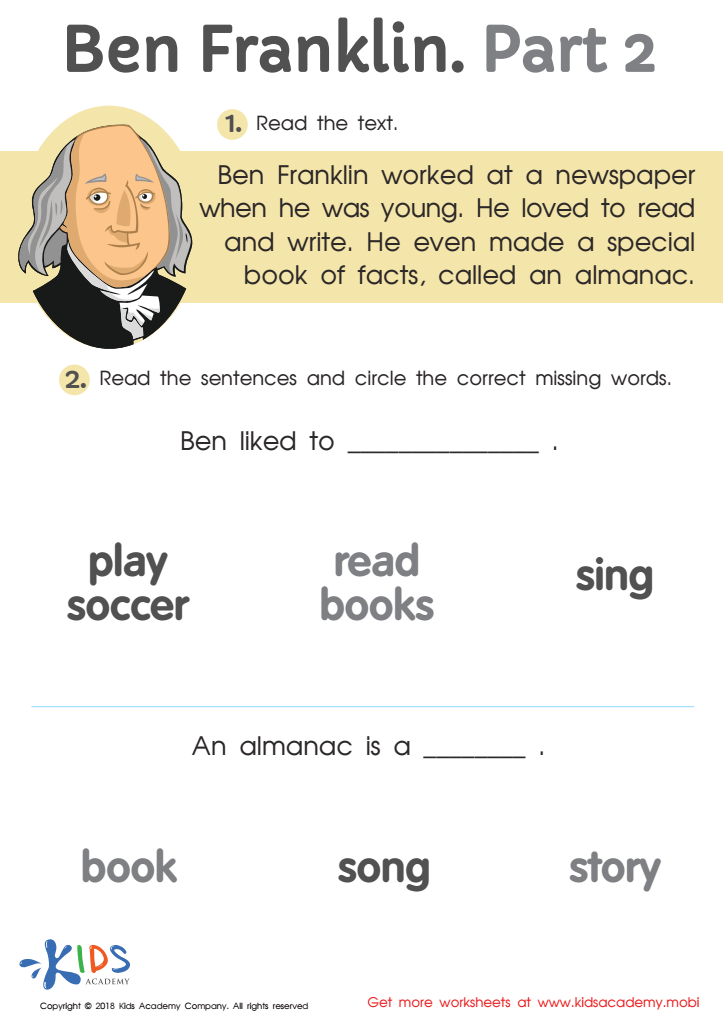
Ben Franklin Part 2 Worksheet
History is filled with great figures, like Benjamin Franklin. Let your kids in on the legacy by introducing them to the founder of the US fire department, diplomat, and inventor. Then, use a worksheet to have them fill in the blanks with the correct word to teach them more. Read the text, then read the sentences and have them circle the missing word.
Ben Franklin Part 2 Worksheet
Worksheet
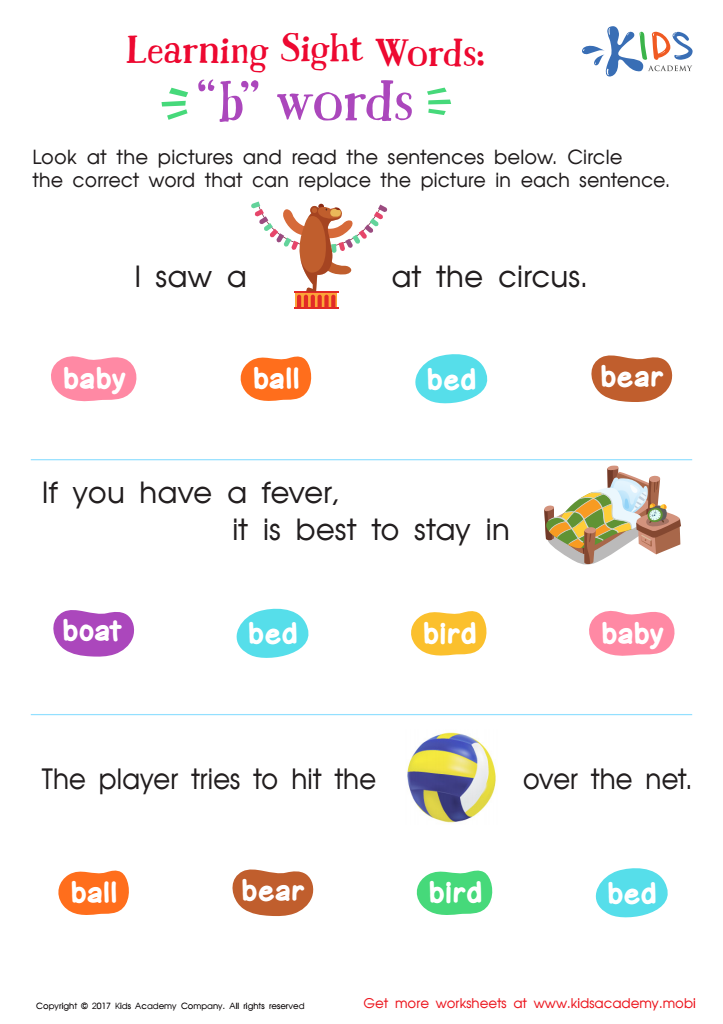
"B" Words Printable Sight Words Worksheet
Kids will learn sight words quickly with this fun worksheet! "B" Words offers guided practice with simple sentences and pictures. Build your child's reading confidence with this helpful worksheet and watch them become a master!
"B" Words Printable Sight Words Worksheet
Worksheet
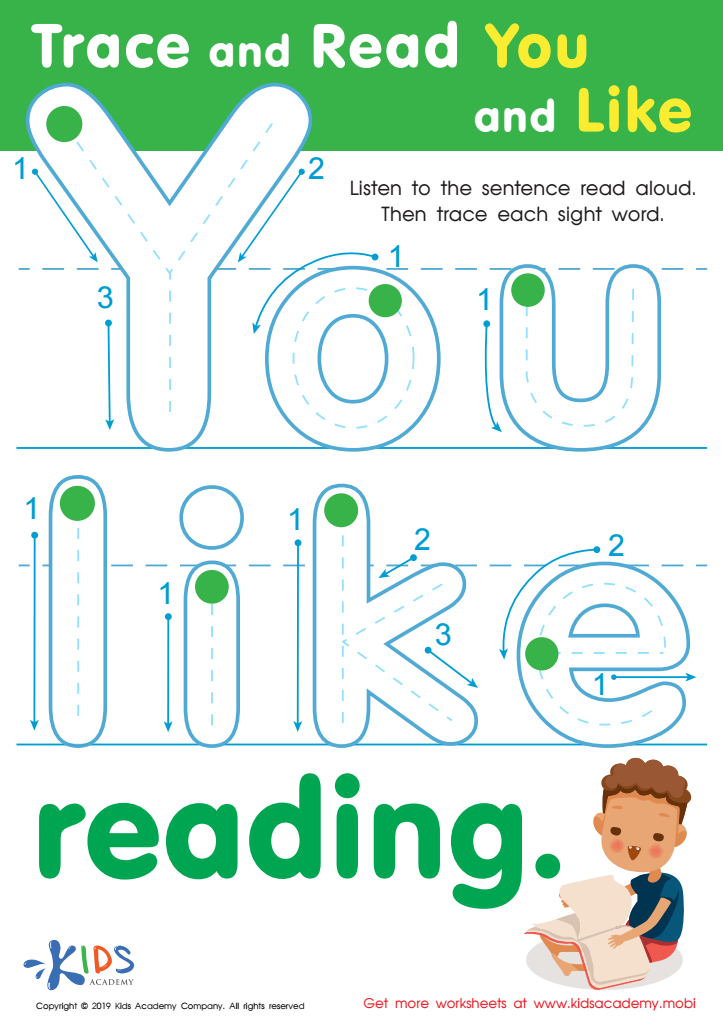
Trace Read You Like Worksheet
Sight words help children become confident and fluent readers. This free worksheet encourages success with basic 'you' and 'like' words. Writing them with traceable lines and green dots shows motion and builds sight word vocabulary. Help your child master the basics and boost their reading progress!
Trace Read You Like Worksheet
Worksheet
Join Kids Academy for Free
Who is primarily going to use this learning content?







The development of reading skills for children aged 6-9 is crucial for their academic and personal growth. At this formative stage, children transition from learning to read to reading to learn. Reading skills lay the foundation for success in other academic subjects such as math, science, and social studies. When children can read proficiently, they can understand and process information more effectively, leading to better performance across the board.
Moreover, reading enhances cognitive development. It stimulates mental processes including memory, analytical thinking, and problem-solving skills. By encountering new words and grammar structures, children expand their vocabulary and improve their language proficiency, which is essential for effective communication.
Socially and emotionally, reading builds empathy, cultural awareness, and imagination. Stories expose children to diverse perspectives and situations, helping them develop a better understanding of the world and people around them. This builds emotional intelligence and social skills, which are critical in forming healthy relationships.
For parents and teachers, fostering strong reading skills in young children involves providing a supportive learning environment, access to books, and incorporating reading into daily routines. With early intervention, children can overcome reading difficulties, ensuring they have the skills necessary to navigate their educational journey and beyond. Investing in these skills during ages 6-9 sets the stage for lifelong learning and success.








