Sequencing events Normal Reading Worksheets for Ages 6-9
3 filtered results
-
From - To
Enhance your child's reading comprehension with our Sequencing Events Normal Reading Worksheets, designed specifically for ages 6-9. These engaging worksheets help young learners understand the order of events, boosting their narrative skills and logical thinking. Through a variety of fun and educational activities, kids will practice arranging sentences and stories in the correct sequence. Perfect for classroom use or at-home practice, these worksheets promote critical reading skills essential for academic success. Encourage your child to master the art of storytelling and event sequencing with our easy-to-use and engaging resources. Visit Kids Academy for free printable worksheets today!
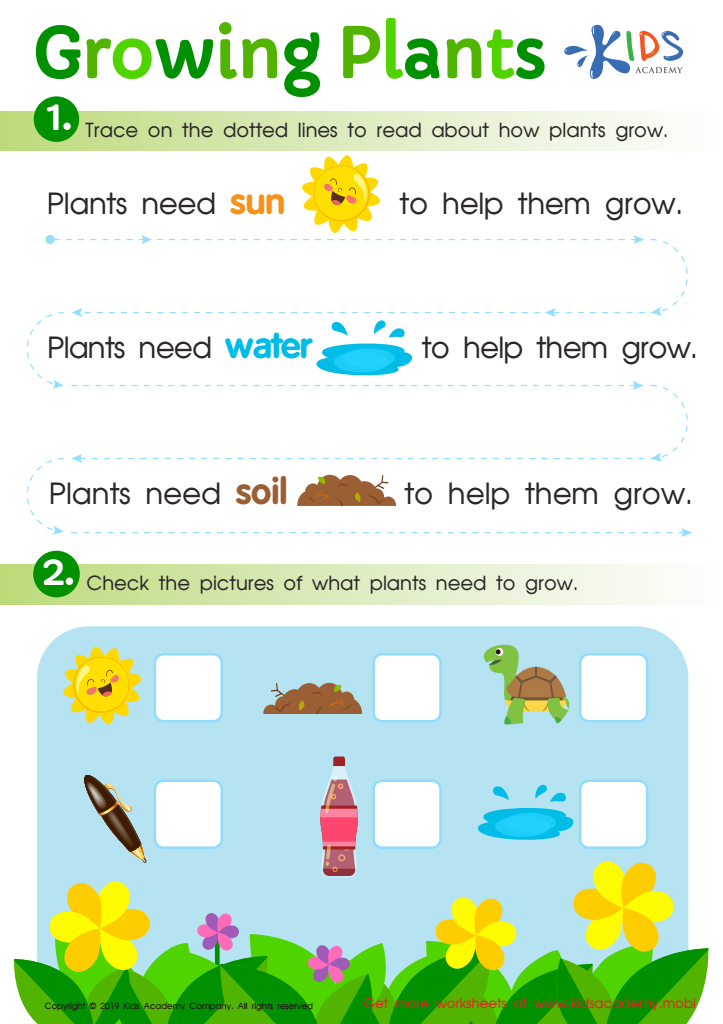
Growing Plants Worksheet
 Assign to My Students
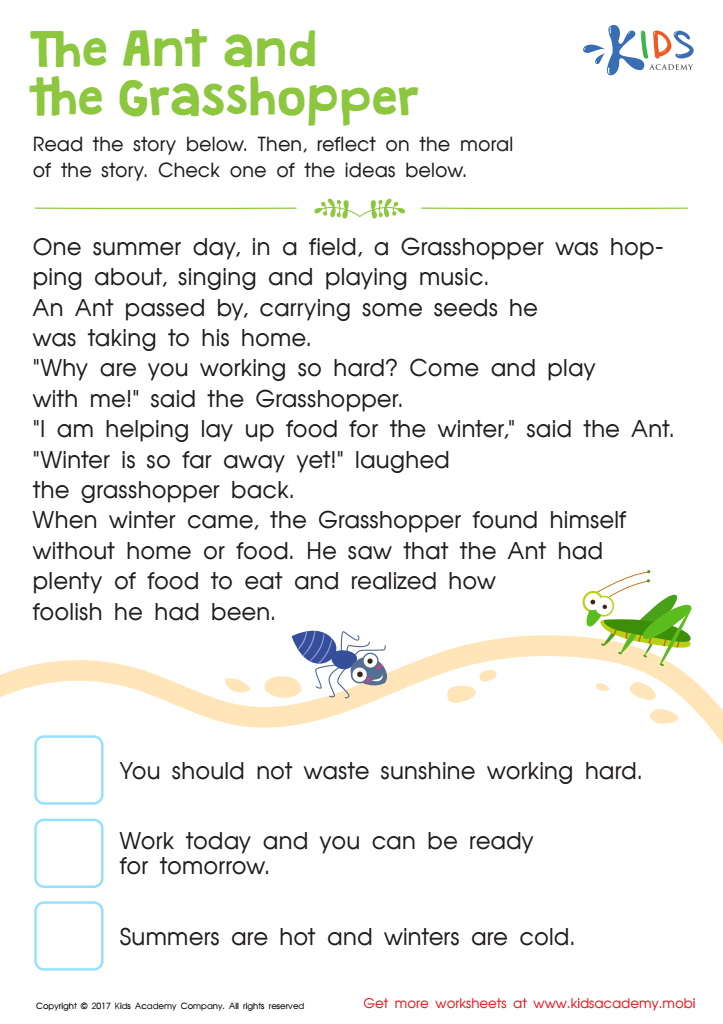
The Ant and The Grasshopper Printable
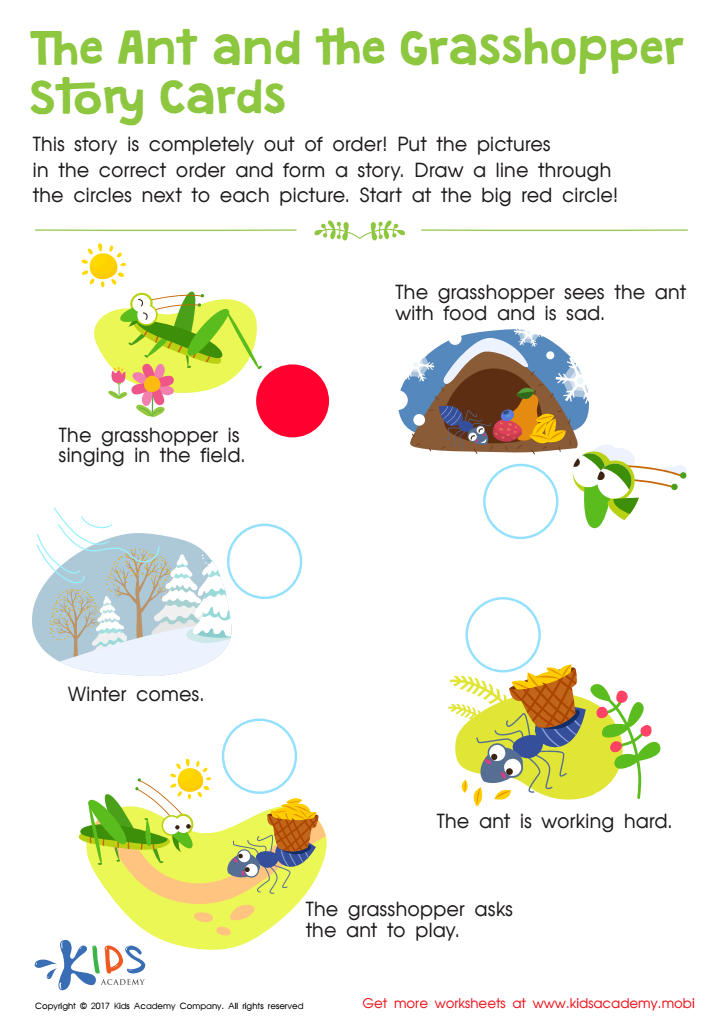
The Ant and The Grasshopper Worksheet







Sequencing events in storytelling and reading is a critical skill for children ages 6-9 because it forms the foundation for their cognitive development and comprehension abilities. When children understand the order of events in a story, they can better grasp the narrative, which enhances their overall reading comprehension. Recognizing the sequence of events helps children make sense of the plot, understand cause-and-effect relationships, and predict potential outcomes—all of which are key components of critical thinking.
For parents and teachers, fostering sequencing skills can also support broader educational goals. In early education, these skills translate to improved performance in other subjects, such as math and science, where understanding sequences, patterns, and processes are vital.
Moreover, sequencing activities can enhance language skills and vocabulary acquisition. As children recount events, they practice structuring their thoughts coherently and using transitional phrases, which is essential for both written and verbal communication.
Socially and emotionally, sequencing helps children articulate their experiences and stories more clearly, improving their ability to interact and connect with peers. Consequently, investing time in activities that support sequencing, such as reading books with clear temporal events, using story maps, or discussing daily routines, is crucial for the holistic development of children in this age group.








