Understanding Sequences Normal Reading Worksheets for Ages 6-9
3 filtered results
-
From - To
Unlock the power of comprehension with our "Understanding Sequences Normal Reading Worksheets" designed for children ages 6-9. These engaging worksheets help young learners develop essential skills by recognizing and sequencing events in stories. With relevant, age-appropriate texts, children will sharpen their reading abilities while boosting critical thinking skills. Each worksheet features fun illustrations and intuitive activities that make learning enjoyable. Perfect for both classroom settings and homeschooling, these resources support language development and enhance storytelling fundamentals. Foster a love for reading and help your child navigate story sequences effectively with our thoughtfully crafted worksheets today!
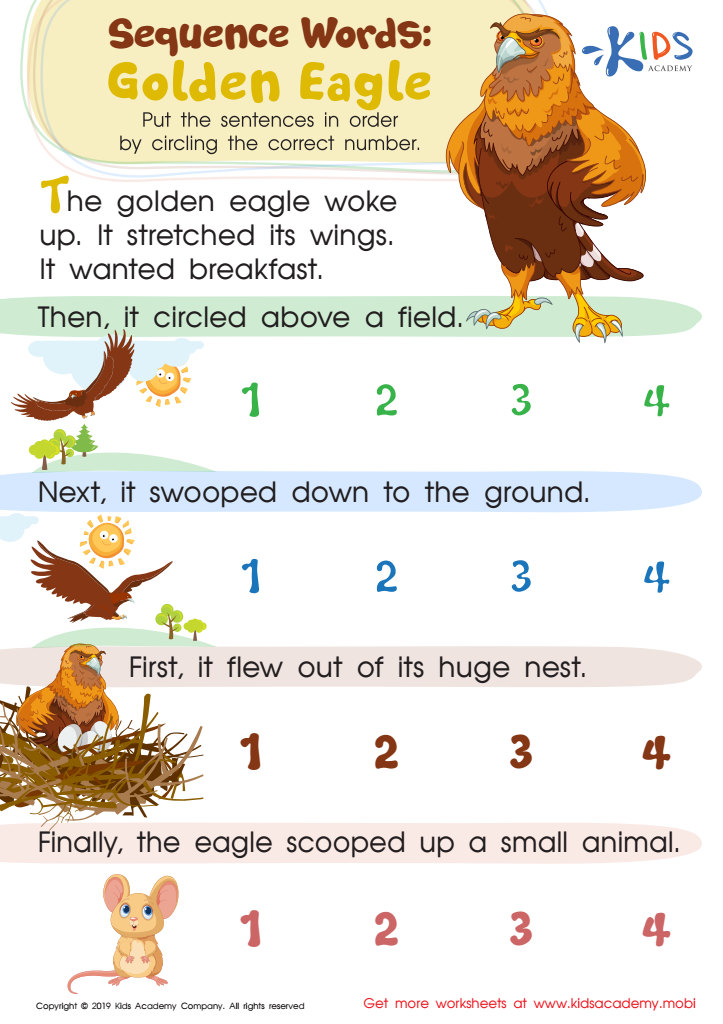
Sequence Word Eagle Worksheet
 Assign to My Students
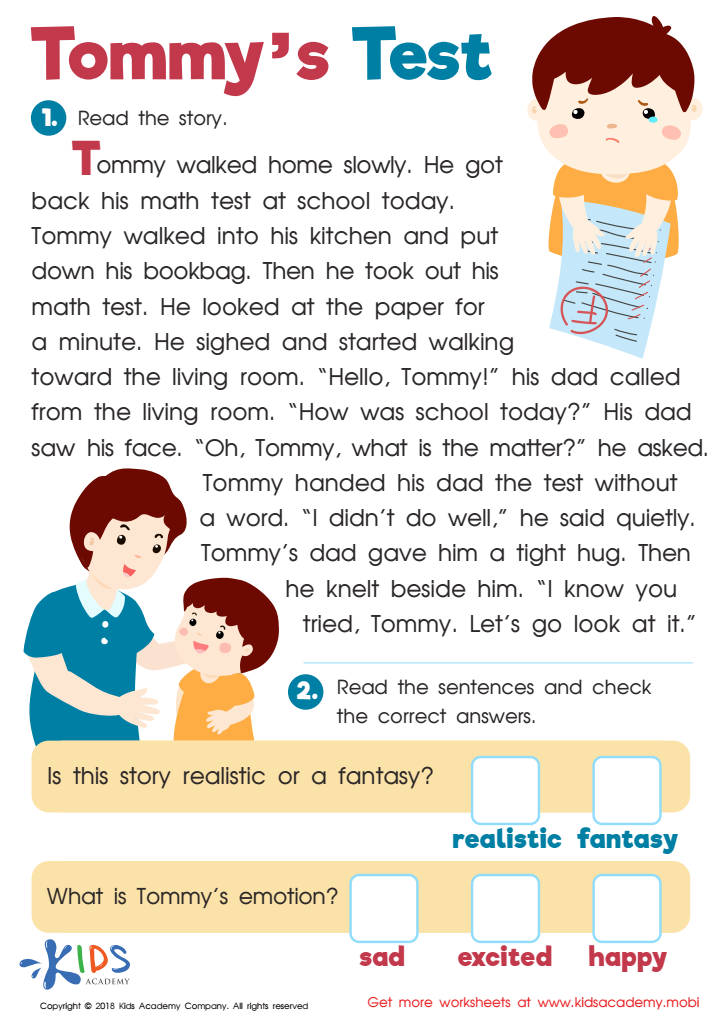
Tommys Test Worksheet
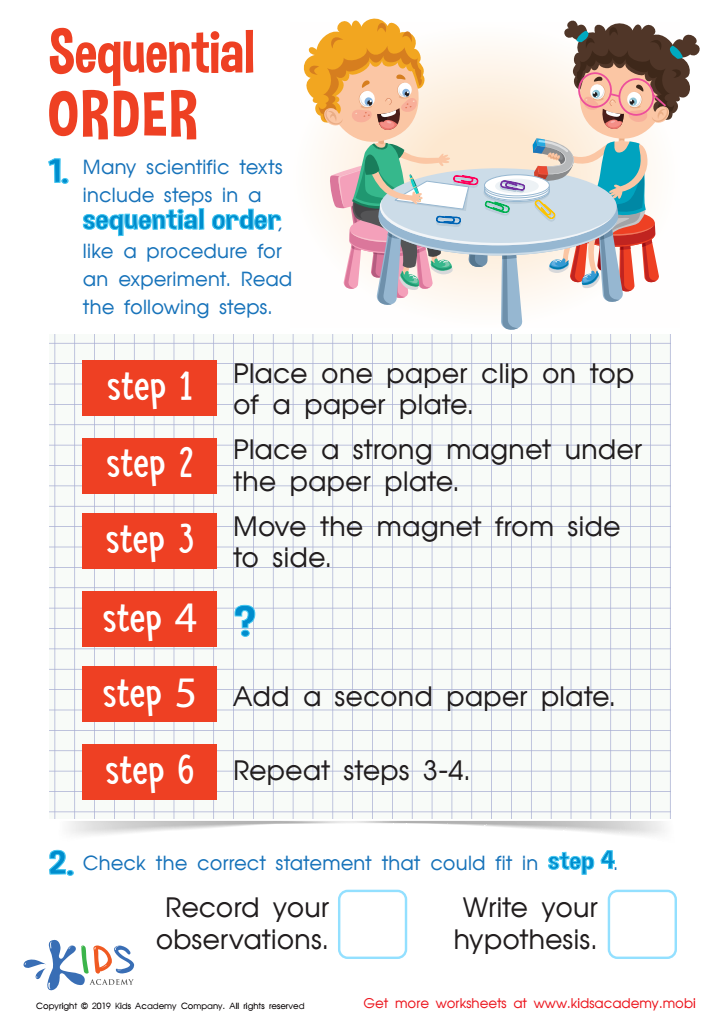
Sequencential Order Worksheet







Understanding sequences in reading is essential for children aged 6-9 as it lays the foundation for overall literacy skills. During this developmental stage, children transition from learning to read to reading to learn. By grasping sequences, they enhance their ability to comprehend narratives and follow the structure of stories, fostering critical thinking and inference skills.
Parents and teachers should care about this skill because it cultivates a child's reading fluency and enhances comprehension. Recognizing sequences helps children understand the cause-and-effect relationships, making it easier for them to predict outcomes and anticipate what comes next. This understanding aids in summarizing stories and identifying the main ideas and supporting details.
Moreover, sequences play a vital role in everyday life, from understanding instructions to grasping the chronology of events in history. Engaging children in activities and discussions that involve sequencing not only bolsters their literacy skills but also teaches them to organize thoughts and information effectively.
Encouraging a strong grasp of sequencing in this age group supports academic achievements and builds a lifelong love for reading, enriching their educational experiences and preparing them for future successes. Thus, prioritizing understanding sequences is crucial for educators and parents alike.








