Vocabulary enhancement Normal Physical Science Worksheets for Ages 6-9
6 filtered results
-
From - To
Discover our engaging Vocabulary Enhancement Normal Physical Science Worksheets designed for young learners aged 6-9. These worksheets promote vocabulary development while exploring fundamental concepts in physical science. Each activity is crafted to make learning enjoyable, encouraging curiosity about the natural world. Students will encounter key terms and definitions, enhancing their understanding and retention of scientific concepts. Ideal for classroom or home use, these resources support educators and parents alike in providing a comprehensive learning experience. Help your child build a solid vocabulary foundation in physical science with our thoughtfully designed worksheets. Boost their confidence and skills today!
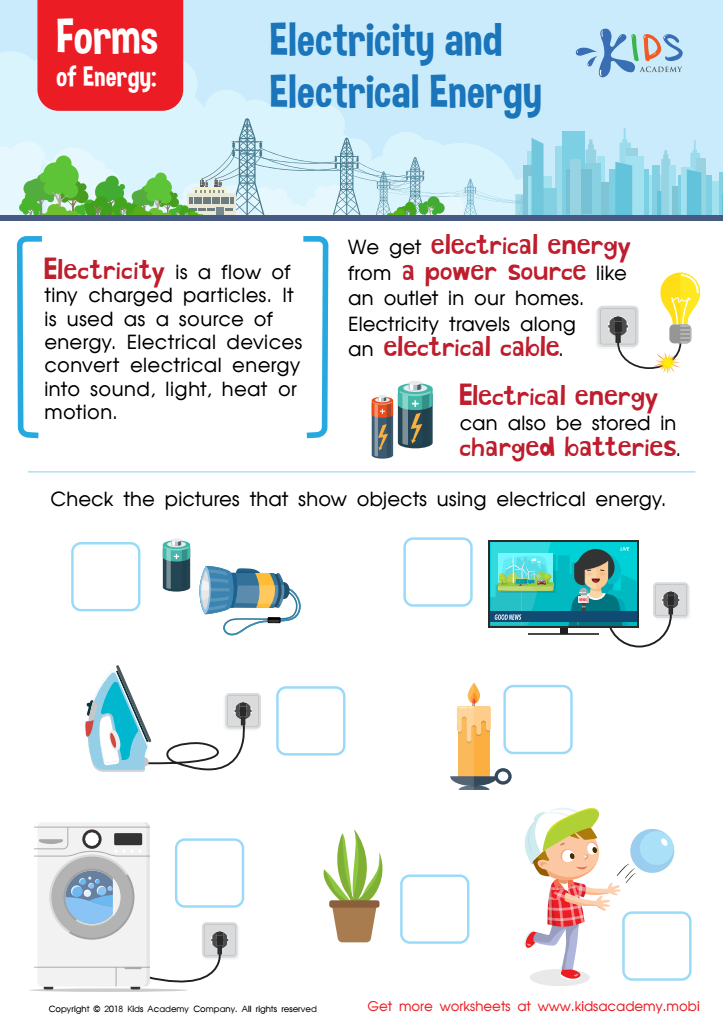
Forms of Energy Worksheet
 Assign to My Students
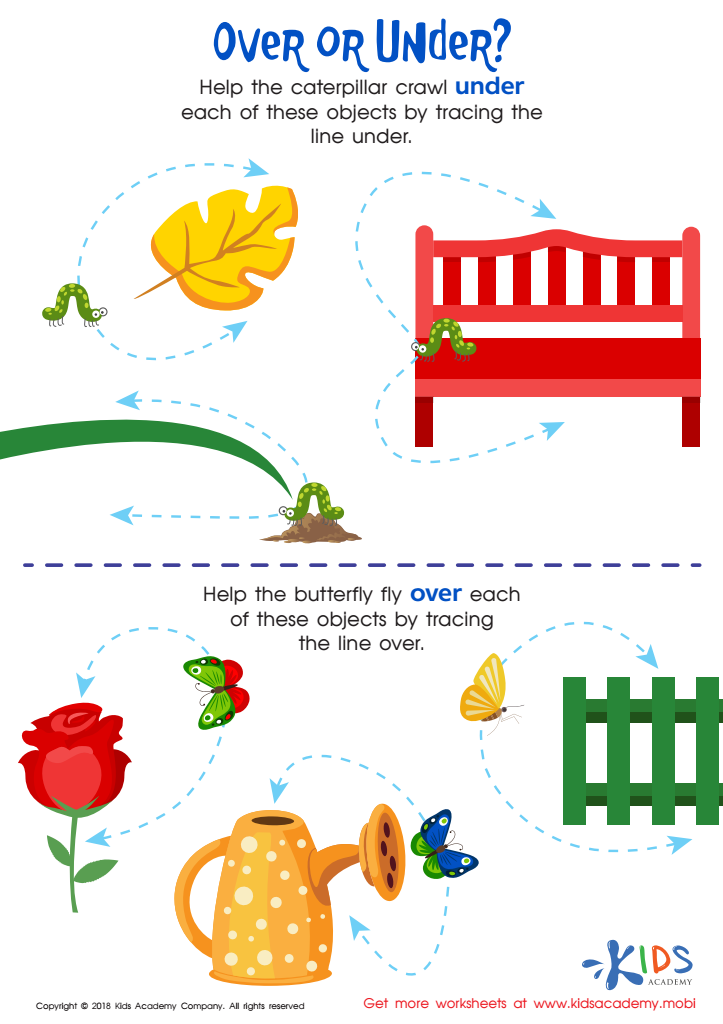
Over or Under? Worksheet
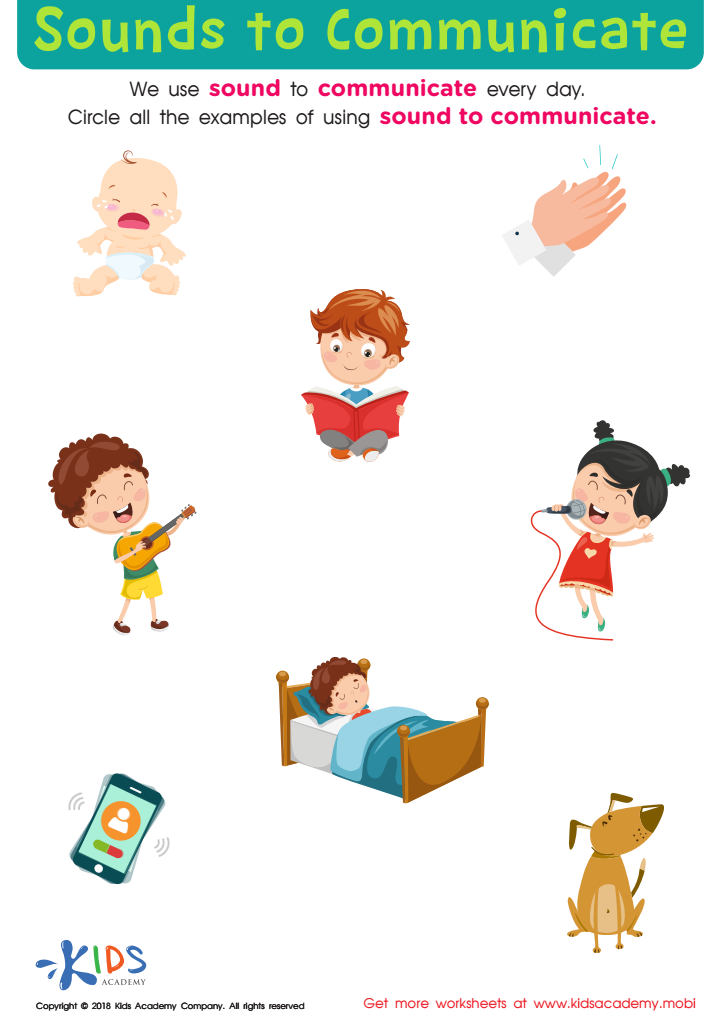
Sounds to Communicate Worksheet
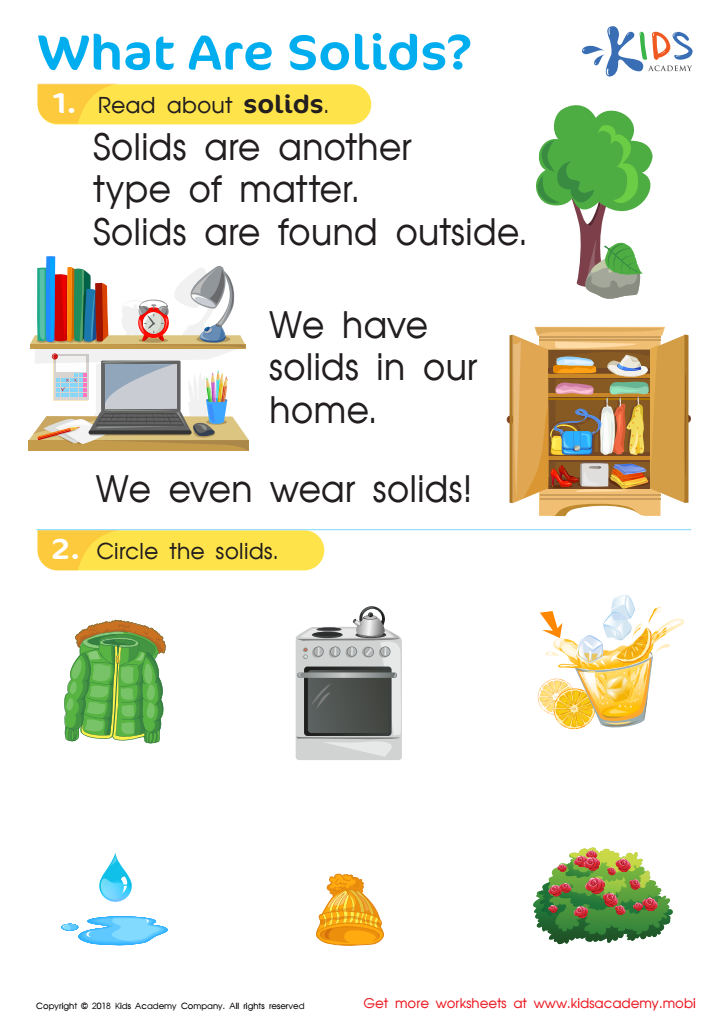
What Are Solids? Worksheet
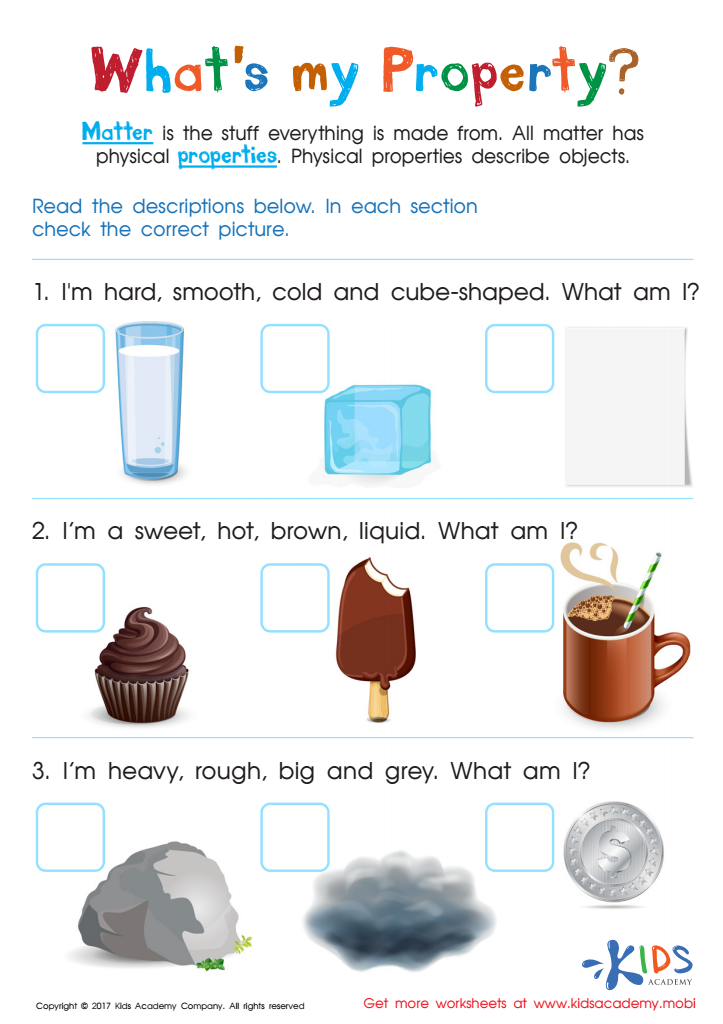
Physical Properties Of Matter Worksheet
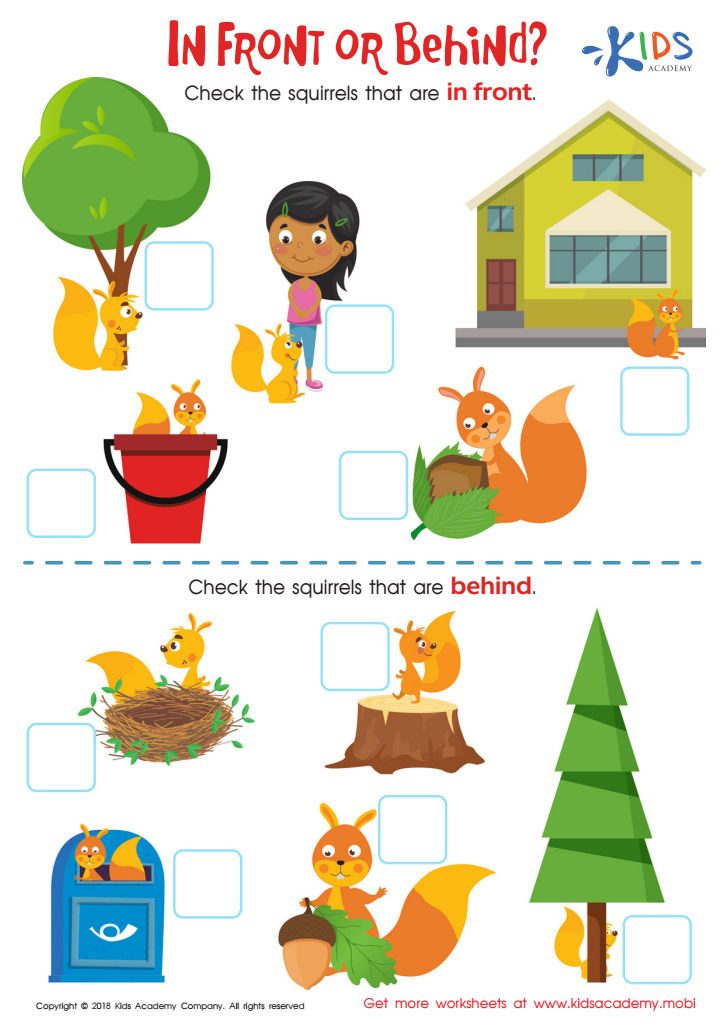
In Front or Behind: Part 2 Worksheet








Vocabulary enhancement in Normal Physical Science for children aged 6-9 is crucial for several reasons. At this developmental stage, children are naturally curious and eager to explore the world around them. Introducing them to science vocabulary helps foster that curiosity by giving them the language to express their observations and inquiries. When children learn terminology related to scientific concepts, they are better equipped to understand and engage with the material, leading to a deeper comprehension of basic principles such as matter, energy, and forces.
Moreover, a robust vocabulary lays the groundwork for critical thinking and problem-solving skills. By being able to communicate effectively about scientific ideas, children can collaborate with peers, enhancing their learning experiences through discussions and shared explorations.
Parents and teachers should also recognize that vocabulary skills correspond directly to reading and comprehension abilities, impacting overall academic success. A solid foundation in science vocabulary can spark interest in a lifelong pursuit of knowledge, propelling children toward future studies in STEM fields. Thus, investing time in vocabulary development within the realm of Normal Physical Science not only enriches a child's educational journey but also equips them with essential skills that contribute to their overall development and future opportunities.







