Geography knowledge Normal Geography Worksheets for Ages 6-9
3 filtered results
Difficulty Level
Grade
Age
-
From - To
Subject
Activity
Standards
Explore our engaging "Normal Geography Worksheets for Ages 6-9" at Kids Academy! Designed to inspire young learners, these worksheets help children uncover the fascinating world around them. Through interactive activities and vibrant visuals, kids will develop fundamental geography knowledge, including map skills, landforms, and global cultures. These resources aim to spark curiosity about different places and environments, making learning fun and accessible. Perfect for classroom or home use, our worksheets encourage creativity and critical thinking as children explore continents, countries, and geographical concepts. Start your child's geographic adventure today and help them see the world from a new perspective!
Favorites
With answer key
Interactive
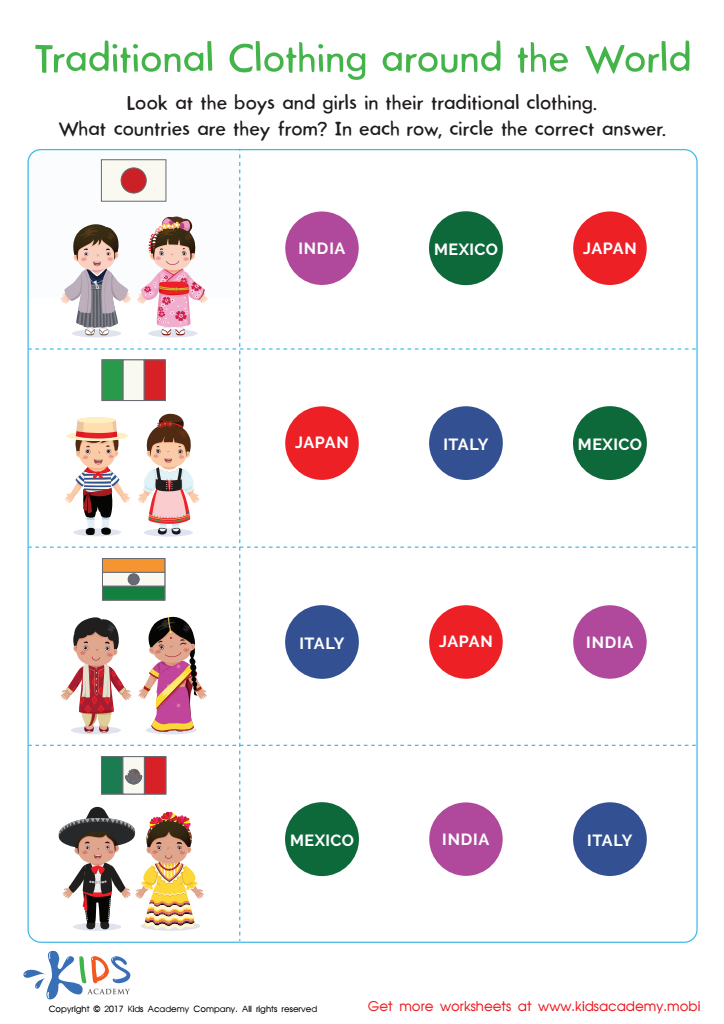
Traditional Clothing Worksheet
Introduce your child to cultures around the world with this illustrated traditional clothing printable worksheet! It will help them to recognize clothing, national flags and cultures from different countries, fostering an appreciation and love for all. It's a joyful way to learn and recognize the differences of people from around the world!
 Assign to My Students
Traditional Clothing Worksheet
Worksheet
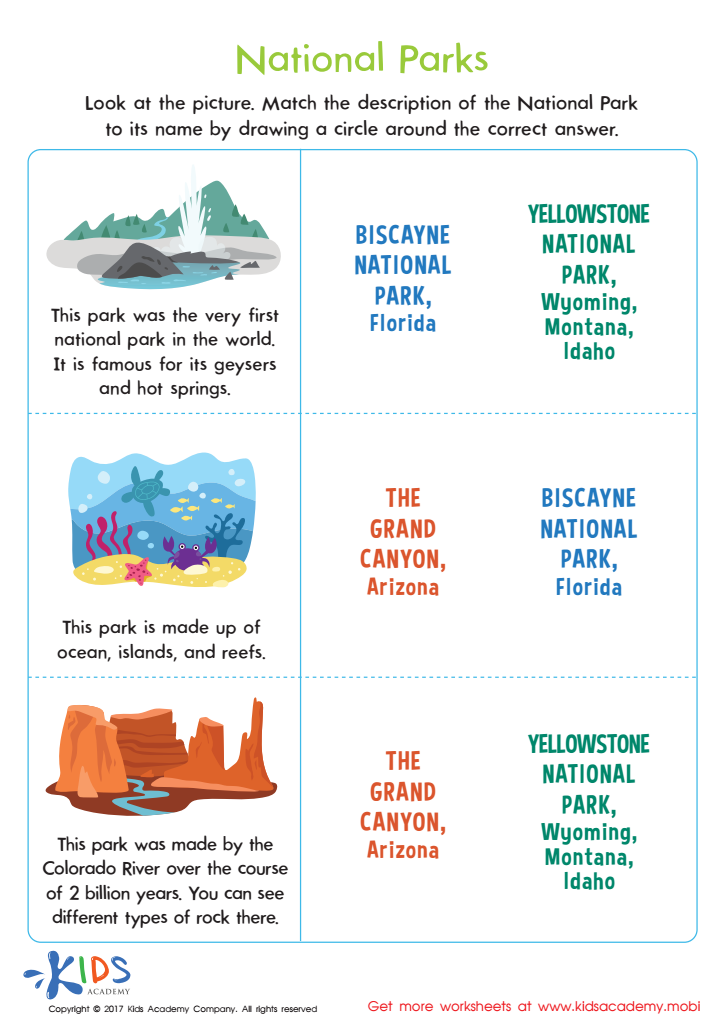
National Parks Printable
Introduce your child to the iconic US national parks with this worksheet! It teaches them important facts and features, and helps them explore the parks from home. Plus, extend their learning with real images from the parks!
National Parks Printable
Worksheet
Join Kids Academy for Free
Who is primarily going to use this learning content?





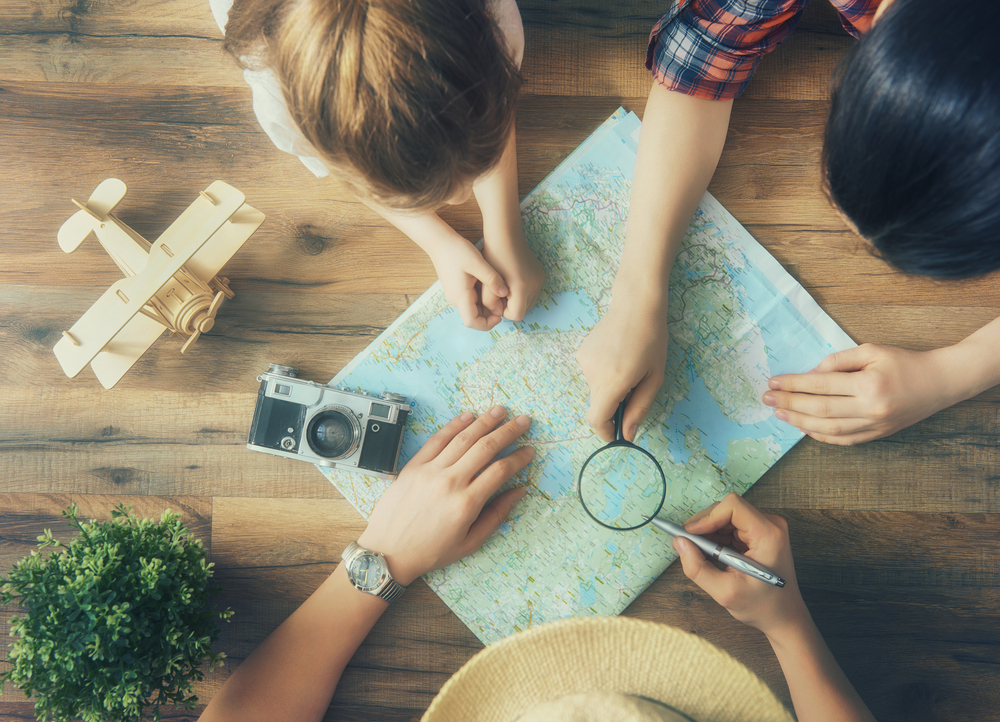
Understanding geography is essential for children aged 6-9 for various reasons. Firstly, knowledge of geography helps develop critical spatial skills and awareness, enabling children to understand their place in the world. This foundational knowledge fosters curiosity about different cultures, countries, and environments, promoting open-mindedness and respect for diversity.
Secondly, geography education connects students to current events by providing context about global issues, such as climate change, migration, and resource distribution. This knowledge fosters informed citizenship, as children learn the importance of taking care of their communities and the planet.
Additionally, geography encourages the development of essential skills, such as critical thinking, problem-solving, and teamwork, especially during activities such as mapping and exploring physical and human landscapes. By engaging in hands-on projects and discussions, children build not only geographical understanding but also social skills.
Finally, exploration and learning about geography can inspire future careers in various fields, from environmental science and urban planning to international relations and travel industries. In sum, nurturing geographical knowledge in young children fosters a well-rounded worldview, encouraging them to engage with and contribute positively to the diverse, interconnected world around them.