Writing practice Normal ABC Letters Worksheets for 6-Year-Olds
6 filtered results
-
From - To
Explore our specially designed "Writing Practice Normal ABC Letters Worksheets" tailored for 6-year-olds! These engaging worksheets focus on helping young learners develop their handwriting skills while familiarizing them with the alphabet. Each worksheet includes fun activities that encourage writing uppercase and lowercase letters, allowing children to practice letter formation in an enjoyable way. Perfect for at-home learning or classroom use, our resources make learning enjoyable and effective. With colorful illustrations and user-friendly layouts, these worksheets will captivate your child’s attention while instilling a sense of accomplishment in their writing journey. Start your child's progress in literacy today!
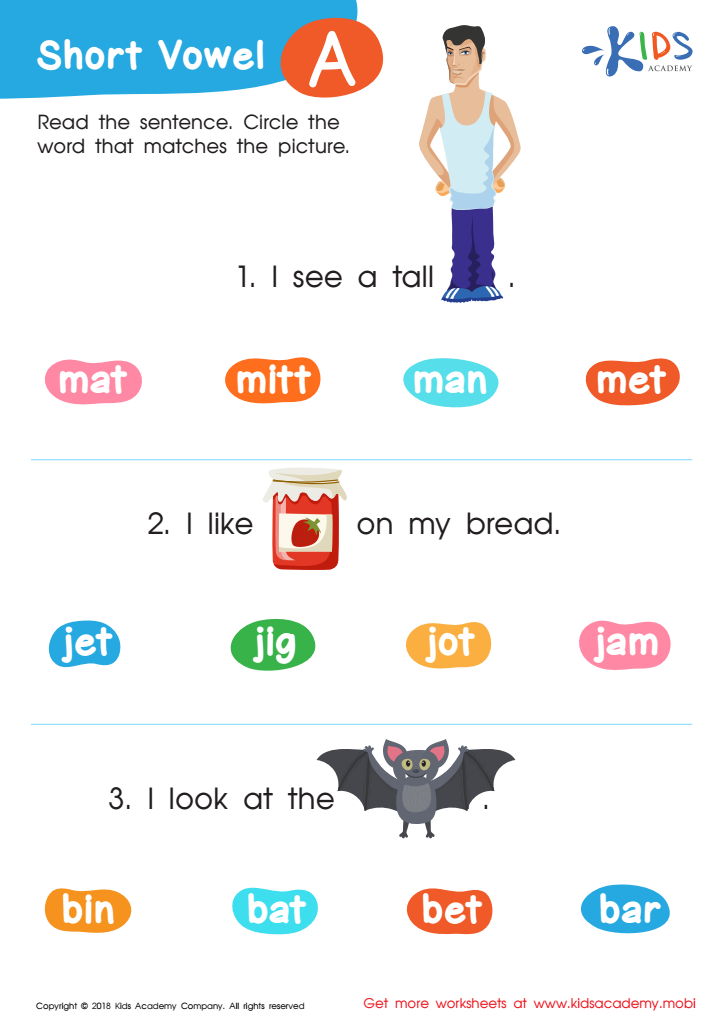
Short Vowel /a/ Worksheet





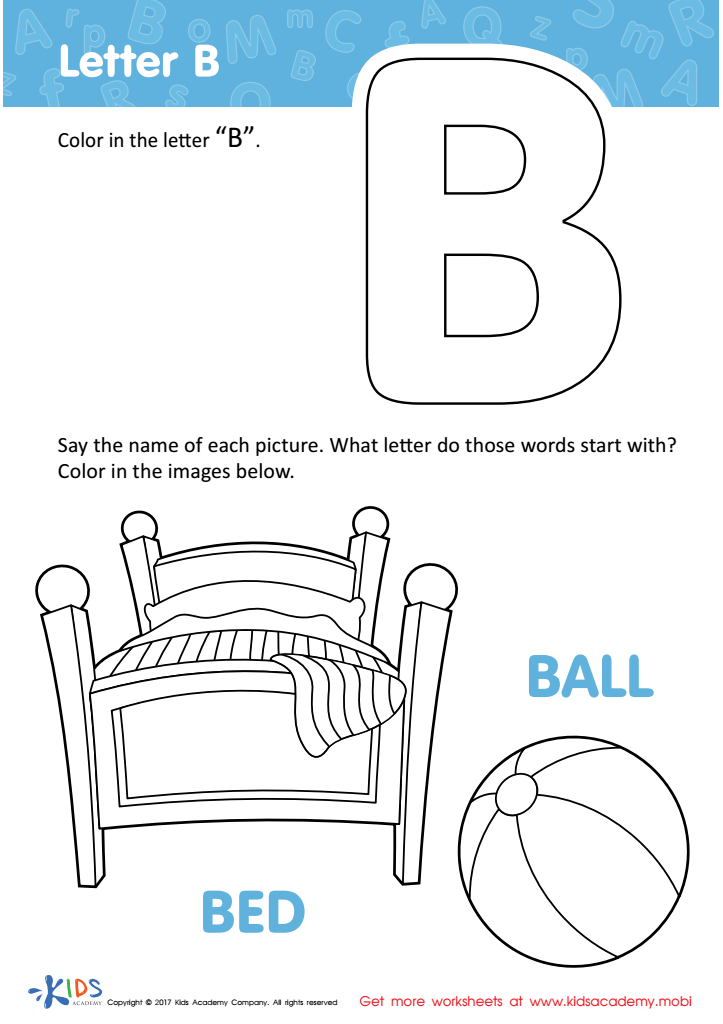
Letter B Coloring Sheet
 Assign to My Students
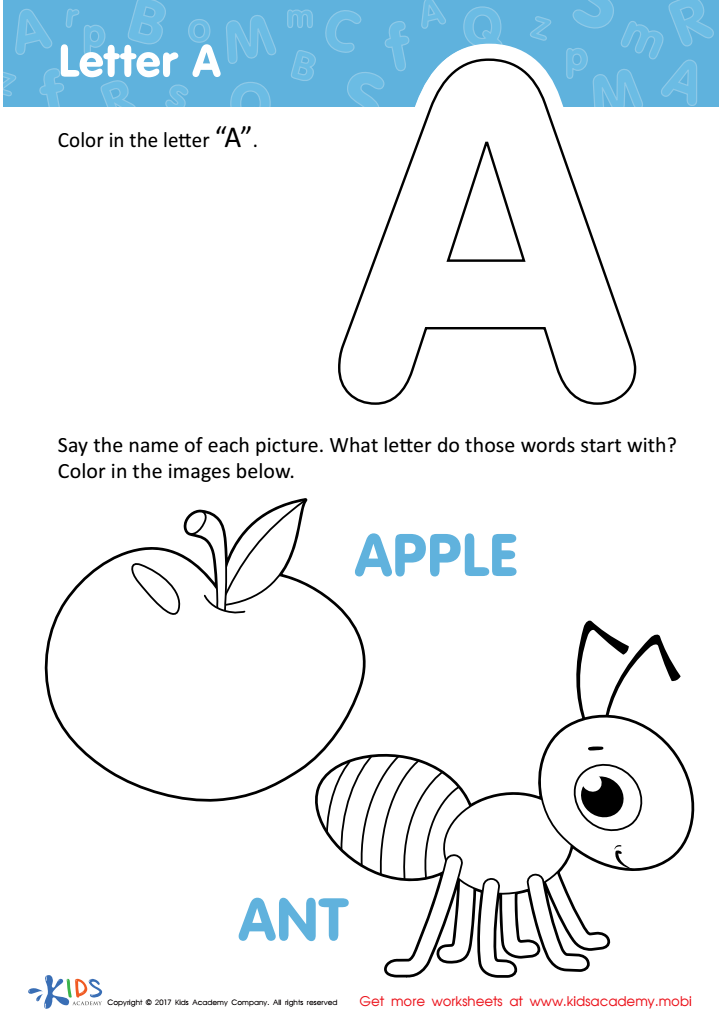
Letter A Coloring Sheet
Assign to My Students

Letter H Tracing Page
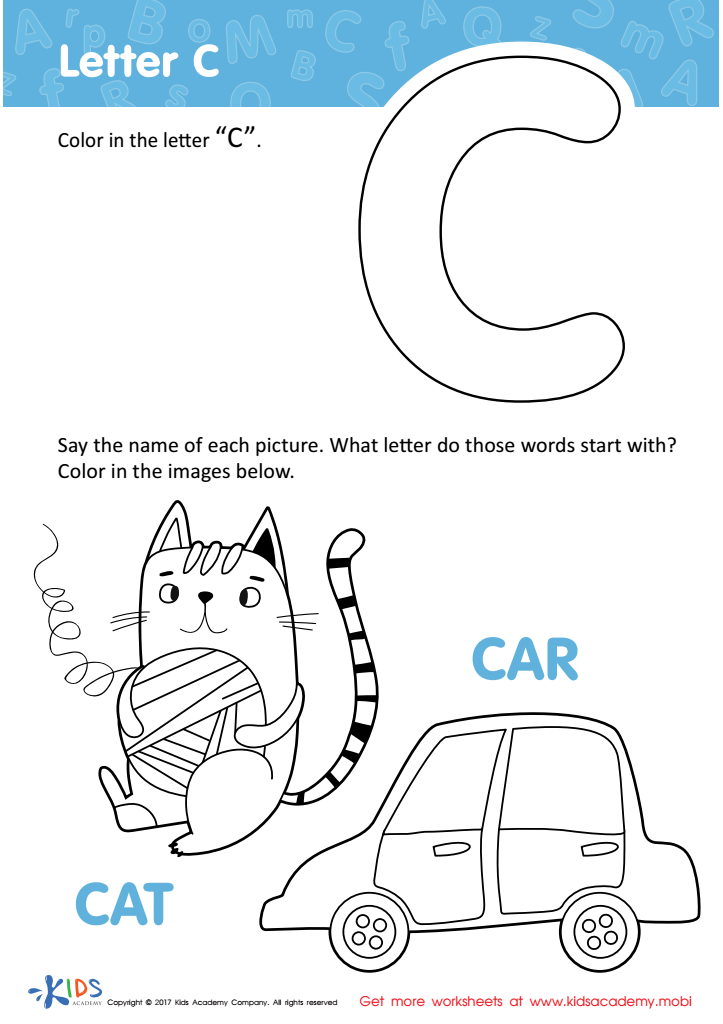
Letter C Coloring Sheet
Assign to My Students
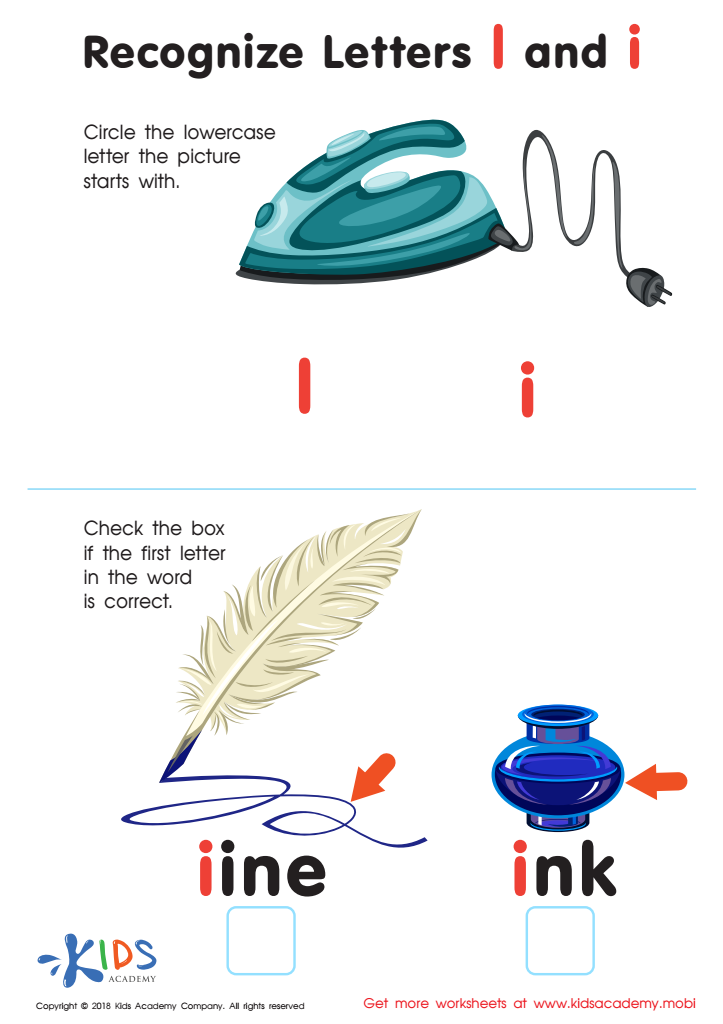
Recognize Letters l and i Worksheet








Writing practice of normal ABC letters is crucial for 6-year-olds due to its key role in their developmental milestones. At this age, children are beginning to transition from emerging literacy skills to more refined writing abilities. Engaging in letter formation helps improve fine motor skills, essential for various everyday activities. As kids learn to write the alphabet, they also strengthen their hand-eye coordination, crucial for both writing tasks and numerous physical activities.
Furthermore, writing practice supports cognitive development. Recognizing and forming letters enhances language skills, enabling children to communicate effectively. It lays the foundation for reading and spelling, vital components of academic success.
In addition to academic benefits, writing nurtures creativity and self-expression. As children start to form letters, they are encouraged to develop their own ideas, which boosts confidence and self-esteem. This development leads to a greater love for writing as they craft stories or express thoughts.
For parents and teachers, fostering writing practice at this critical age can create a strong foundation for lifelong learning. Investing time in this may yield significant benefits in children's education while also promoting a positive learning environment where they feel encouraged to explore their imagination.







