Fine Motor Skills Normal Alphabet Worksheets for 6-Year-Olds - Page 3
51 filtered results
-
From - To
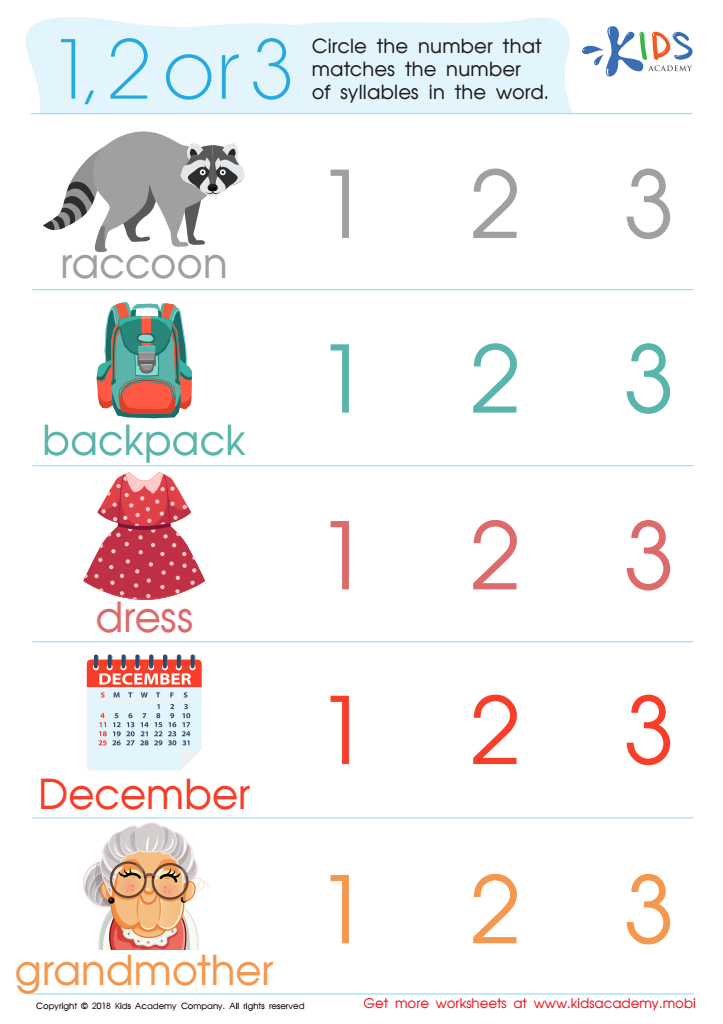
1, 2 or 3? Worksheet
 Assign to My Students

Letter D Tracing Page
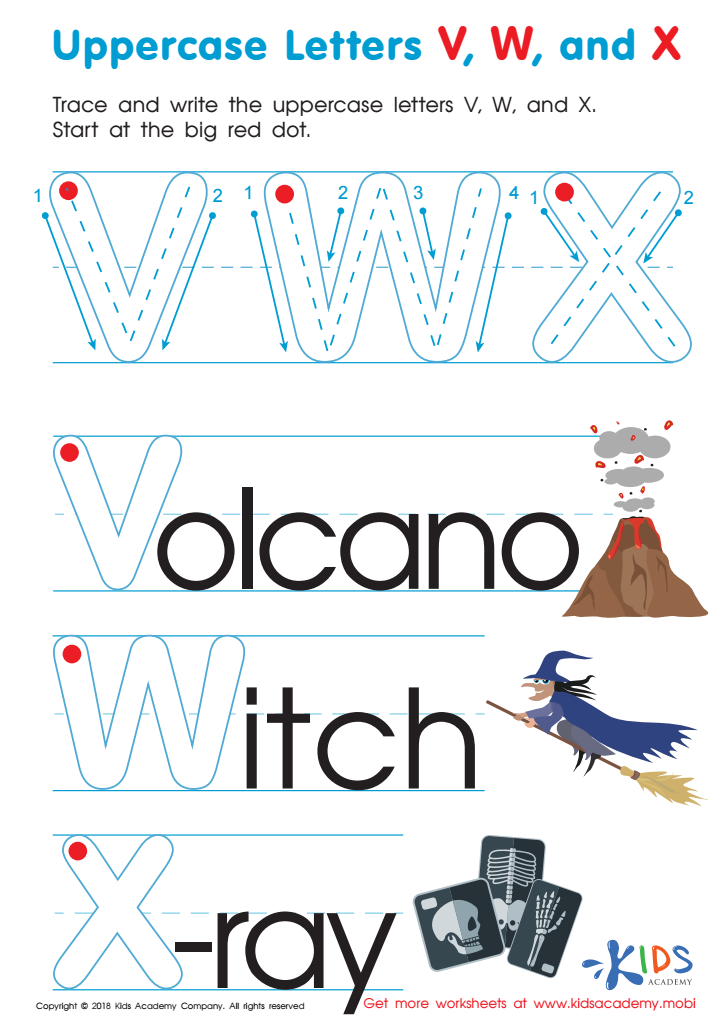
Uppercase Letters V, W, and X Worksheet








Fine motor skills are crucial for 6-year-olds as they lay the foundation for a child's successful academic and everyday functioning. At this age, children are developing the ability to control small muscles, particularly those in their hands and fingers. Mastery of fine motor skills allows them to perform essential tasks, such as writing letters of the alphabet, which is fundamental for effective communication and learning.
For parents and teachers, caring about these skills means recognizing their role in a child's overall growth. Proficient fine motor abilities enhance a child's capacity for tasks like drawing, cutting, and manipulating small objects, which are essential for cognitive development. If not adequately supported, children may struggle with writing and participating in classroom activities, leading to frustration and diminished self-esteem.
Moreover, fine motor skills are linked to later academic success, including proficiency in math and science, as these subjects often require dexterous tasks like measuring and constructing. Supporting a child in this developmental stage encourages not only independence but also promotes creativity and problem-solving skills. By fostering fine motor skills, parents and teachers help children build the confidence and capability necessary for lifelong learning and success in their academic endeavors.







