Handwriting practice Normal Alphabet Worksheets for 6-Year-Olds - Page 2
32 filtered results
-
From - To
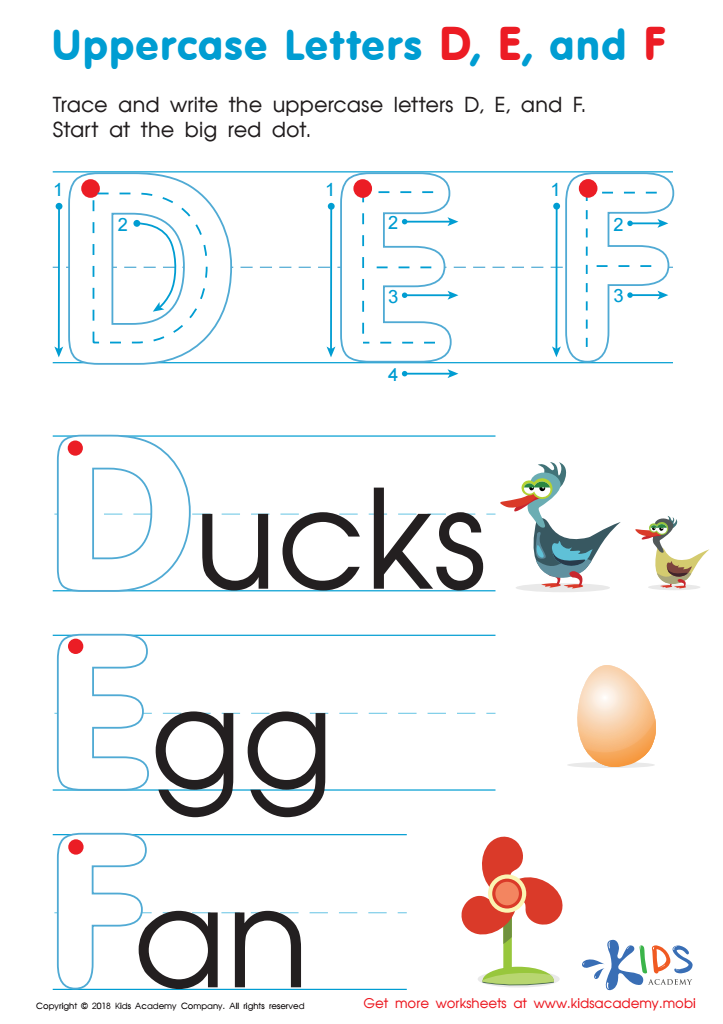
Uppercase Letters D, E, and F Worksheet
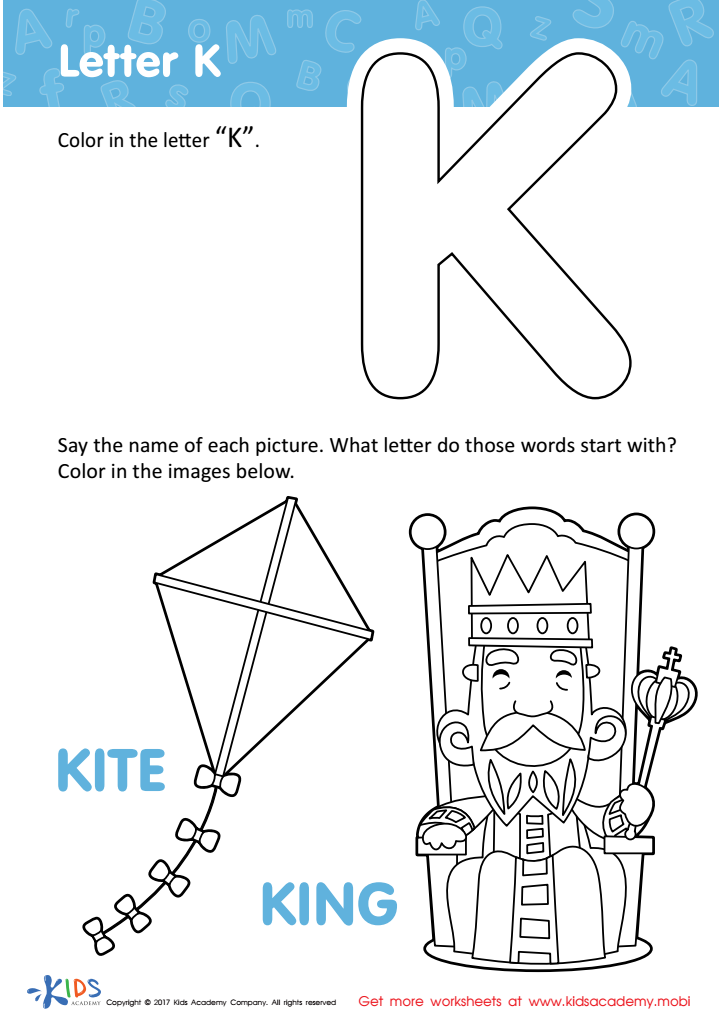
Letter K Coloring Sheet
 Assign to My Students

Uppercase Letters Y Z Worksheet
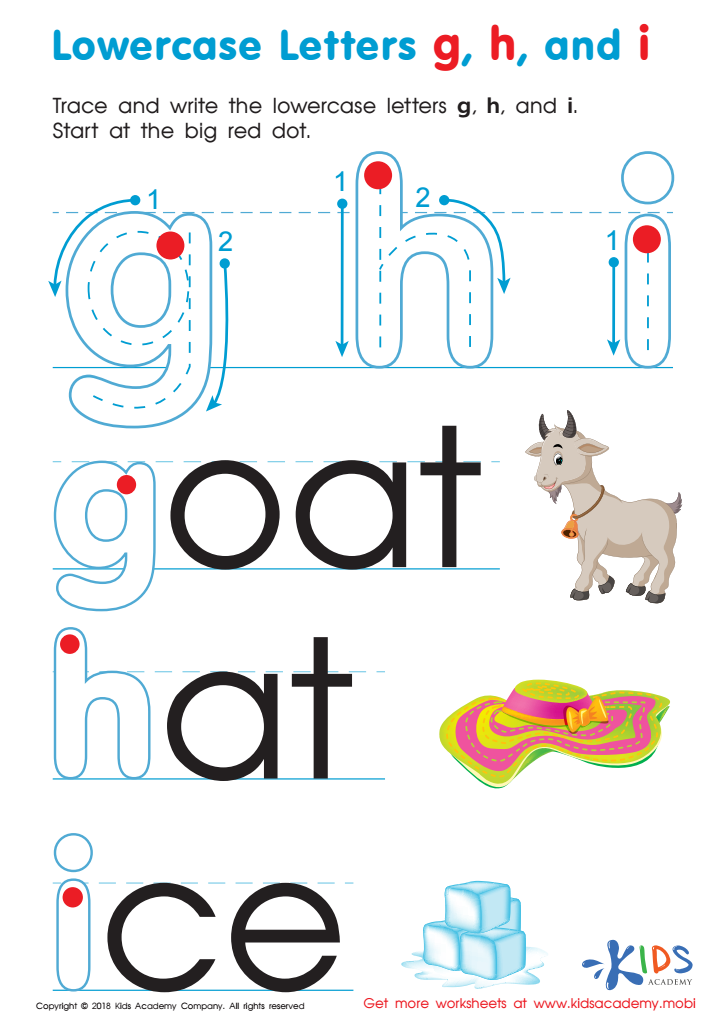
Lowercase Letters g h i Worksheet
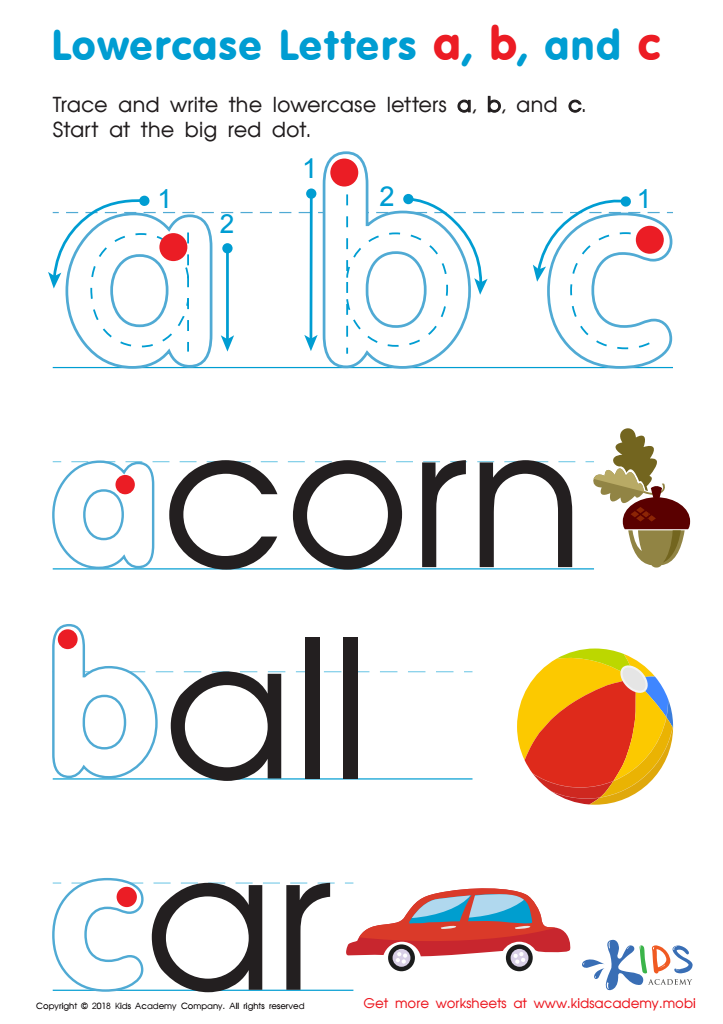
Lowercase Letters a b c Worksheet
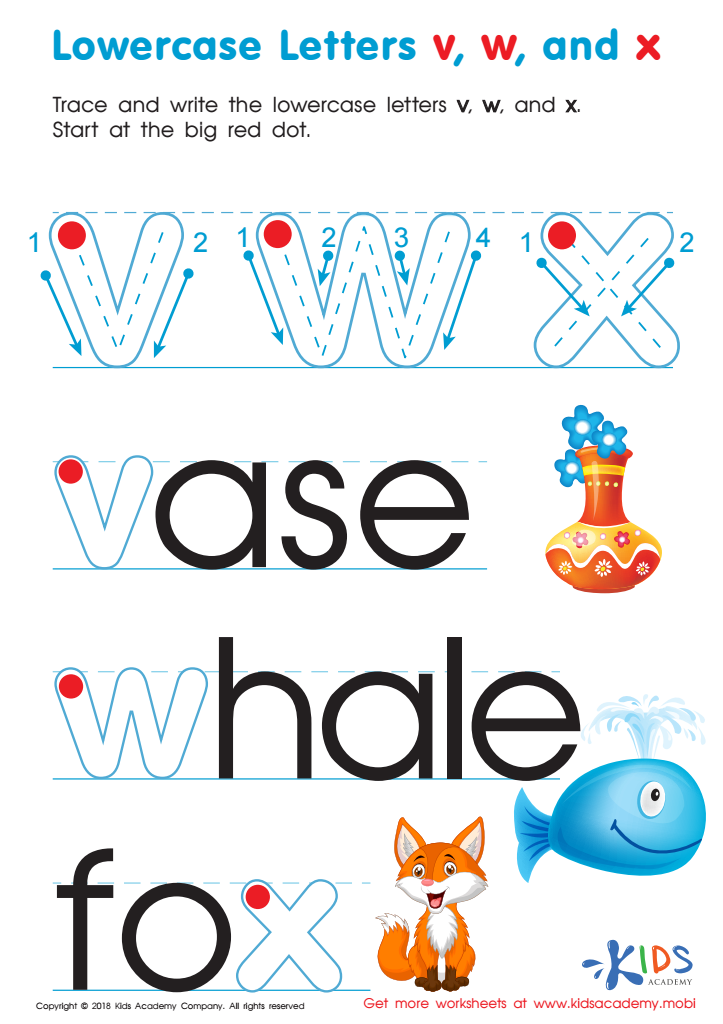
Lowercase Letters v w x Worksheet

Letter N Coloring Sheet
Assign to My Students
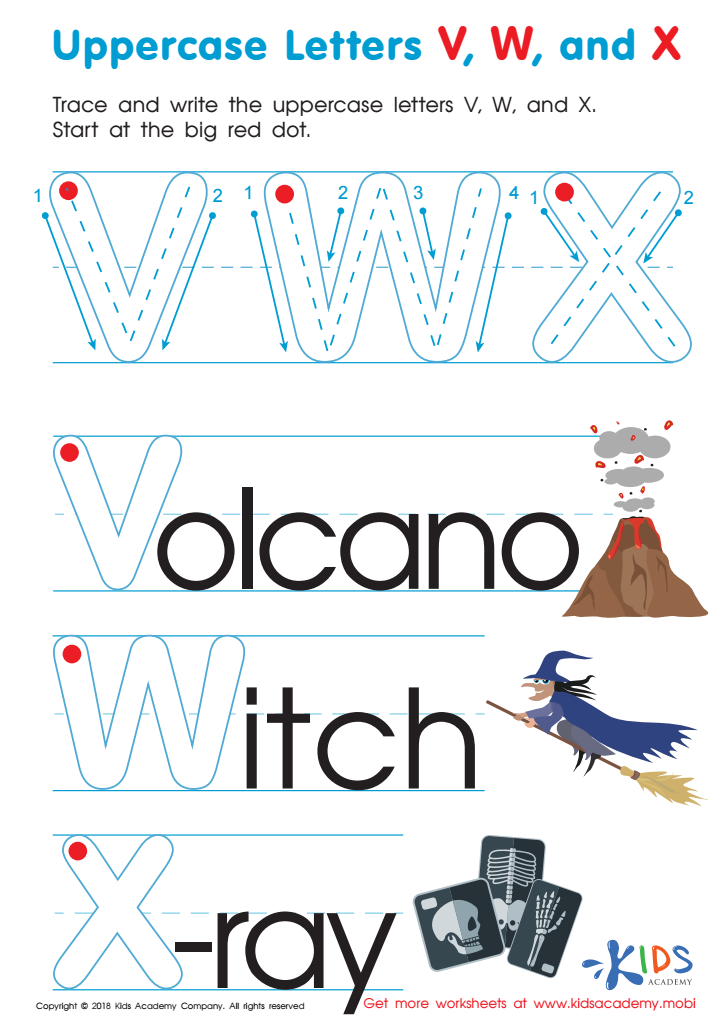
Uppercase Letters V, W, and X Worksheet






Handwriting practice is vital for 6-year-olds, and parents and teachers should prioritize it for several significant reasons. Firstly, handwriting helps children develop fine motor skills and hand-eye coordination, which are essential for many other daily activities, including dressing and eating.
Moreover, learning to write the alphabet enhances cognitive development. It aids in recognizing letter shapes and understanding their associations with sounds, which are fundamental components of reading and language skills. As children practice forming letters, they also improve their memory and attention to detail.
Consistent handwriting practice builds a strong foundation for future academic success. When children can write clearly and efficiently, they are better equipped to express their ideas in essays and other written assignments, directly impacting their performance in various subjects.
Practicing handwriting also involves a significant level of discipline and patience. Children learn persistence as they try to form letters correctly and neatly, fostering a sense of accomplishment that boosts their confidence and self-esteem.
Emphasizing handwriting at an early age not only supports literacy but also ensures that children are well-prepared for the learning complexities they will encounter as they progress in their educational journey. In essence, it's a small step with profound, long-lasting benefits.







