Problem-Solving Skills Normal Alphabet Worksheets for 6-Year-Olds
6 filtered results
-
From - To
Enhance your child's critical thinking and creativity with our Problem-Solving Skills Normal Alphabet Worksheets designed for 6-year-olds. These engaging activities help young learners connect letters with problem-solving scenarios, fostering analytical skills and patience. Each worksheet is packed with fun challenges and exercises that promote cognitive development, letter recognition, and strategic thinking. Perfect for home or classroom use, our worksheets transform learning the alphabet into an adventurous journey that stimulates the mind and encourages perseverance. Introduce problem-solving to your child in an enjoyable and educational way with our expertly designed worksheets.
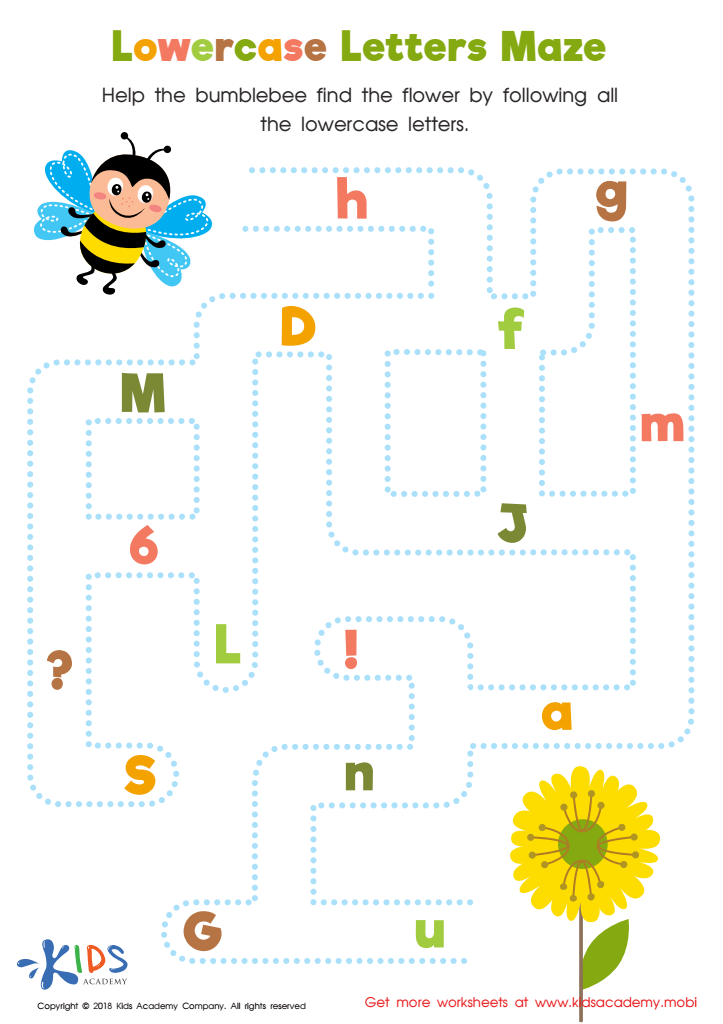
Lowercase Letters Maze Worksheet
 Assign to My Students
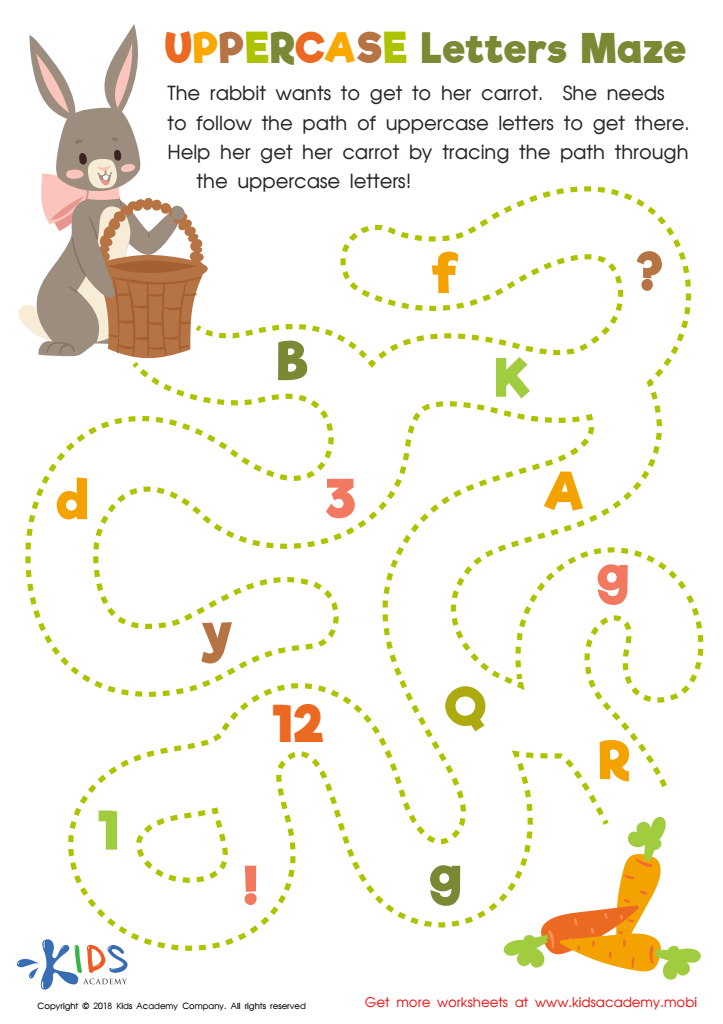
Uppercase Letters Maze Worksheet
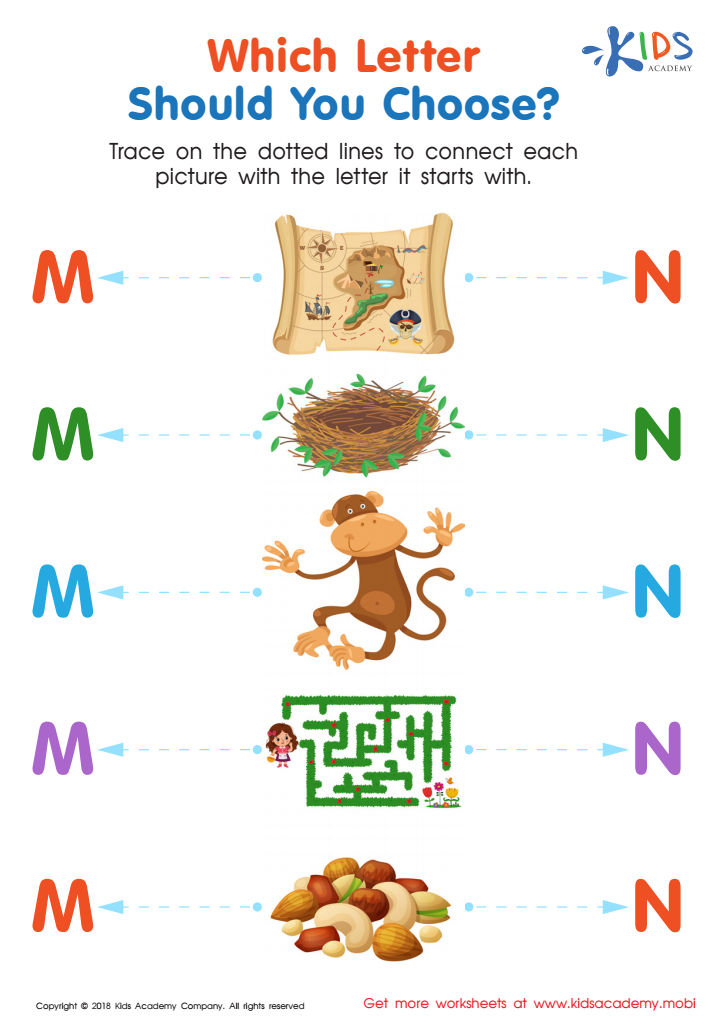
Which Letter Should you Choose? Worksheet
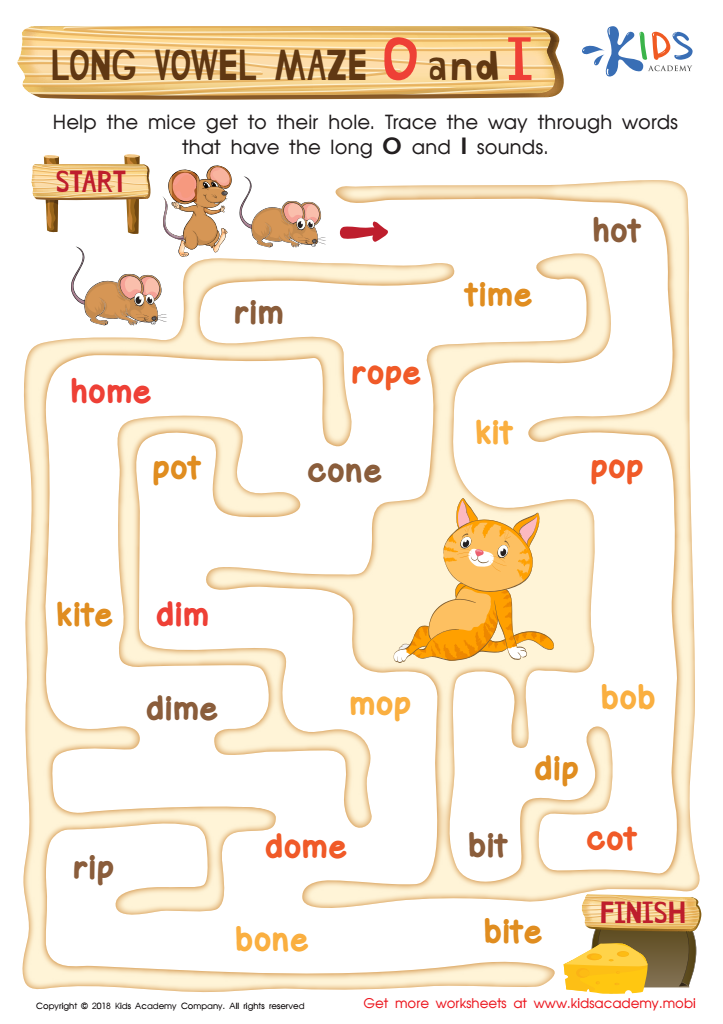
Long Vowel Maze /o/ and /i/ Worksheet
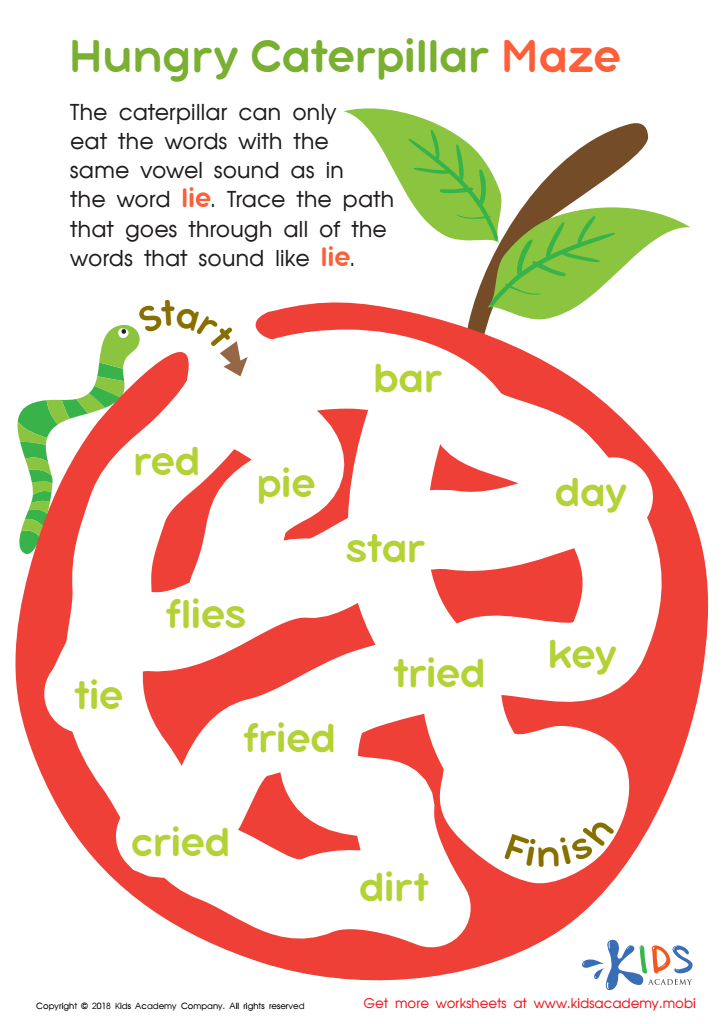
Hungry Caterpillar Maze Worksheet
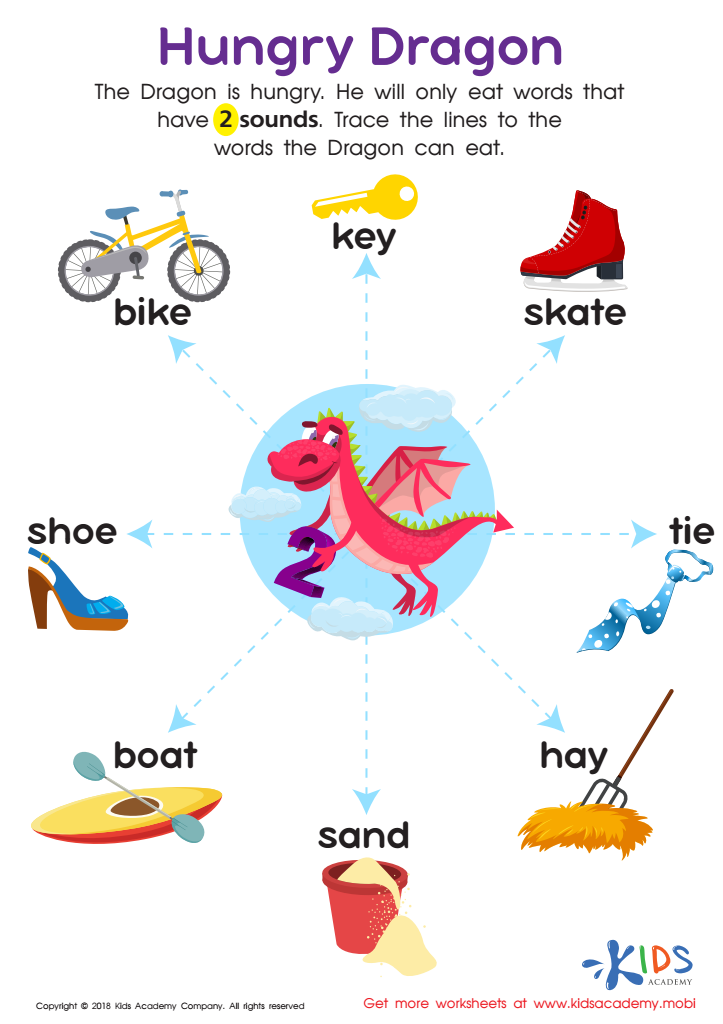
Hungry Dragon Worksheet








Problem-solving skills are crucial for 6-year-olds as they lay the foundation for critical thinking, creativity, and resilience, which are essential traits for lifelong learning and success. At this age, children's brains are developing rapidly, and nurturing their ability to solve problems helps to create neural pathways that support advanced cognitive processes. These skills enable young learners to approach challenges logically, learn through trial and error, and build confidence in their abilities.
For parents and teachers, encouraging problem-solving equips children with tools to handle everyday tasks and social interactions more independently. When children engage in problem-solving activities, they learn to make decisions, analyze situations, and develop patience and perseverance. This prepares them not only for academic success but also for real-life situations where they need to think on their feet.
Moreover, fostering problem-solving abilities promotes teamwork and communication when children work together to find solutions. They learn to listen, articulate their thoughts, and respect different viewpoints, which are vital for their emotional and social development. Overall, a focus on problem-solving at this formative age helps create adaptable, thoughtful, and resourceful individuals, capable of navigating an increasingly complex world.







