Letter-sound association Normal Letter Recognition Worksheets for 6-Year-Olds
5 filtered results
-
From - To
Unlock the magic of reading with our Letter-Sound Association Normal Letter Recognition Worksheets specially designed for 6-year-olds. These engaging worksheets from Kids Academy help children effortlessly connect letters with their corresponding sounds, fostering strong foundational literacy skills. Vibrant illustrations and interactive activities make learning enjoyable and effective, cultivating an early love for reading. Perfect for classrooms, homeschooling, or extra practice at home, our expertly crafted worksheets ensure that each child progresses confidently at their own pace. Empower your young learner to master essential letter-sound recognition and pave the way for successful reading adventures!
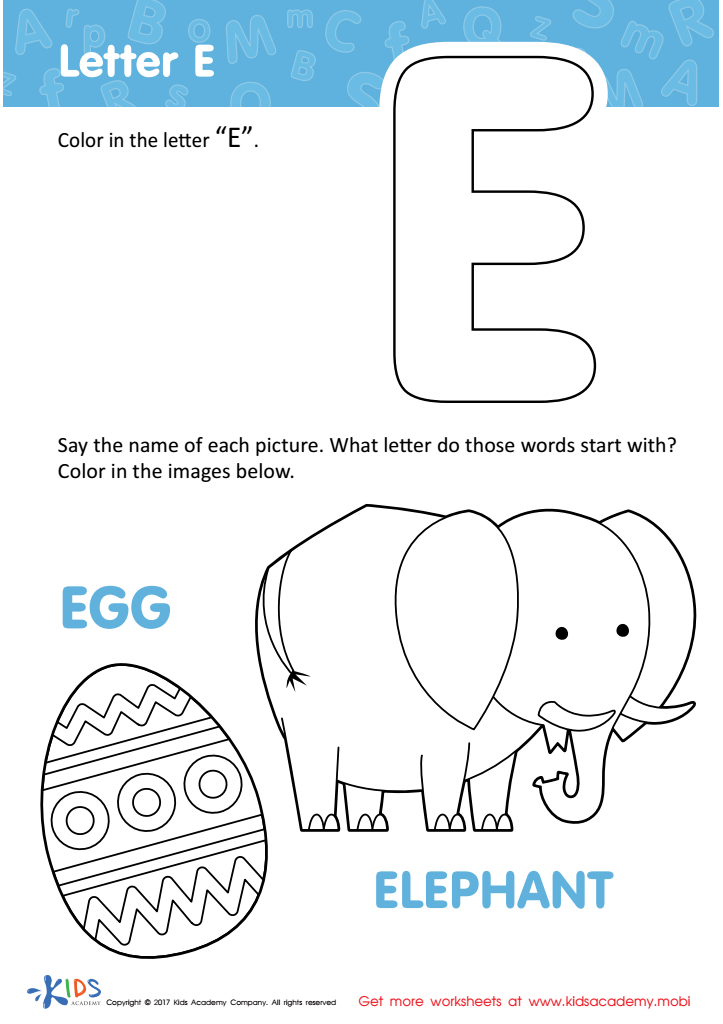
Letter E Coloring Sheet
 Assign to My Students
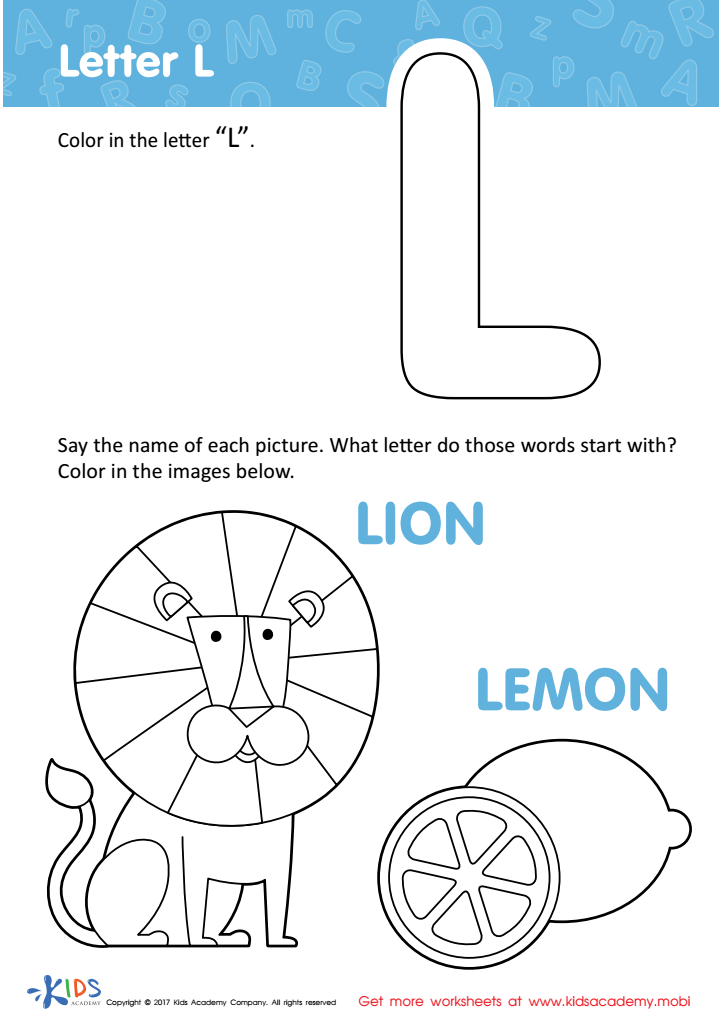
Letter L Coloring Sheet
Assign to My Students
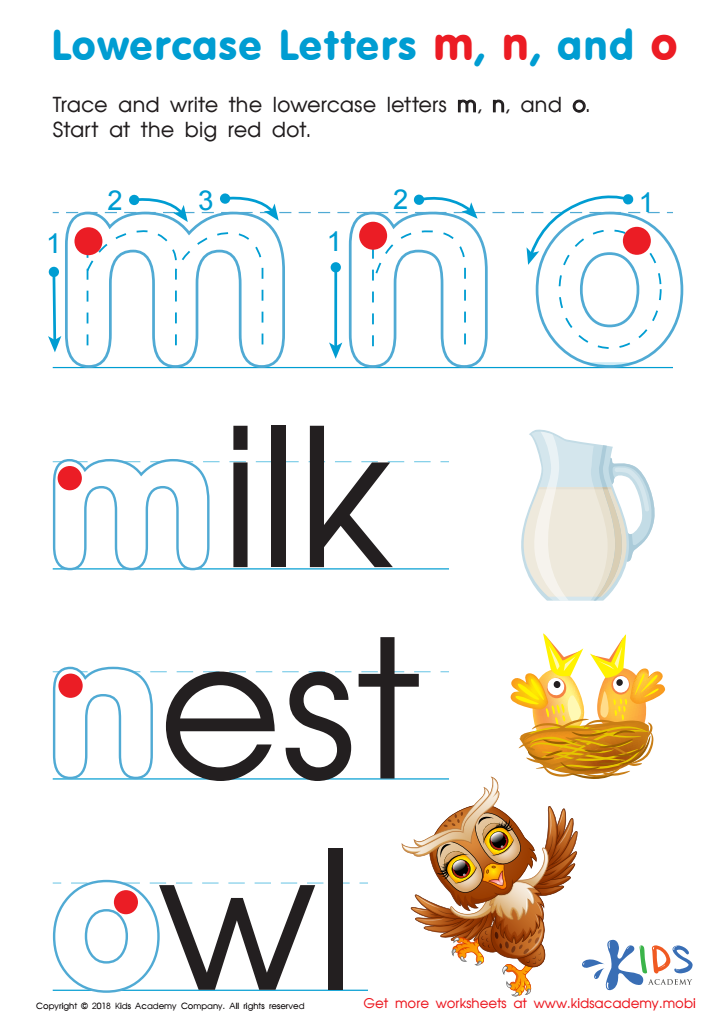
Lowercase Letters m n o Worksheet
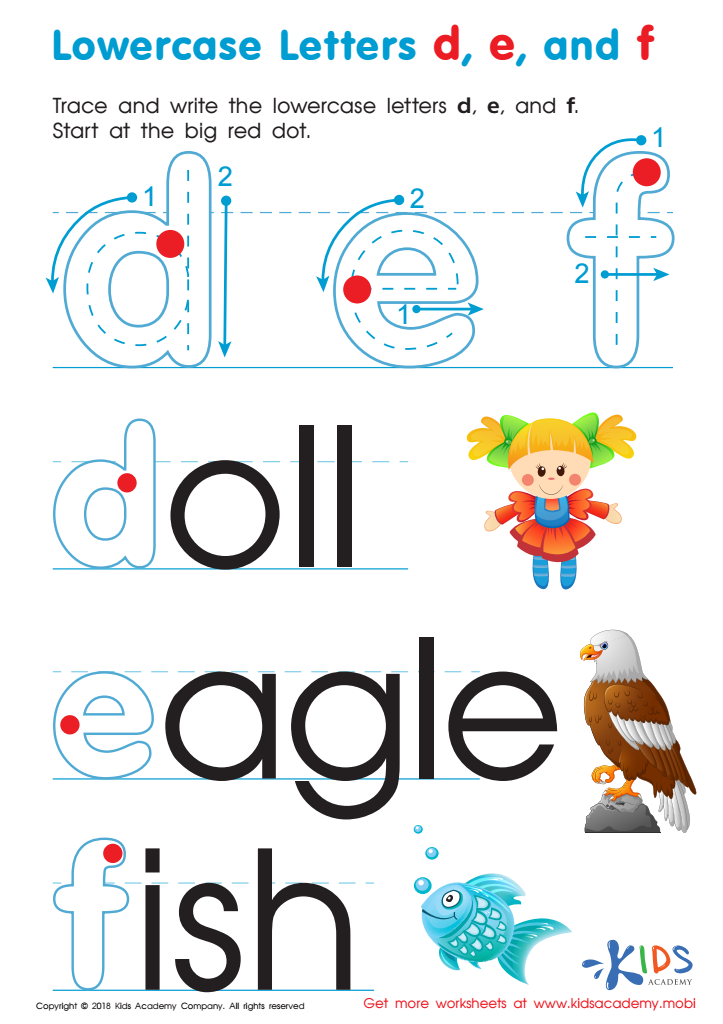
Lowercase Letters d e f Worksheet
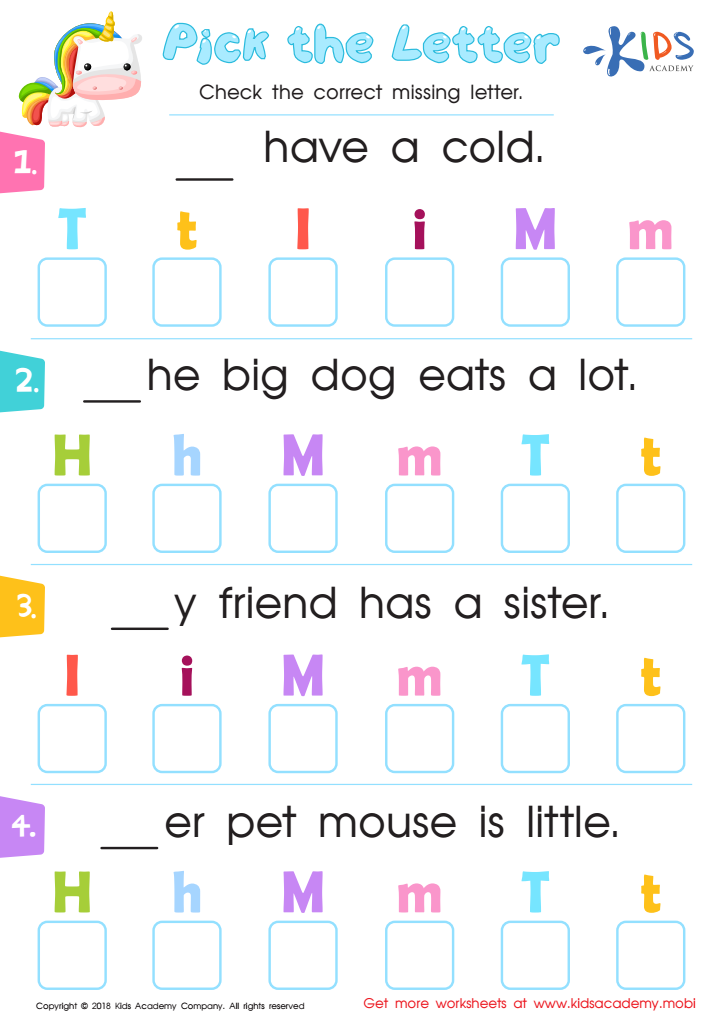
Pick the Letter Worksheet








Understanding letter-sound associations and recognizing letters are fundamental skills that lay the groundwork for reading and writing proficiency, critical developmental milestones for 6-year-olds. First, grasping letter-sound associations enables children to decode words. When children understand that each letter corresponds to specific sounds, they can blend these sounds to form words, a key component of reading fluently.
Second, normal letter recognition is closely linked to familiarity and comfort with written language. When children recognize letters effortlessly, they can focus more on comprehending text instead of struggling to identify each symbol on a page. This smoother reading experience fosters greater engagement and enjoyment in books and written activities, nurturing a lifelong love for reading.
Furthermore, these skills play a crucial role in academic success. Nearly every school subject relies on the ability to read and write. Children who achieve these early literacy milestones are typically better prepared for the academic challenges that lie ahead, which can boost their confidence and self-esteem.
Parents and teachers who prioritize letter-sound association and letter recognition are setting children up for a brighter educational future. Early intervention and continuous support in these areas can bridge potential gaps and ensure that all children have the opportunity to succeed academically.








