Reading comprehension Normal Long And Short Vowel Worksheets for 6-Year-Olds
7 filtered results
-
From - To
Discover engaging Reading Comprehension Worksheets designed specifically for 6-year-olds, focusing on long and short vowels. These carefully crafted resources help young learners enhance their understanding of vowel sounds while improving their reading skills. With a mix of fun-filled activities, stories, and questions, students can practice identifying vowel patterns and make connections to storytelling. Our worksheets cater to various learning styles, ensuring that each child finds joy in reading and comprehension. Perfect for classroom activities or home learning, these resources promote a love for reading in an interactive and enjoyable way. Start your child's literacy journey with our vibrant, educational worksheets today!
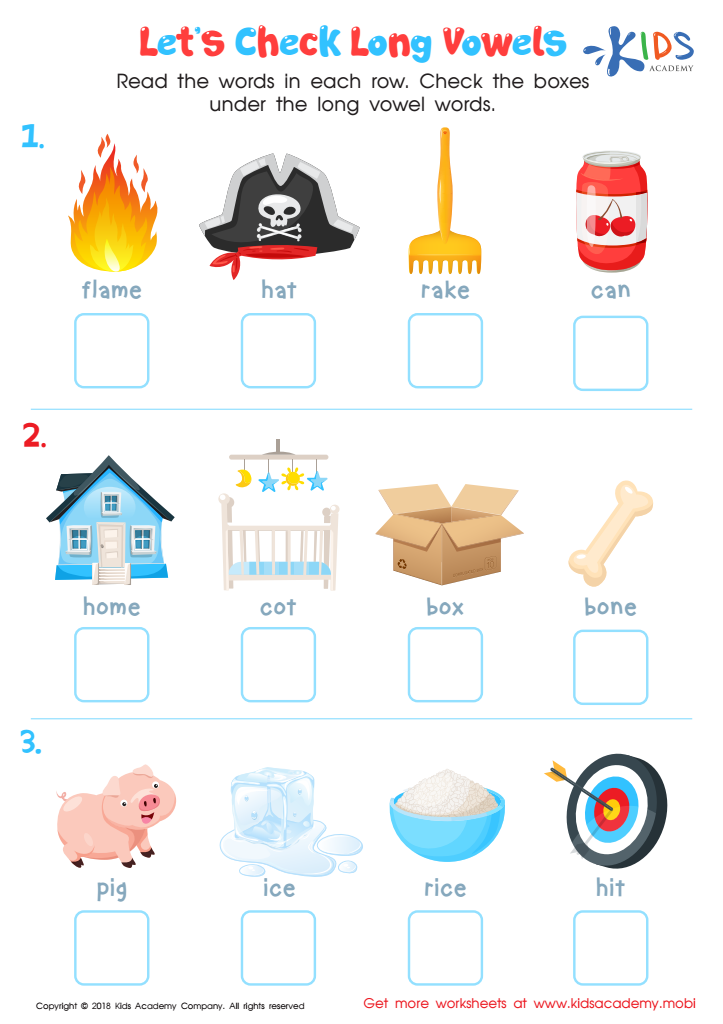
Let's Check Long Vowels: Assessment Worksheet
 Assign to My Students
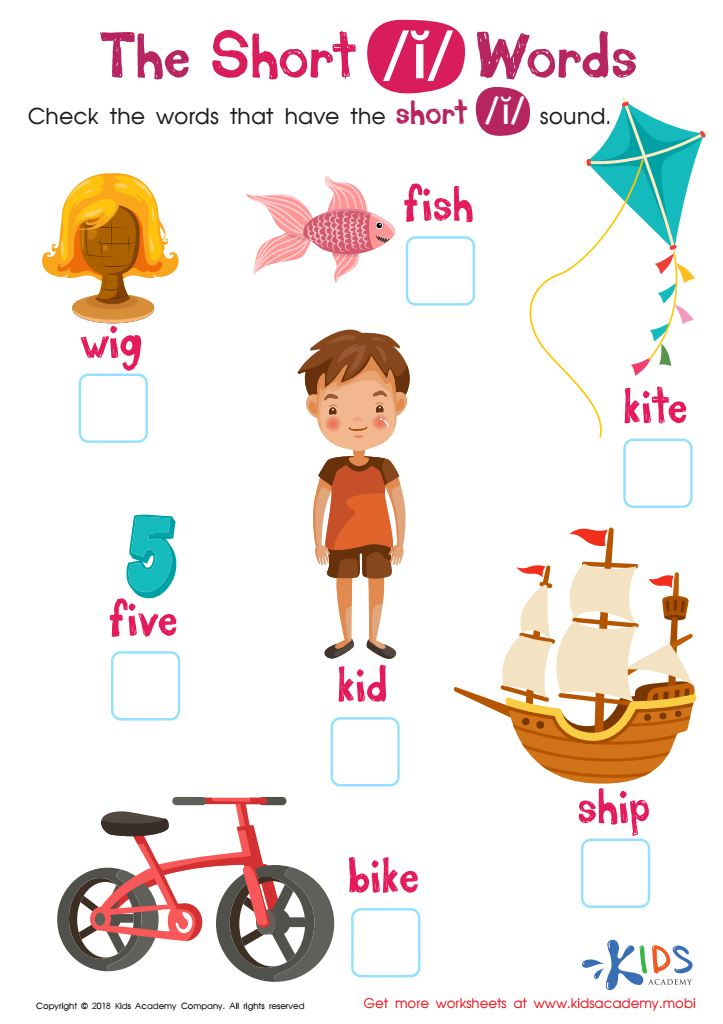
The Short I Words Reading Worksheet
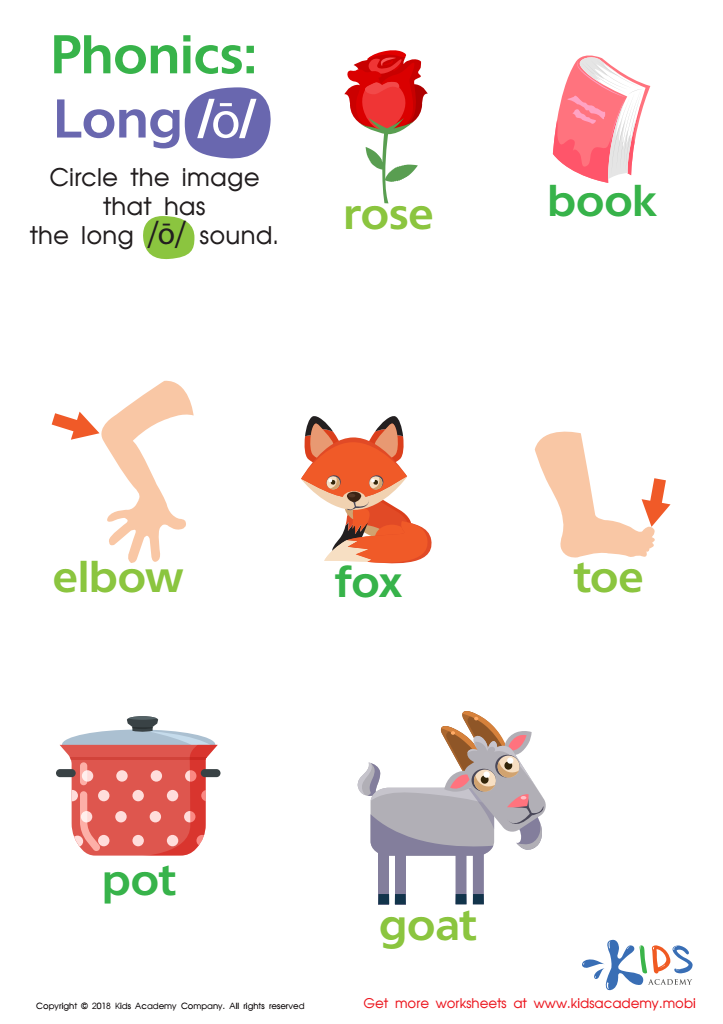
Phonics Long O Reading Worksheet
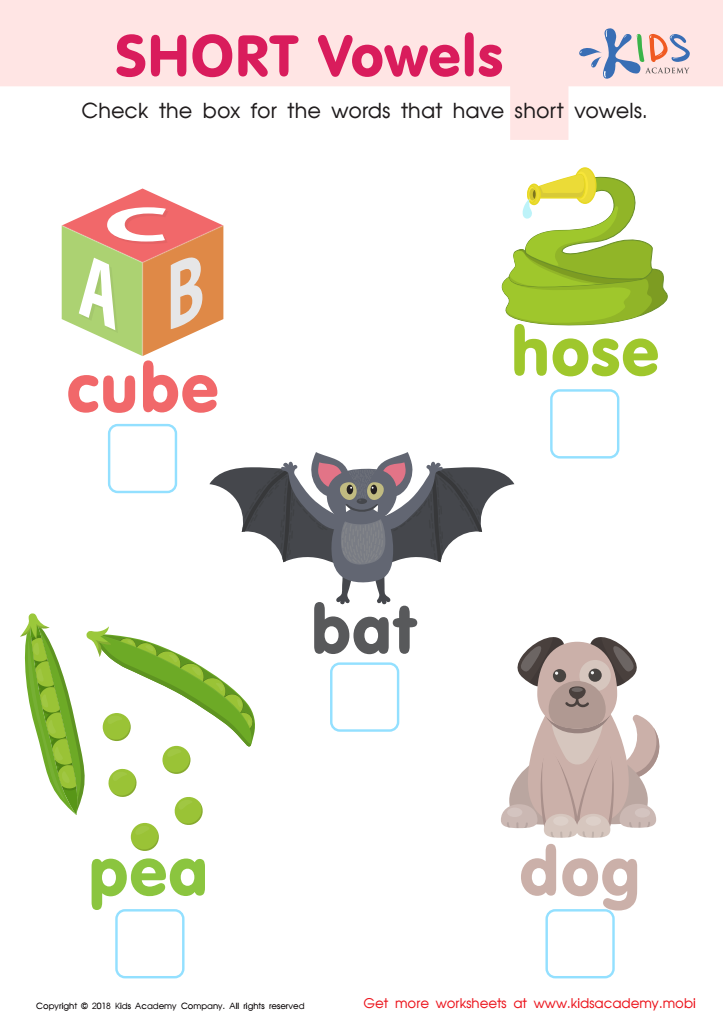
short vowels Worksheet
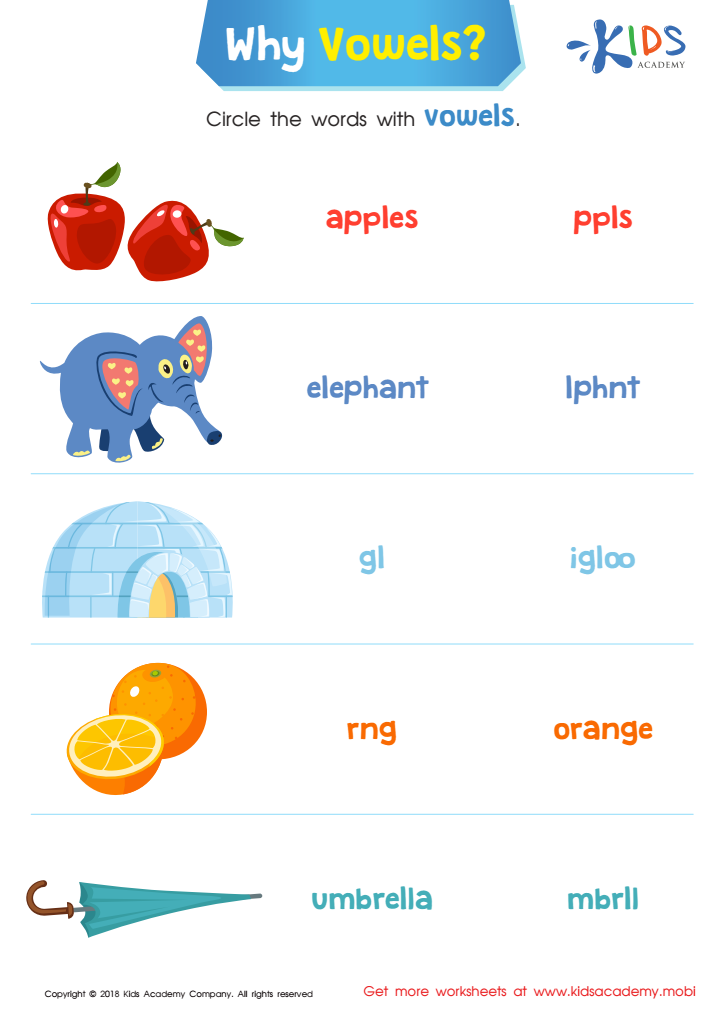
Why Vowels? Reading Worksheet
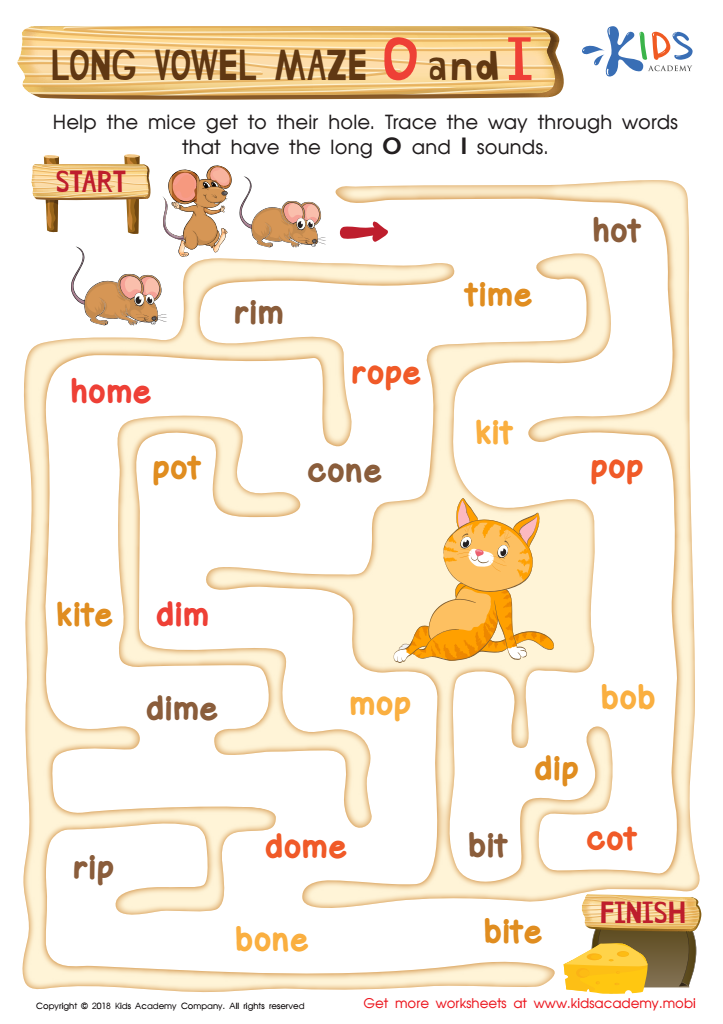
Long Vowel Maze /o/ and /i/ Worksheet
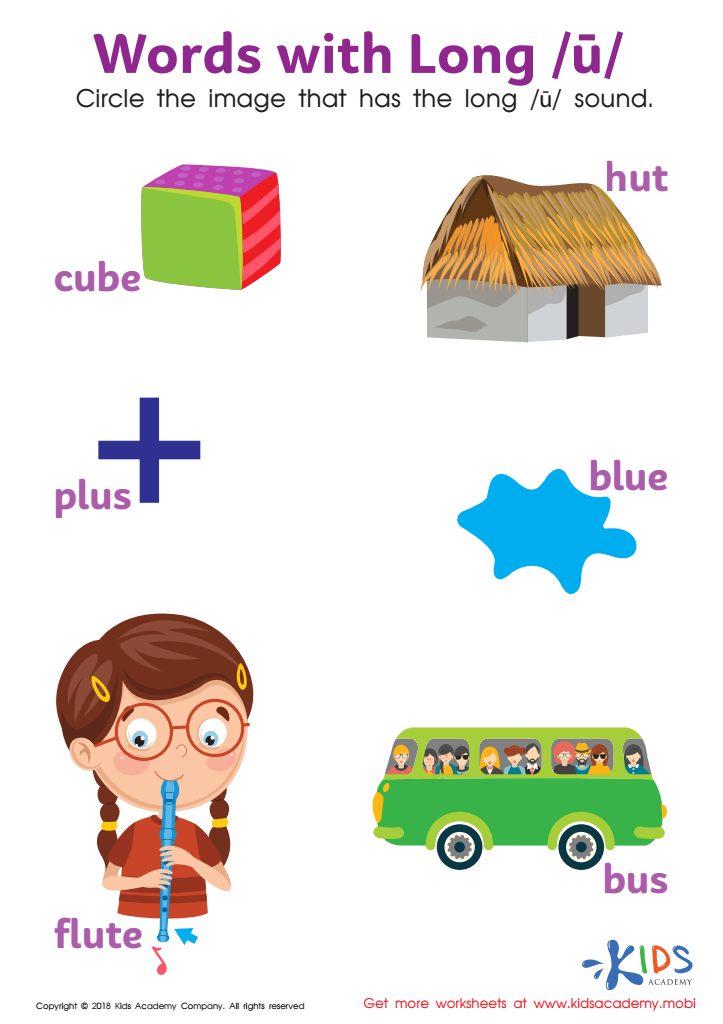
Words with Long U Reading Worksheet




Reading comprehension, specifically the understanding of normal long and short vowels, is crucial for 6-year-olds as it lays the foundational skills for lifelong literacy. At this age, children are transitioning from learning to read to reading to learn. Mastery of vowel sounds is essential, as they form the backbone of word structure and pronunciation. Understanding the difference between long and short vowels helps children decode words more effectively, improving their reading fluency.
Parents and teachers play a vital role in reinforcing these skills. By caring about reading comprehension, they prepare children for more complex texts and concepts in the future. When children grasp vowel sounds, they gain confidence in their reading abilities; this fosters curiosity and a love for literature. Strong comprehension skills are linked to better performance in all academic areas, making it essential for educational success.
Moreover, helping children with this early stage of reading sets them on a positive trajectory, reducing the likelihood of future reading difficulties. Engaging stories and interactive activities related to vowel sounds can make learning enjoyable, making parents and teachers essential partners in fostering strong literacy skills. By prioritizing reading comprehension, they empower children to express themselves and engage with the world around them.