Vocabulary Building Normal Phonics Worksheets for 6-Year-Olds
4 filtered results
-
From - To
Enhance your child's language skills with our "Vocabulary Building Normal Phonics Worksheets for 6-Year-Olds." These engaging, age-appropriate activities are designed to help young learners expand their vocabulary and understand phonics through fun exercises. Each worksheet focuses on essential phonics rules and introduces new words in a simple, captivating manner. Perfectly tailored for 6-year-olds, our worksheets foster a love for reading and learning, assisting in the development of confident communicators. Explore our collection today to give your child the tools they need for academic success and a brighter future!
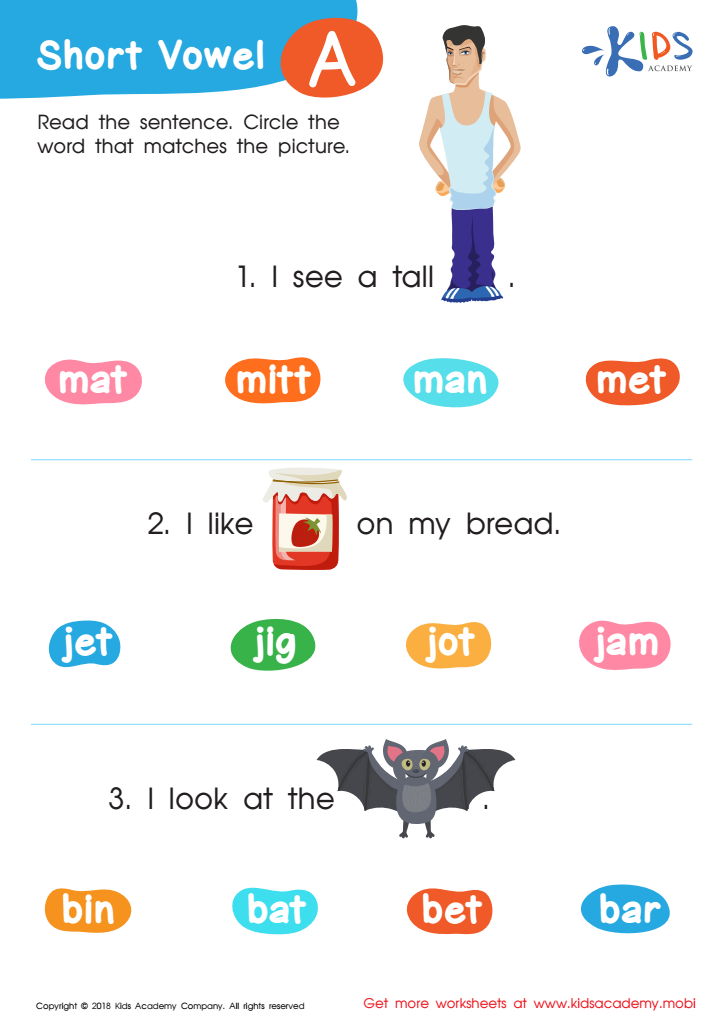
Short Vowel /a/ Worksheet
 Assign to My Students
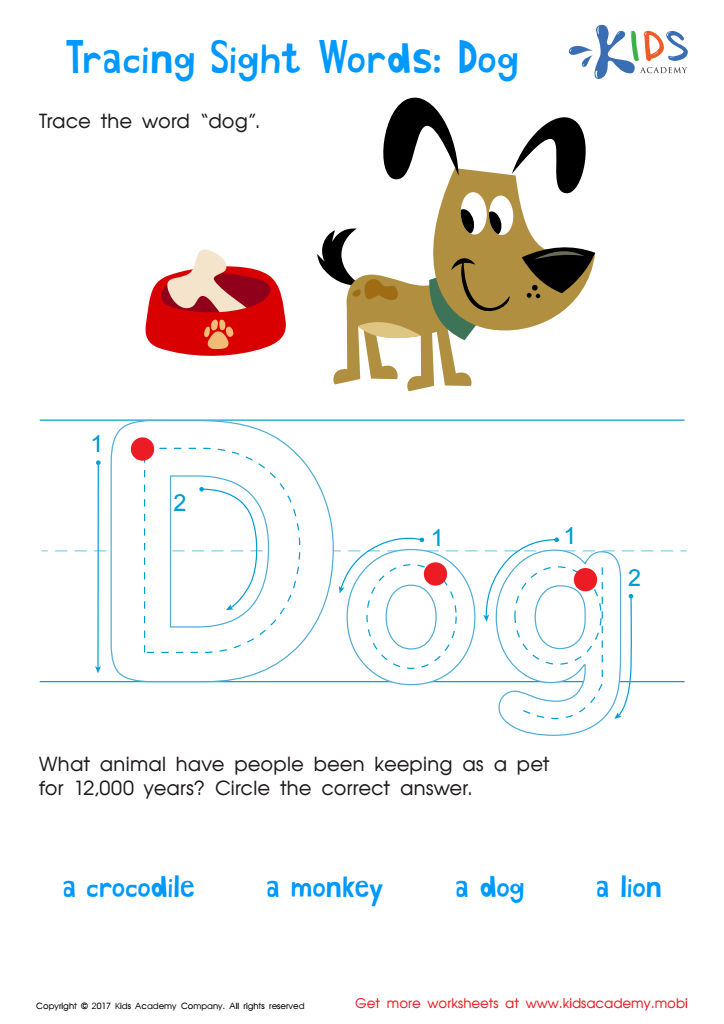
Dog Worksheet Sight Words Worksheet
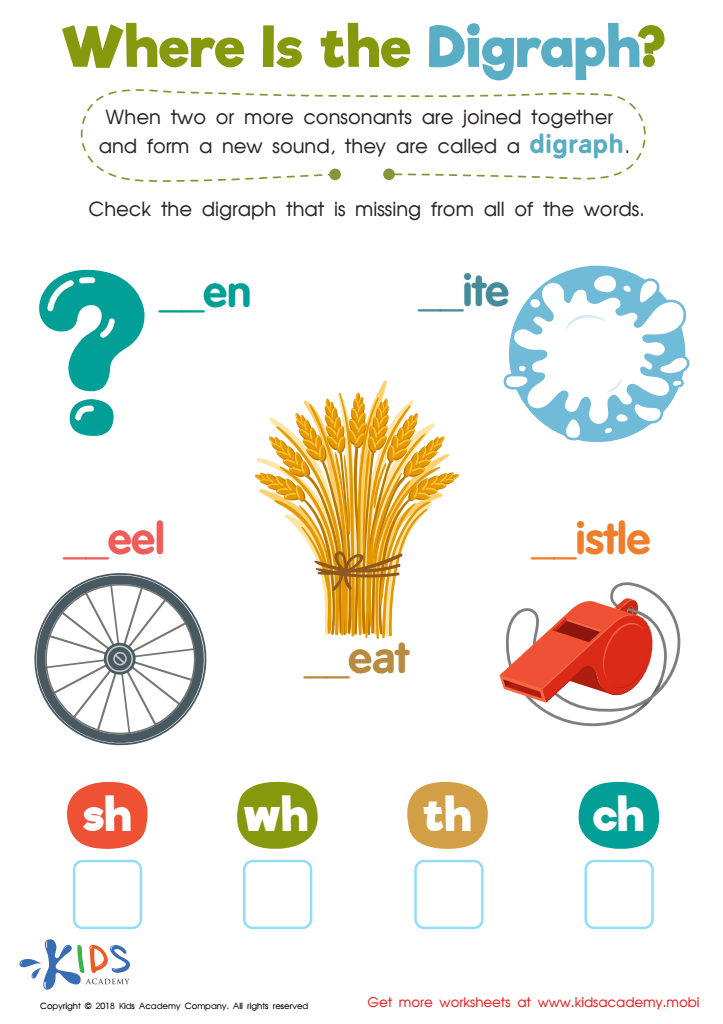
Where Is the Digraph? Worksheet
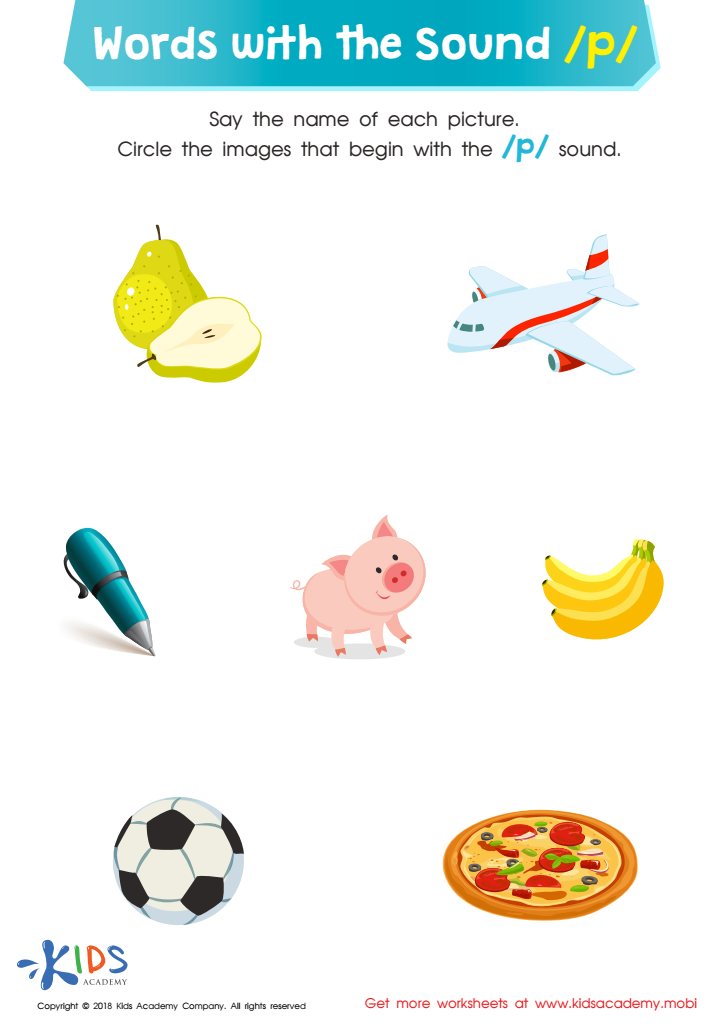
Words with sound p Reading Worksheet








Vocabulary building and phonics are foundational components of early literacy, crucial for 6-year-olds' academic and social development. Parents and teachers should care about these aspects for several reasons.
Firstly, a robust vocabulary enhances communication skills, enabling children to express their thoughts, emotions, and needs more effectively. This fosters better relationships with peers and adults, promoting social-emotional growth.
Normal phonics instruction is essential for decoding words, which is a critical step in reading proficiency. Phonics helps children understand the relationship between letters and sounds, making it easier for them to read new words and comprehend texts. This boosts their confidence and enjoyment in reading, fostering a lifelong love for learning.
Moreover, early vocabulary building and phonics skills are predictors of future academic success. Proficient readers are better equipped to grasp complex subjects, think critically, and perform well across all subjects, including math and science.
Lastly, focusing on these skills at an early age can mitigate the risk of reading difficulties later. Early intervention ensures that all children have the tools they need to thrive academically, regardless of their background.
In sum, prioritizing vocabulary building and phonics for 6-year-olds lays a strong foundation for effective communication, reading proficiency, academic achievement, and lifelong learning.







