Problem-Solving Skills Normal Upper & Lowercase Letters Worksheets for 6-Year-Olds
3 filtered results
-
From - To
Our Problem-Solving Skills Normal Upper & Lowercase Letters Worksheets for 6-Year-Olds are designed to make learning engaging and effective. These worksheets help children practice and distinguish between upper and lower case letters while enhancing their problem-solving abilities. Suitable for young learners, the activities combine letter recognition with fun, challenging puzzles. By completing these worksheets, kids not only improve their alphabet knowledge but also develop critical thinking and analytical skills. Perfect for use at home or in the classroom, these printables aim to boost your child’s confidence in both literacy and problem-solving, setting a strong foundation for future learning.
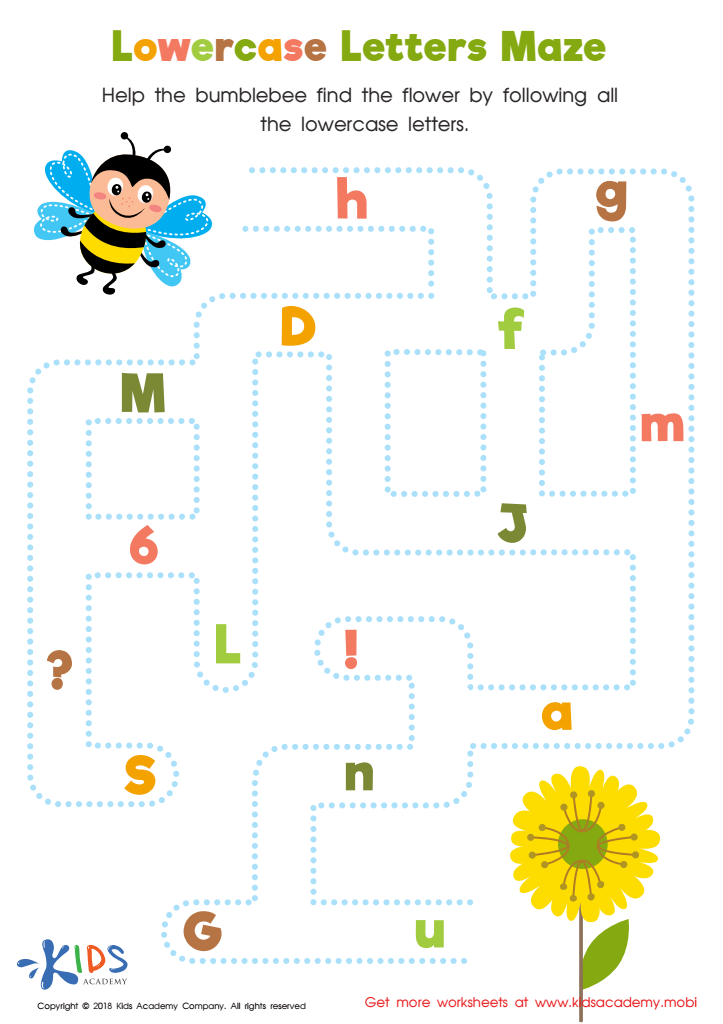
Lowercase Letters Maze Worksheet
 Assign to My Students


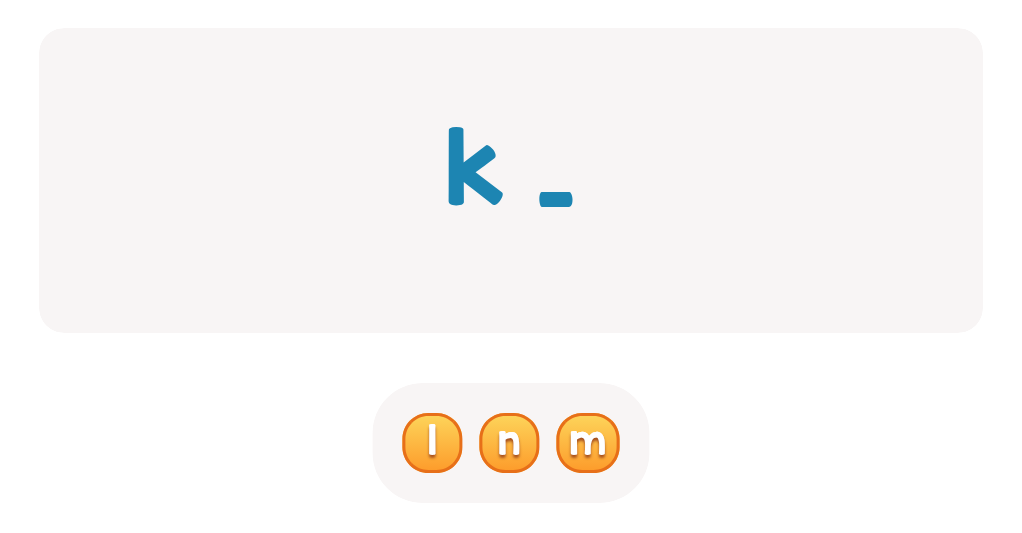
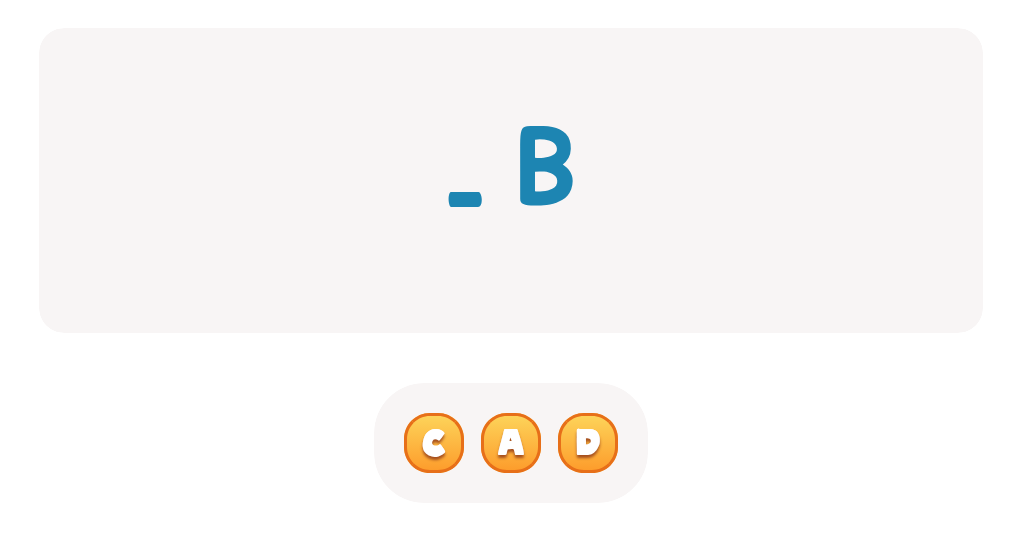
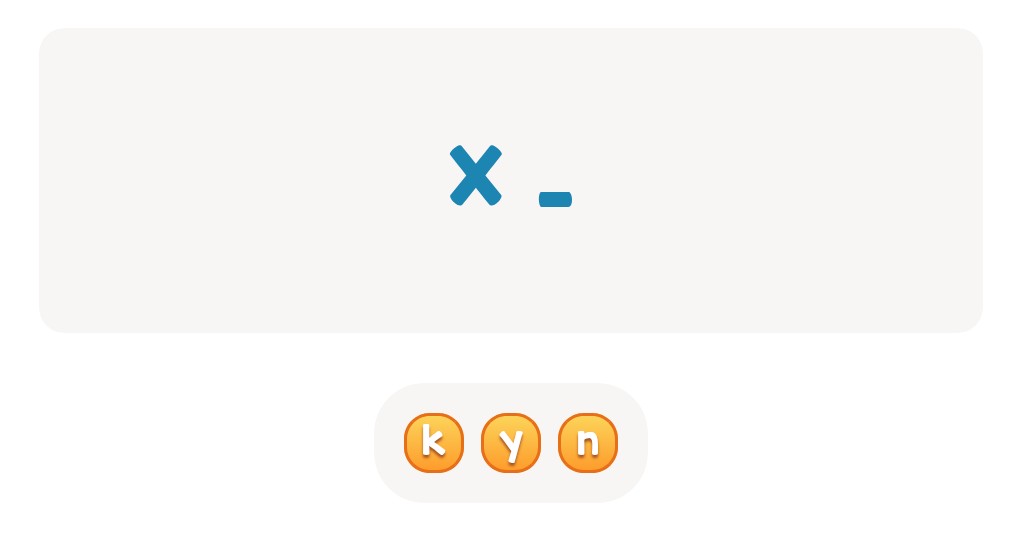

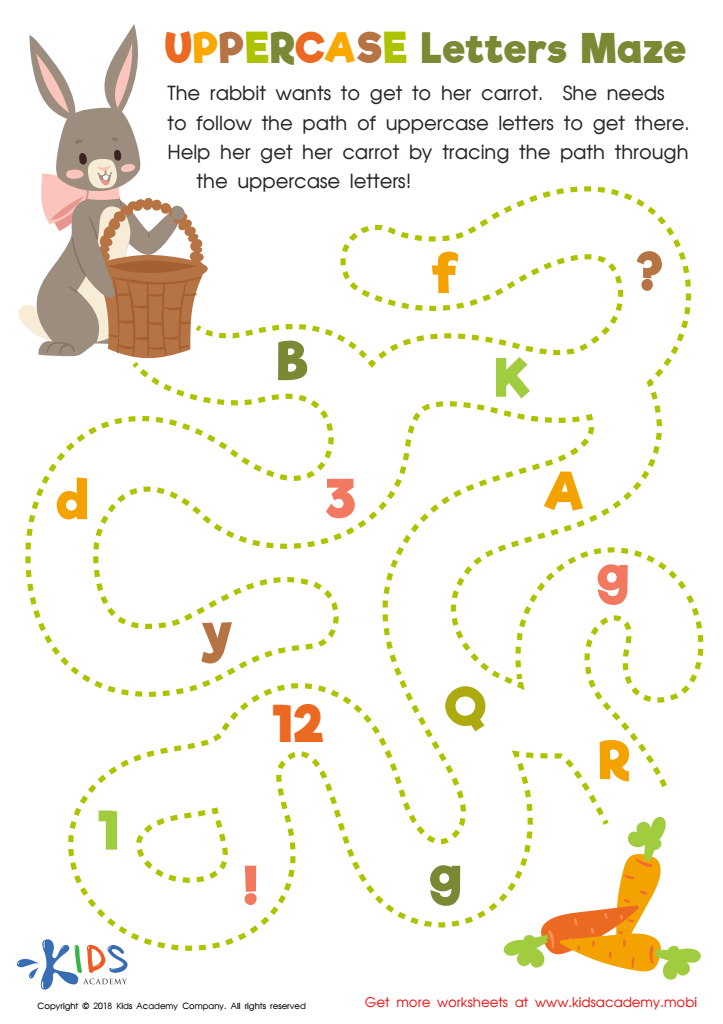
Uppercase Letters Maze Worksheet
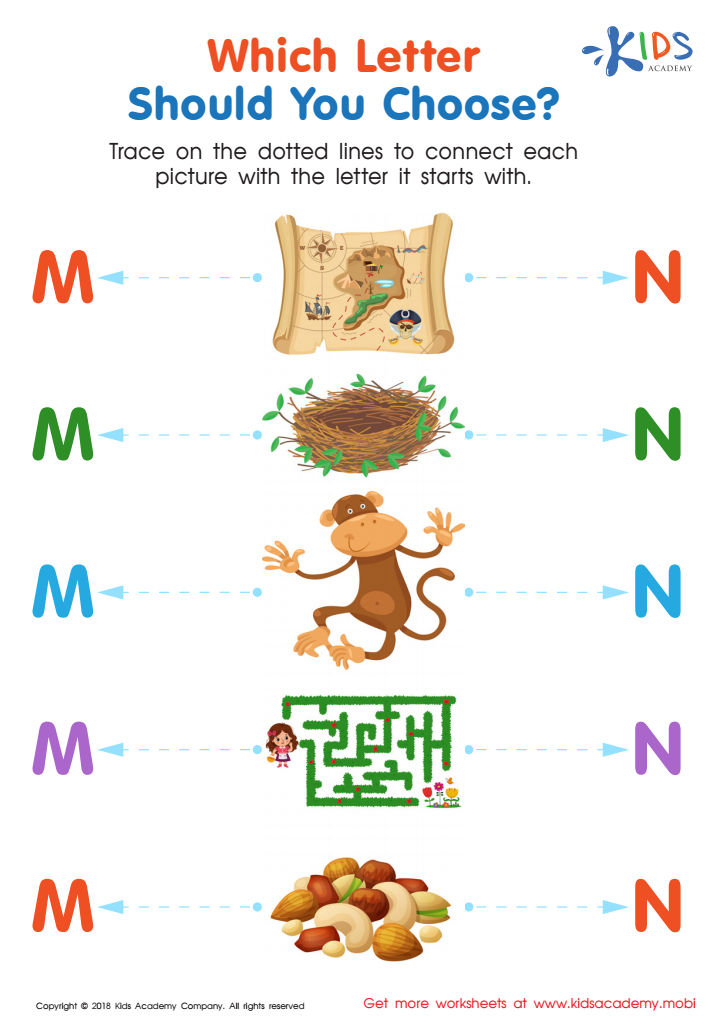
Which Letter Should you Choose? Worksheet






Parents and teachers should prioritize the development of problem-solving skills for 6-year-olds due to its significant impact on cognitive and social growth. At this age, children begin to encounter more complex situations requiring thoughtful decisions, making the ability to solve problems an essential life skill. By nurturing problem-solving abilities, parents and teachers equip children with the tools needed to navigate challenges independently, bolstering their confidence and resilience.
Moreover, problem-solving skills enhance critical thinking. Children learn to analyze situations, consider various solutions, and predict potential outcomes. This logical approach not only supports academic success in areas like math and science but also promotes creativity and innovation, enabling children to think ‘outside the box.’
Socially, effective problem-solving aids in conflict resolution. Children who can calmly navigate disagreements develop better relationships with their peers, fostering cooperation and empathy. These skills also contribute to emotional intelligence, helping children manage their feelings and understand others' perspectives.
Finally, early mastery of problem-solving sets a strong foundation for lifelong learning and adaptation. As society evolves, the ability to tackle new and unforeseen challenges becomes increasingly crucial. Therefore, by investing in these skills during early childhood, parents and teachers ensure children are well-prepared for future success.







