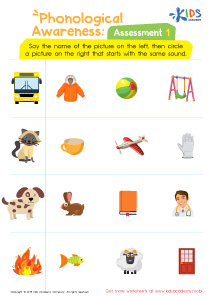
Hand-eye Coordination Normal Vowels Worksheets for 6-Year-Olds
4 filtered results
Difficulty Level
Grade
Age
-
From - To
Subject
Activity
Standards
Enhance your child's hand-eye coordination while reinforcing their understanding of normal vowels with our engaging worksheets designed for 6-year-olds. These printable activities combine vowel recognition with fun exercises that improve fine motor skills and coordination. Each worksheet features colorful visuals and interactive tasks that encourage young learners to trace, match, and identify vowels in a creative way. Perfect for home or classroom use, our resources make learning essential phonics skills enjoyable. Foster your child's confidence in reading and writing while supporting their overall motor development. Download our hand-eye coordination normal vowels worksheets today for a fun-filled educational experience!
Favorites
With answer key
Interactive
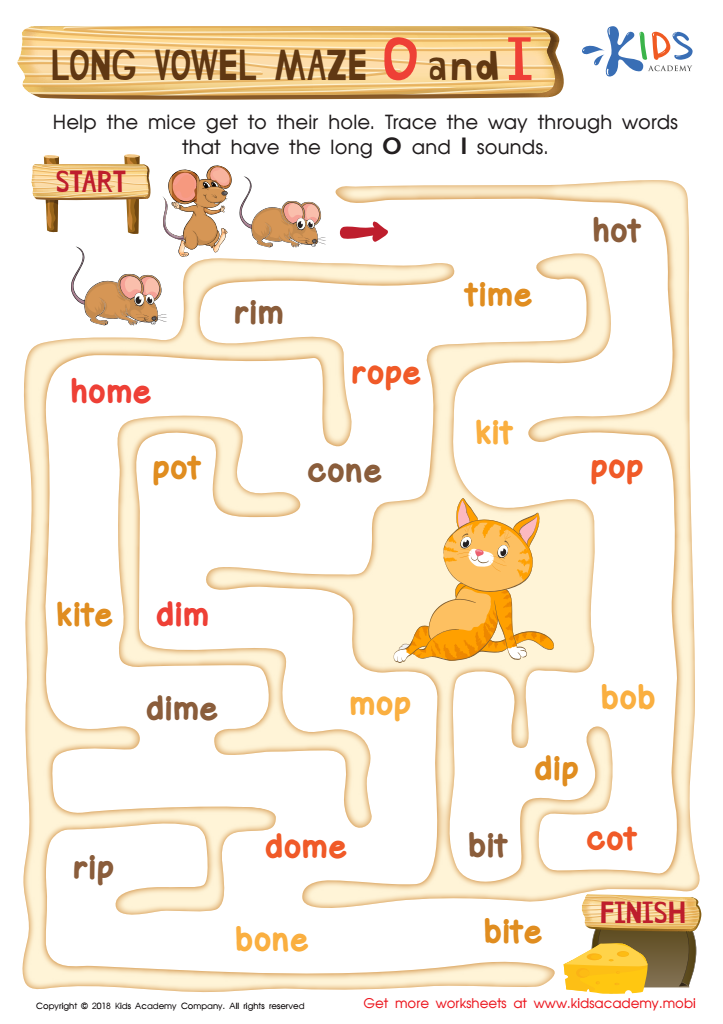
Long Vowel Maze /o/ and /i/ Worksheet
Help your new readers have fun and build their sight word vocabulary! Guide the mice to their prize cheese by having them trace the route on the worksheet, using words with the long o and long i sounds. But watch out for the kitty!
Long Vowel Maze /o/ and /i/ Worksheet
Worksheet
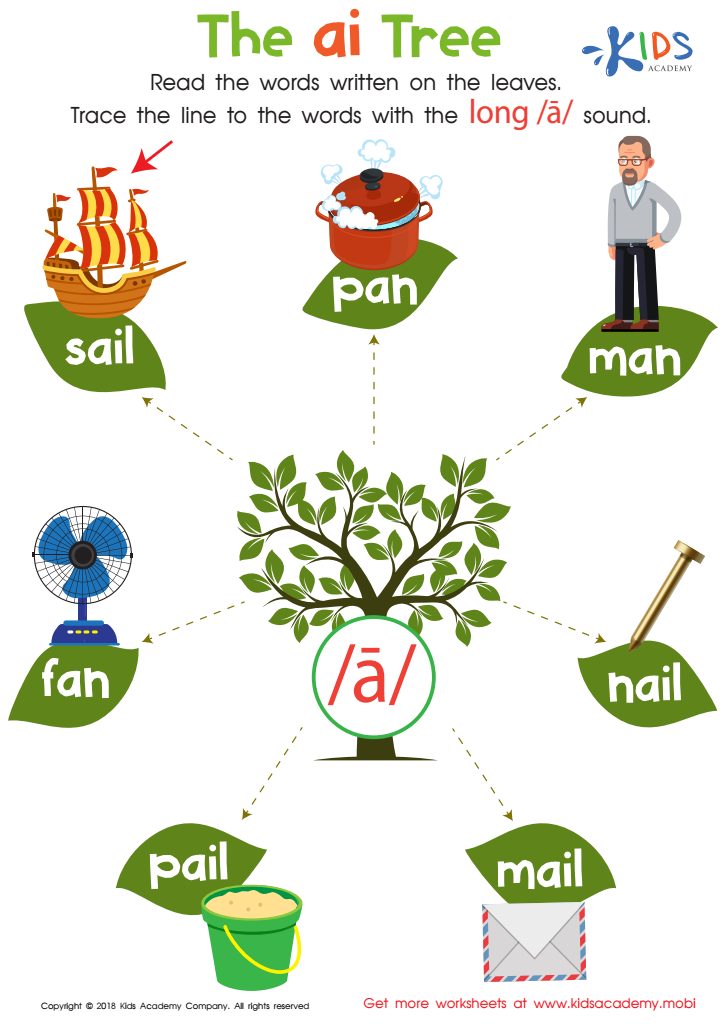
The AI Tree Worksheet
Help your kids learn to read better with this worksheet! Introduce the vowel pair 'ai' and give them familiar examples. Ask them to give you some in return. Then, have them read the words on the leaves and help them trace the ones with the long /a/ sound.
The AI Tree Worksheet
Worksheet
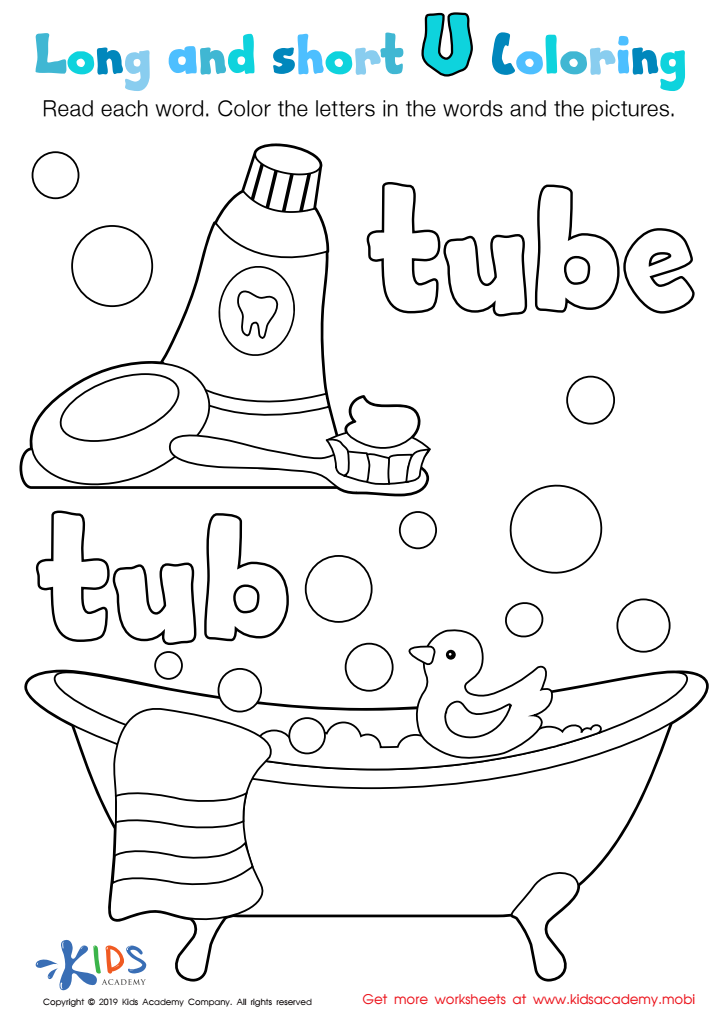
Long and Short U Worksheet
Revised: Spice up your lesson on long and short vowels with this fun printout! Kids read the words "tube" and "tub," then reinforce the sound by coloring in the words and pictures. It's a great way to make phonics class enjoyable!
Download (PDF)
 Assign to My Students
Assign to My Students
Long and Short U Worksheet
Worksheet
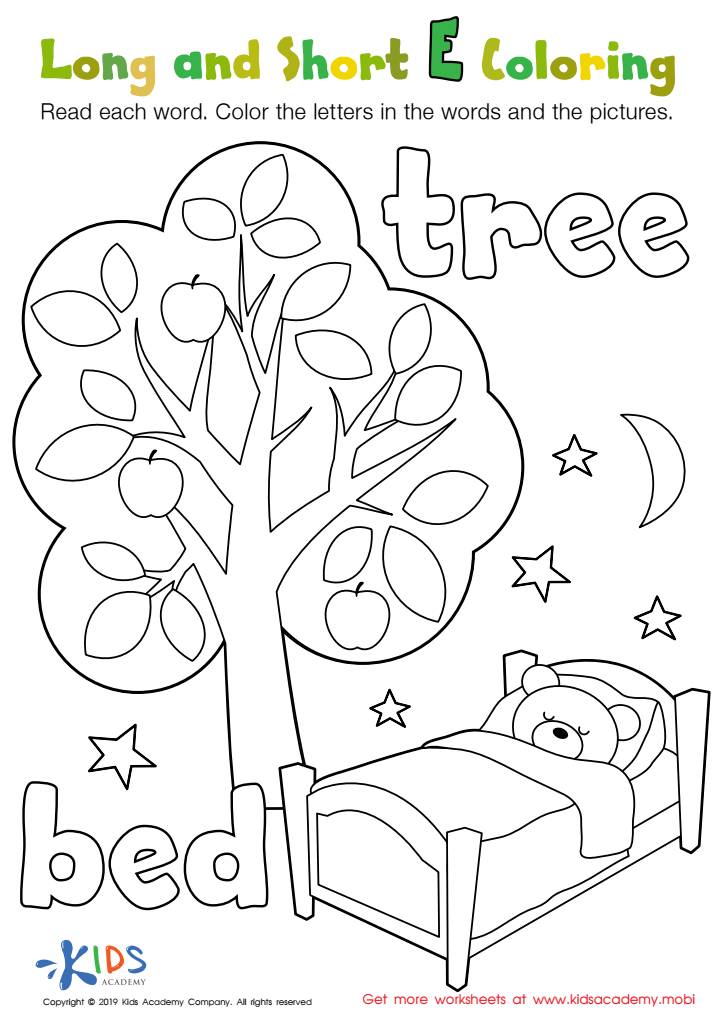
Long and Short E Worksheet
This fun printout makes learning phonics enjoyable for Grade 3 students. Get them to read the words “tree” and “bed” to recognize the different sounds of the letter “E”. After hearing the words they can color the words and the pictures to understand differences between long and short vowels.
Download (PDF)
Assign to My Students
Assign to My Students
Long and Short E Worksheet
Worksheet
Join Kids Academy for Free
Who is primarily going to use this learning content?





Hand-eye coordination is a crucial skill for 6-year-olds, as it significantly impacts their ability to learn and interact with the world. This coordination allows children to perform everyday tasks, from writing and drawing to catching a ball and playing with toys. For parents and teachers, fostering hand-eye coordination is essential for supporting overall development during these formative years.
Normal vowels are integral to language development, literacy, and communication skills. As children learn to recognize and produce vowels, they enhance their reading and writing capabilities. Combining hand-eye coordination activities—such as tracing letters or playing games that require visual tracking—with the practice of normal vowel sounds can create a multi-sensory learning experience.
When children engage in activities that promote both hand-eye coordination and language skills, they develop stronger neural connections, leading to better motor skills and cognitive function. This also builds confidence and encourages creativity as children express themselves through drawing and writing exercises.
In conclusion, parents and teachers should prioritize hand-eye coordination activities alongside vowel practice, as both are foundational to academic success and everyday competence. By nurturing these skills, they empower children to thrive in school and beyond.