Vocabulary enhancement Normal Vowels Worksheets for 6-Year-Olds
9 filtered results
-
From - To
Enhance your 6-year-old's vocabulary with our engaging Normal Vowels Worksheets! Designed to make learning fun and effective, these worksheets focus on vowel recognition and application through interactive exercises. Each sheet features colorful illustrations and activities that encourage children to identify, read, and use normal vowels in a variety of contexts. Ideal for reinforcing phonics skills and enriching language comprehension, our worksheets promote playful learning. Whether at home or in the classroom, these resources provide an excellent way for young learners to build their vocabulary while enjoying the process. Download now to spark creativity and foster a love for reading!
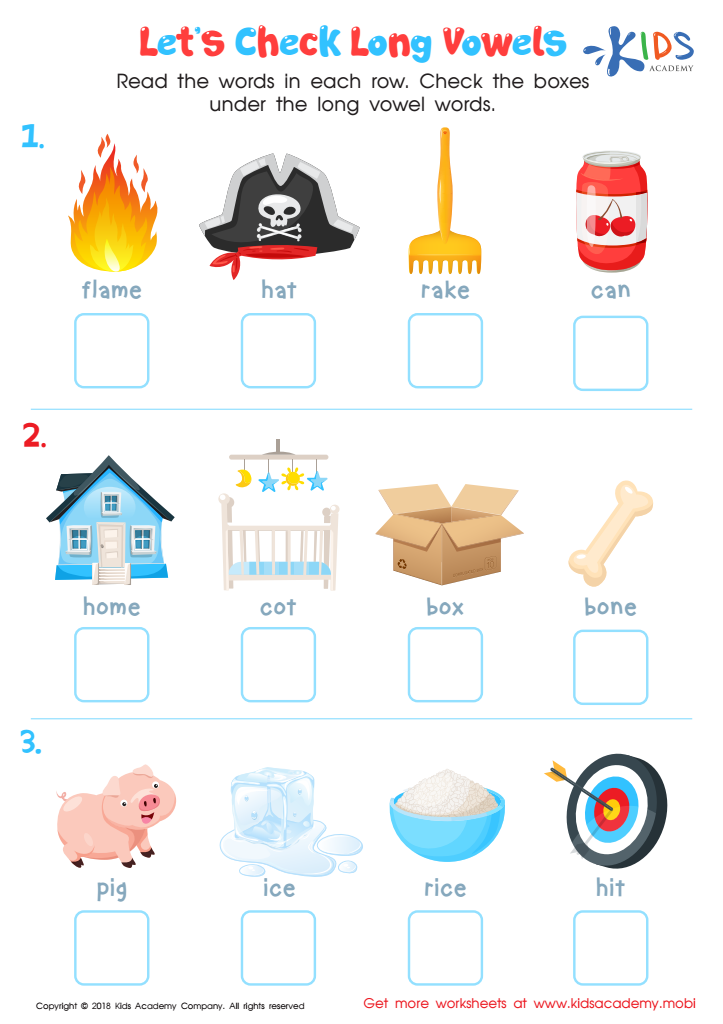
Let's Check Long Vowels: Assessment Worksheet
 Assign to My Students
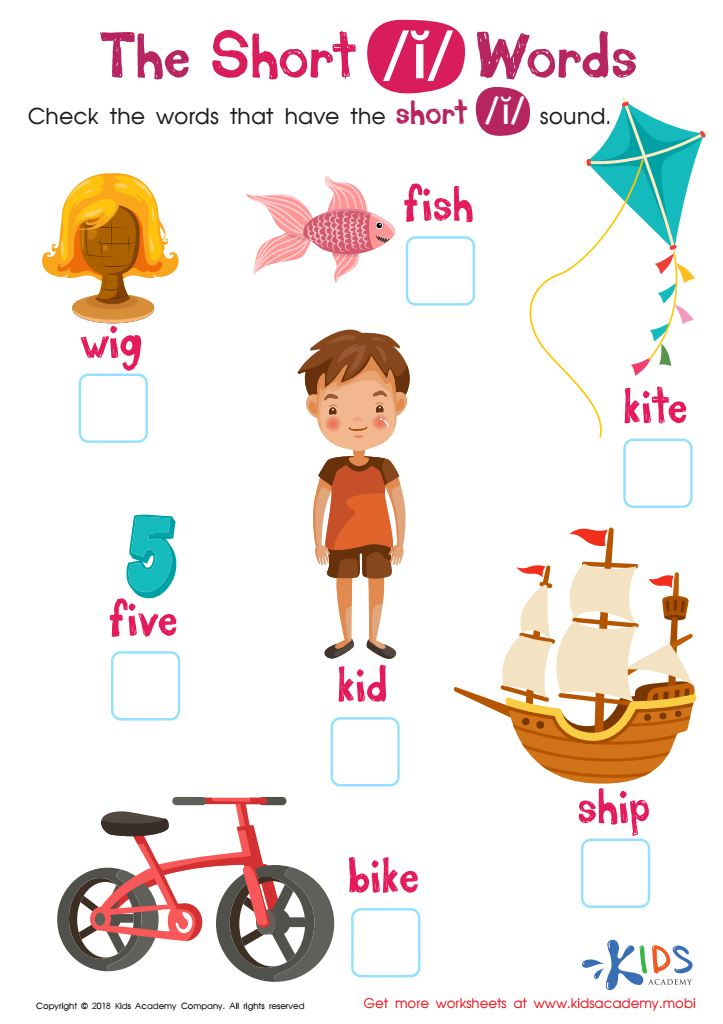
The Short I Words Reading Worksheet
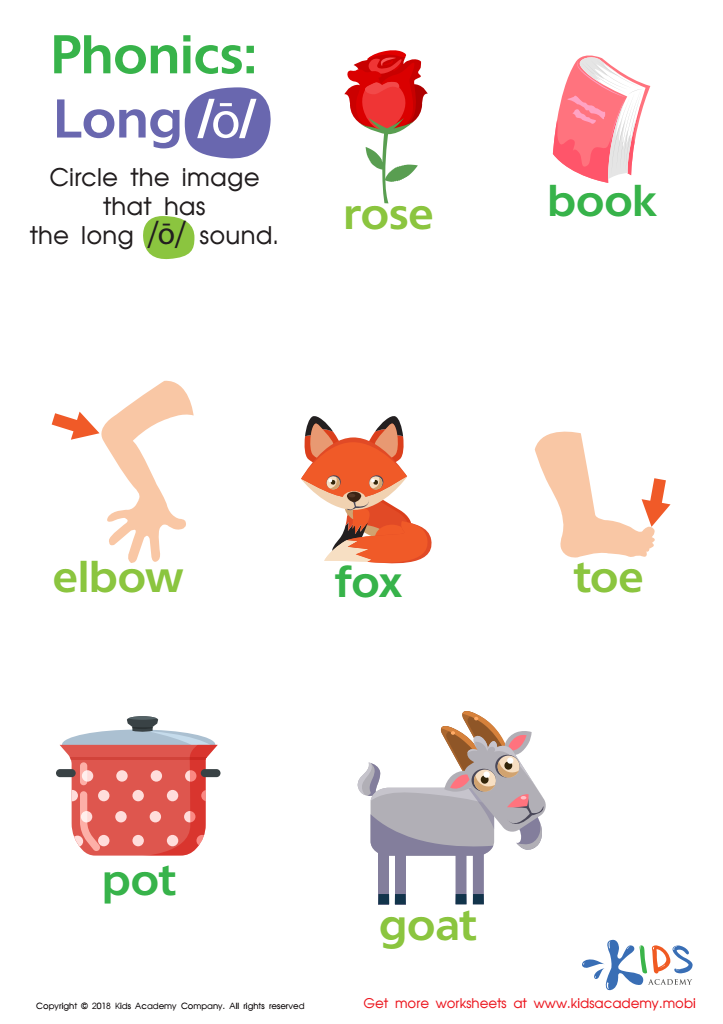
Phonics Long O Reading Worksheet
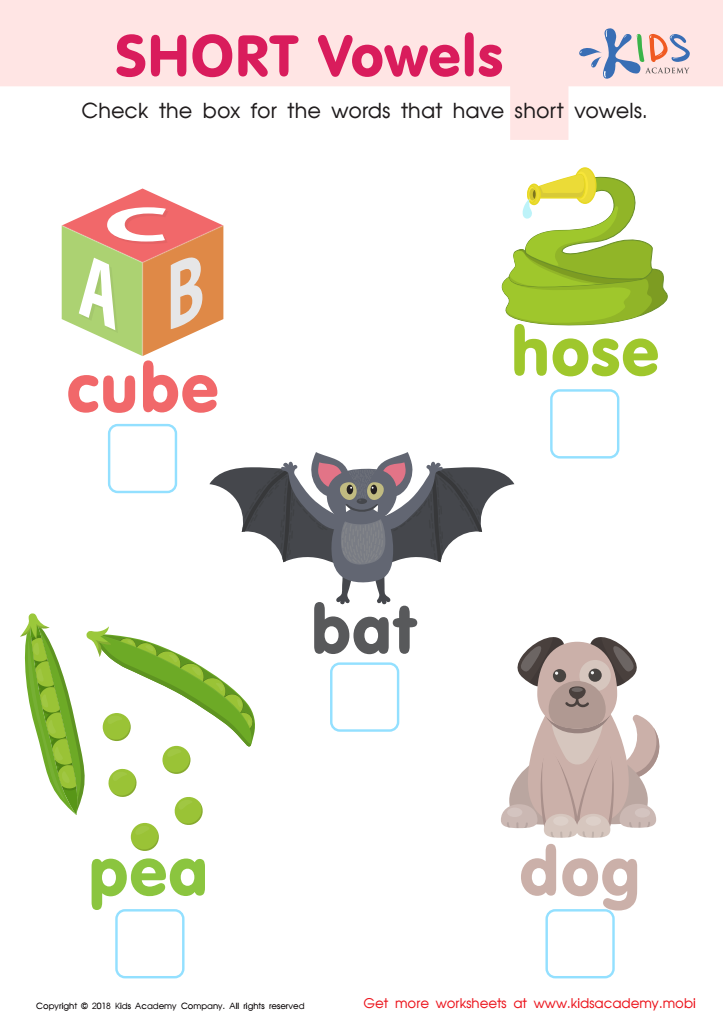
short vowels Worksheet
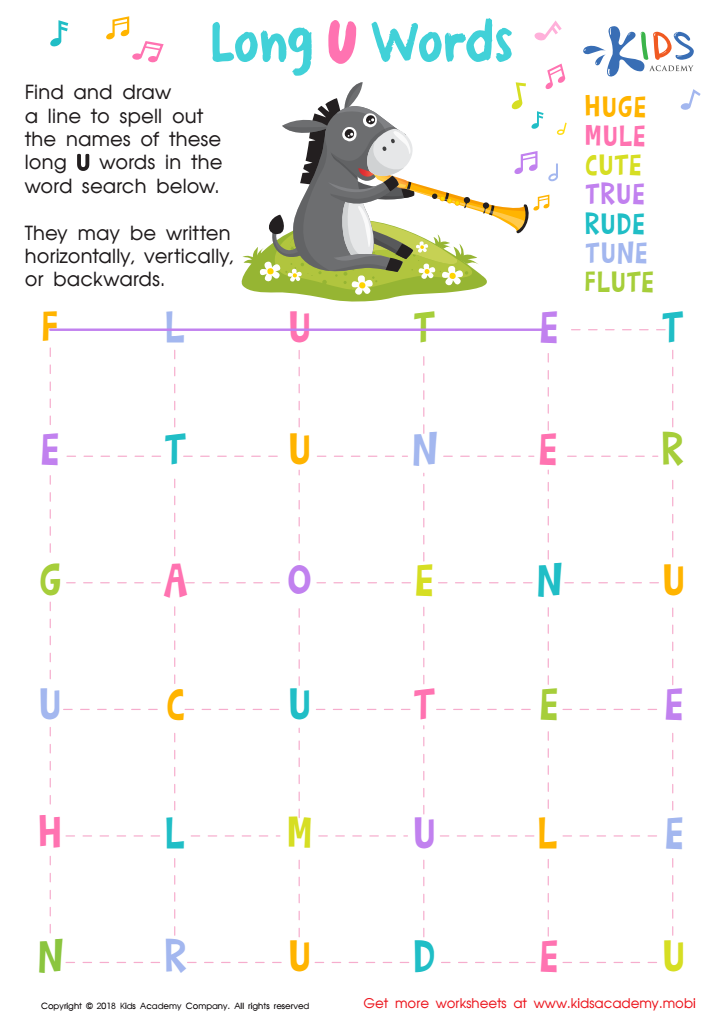
Long /u/ Words Worksheet
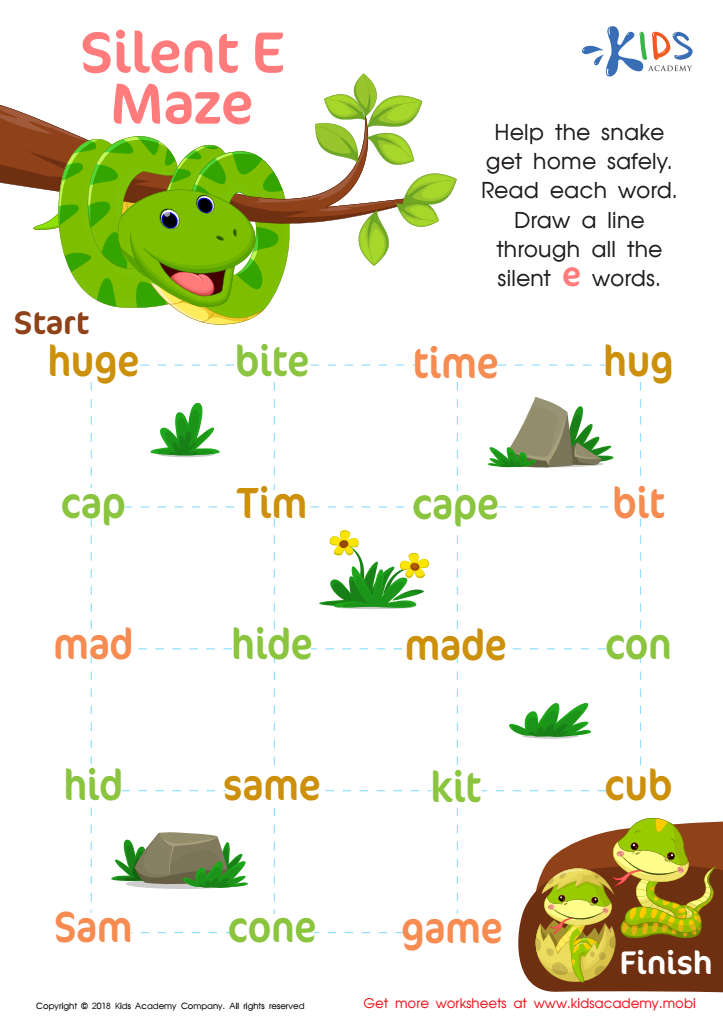
Silent E Maze Worksheet
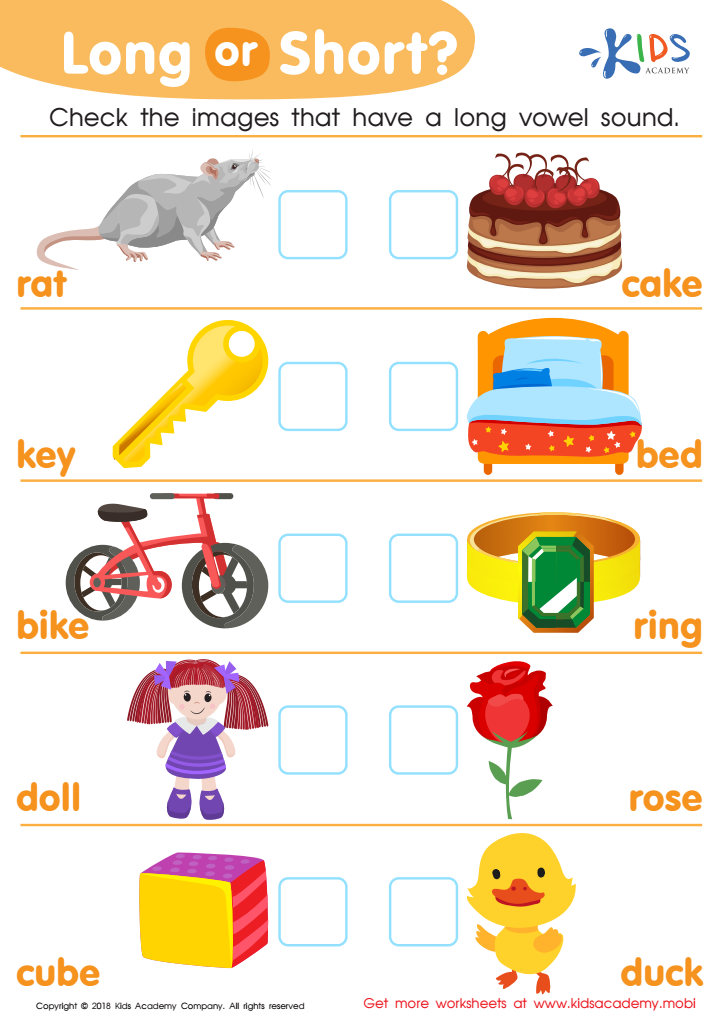
Long or Short Reading Worksheet
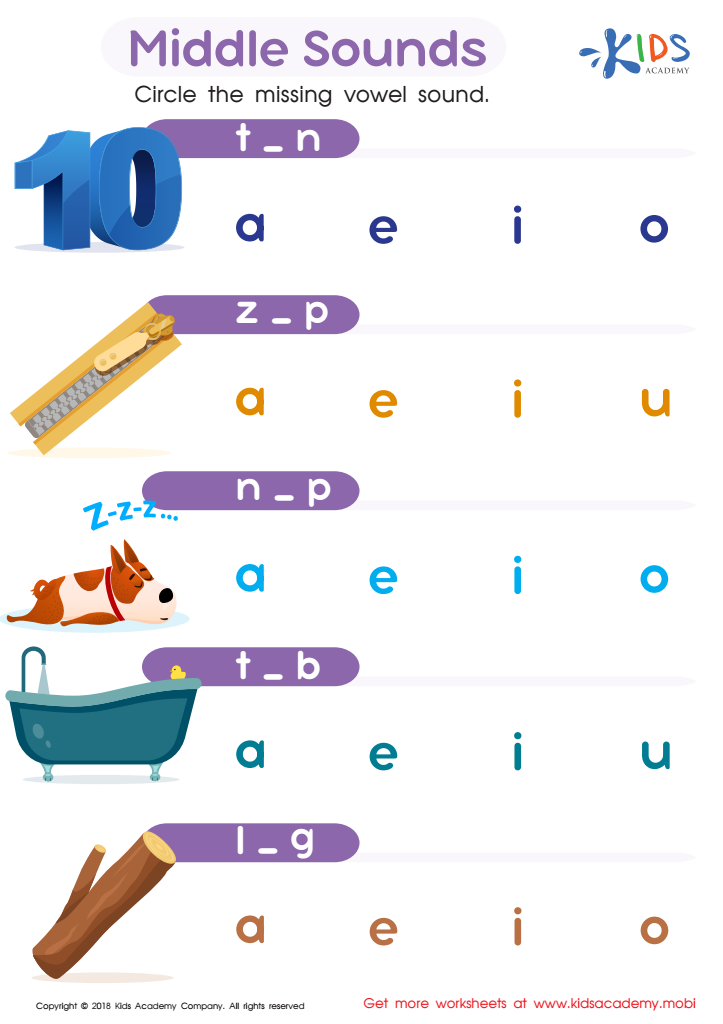
Middle Sounds Worksheet
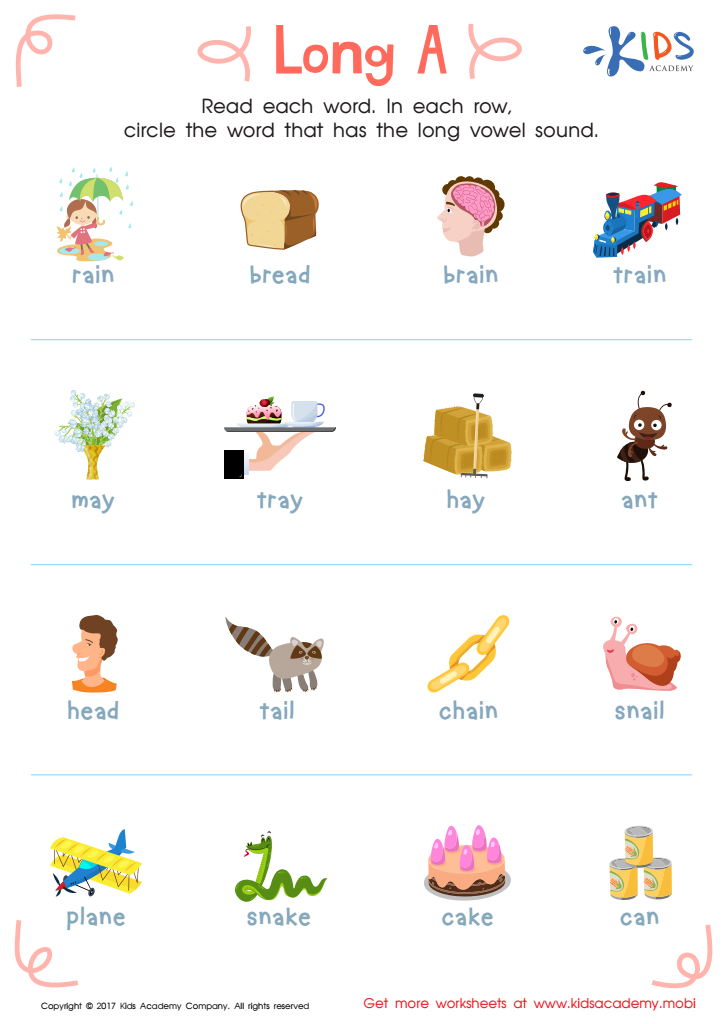





Vocabulary enhancement, particularly focusing on normal vowels, is crucial for 6-year-olds as it lays the foundation for language development and effective communication. At this age, children are rapidly acquiring language skills, and an enriched vocabulary can significantly improve their reading and writing abilities. Understanding and using normal vowels—A, E, I, O, U—helps children decipher words phonemically, aiding in more accurate pronunciation and spelling.
When parents and teachers prioritize vocabulary enhancement, they equip children with the tools needed to express their thoughts clearly and participate in conversations confidently. A robust vocabulary fosters better comprehension skills; children who understand more words can grasp the meaning of sentences and texts, enhancing their overall learning experience.
Moreover, rich vocabulary exposure supports cognitive development. It encourages critical thinking and comprehension, as children learn to connect words with concepts and ideas beyond their immediate experiences. Engaging children with various activities, such as storytelling, rhymes, and games, makes learning vowels interactive and enjoyable.
Ultimately, investing time in vocabulary enhancement not only promotes linguistic proficiency but also nurtures a lifelong love for reading and learning, making it a priority for both parents and teachers in a child’s educational journey.