Fine motor skills development Normal Worksheets for 6-Year-Olds
6 filtered results
-
From - To
Explore our collection of fine motor skills development worksheets designed specifically for 6-year-olds. These engaging printable activities are tailored to support young learners in honing their dexterity and hand-eye coordination. Through fun and interactive exercises, children will practice tracing, cutting, and other essential skills that contribute to their overall growth. Our worksheets not only promote physical development but also enhance creativity and concentration. Ideal for home or classroom use, they provide a comprehensive approach to developing fine motor skills while keeping learning enjoyable. Access our resources today to empower your 6-year-old with the crucial skills they need for future success!

I Stands High Worksheet
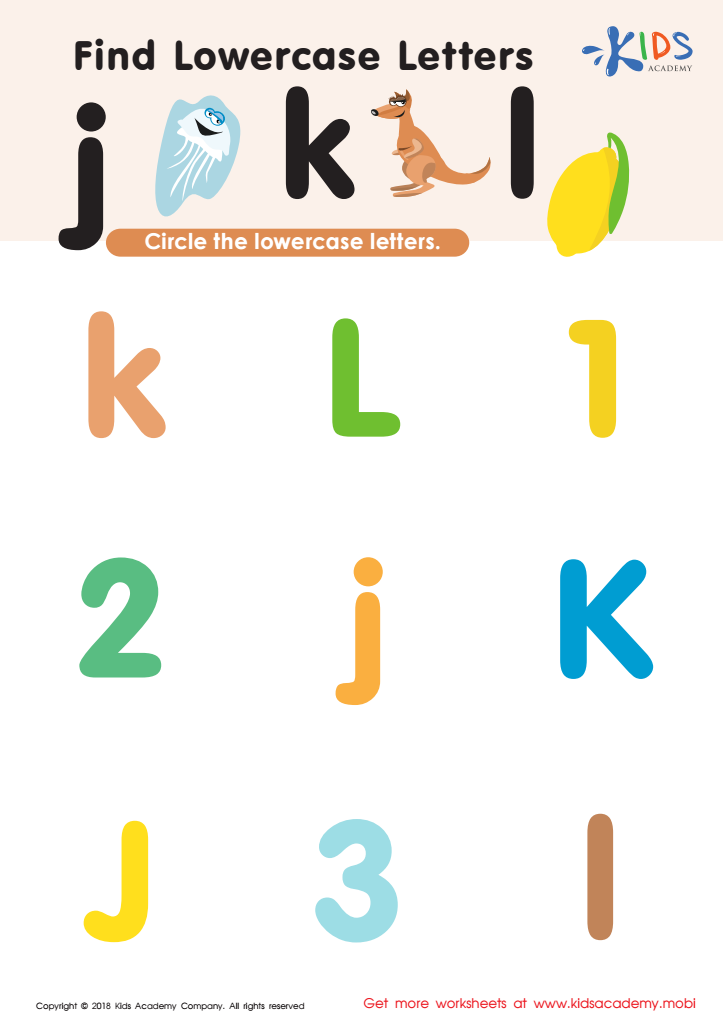
Find Lowercase Letters j k l Worksheet
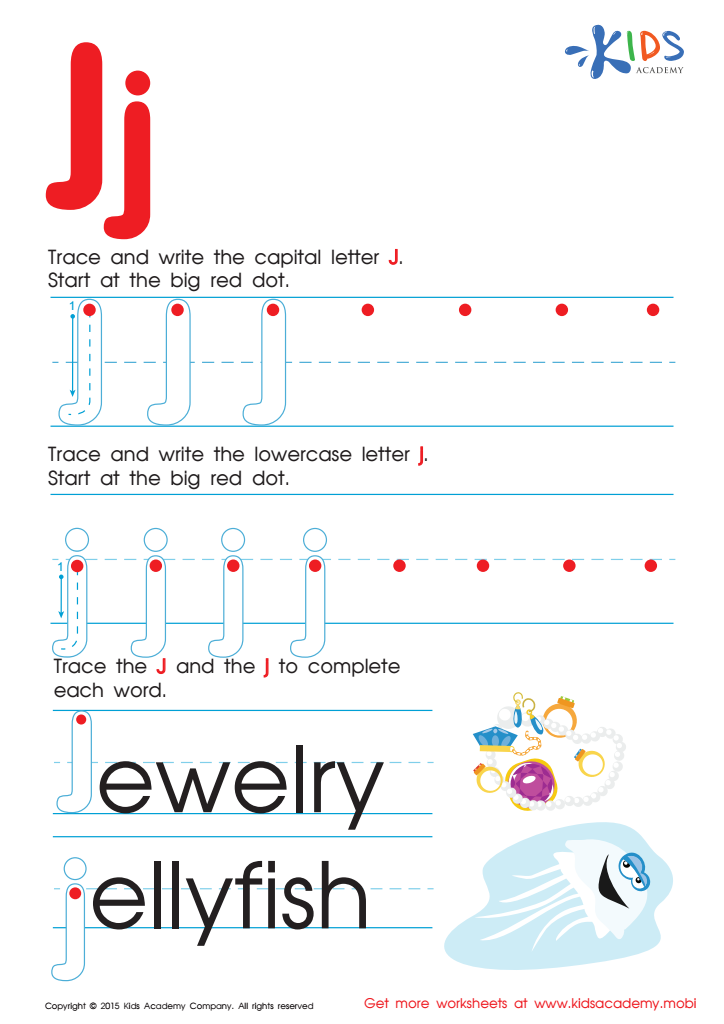
Letter J Tracing Page
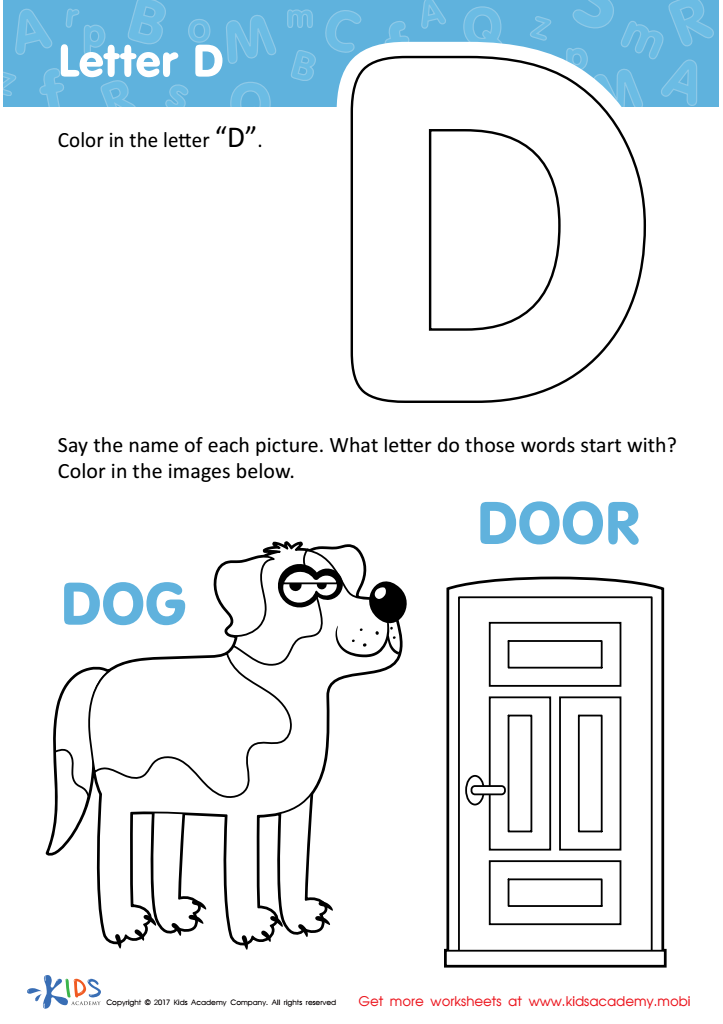
Letter D Coloring Sheet
 Assign to My Students

Night Sky Constellations: Aries Worksheet
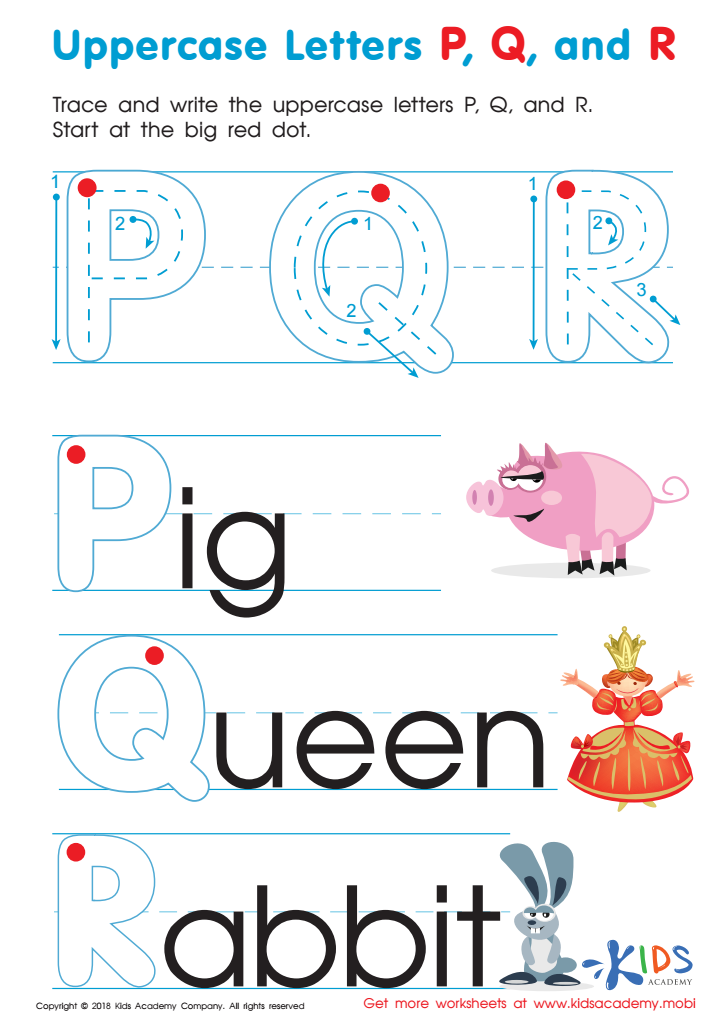
Uppercase Letters P, Q, and R Worksheet








Fine motor skills development is crucial for 6-year-olds, as these skills influence everyday tasks and overall learning capabilities. At this age, children are refining their hand-eye coordination, dexterity, and control over small muscles, which are essential for writing, drawing, and cutting. When parents and teachers prioritize fine motor skill development, they lay the groundwork for academic success. Children with strong fine motor skills can smoothly transition into more complex tasks, enhancing their confidence and engagement in school activities.
Additionally, fine motor skills contribute to self-care tasks like buttoning shirts, tying shoelaces, and using utensils, fostering independence. When children struggle with these skills, they may experience frustration or low self-esteem, which can deter their willingness to participate in group activities and peer interactions.
By incorporating fine motor activities, such as playdough, arts and crafts, or puzzles, parents and teachers can engage children and make learning enjoyable. Moreover, enhancing these skills can also facilitate social interactions, as cooperative games and activities often require fine motor involvement. By emphasizing the development of fine motor skills, parents and educators can support a holistic approach to child development, ensuring readiness for future challenges both in academics and daily life.








