
Observation skills Normal Worksheets for 6-Year-Olds
6 filtered results
Difficulty Level
Grade
Age
-
From - To
Subject
Activity
Standards
Observation skills are crucial for a child's development, and Kid's Academy offers a variety of engaging worksheets designed for 6-year-olds to enhance these skills. Our printable resources include enjoyable activities that help young learners notice details, compare objects, and develop critical thinking. These worksheets feature colorful illustrations and interactive exercises that turn learning into a fun adventure. Perfect for both classroom use and at-home practice, our observation skills worksheets aim to boost children's attention to detail, foster curiosity, and improve their analytical abilities, setting the foundation for lifelong learning success. Explore our collection today!
Favorites
With answer key
Interactive
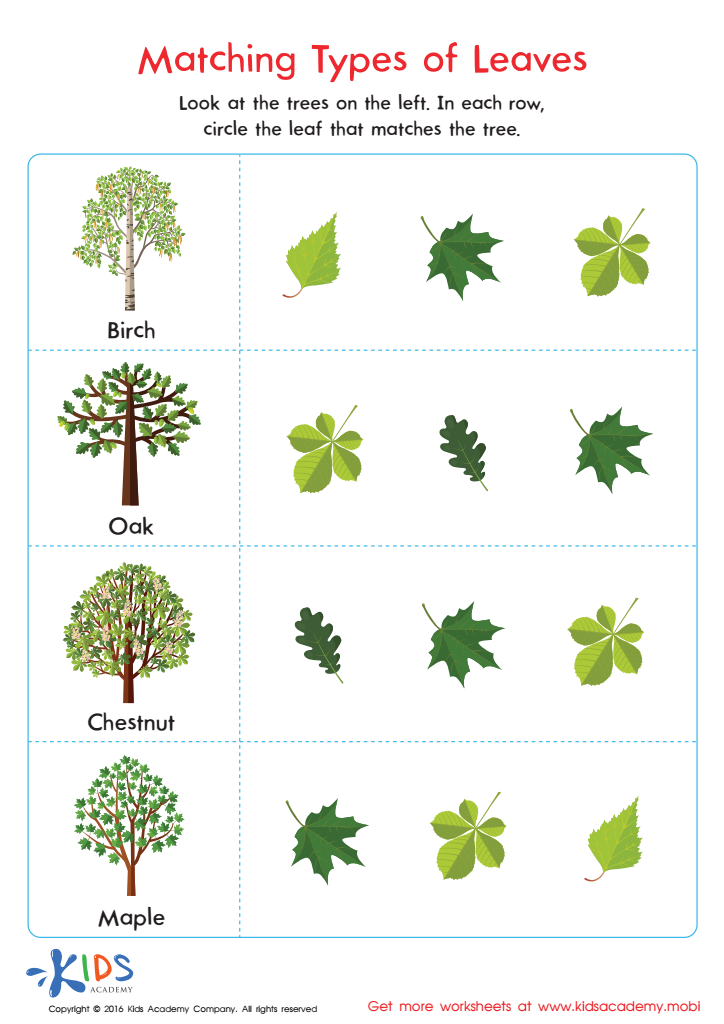
Matching Types of Leaves Printable
Trees are beautiful and essential to life. Show your child the joy of learning about them with this leaf worksheet. It teaches tree identification and encourages observing nature. Expand the learning with additional activities about trees!
 Assign to My Students
Matching Types of Leaves Printable
Worksheet
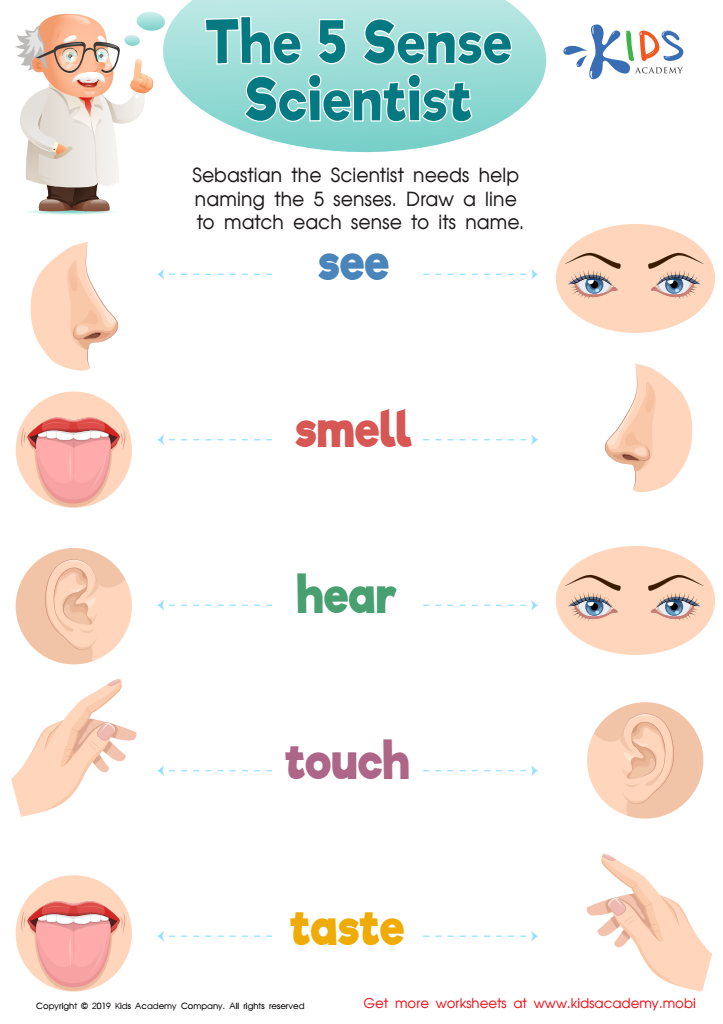
The 5 Sense Scientist Worksheet
Our young children will have fun learning about their five senses with this free Sense Scientist worksheet. Helping Sebastian the Scientist, they'll name the five senses and use traceable lines to connect each picture with its correct sense. Colorful words and pictures will create a memorable picture representation.
The 5 Sense Scientist Worksheet
Worksheet
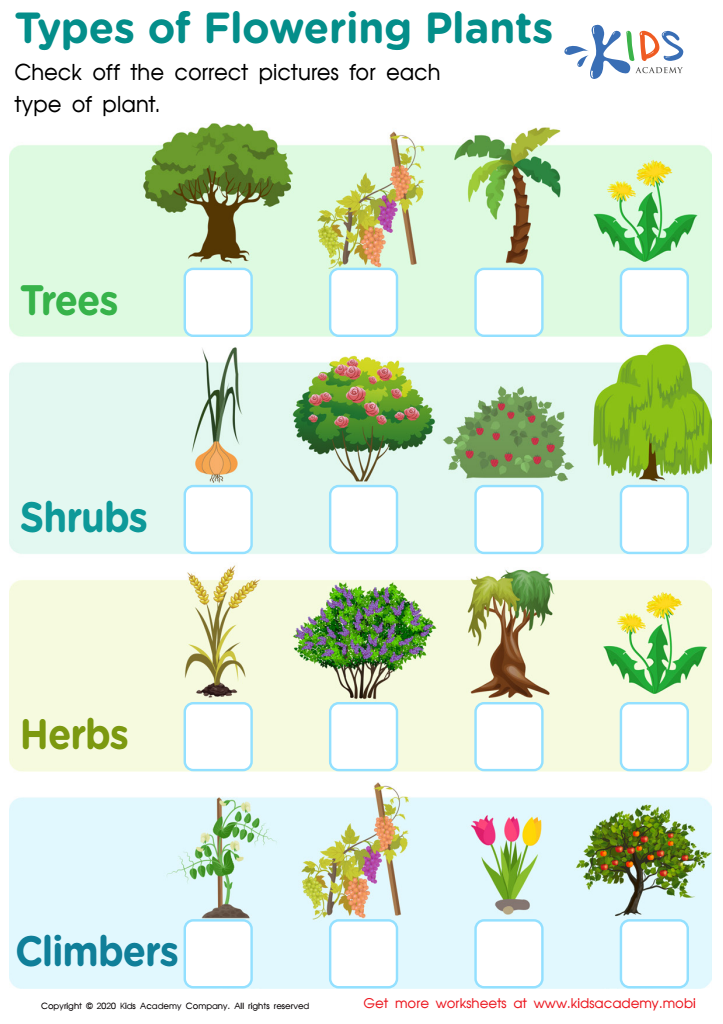
Types of Flowering Plants Worksheet
Help kids explore the variety of plants around them! Have them discover trees, shrubs, herbs, and vines with this fun science worksheet. Print it and let them match the plant pictures to their correct names. It's an exciting learning experience that'll let them check off the right images and explore the botanical world.
Types of Flowering Plants Worksheet
Worksheet
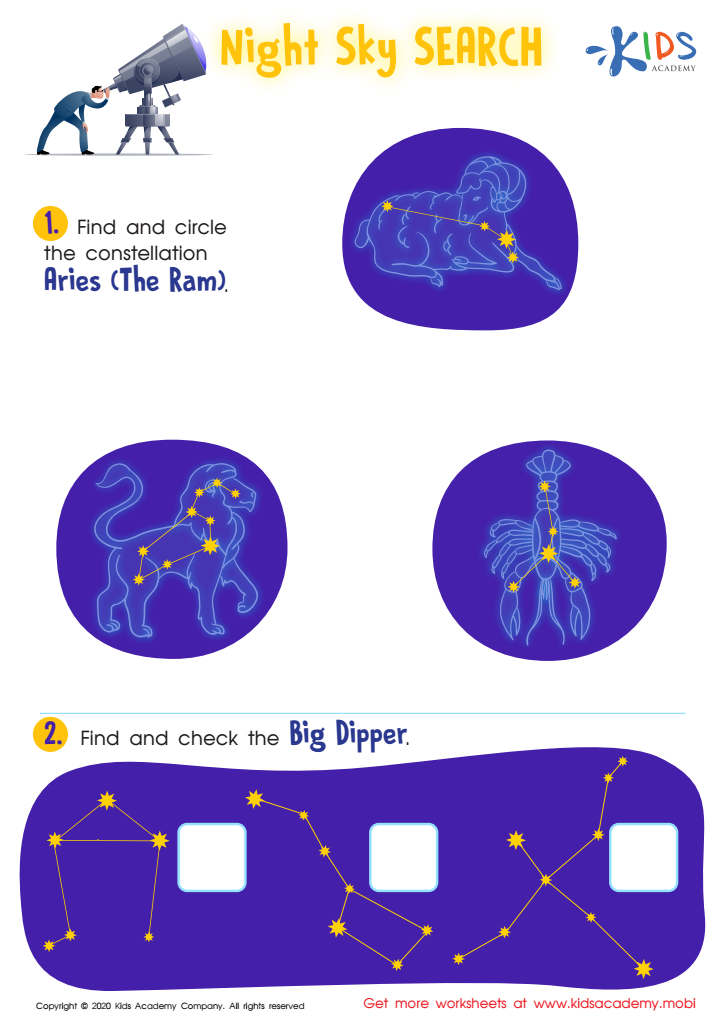
Night Sky Search Worksheet
Gaze up into the night sky and spot the stars! Your little astronomer can learn about Aries and Big Dipper constellations with this science worksheet. Simply find the ram for Aries and check the box for Big Dipper. Then, when the weather is right, go outside and look for them in the night sky!
Night Sky Search Worksheet
Worksheet
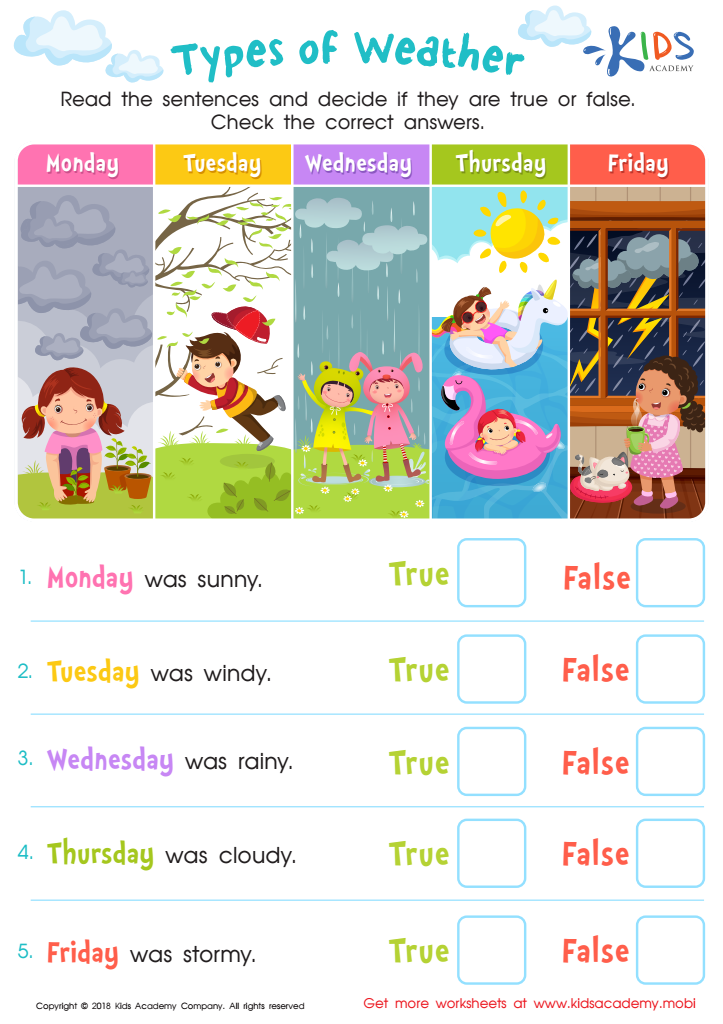
Types of Weather Worksheet
This worksheet will test your child's knowledge of the weather. Show them the pictures of five days of the week, each with a different weather and ask them to describe it. Then read the sentences and ask if they're true/false. Help them find the right answers.
Types of Weather Worksheet
Worksheet
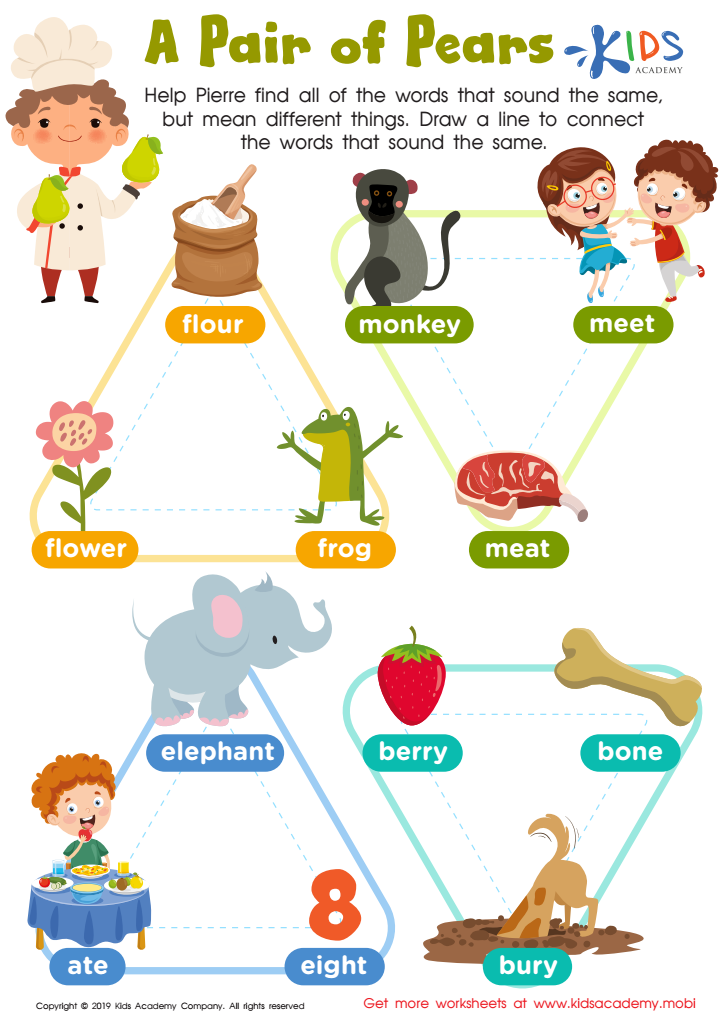
Pair Pears Worksheet
Young readers can have difficulty knowing when to use the right homophone. This free worksheet helps them use familiar imagery to understand better by connecting words that sound similar but are spelled and mean different things. Students will trace the lines to form a picture and have a reference image to differentiate between the different homophones.
Pair Pears Worksheet
Worksheet
Join Kids Academy for Free
Who is primarily going to use this learning content?


.jpg)


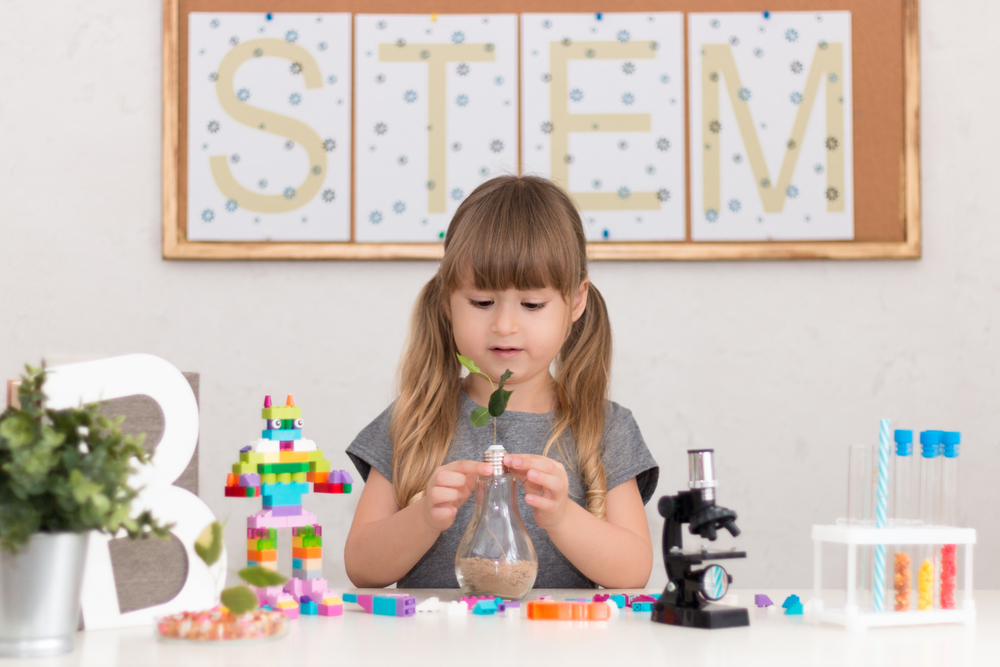
Observation skills are crucial for 6-year-olds as they form the foundation for learning and cognitive development. At this age, children are naturally curious and eager to explore their surroundings. By nurturing strong observation skills, parents and teachers can enhance a child’s ability to notice details, patterns, and differences in their environment, which is essential for academic success and everyday problem-solving.
One key reason to care about these skills is that they directly impact a child's understanding of the world. Whether learning to read, grasping basic math concepts, or engaging in scientific exploration, the ability to keenly observe supports critical thinking and comprehension. For instance, noticing the difference between similar letters and numbers is a fundamental aspect of literacy and numeracy.
Further, good observation skills promote social awareness and emotional intelligence. Children learn to read facial expressions, body language, and social cues, which help them build healthier interpersonal relationships and improve their overall social interactions.
Parents and teachers play a vital role in fostering these skills by providing a stimulating environment, engaging in activities that encourage active observation, and modeling attentive behavior. By investing in the development of observation skills, adults equip children with the tools they need for lifelong learning and effective communication.








