
Recognizing Patterns Normal Worksheets for 6-Year-Olds
6 filtered results
Difficulty Level
Grade
Age
-
From - To
Subject
Activity
Standards
Discover our engaging "Recognizing Patterns Normal Worksheets" specially designed for 6-year-olds! These worksheets facilitate foundational math skills by introducing young learners to patterns through fun activities. Children will identify, create, and extend patterns using colorful shapes, numbers, and everyday objects, fostering critical thinking and analytical skills. Perfect for at-home learning or classroom activities, our worksheets cater to various learning styles, ensuring every child can thrive. Encourage your child's love for learning as they explore sequences and structures, building their confidence while enhancing their cognitive development. Download the worksheets today and watch your child develop essential skills in a joyful way!
Favorites
With answer key
Interactive
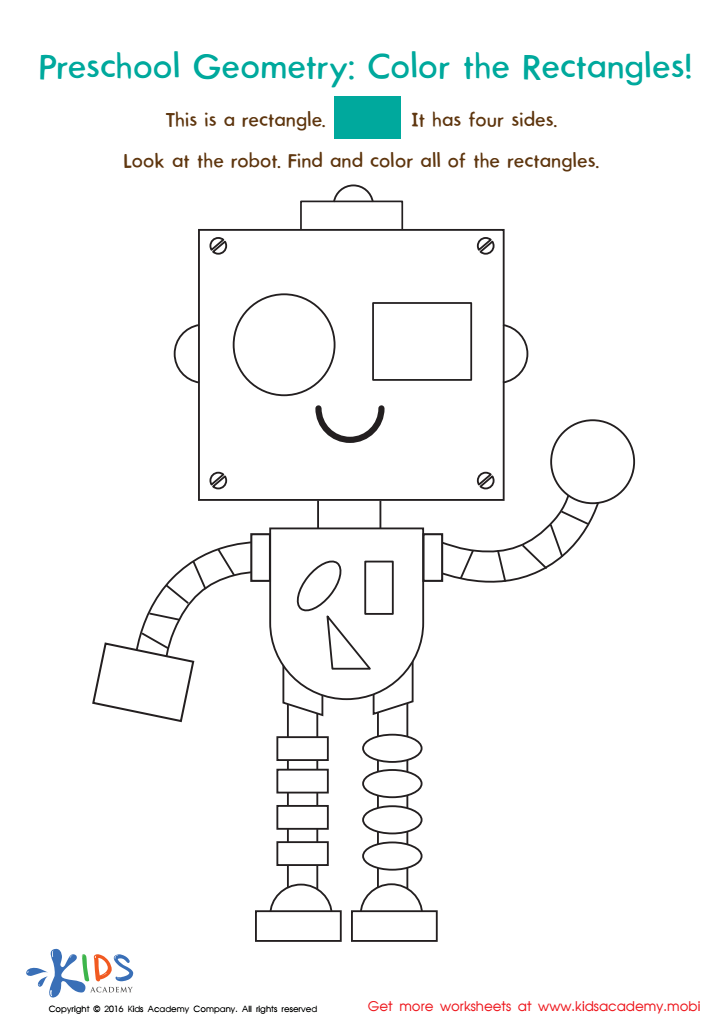
Geometry Worksheet
Geometry can be fun for kids! They explore shapes that create their favorite pics and objects. This preschool worksheet explains that rectangles have four sides, then kids color rectangles on a funny robot!
 Assign to My Students
Geometry Worksheet
Worksheet
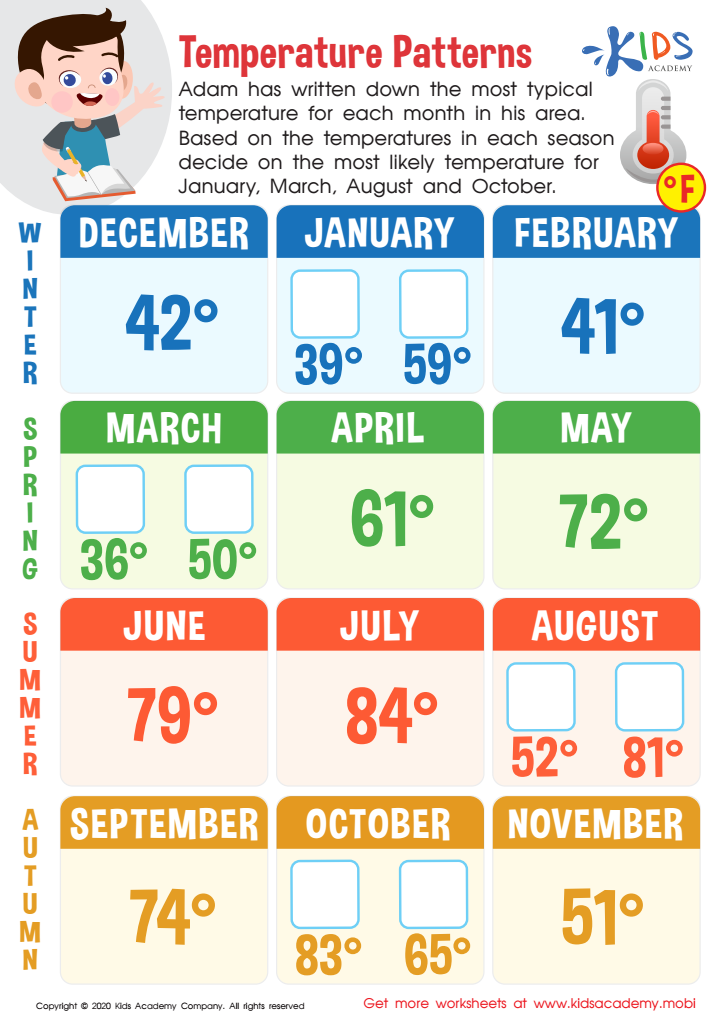
Temperature Patterns Worksheet
Adam has recorded temperatures in his area. Help your child use the data to predict temperatures for one month in each season. Check the box next to the correct temperature for each row in this worksheet. In America, temperatures vary by climate and season - colder in winter, hotter in summer.
Temperature Patterns Worksheet
Worksheet
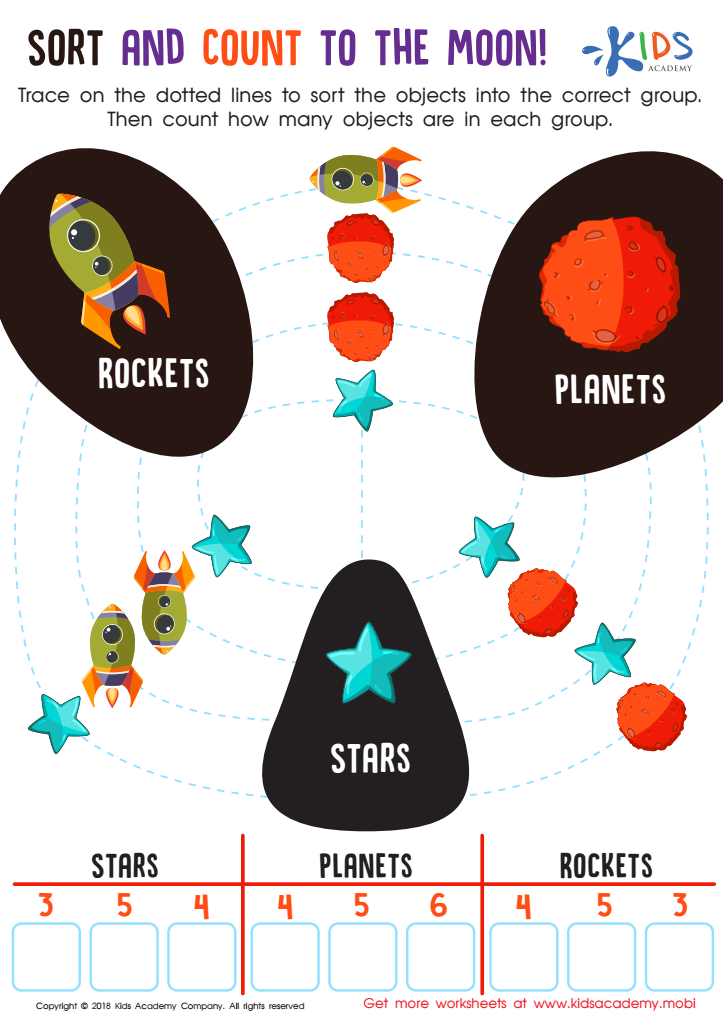
Sort and Count to the Moon Worksheet
Little space explorers will love counting, sorting and strengthening number sense with this galactic worksheet! They'll use traceable lines to sort pictures of stars, planets and rockets into categories according to properties. After sorting, they'll count each item and fill in the boxes. Bold pictures make it fun and build critical thinking skills.
Sort and Count to the Moon Worksheet
Worksheet
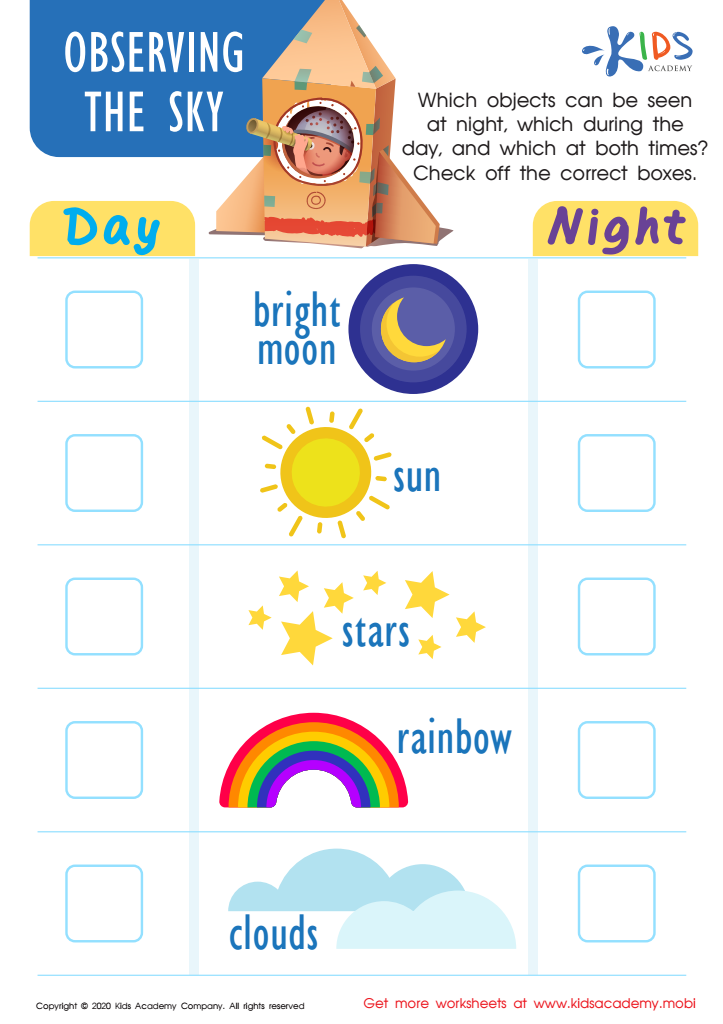
Observing the Sky Worksheet
Look up to the sky and observe day and night objects! See a rainbow or some clouds by day and stars and the moon at night. Help your little learner review this science concept with Kids Academy's fun and colorful worksheet. Have them sort and check off the objects seen by day or night, going down the column in the center.
Observing the Sky Worksheet
Worksheet
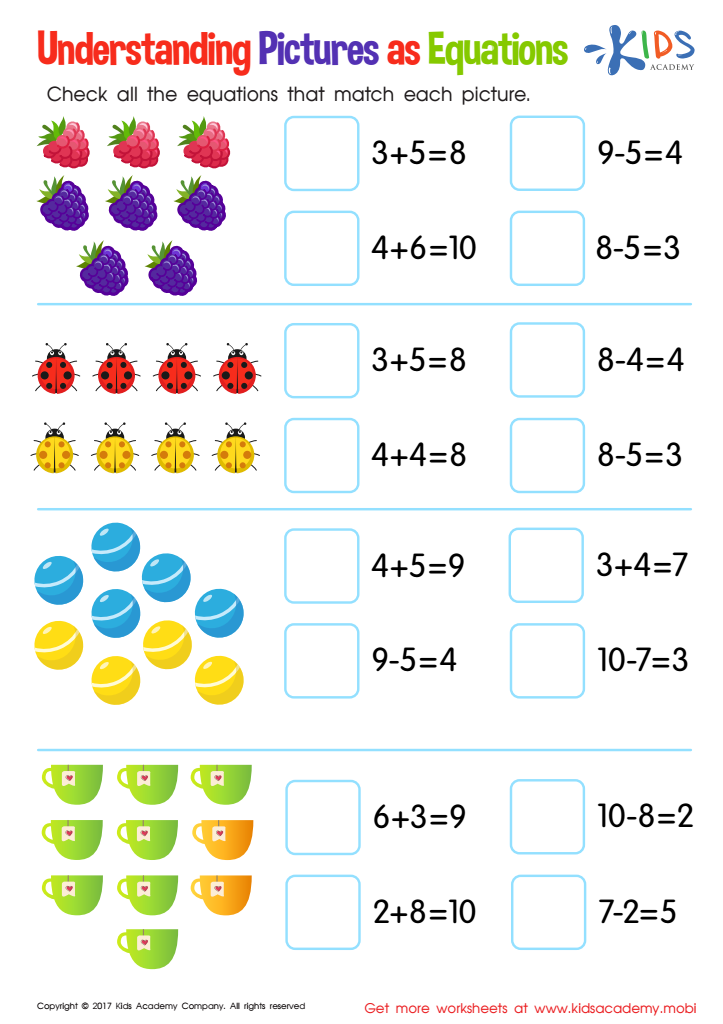
Understanding Pictures as Equations Worksheet
This worksheet helps your child interpret pictures into numbers and equations. Colourful grapes, ladybirds, balls and cups represent numbers which must be added to reach the total. Your child must also choose the equations that match the pictures correctly. A great way to practice math!
Understanding Pictures as Equations Worksheet
Worksheet
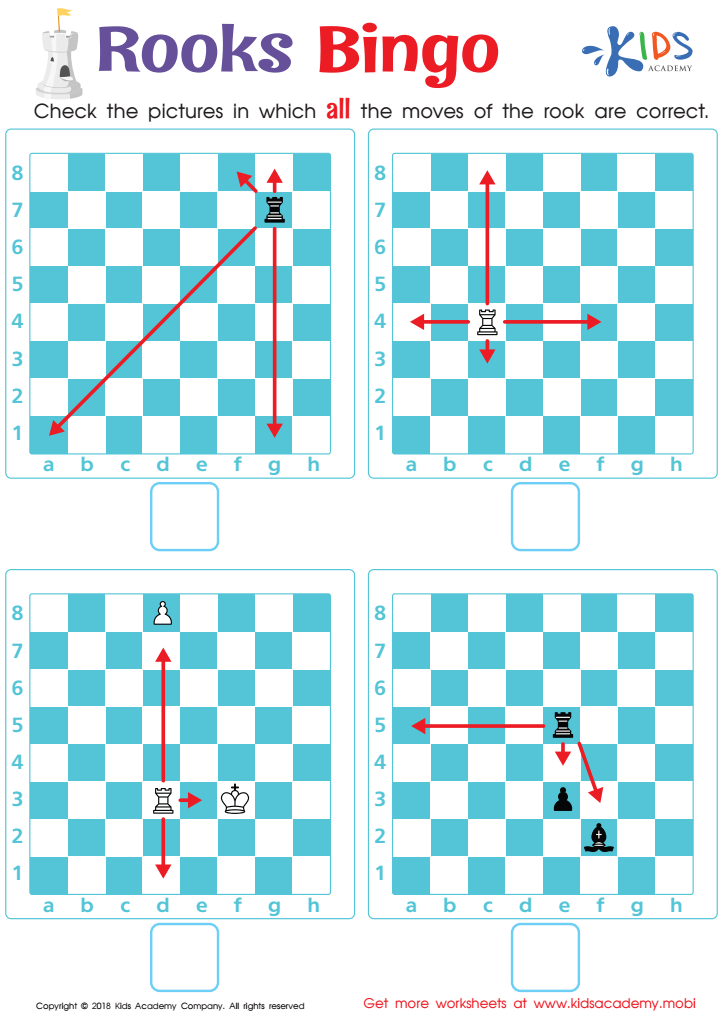
Rooks Bingo Worksheet
Can your child accurately move the rook pieces in a game of chess? Do they understand the moves a rook can and can't make? Check the worksheet with them to ensure the pictures correctly depict the rook's movements. Confirm only those with correct moves.
Rooks Bingo Worksheet
Worksheet
Join Kids Academy for Free
Who is primarily going to use this learning content?



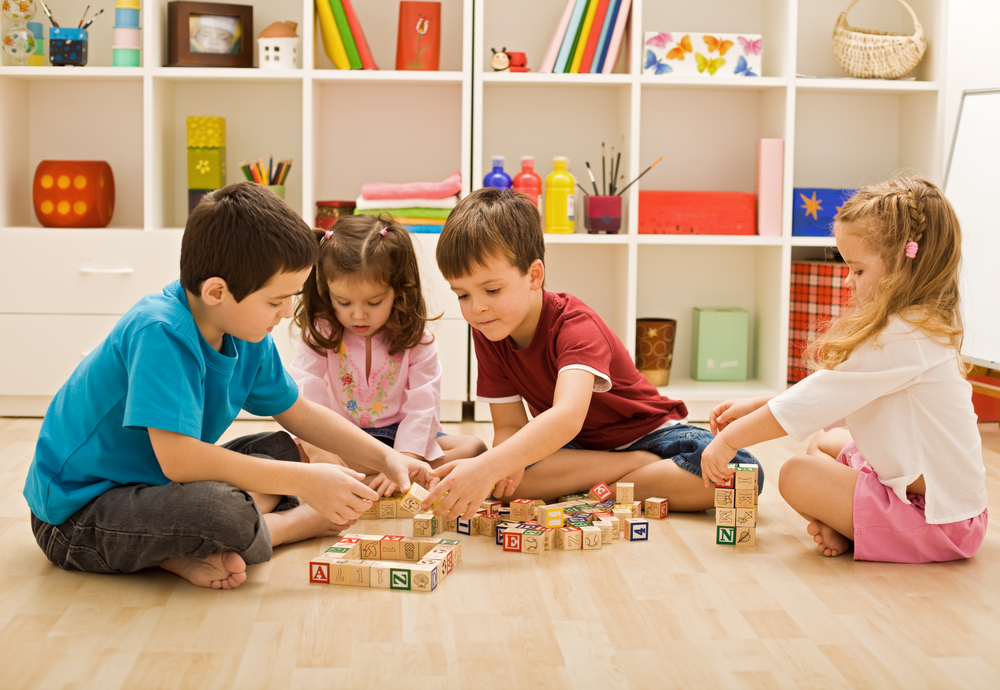




Recognizing patterns is a fundamental skill that plays a pivotal role in a child's cognitive development, particularly for 6-year-olds. When parents and teachers emphasize pattern recognition, they help kids build critical thinking and problem-solving abilities. By identifying similarities, trends, and sequences, children enhance their analytical skills, which form the backbone of mathematical thinking. This foundational knowledge aids in subjects like math, science, and even reading.
Moreover, recognizing patterns fosters creativity, boosting a child's ability to predict outcomes and generate solutions. For example, recognizing rhythmic patterns in music enhances auditory processing skills and enriches language acquisition. When students engage with patterns through games, art, or nature, they develop focus and perseverance.
Parents and teachers also benefit by nurturing a child's natural curiosity. Encouragement in recognizing patterns leads to a deeper understanding of the world around them, making learning more enjoyable and interactive. Lastly, this skill builds confidence, as children experience success in their discoveries. In essence, supporting pattern recognition in young learners fosters a robust educational foundation that empowers them for future learning and real-world applications.








