Shape identification Normal Math Worksheets for 6-Year-Olds
6 filtered results
-
From - To
Discover our engaging Shape Identification worksheets designed specifically for 6-year-olds! These normal math worksheets enhance children's understanding of various shapes through fun and interactive activities. Your little learners will enjoy identifying, drawing, and matching shapes while developing essential math skills. Each worksheet features colorful illustrations that capture children’s attention, making learning both enjoyable and effective. Ideal for home or classroom use, our Shape Identification worksheets provide the perfect balance of education and creativity. Help your child build confidence in their math abilities as they explore the world of shapes. Start their learning journey today with our carefully crafted resources!
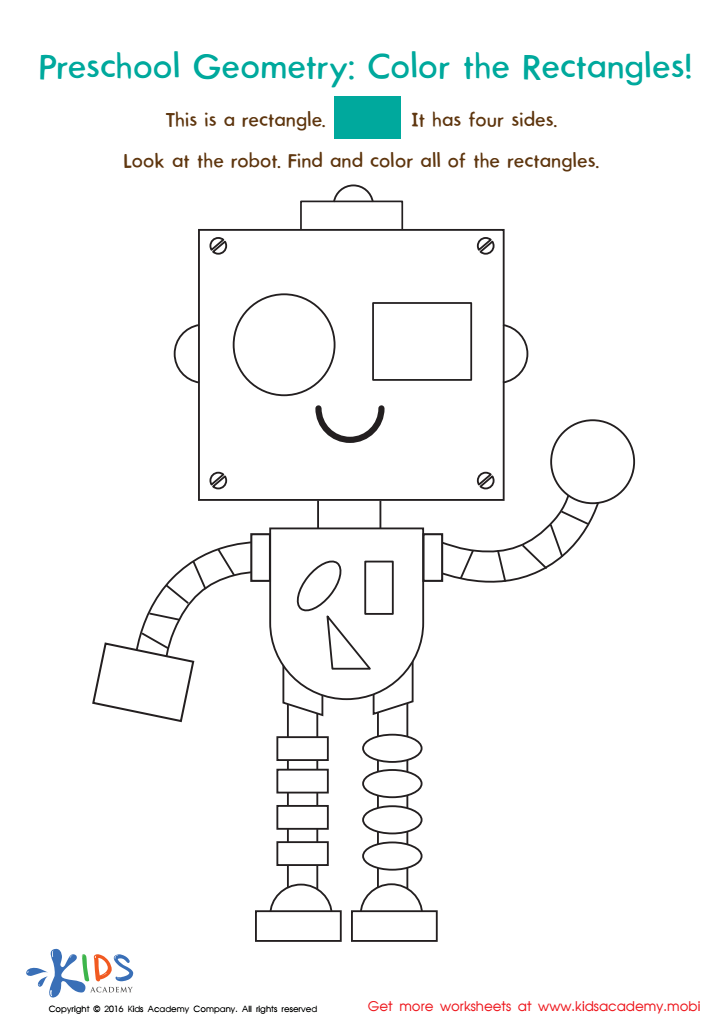
Geometry Worksheet
 Assign to My Students
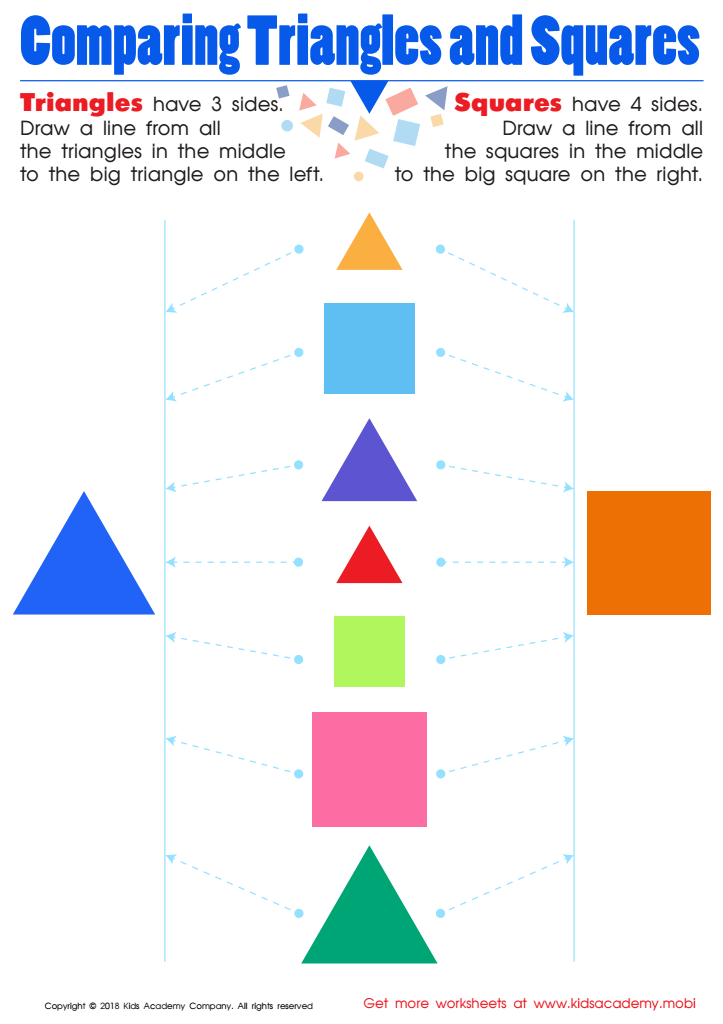
Comparing Triangles Squares Worksheet
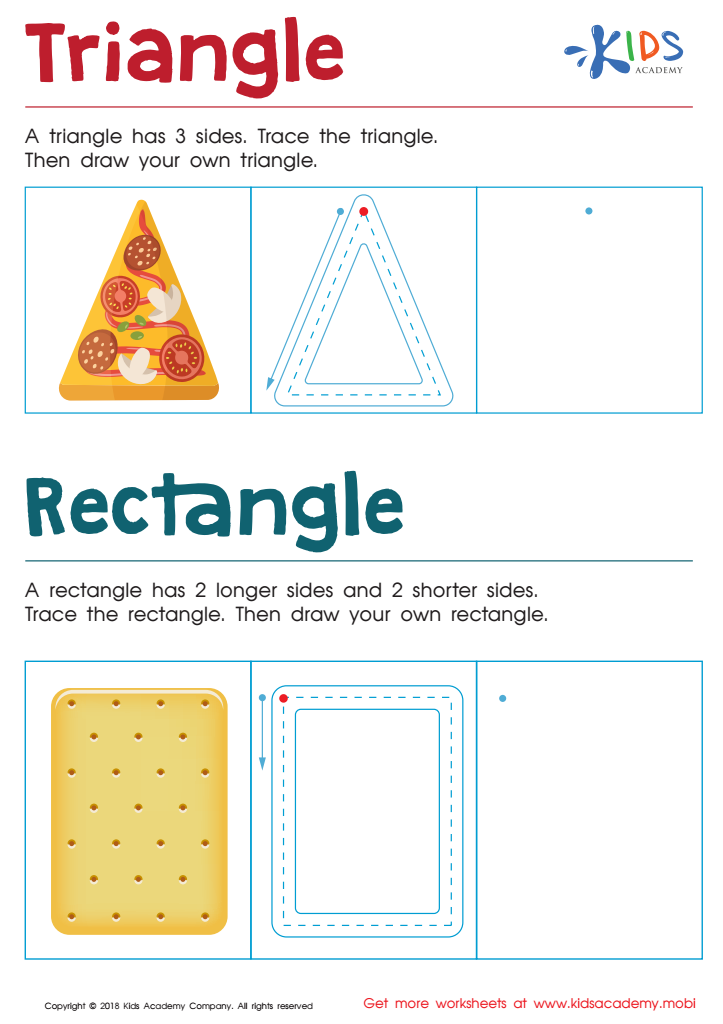
Triangle Rectangle Worksheet
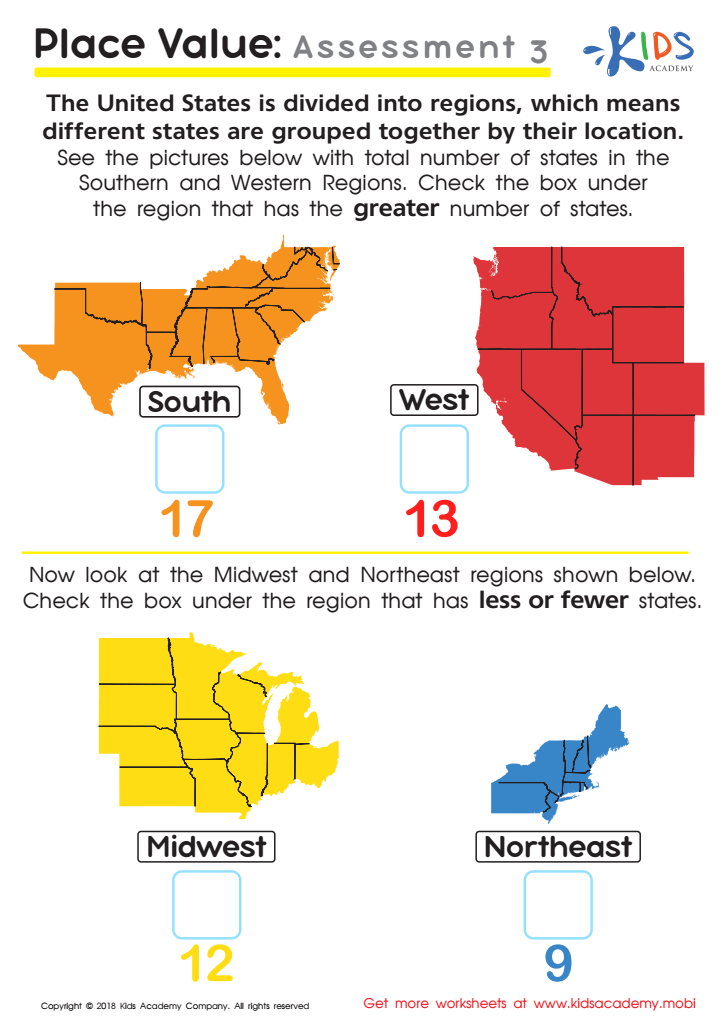
Place Value: Assessment 3 Worksheet
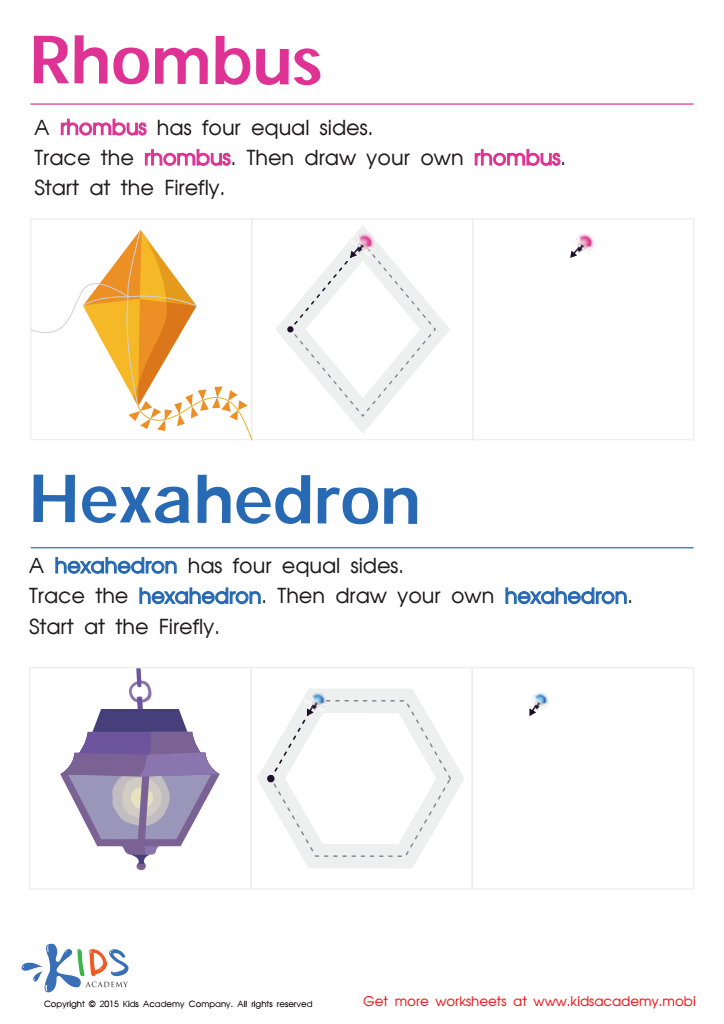
Draw a Rhombus And a Hexahedron Printable
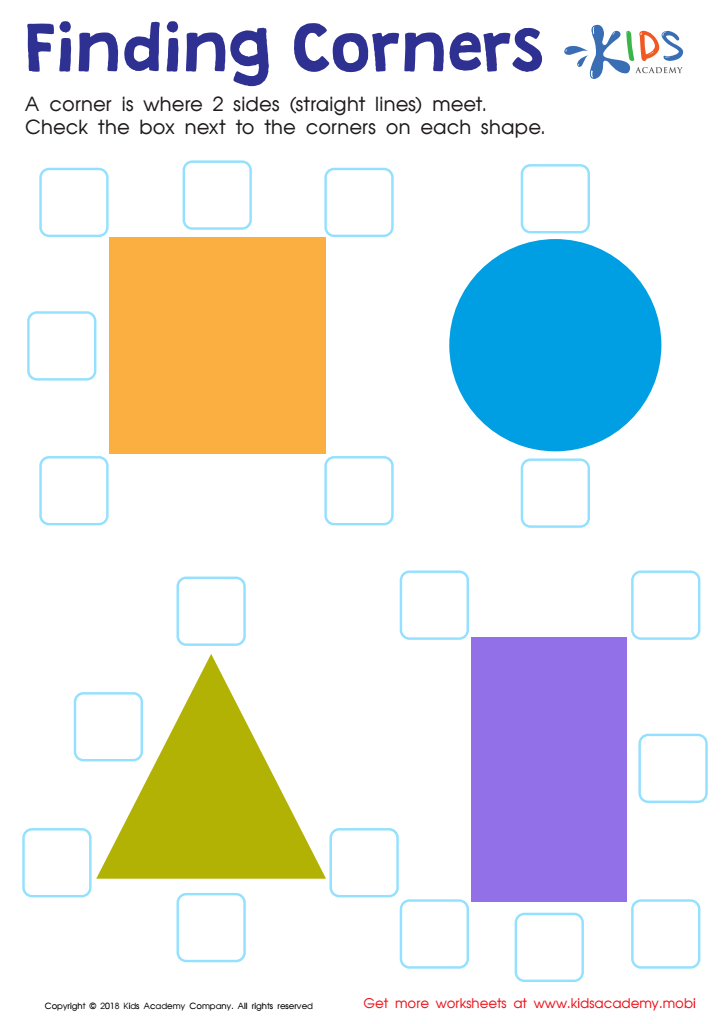
Finding Corners Worksheet







Shape identification is a fundamental concept within early mathematics that plays a crucial role in a child's cognitive development. For 6-year-olds, recognizing and understanding shapes goes beyond just identifying objects; it fosters critical thinking and visual-spatial awareness. Parents and teachers should care about shape identification because it lays the groundwork for more complex mathematical concepts in the future, such as geometry and measurement.
By encouraging shape identification, we help children develop their observational and analytical skills. It enhances their ability to categorize and compare objects, which is a valuable cognitive skill across various subjects. Moreover, shape identification is a practical part of everyday learning—kids can recognize shapes in architecture, nature, and art, making their learning experience more interactive and relatable.
Furthermore, mastering shapes can boost children's confidence, as they gain the ability to express their thoughts about geometric properties and relationships. This foundational skill not only supports academic growth but also plays a vital role in fostering problem-solving abilities and creativity. Ultimately, shape identification cultivates a capable, enthusiastic learner who will be better prepared for future educational challenges. Thus, parents and teachers should prioritize and celebrate this essential aspect of early math education.








