Vocabulary Building Normal Building Vocabulary Worksheets for 6-Year-Olds
4 filtered results
-
From - To
Enhance your 6-year-old's language skills with our engaging Vocabulary Building Worksheets! Tailored for young learners, these worksheets focus on expanding vocabulary through fun activities that stimulate imagination and learning. Each worksheet is designed to promote reading comprehension, word recognition, and critical thinking. Children will enjoy working on exercises that involve word matching, definitions, and sentence creation, making learning both enjoyable and effective. Perfect for both home and classroom use, our resources help lay a strong foundation for lifelong vocabulary skills. Dive into our collection and watch your child's confidence in language blossom! Empower their learning today!
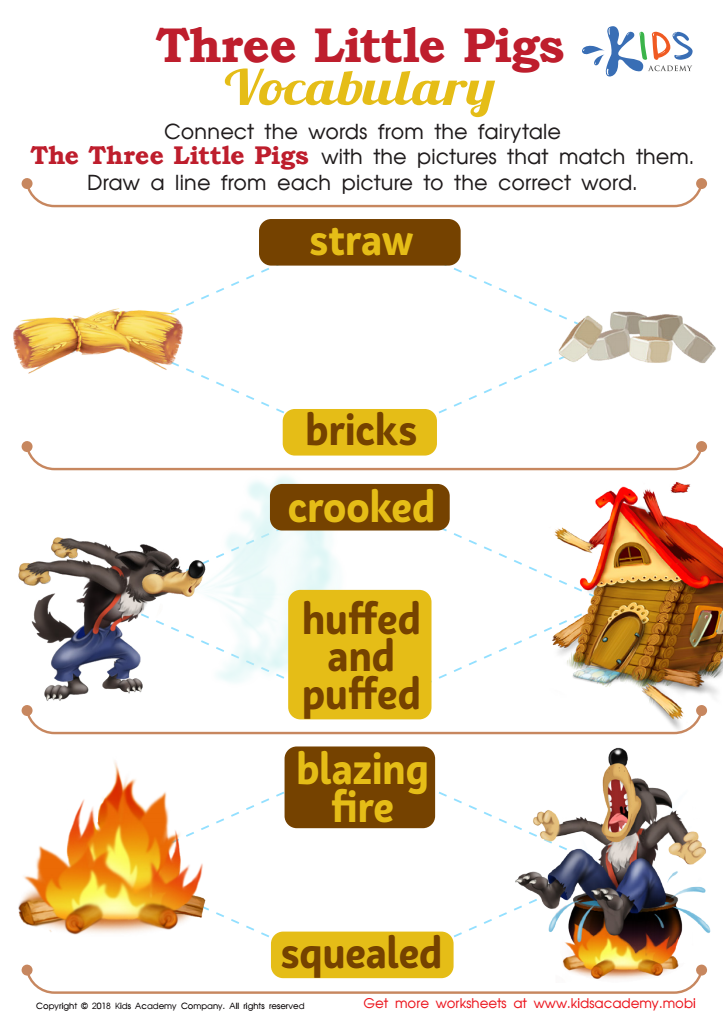
Three Little Pigs Vocabulary Worksheet
 Assign to My Students











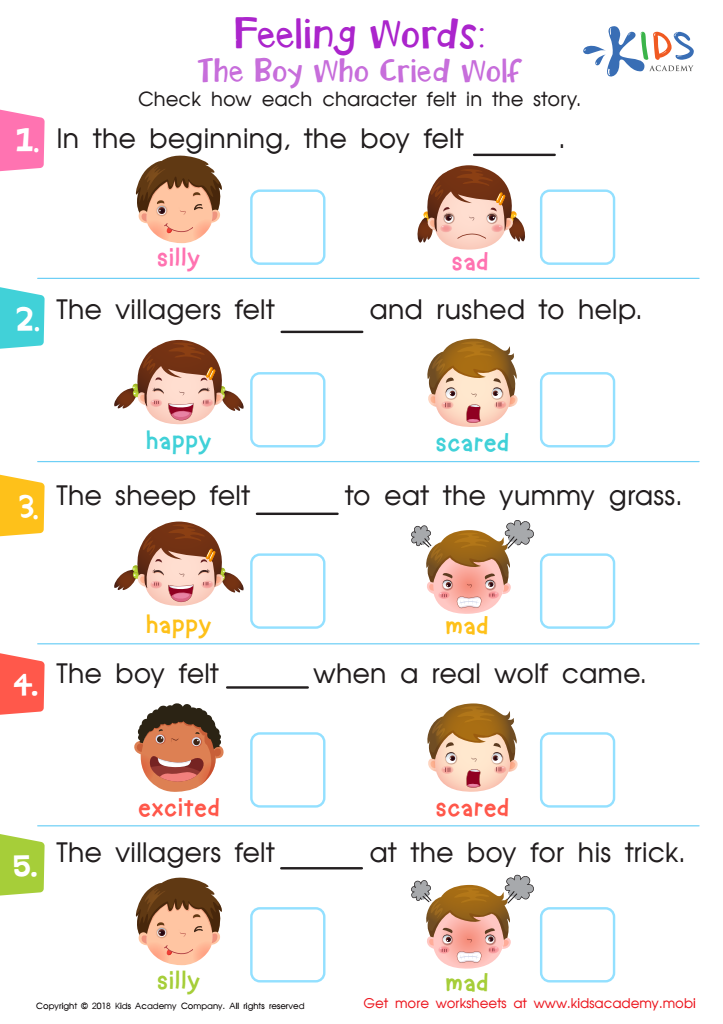
Feeling Words: The Boy Who Cried Wolf Worksheet
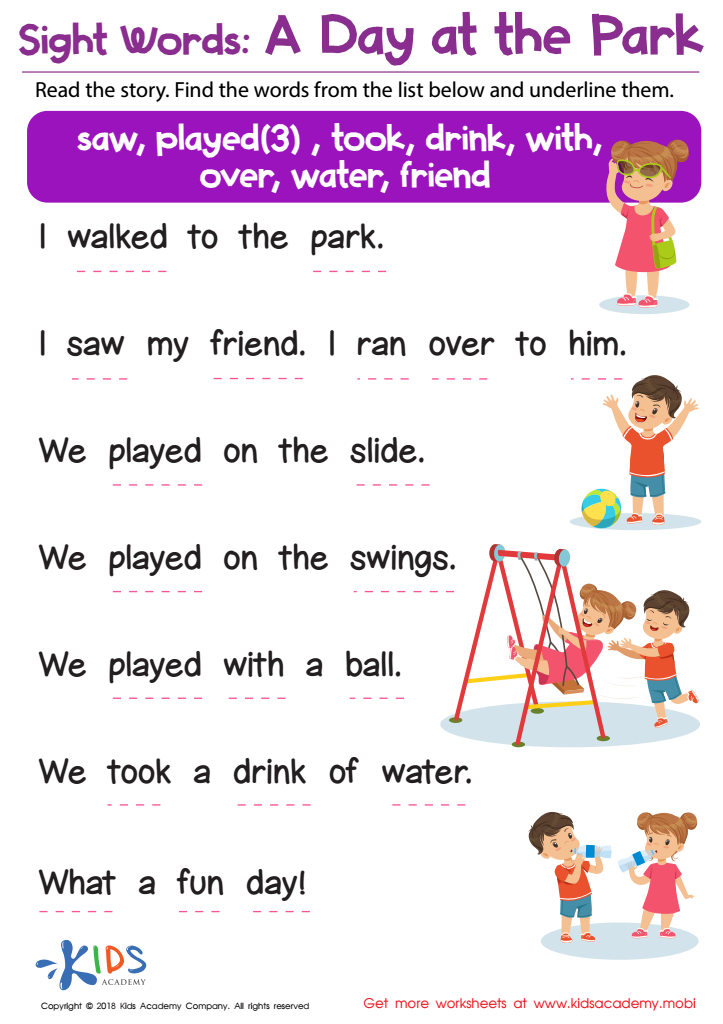
Sight Words: A Day at the Park Worksheet
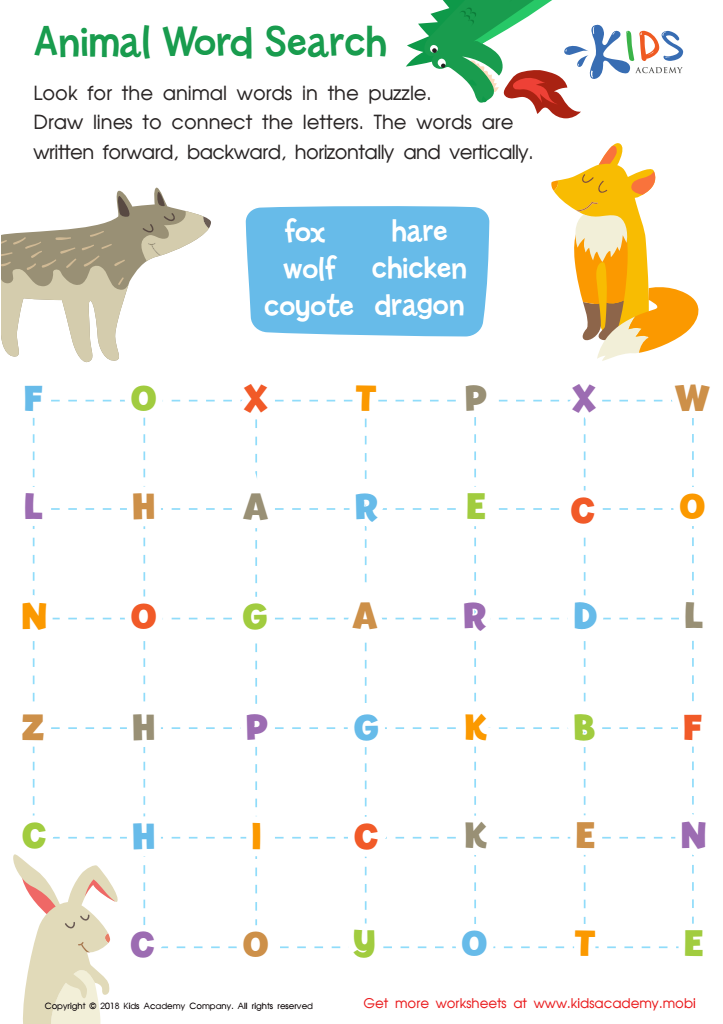
Animal Word Search Worksheet


.jpg)





Vocabulary building is crucial for 6-year-olds as it lays the foundation for their communication skills, reading comprehension, and overall academic success. At this age, children are rapidly developing their language abilities, and a robust vocabulary enhances their capacity to express thoughts, feelings, and ideas clearly and effectively.
Parents and teachers play a vital role in this developmental stage. Engaging children in rich language experiences—through storytelling, conversations, and reading—encourages curiosity and learning. A strong vocabulary is linked to improved literacy skills, making it easier for children to understand and engage with reading materials.
Moreover, a well-developed vocabulary empowers children in social interactions, helping them form friendships and navigate social situations. It can boost their confidence and self-esteem, as they feel more equipped to articulate their thoughts.
To foster vocabulary growth, parents and teachers should provide diverse learning experiences, use new words in context, and encourage questions. Activities like word games, interactive reading, and discussing everyday experiences can make vocabulary learning fun and engaging. By prioritizing vocabulary development, parents and teachers not only enhance children's academic readiness but also support their social and emotional growth, paving the way for lifelong learning.








