
Color recognition Normal Reading Worksheets for 6-Year-Olds
3 filtered results
Difficulty Level
Grade
Age
-
From - To
Subject
Activity
Standards
Explore our engaging Color Recognition Normal Reading Worksheets designed specifically for 6-year-olds! These interactive worksheets help young learners identify and name colors while enhancing their reading skills. Each activity incorporates vibrant illustrations and simple texts, making learning both fun and effective. Kids will enjoy recognizing colors in various objects, reinforcing their understanding through engaging visual cues. Perfect for parents and educators, these worksheets support early literacy development and stimulate curiosity about the world around them. Help your child build a strong foundation in reading and color recognition with our thoughtfully crafted resources. Start their learning adventure today!
Favorites
With answer key
Interactive
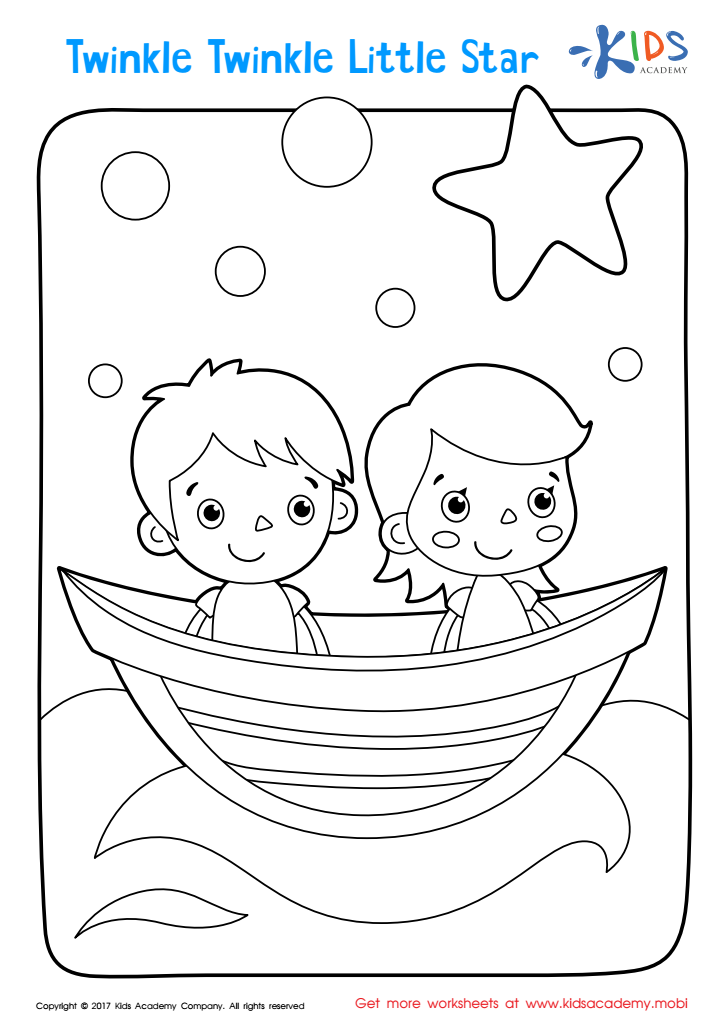
Twinkle Twinkle Little Star Coloring Page
Let your child wish upon a star as they color this scene of boy and girl stargazing. Sing Twinkle Twinkle Little Star while they choose colors to show the star twinkling in the night sky.
Download (PDF)
 Assign to My Students
Assign to My Students
Twinkle Twinkle Little Star Coloring Page
Worksheet
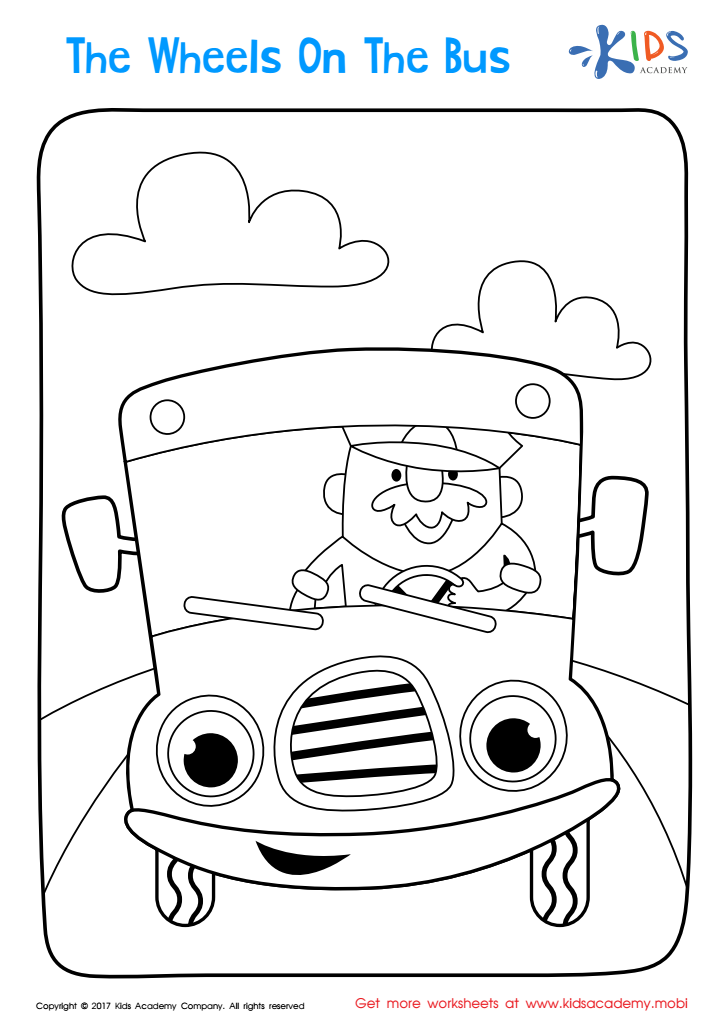
The Wheels on the Bus Coloring Page
Colour and sing with this printable Wheels on the Bus page! Let your child have fun singing the song with you as they colour. It'll make the activity even more entertaining and memorable.
Download (PDF)
Assign to My Students
Assign to My Students
The Wheels on the Bus Coloring Page
Worksheet
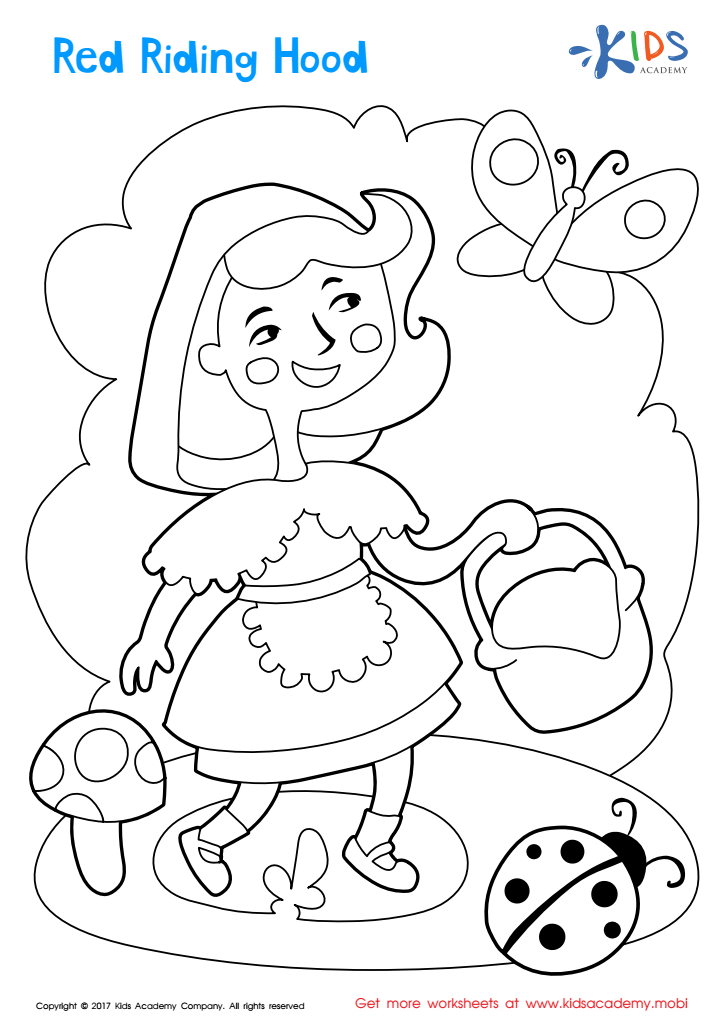
Red Riding Hood Coloring Page
Red Riding Hood awaits in the woods, with a butterfly, mushroom, and ladybug around her. Let your child bring the story to life with this magical printable coloring page. Fairytale fun for all!
Download (PDF)
Assign to My Students
Assign to My Students
Red Riding Hood Coloring Page
Worksheet
Join Kids Academy for Free
Who is primarily going to use this learning content?







Color recognition and normal reading skills are foundational to a child’s cognitive development, particularly for 6-year-olds who are navigating critical early educational milestones. Understanding colors enhances a child's ability to categorize and identify objects, boosting their vocabulary and comprehension skills. It plays a vital role in advancing pre-reading skills—many children's books use color-coded concepts to help children understand stories and differentiate characters or themes.
Additionally, colors are often integrated into various learning activities, from art projects to sorting tasks, allowing for a multisensory learning experience that reinforces cognitive and motor skills. As they learn to read, these children often encounter colored text and illustrations, making color recognition essential for interpreting stories and understanding visual information.
Furthermore, mastering color recognition fosters confidence and engagement in the classroom, encouraging participation in discussions and activities. Support from parents and teachers is crucial; they can reinforce these skills through everyday interactions and creative exercises. By caring about and actively promoting both color recognition and reading, adults equip children with the tools they need not just for literacy development, but for effective communication and socialization, shaping well-rounded individuals ready for more complex learning ahead.








