Problem-Solving Skills Normal Reading Worksheets for 6-Year-Olds
5 filtered results
-
From - To
Enhance your child's critical thinking with our Problem-Solving Skills Normal Reading Worksheets for 6-Year-Olds. These engaging, age-appropriate worksheets blend fun stories with challenging exercises, promoting strategic thinking and comprehension. Designed to ignite curiosity and inspire thoughtful solutions, each worksheet helps children identify problems, consider options, and decide the best course of action. Perfect for classroom environments or at-home practice, our resources aid in developing essential life skills while reinforcing reading abilities. Empower your youngster to become a confident problem solver with our meticulously crafted learning tools. Explore the complete collection and make problem-solving an enjoyable adventure!
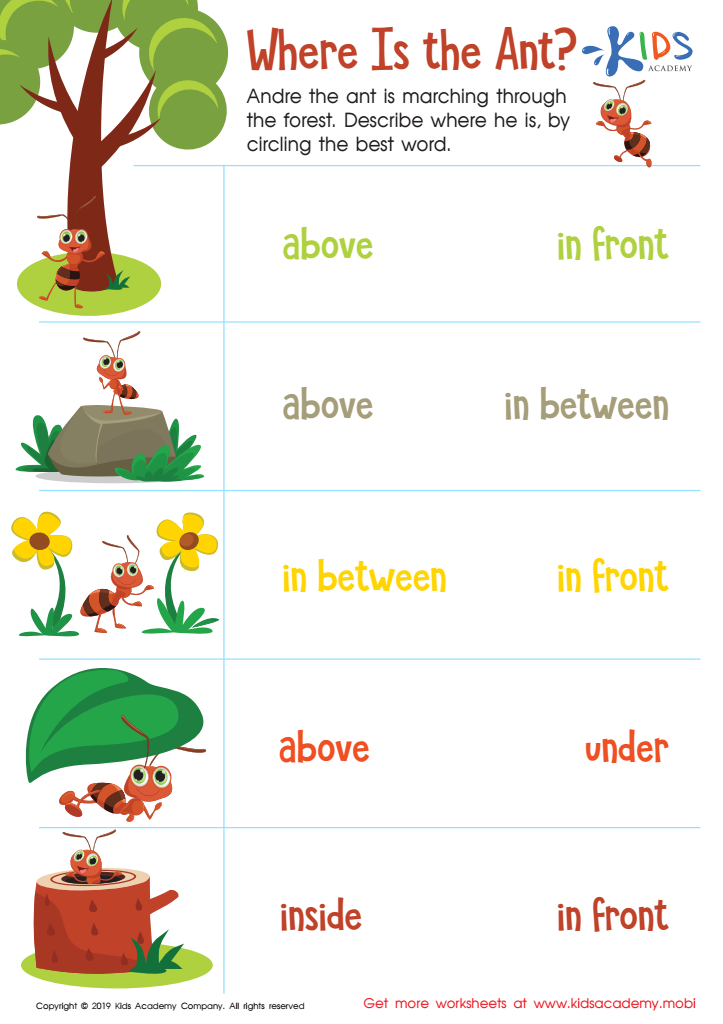
Where Is the Ant? Worksheet
 Assign to My Students
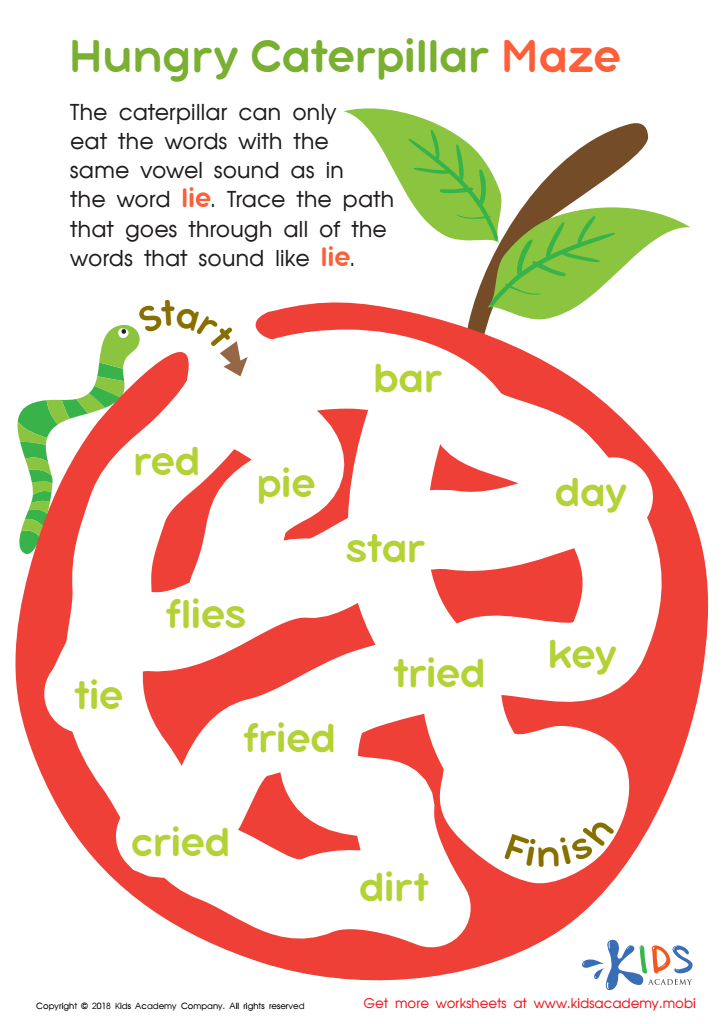
Hungry Caterpillar Maze Worksheet
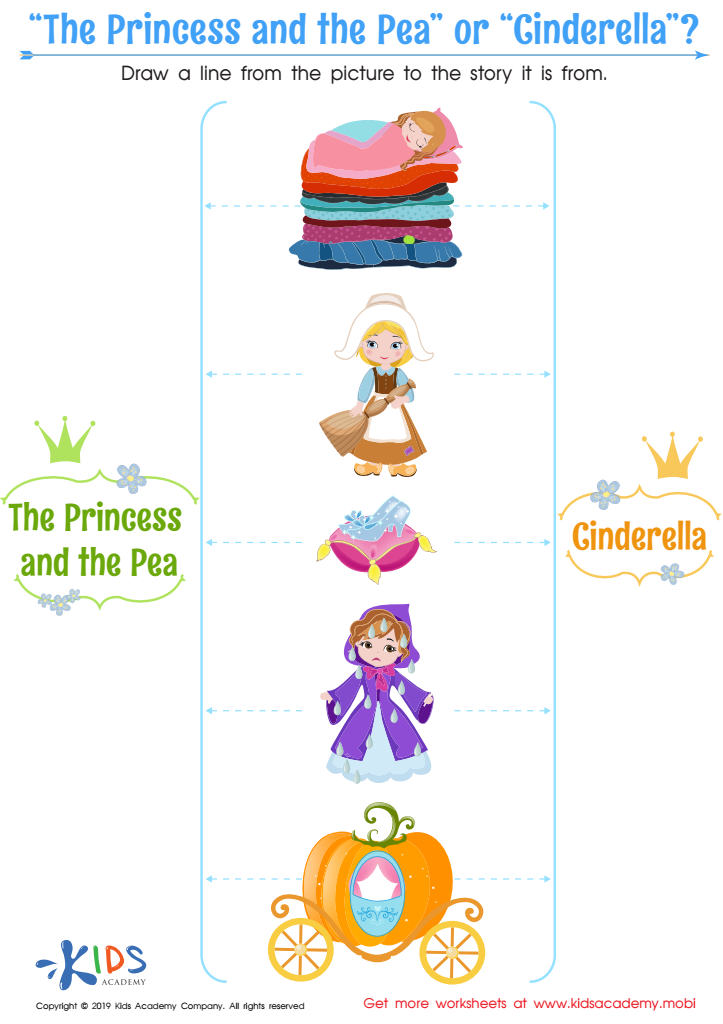
“The Princess and the Pea” or “Cinderella” Worksheet
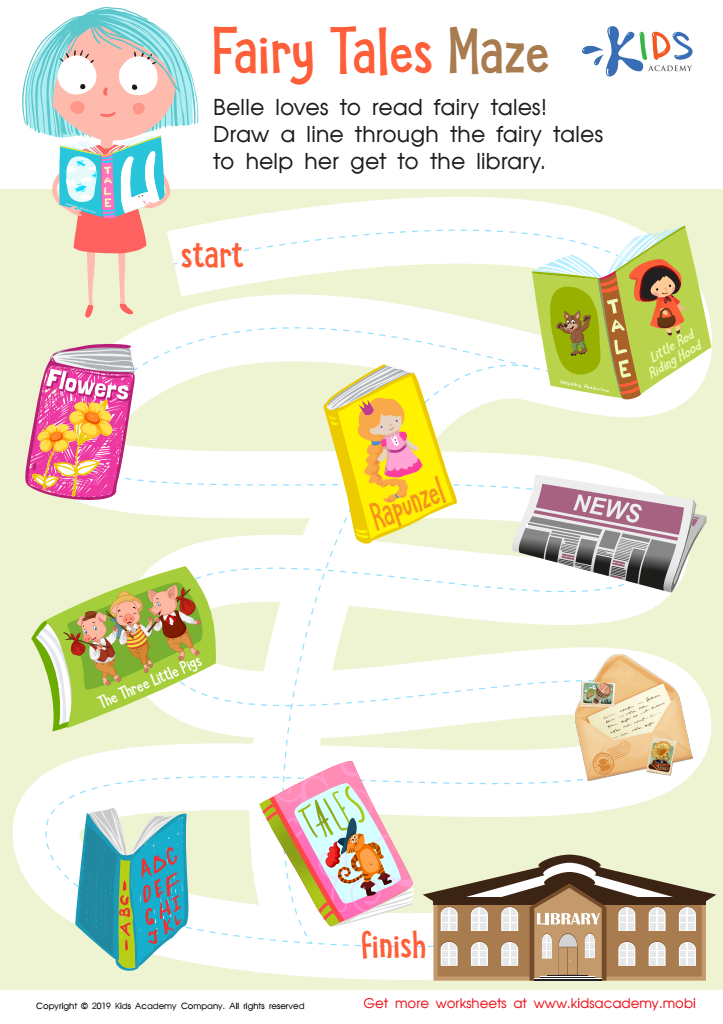
Fairy Tales Maze Worksheet
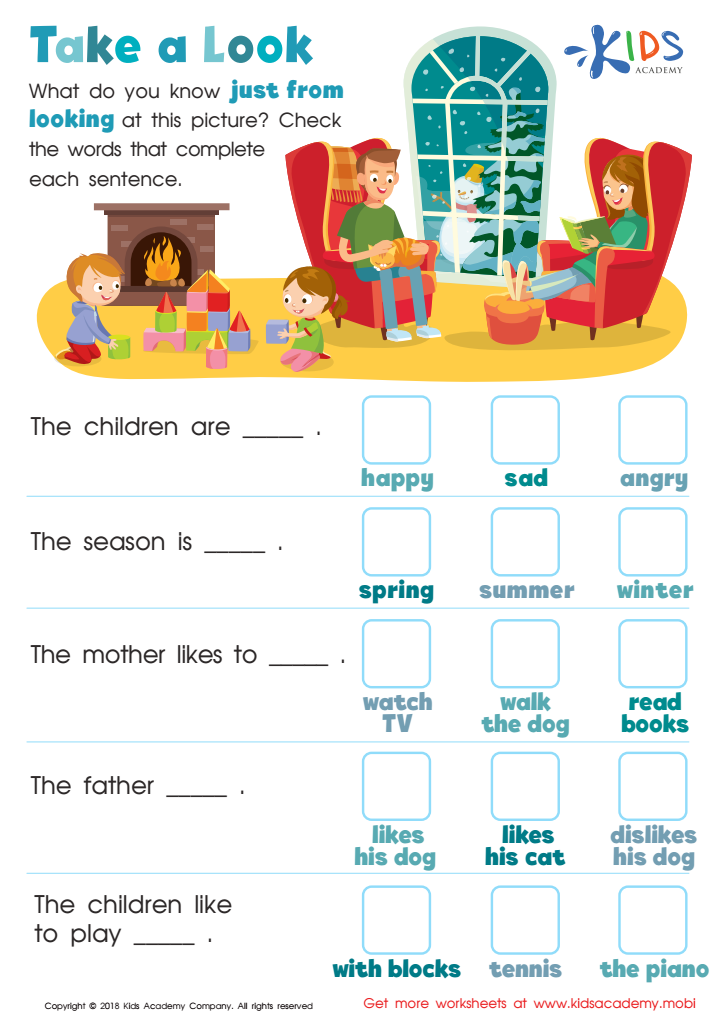
Take a Look - Part 1 Worksheet








Problem-solving skills and normal reading abilities at age 6 are foundational elements crucial for a child's cognitive and social development. Parents and teachers should prioritize these skills for several significant reasons.
Firstly, problem-solving is integral to critical thinking. It enables children to tackle challenges efficiently and come up with viable solutions, fostering independence and resilience. These skills are applied across various situations, from everyday tasks to complex academic questions, setting a solid groundwork for future learning.
Reading, on the other hand, is the gateway to acquiring knowledge. At age 6, children are expected to transition from learning to read to reading to learn. Mastery of reading at this stage fosters vocabulary expansion, comprehension skills, and intellectual curiosity, which are essential for academic achievement. Children who read well in early grades exhibit better language skills, improved concentration, and enhanced empathy. They are also more likely to enjoy learning, reducing the future risk of academic difficulties.
Both problem-solving skills and reading readiness are intertwined, as good reading skills enable children to understand and analyze problems better, leading to effective solutions. Hence, by nurturing these competencies, parents and teachers equip children with essential tools for lifelong success in both personal and educational spheres.








