Problem-Solving Skills Normal Reading Fiction Worksheets for 6-Year-Olds
3 filtered results
-
From - To
Enhance your child's problem-solving skills with our engaging Reading Fiction Worksheets designed specifically for 6-year-olds. These worksheets blend fun narratives with critical thinking exercises, encouraging young readers to explore stories while honing their analytical abilities. Each activity challenges children to identify problems within the plot and think creatively about solutions, fostering both comprehension and creativity. Ideal for independent work or guided instruction, our resources make learning enjoyable and effective. Equip your child with essential cognitive skills while discovering the joys of fiction. Download our Problem-Solving Skills Worksheets today, and watch your young reader thrive!
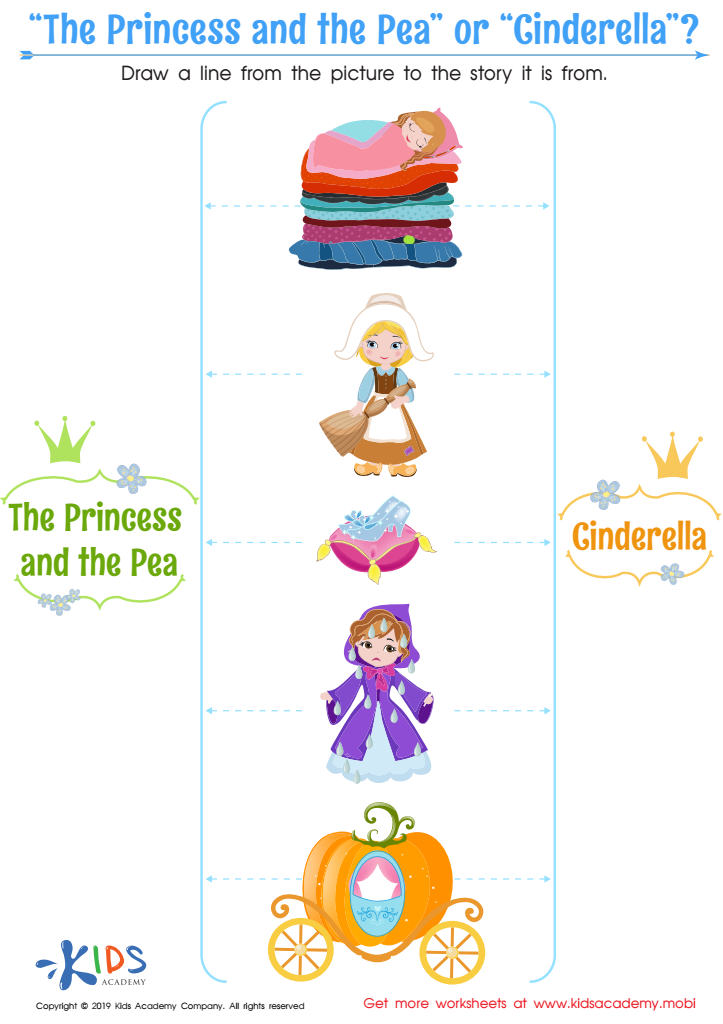
“The Princess and the Pea” or “Cinderella” Worksheet
 Assign to My Students
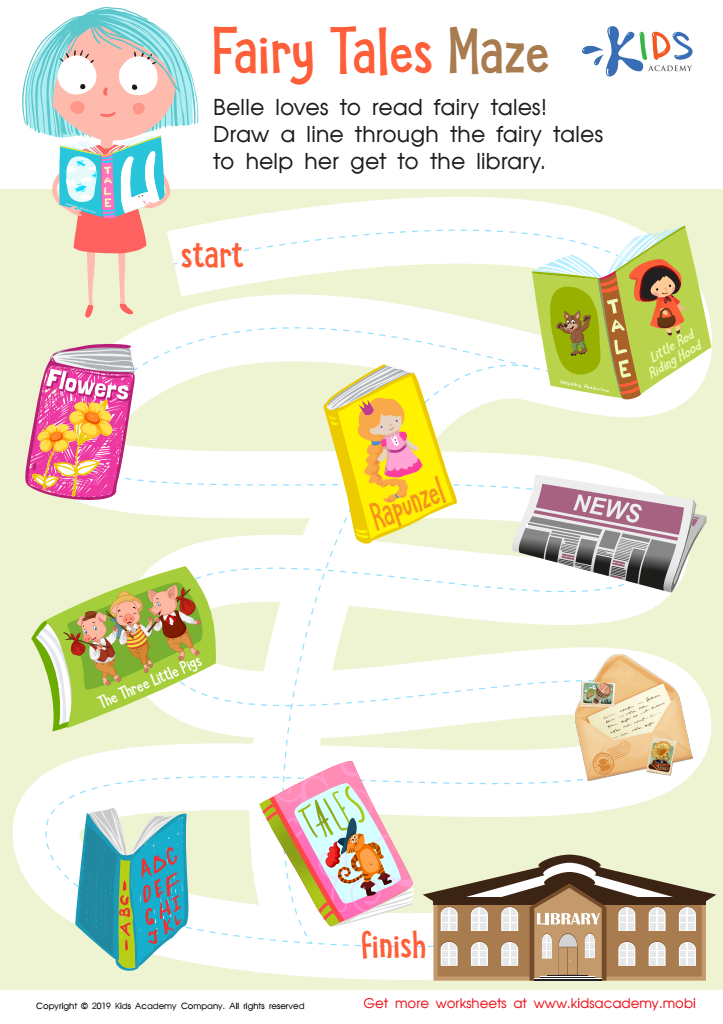
Fairy Tales Maze Worksheet
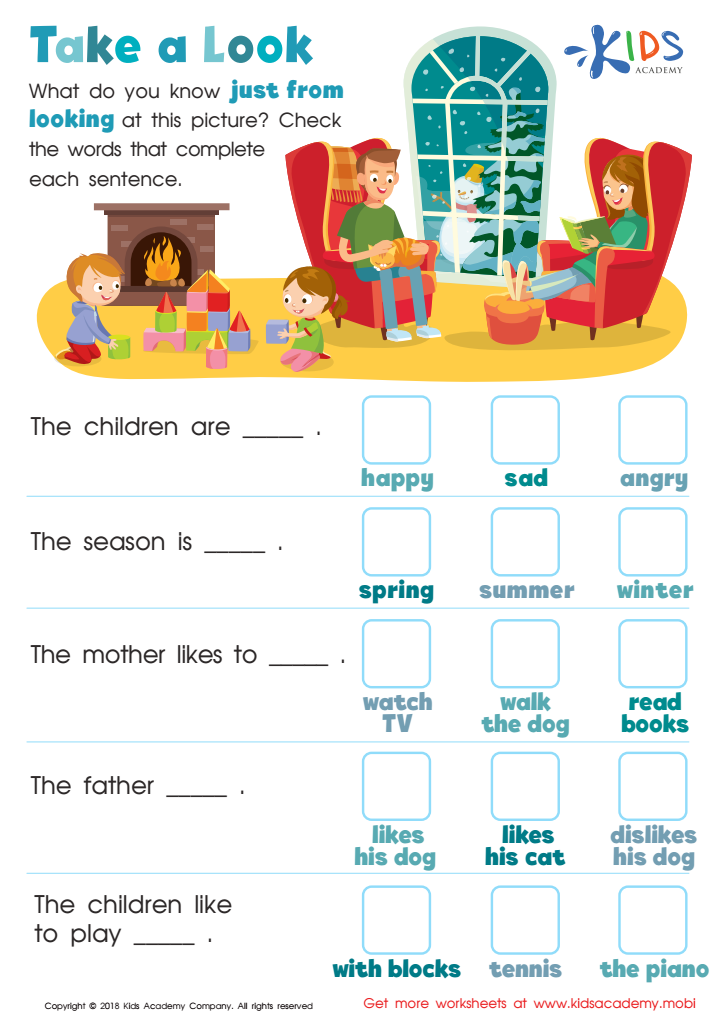
Take a Look - Part 1 Worksheet








Problem-solving skills are crucial for 6-year-olds, especially when it comes to engaging with normal reading fiction. By reading stories, children encounter various characters, conflicts, and resolutions that mirror real-life situations. This exposure stimulates their critical thinking and helps them to navigate challenges, enhancing their problem-solving abilities.
Parents and teachers should care because developing these skills at a young age lays the groundwork for lifelong learning. When children read fiction, they learn to predict outcomes, empathize with characters, and consider different perspectives. These are essential traits that foster resilience and creativity.
Moreover, reading fiction helps improve language skills, enriching vocabulary and comprehension, which are pivotal for effective communication—a vital component of problem-solving. When children articulate their thoughts or negotiate solutions, they reinforce their learning.
Encouraging problem-solving through fiction also nurtures children’s intrinsic motivation and curiosity. As they encounter problems within stories, they become inspired to find solutions, enhancing their confidence in tackling real-life issues. By prioritizing exposure to quality fictional texts, parents and teachers can significantly contribute to the holistic development of young learners, ultimately preparing them for the complexities of life beyond the classroom.







