Vocabulary expansion Normal Social Studies Worksheets for 6-Year-Olds
13 filtered results
Difficulty Level
Grade
Age
-
From - To
Subject
Activity
Standards
Unlock your child’s potential with our Vocabulary Expansion Social Studies Worksheets tailored for 6-year-olds. Designed to foster language growth and enhance learning skills, these printable worksheets cover social studies concepts while simultaneously enriching vocabulary. Engaging activities and age-appropriate content make learning fun and effective, ensuring your child builds a strong foundation in both vocabulary and social studies. Perfect for classroom enrichment or at-home practice, these worksheets utilize visual aids, context sentences, and interactive exercises to help young learners understand and retain new words. Equip your child with essential vocabulary skills that pave the way for academic success.
Favorites
With answer key
Interactive
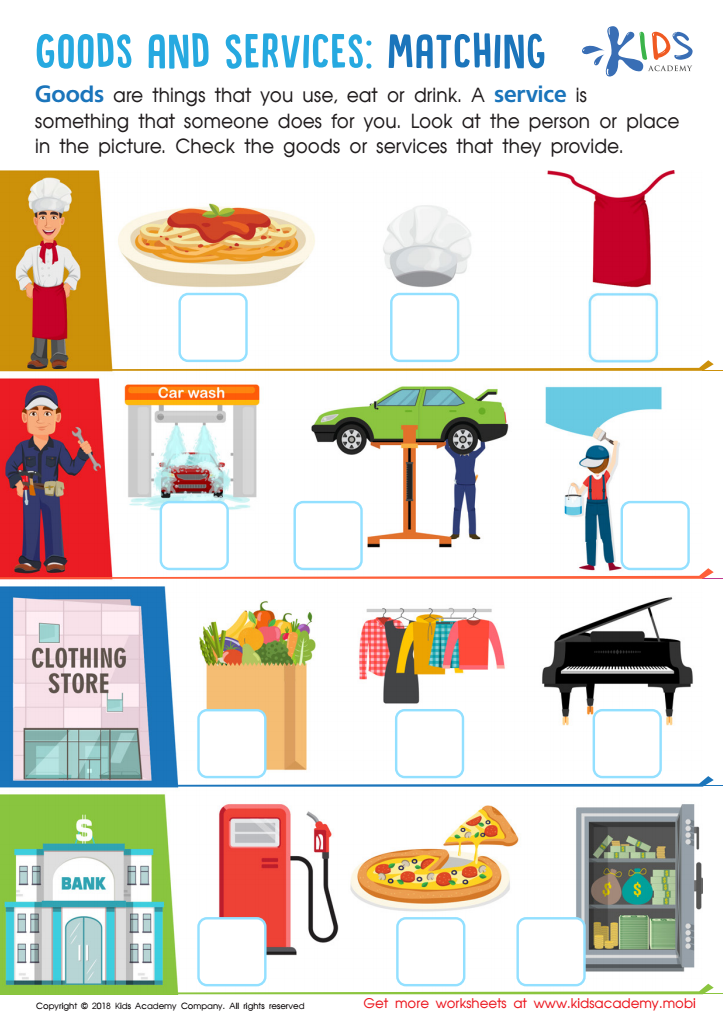
Goods and Services: Matching Worksheet
Goods are things that you use, eat or drink. Ask your kids to give examples of goods and services. Challenge them to identify the people and places in the worksheet, and check the goods or services they provide from the options on the right side.
 Assign to My Students
Goods and Services: Matching Worksheet
Worksheet
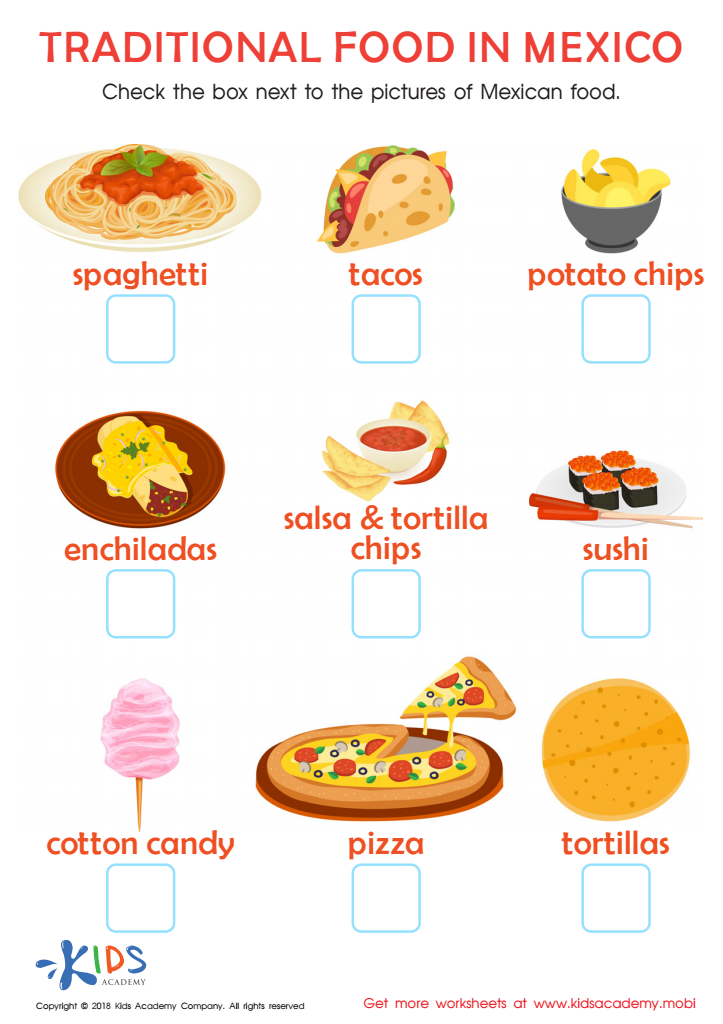
Traditional Food in Mexico Worksheet
This colorful worksheet offers a great opportunity to learn about traditional Mexican foods, build vocabulary and practice visual discrimination. As many of the words are not phonetic, this practice can help improve fluency, vocabulary and comprehension when encountered in reading. Culturally diverse, it's great for readers looking to expand their knowledge.
Traditional Food in Mexico Worksheet
Worksheet
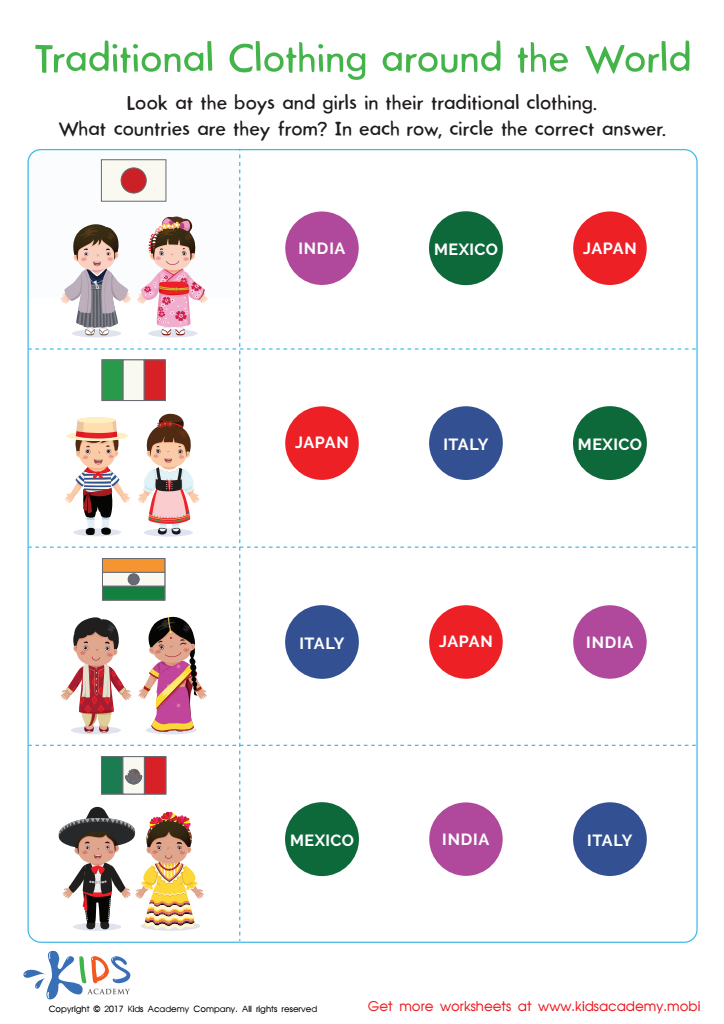
Traditional Clothing Worksheet
Introduce your child to cultures around the world with this illustrated traditional clothing printable worksheet! It will help them to recognize clothing, national flags and cultures from different countries, fostering an appreciation and love for all. It's a joyful way to learn and recognize the differences of people from around the world!
Traditional Clothing Worksheet
Worksheet
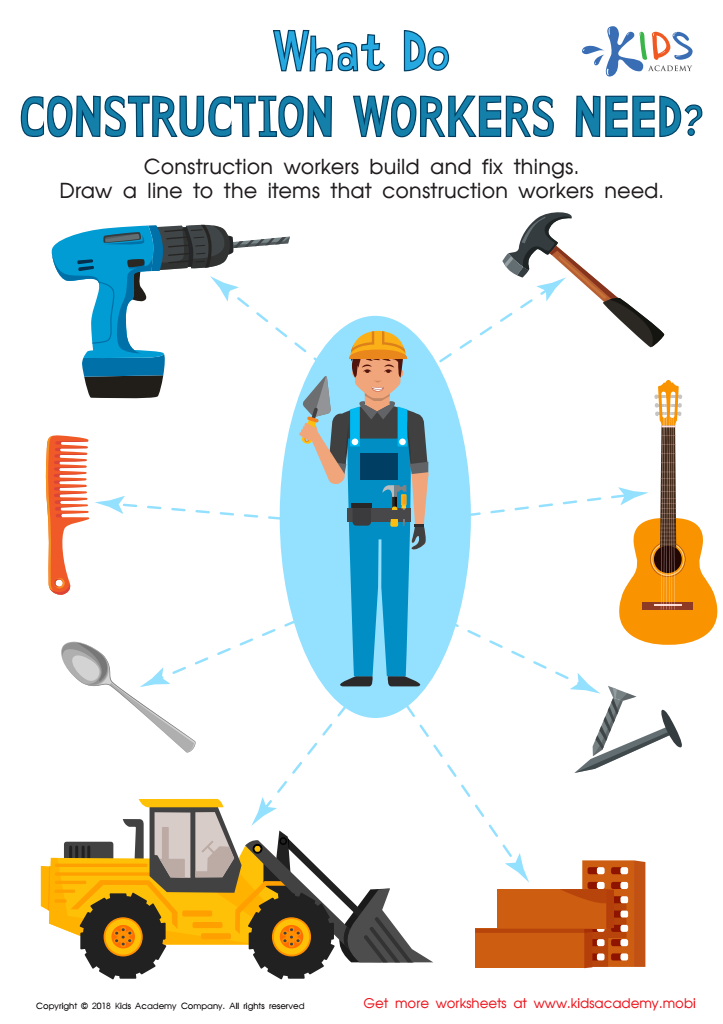
What Do Construction Workers Need? Worksheet
Ask your kid if they've seen a construction worker in action. What were they doing? Can they name the tools they use? Check out this worksheet and name the items. Then, help them trace the items needed for construction in this tracing sheet.
What Do Construction Workers Need? Worksheet
Worksheet
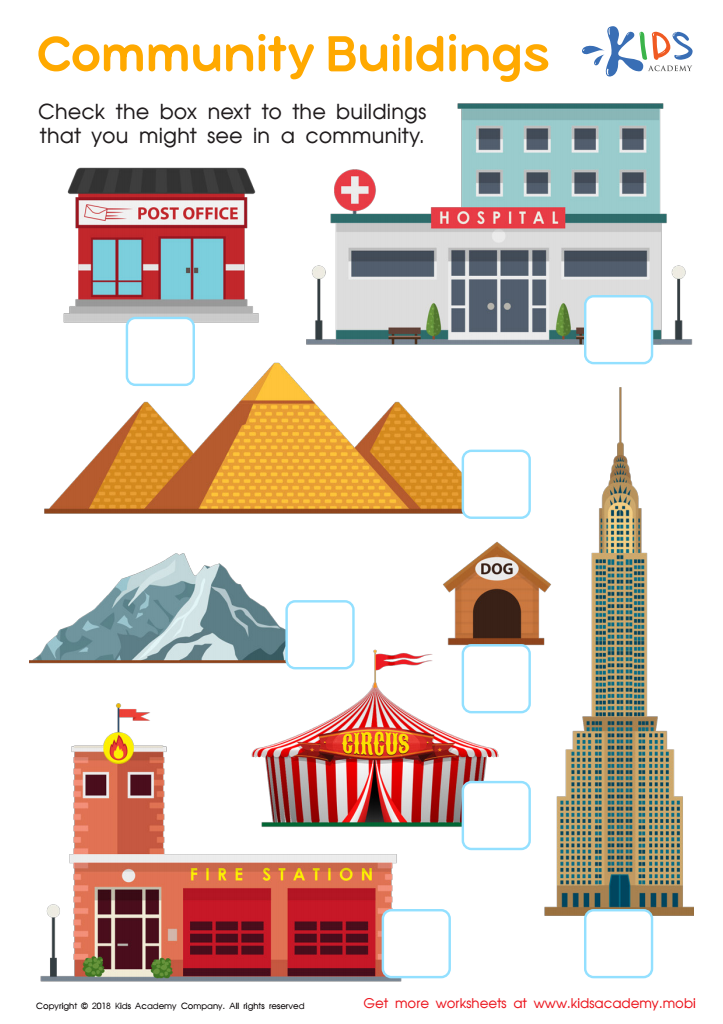
Community Buildings Worksheet
Test your child's knowledge of local buildings with this worksheet. Ask them to name the buildings in the images, then check the boxes next to the ones they might see in a community. It's a great way to explore the places you visit together.
Community Buildings Worksheet
Worksheet
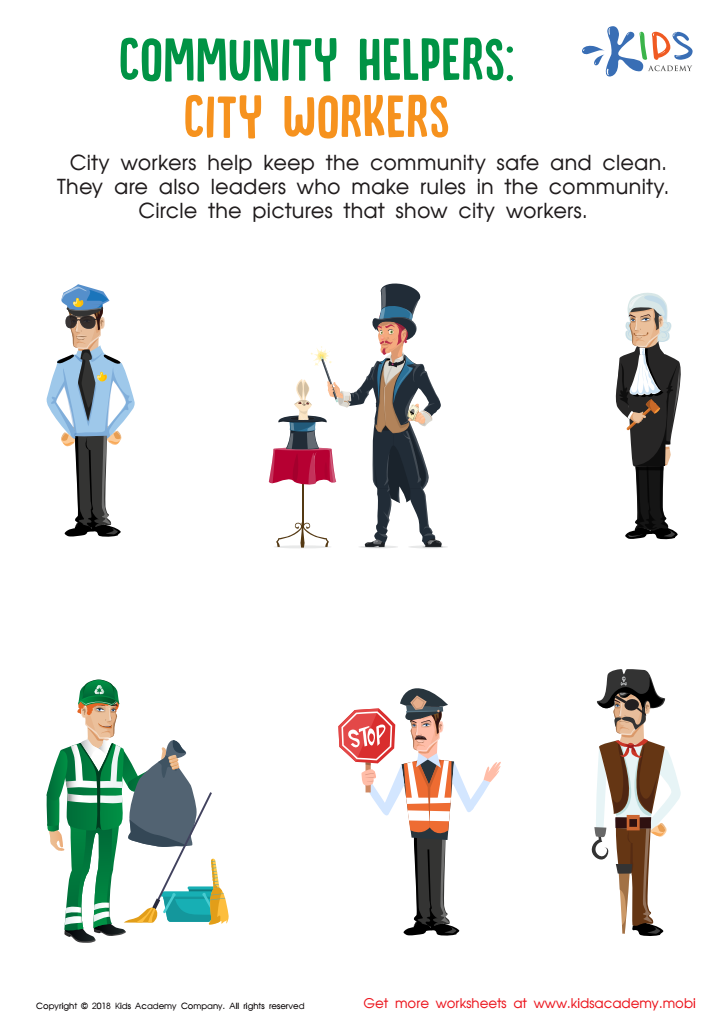
City Workers Community Helpers Worksheet
City workers help keep our communities clean, safe and well-run. They create and enforce rules and act as leaders. Use this worksheet with your child to learn more about the important roles they play. Check the pictures in the free PDF that accurately depict what they do.
City Workers Community Helpers Worksheet
Worksheet
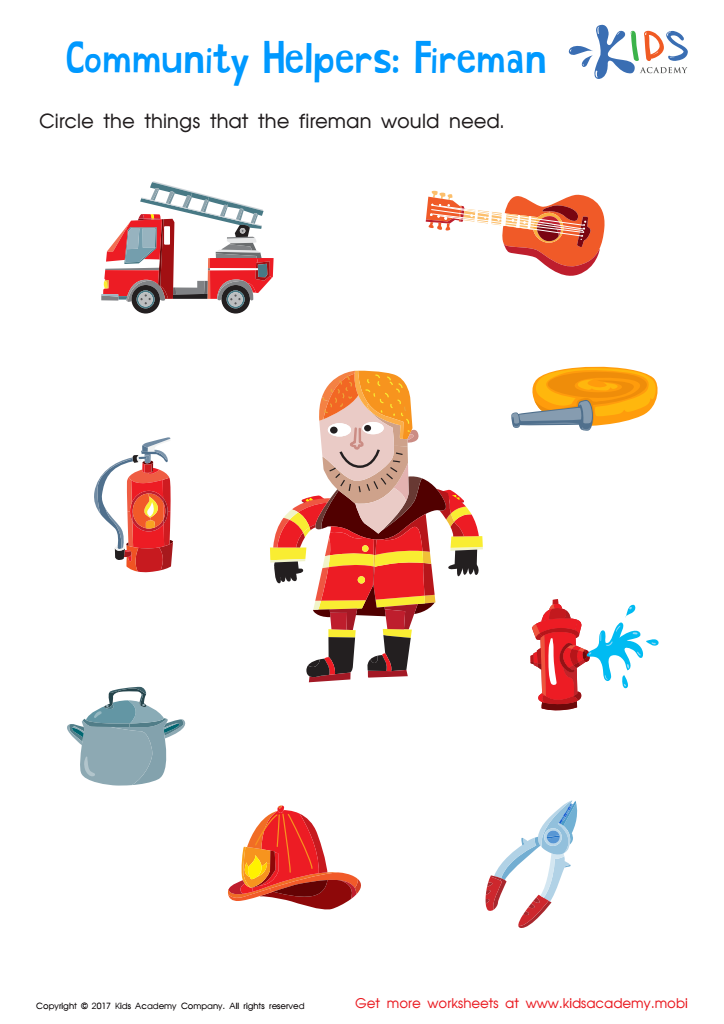
Fireman Worksheet
Kids love firemen and their big fire engines! Inspire your child to learn about their duties with this fun fireman worksheet. It'll help your child understand the role of firemen, as well as develop matching and problem solving skills. Get your kid started on understanding a key role in society and have fun too!
Fireman Worksheet
Worksheet
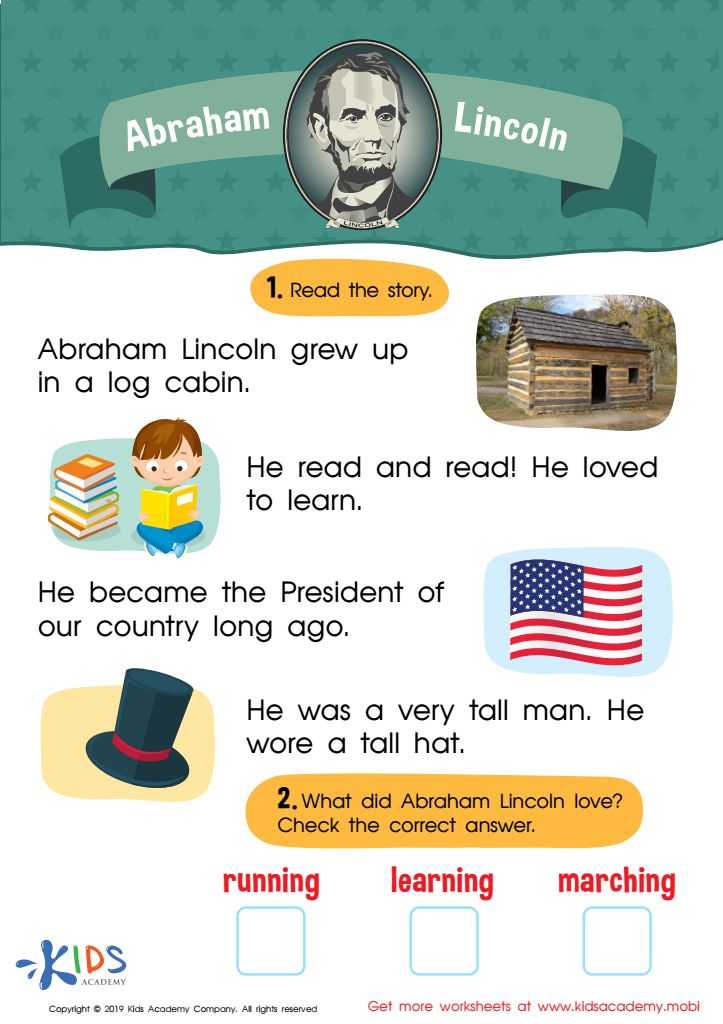
Abraham Lincoln Worksheet
Let your kids listen to interesting stories while having fun! Read the short story in this worksheet, point to the picture representing each sentence, then ask the questions and check the answers. Doing this will help your children learn new things and build their vocabulary.
Abraham Lincoln Worksheet
Worksheet
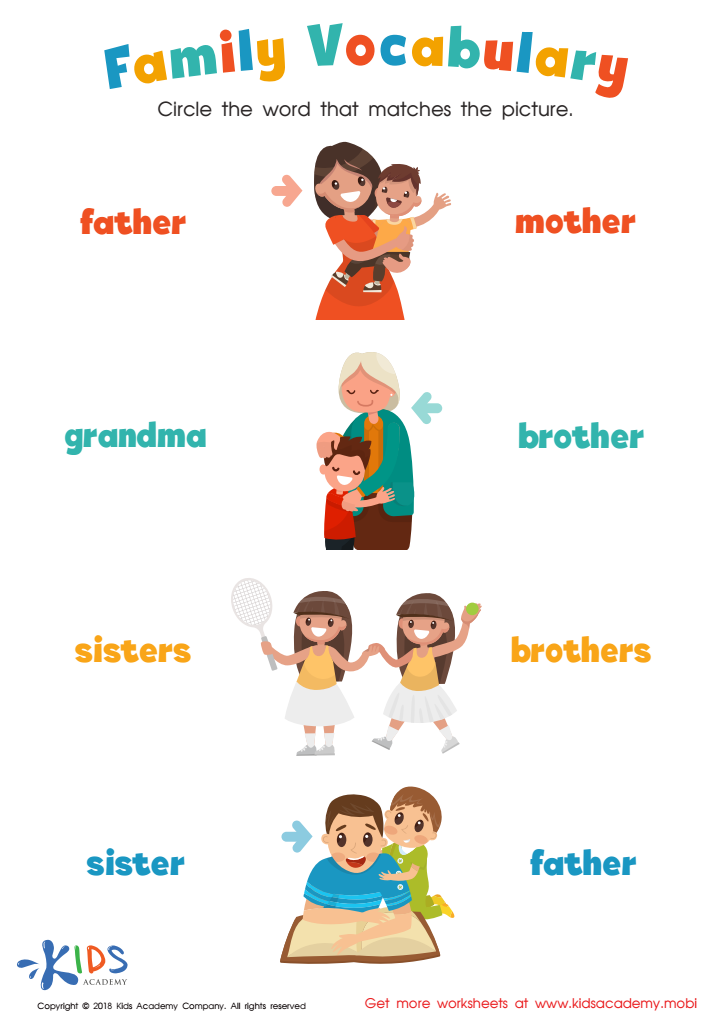
Family Vocabulary Worksheet
Students learn about families in social studies. This worksheet helps them identify family members by looking at a picture and circling the corresponding word. To extend their learning, ask them to talk about their own family members.
Family Vocabulary Worksheet
Worksheet
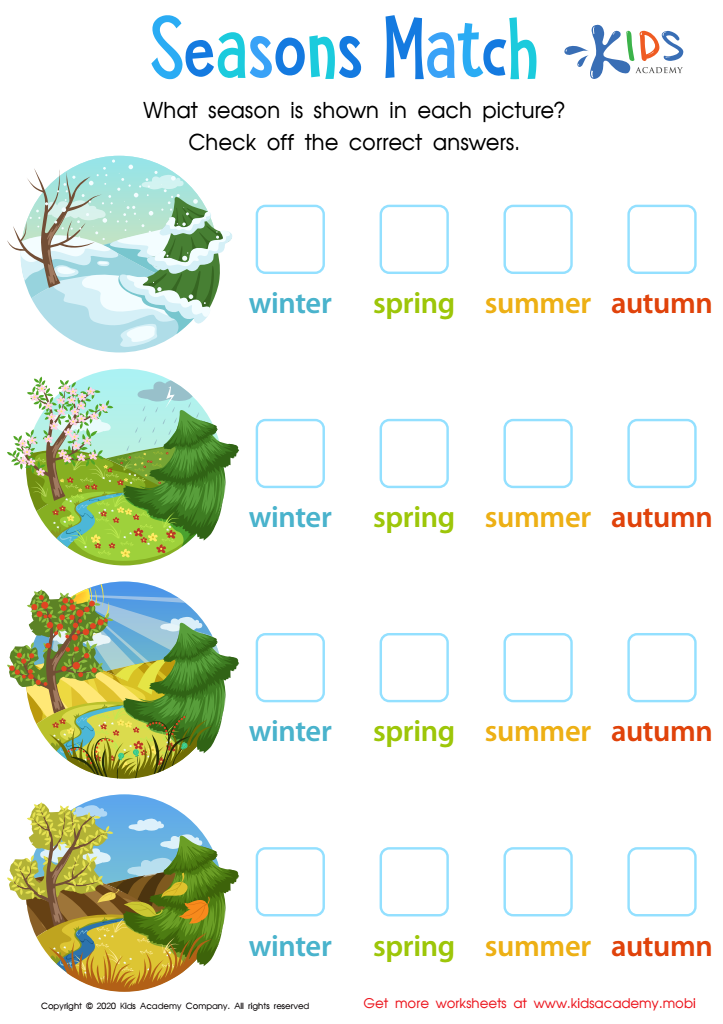
Seasons Match Worksheet
Preschoolers should begin learning about seasons and weather early. Most can tell what season it is by upcoming holidays or school activities. Test their knowledge with a printable PDF worksheet. It asks them to match each image with its corresponding season!
Seasons Match Worksheet
Worksheet
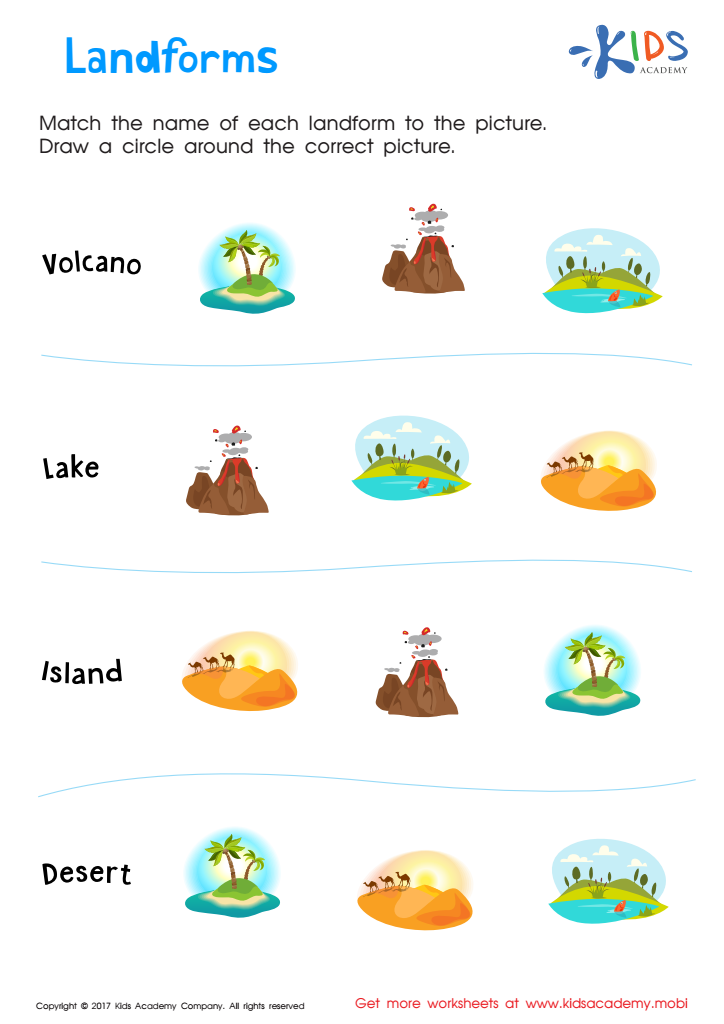
Landforms Printable
Guide them with this worksheet and unlock the door to exploration. Introduce your child to different landforms with this printable worksheet to help them understand different terrain. It encourages critical thinking and knowledge application so they can form an appreciation for the world. Open the door to exploration today!
Landforms Printable
Worksheet
Join Kids Academy for Free
Who is primarily going to use this learning content?








Vocabulary expansion in social studies for 6-year-olds plays a crucial role in their overall development. First, it enhances language skills, allowing children to express their thoughts more clearly and accurately. A robust vocabulary supports better reading comprehension, which is essential for all academic subjects, including social studies. By understanding broader terms related to geography, history, and culture, children can engage more thoroughly with the content.
Additionally, early exposure to social studies vocabulary helps children grasp basic concepts about the world around them. Words like “community,” “citizen,” and “tradition” foster an understanding of societal structures and their role within those structures. This foundation can instill a sense of belonging and community awareness, promoting responsible and informed citizenship from a young age.
Moreover, a rich vocabulary enables critical thinking and better problem-solving skills. When children understand and can use precise terms, they are more capable of making connections between concepts, analyzing situations, and discussing ideas. This kind of cognitive development is essential for future academic success and personal growth.
Finally, early vocabulary expansion can boost confidence. When children can effectively communicate their ideas and understand lessons, they are more likely to participate in discussions, ask questions, and take an active role in their learning. This sets a positive precedent for lifelong learning and curiosity.