Fine Motor Skills Normal Alphabet Worksheets for Ages 7-8 - Page 2
30 filtered results
-
From - To
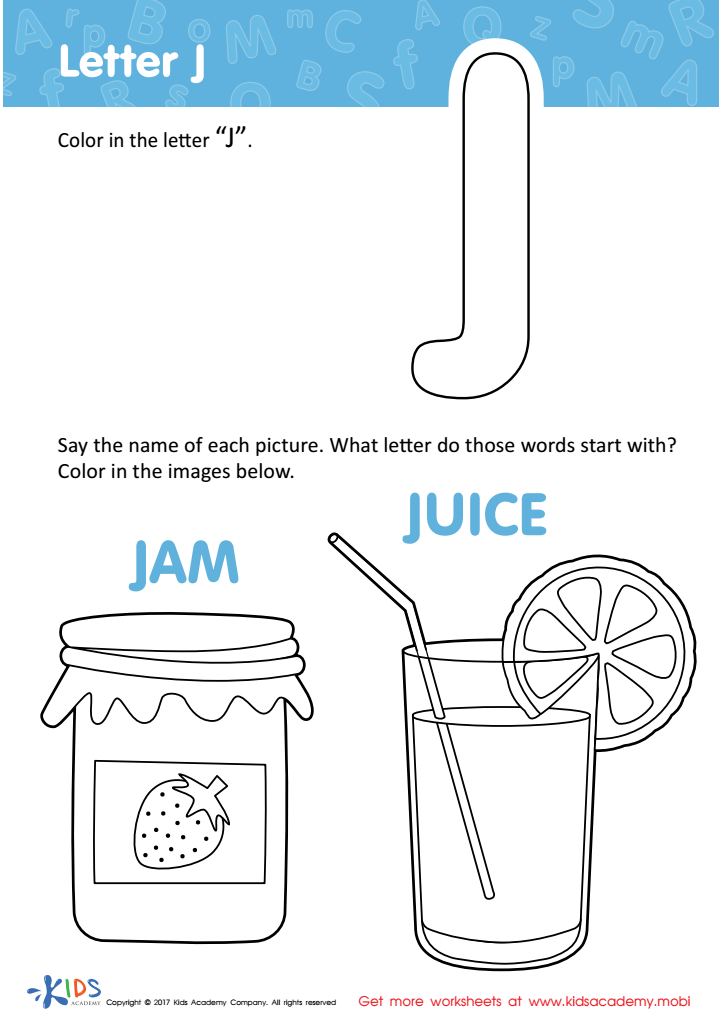
Letter J Coloring Sheet
 Assign to My Students

Letter F Tracing Page
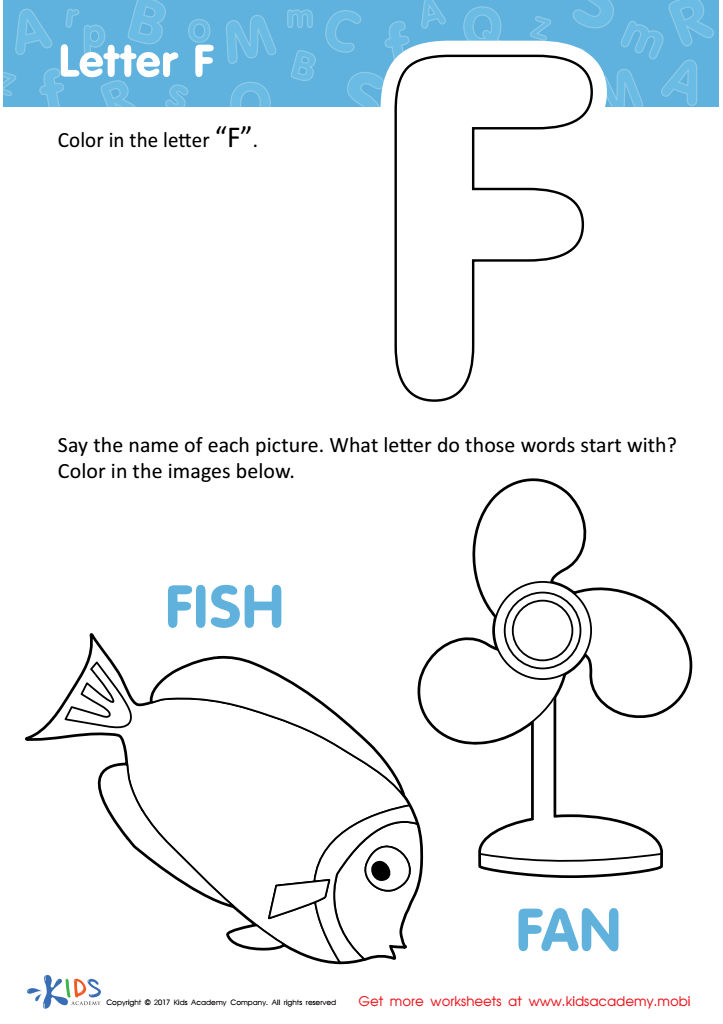
Letter F Coloring Sheet
Assign to My Students
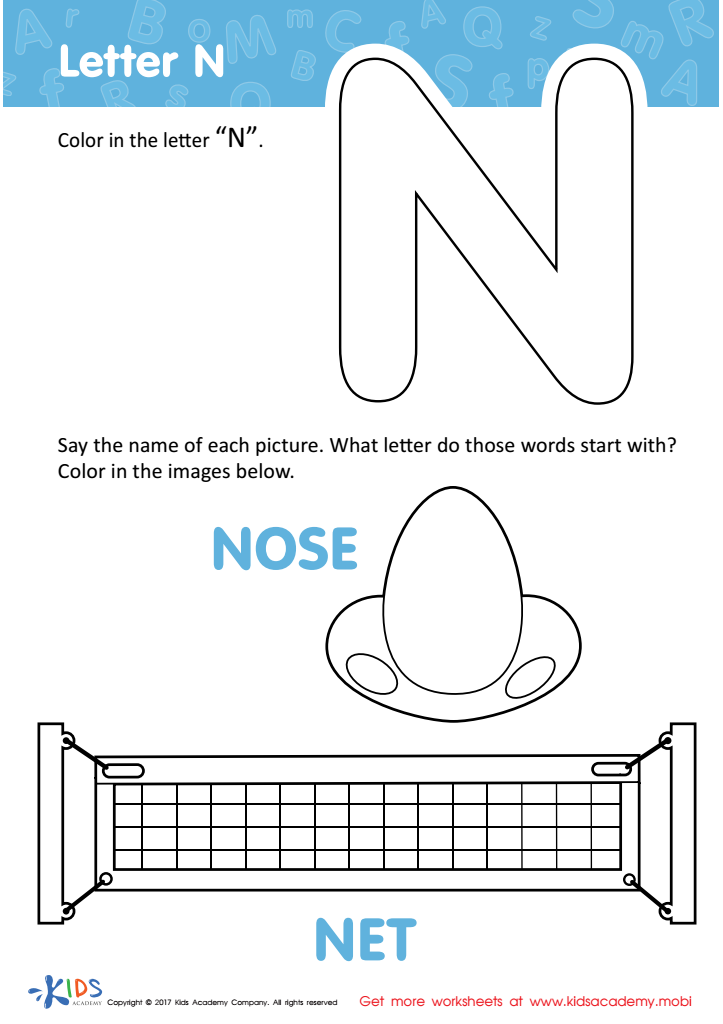
Letter N Coloring Sheet
Assign to My Students
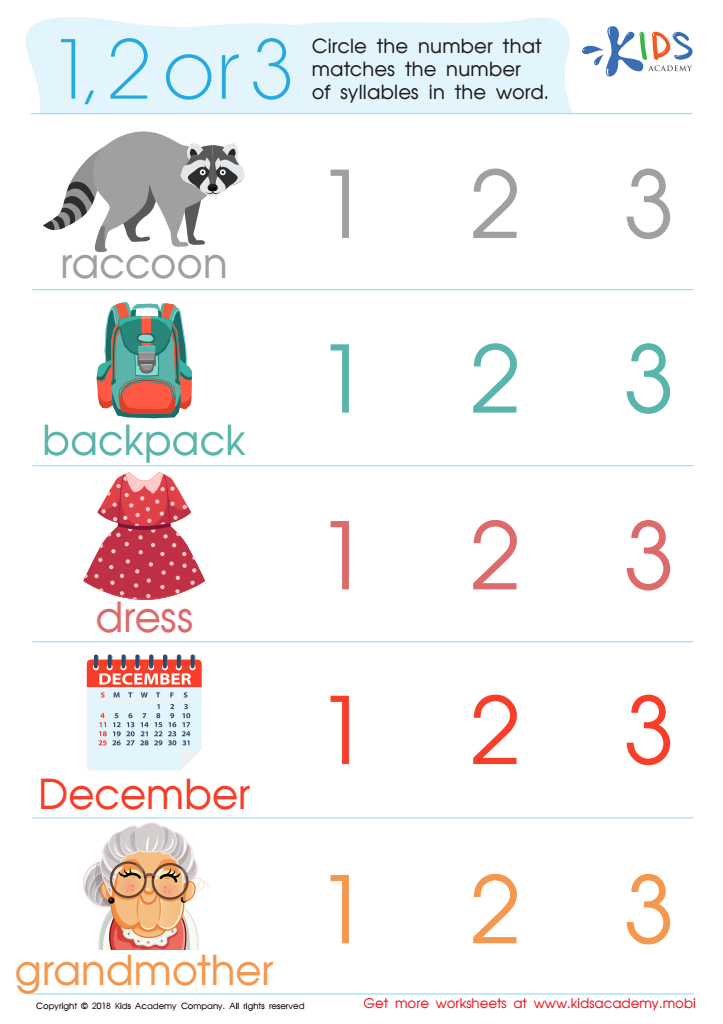
1, 2 or 3? Worksheet

Letter D Tracing Page







Fine motor skills are vital for children aged 7-8 as they are closely linked to academic success, particularly in their ability to write legibly and expressively. At this age, children are transitioning from learning to write to writing to learn, significantly impacting their performance across subjects. Proficient fine motor skills enable them to handle writing instruments effectively, control their movements for improved handwriting, and complete tasks requiring precision, such as drawing or crafting.
Parents and teachers should care about fine motor skills because they also foster independence and confidence in children. When young learners can write clearly and efficiently, they are more likely to participate actively in class activities, complete assignments with ease, and engage in creative expression. Additionally, well-developed fine motor skills facilitate problem-solving and critical thinking, as children often manipulate objects in STEM-related play and projects.
Finally, investing time in enhancing these skills through fun activities—like arts and crafts—can promote overall cognitive development, coordination, and social interaction. Supporting fine motor development empowers children, laying a strong foundation for future learning and life skills. Thus, parents and teachers play a crucial role in nurturing and observing these essential abilities during this critical growth phase.







