Motor skills development Normal Alphabet Worksheets for Ages 7-8
3 filtered results
-
From - To
Enhance your child's motor skills with our engaging Normal Alphabet Worksheets designed specifically for ages 7-8! These worksheets provide a fun way for young learners to practice letter recognition and handwriting while improving fine motor skills. Each sheet features clear, age-appropriate activities that encourage children to trace, write, and interact with the alphabet. As they work through these exercises, kids will gain confidence in their writing abilities, which are crucial for their academic journey. Perfect for home or classroom use, our worksheets make learning enjoyable and effective. Start your little one on the path to success today!
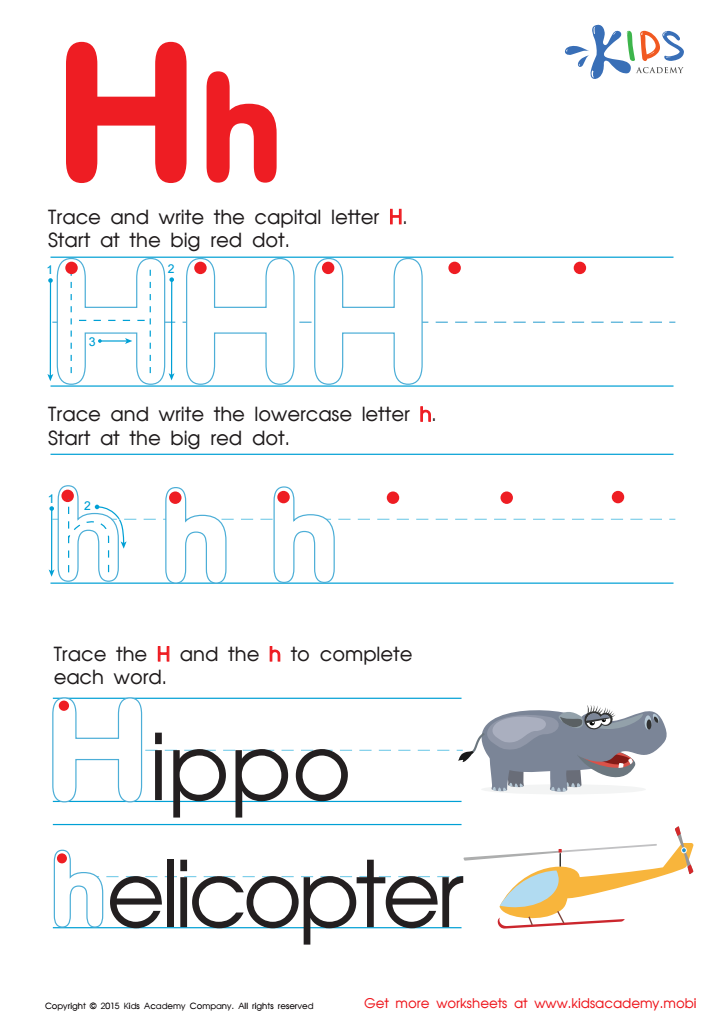
Letter H Tracing Page
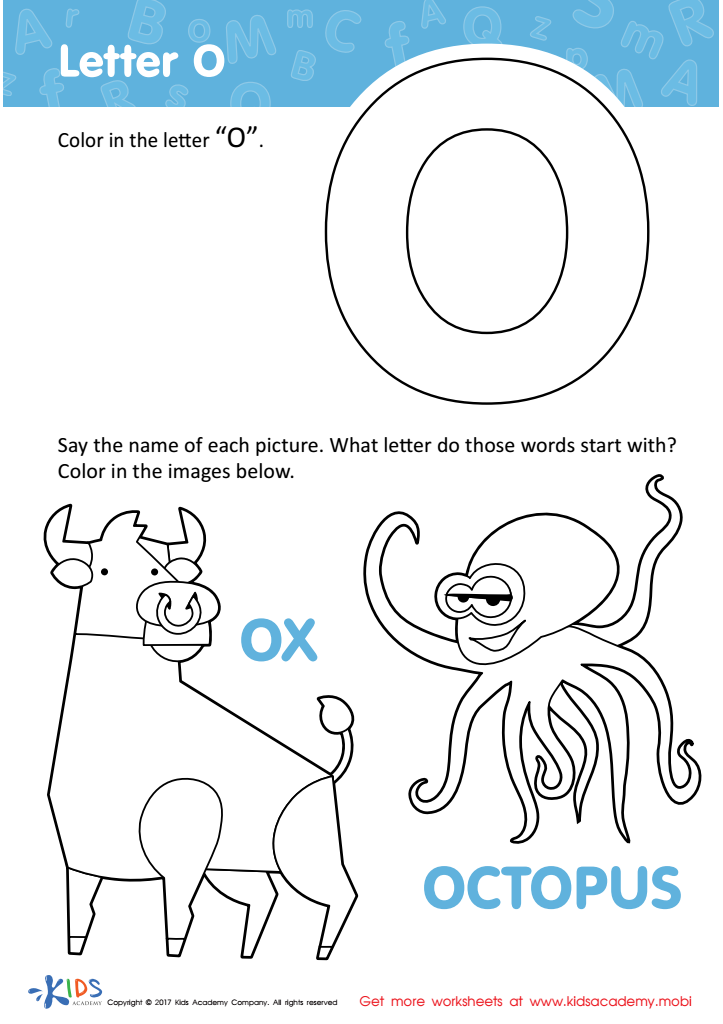
Letter O Coloring Sheet
 Assign to My Students
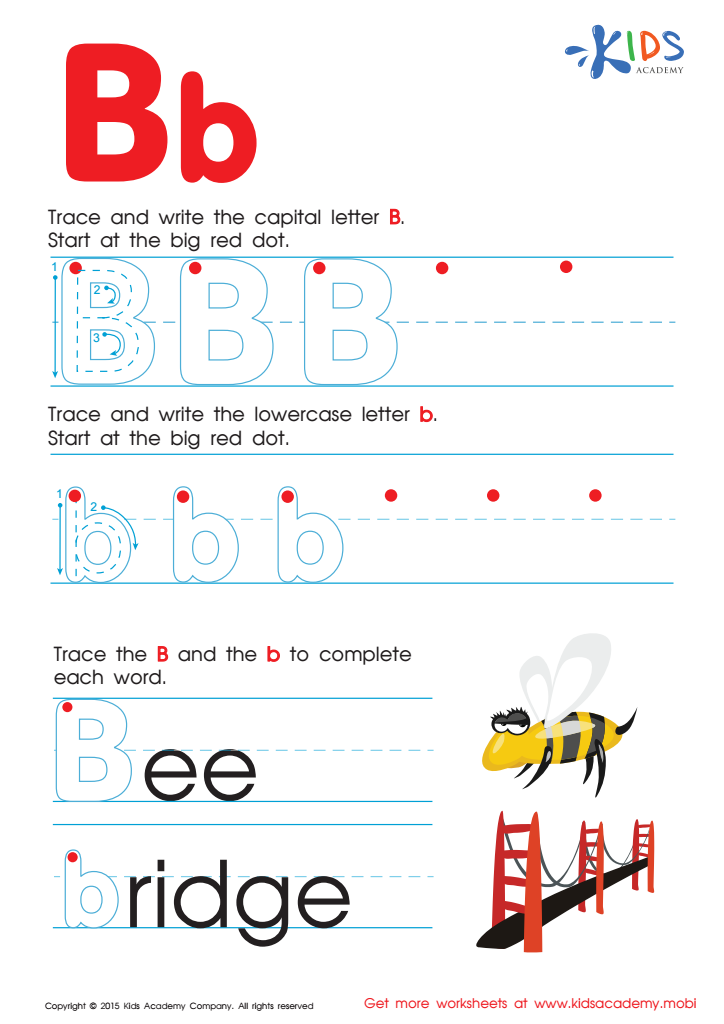
Letter B Tracing Page








Motor skills development is crucial for children aged 7-8 as it directly impacts their overall growth and learning abilities. During this stage, children refine both fine and gross motor skills, which are essential for everyday activities and academic performance. Fine motor skills involve the use of small muscles for tasks like writing, cutting, and drawing. Mastering these skills is vital for developing handwriting, completing school assignments, and engaging in creative activities.
Gross motor skills, on the other hand, help children perform larger movements, such as running, jumping, and playing sports. These activities not only enhance physical fitness but also foster teamwork, social interaction, and confidence.
Parents and teachers should care about motor skills development because strong motor skills can lead to improved concentration and cognition. Children with well-developed motor skills tend to be more engaged and participate actively in classroom and playground activities. Additionally, learning difficulties can sometimes stem from challenges in motor skills, potentially affecting a child's self-esteem. By supporting the development of these crucial skills, adults can help children become more competent, confident, and prepared for future challenges—both academically and socially. Investing in motor skills today promotes positive outcomes for tomorrow's success.







