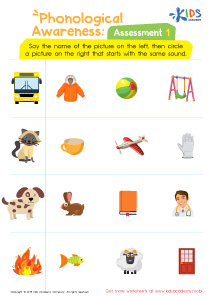
Hand-eye Coordination Normal Vowels Worksheets for Ages 7-8
4 filtered results
-
From - To
Enhance your child’s learning and motor skills with our Hand-eye Coordination Normal Vowels Worksheets for ages 7-8. These engaging worksheets are designed specifically to help young learners recognize and work with vowels while developing essential hand-eye coordination. Through interactive activities such as tracing, matching, and writing, children will improve their alphabet knowledge and fine motor skills simultaneously. Ideal for home or classroom use, these printable worksheets support a well-rounded educational experience, making learning vowels both fun and effective. Empower your child's educational journey with our expertly crafted materials today.
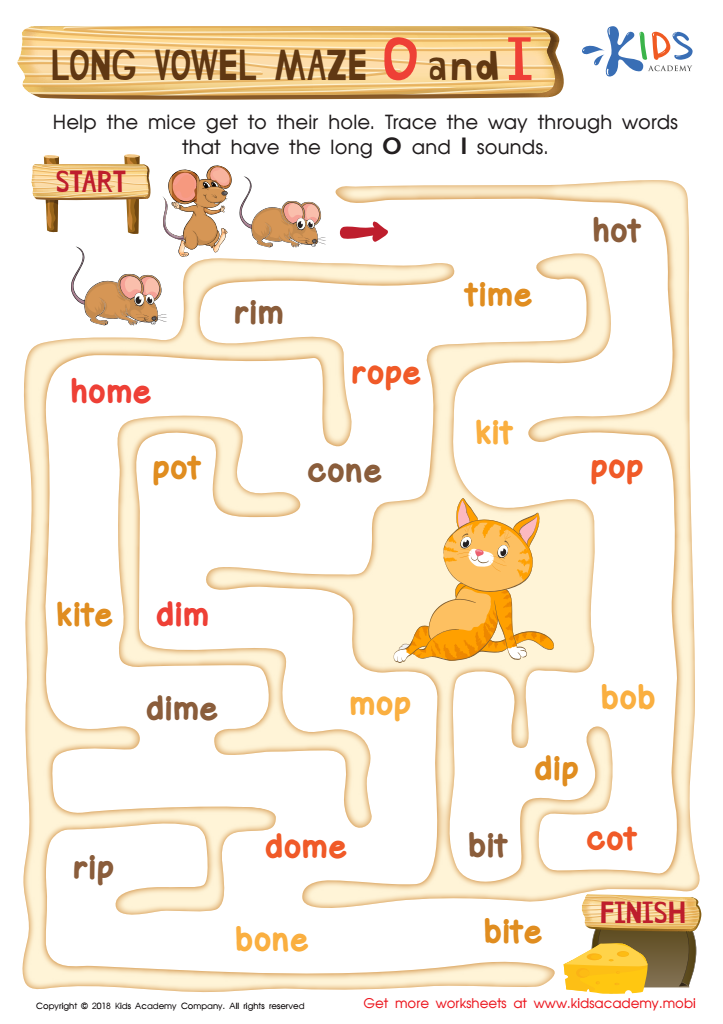
Long Vowel Maze /o/ and /i/ Worksheet
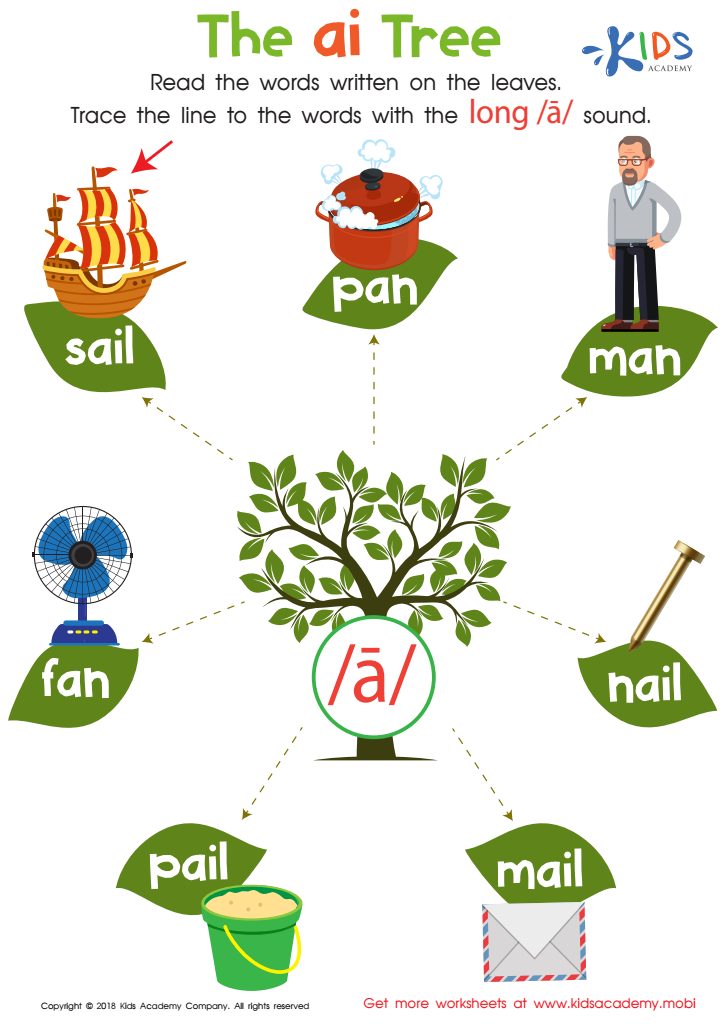
The AI Tree Worksheet
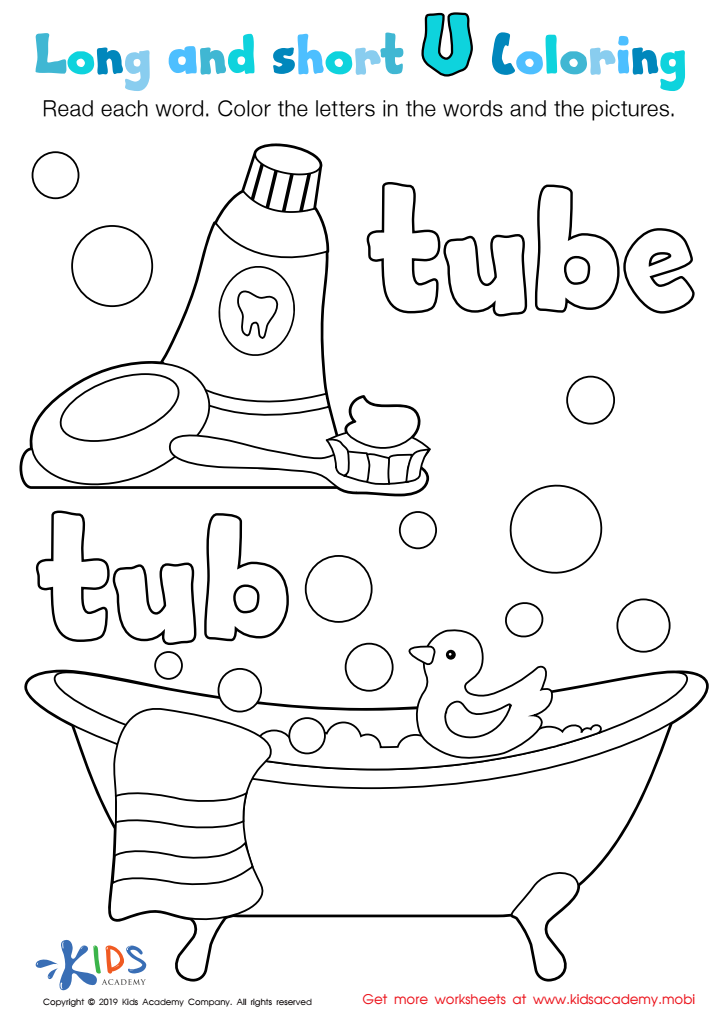
Long and Short U Worksheet
 Assign to My Students
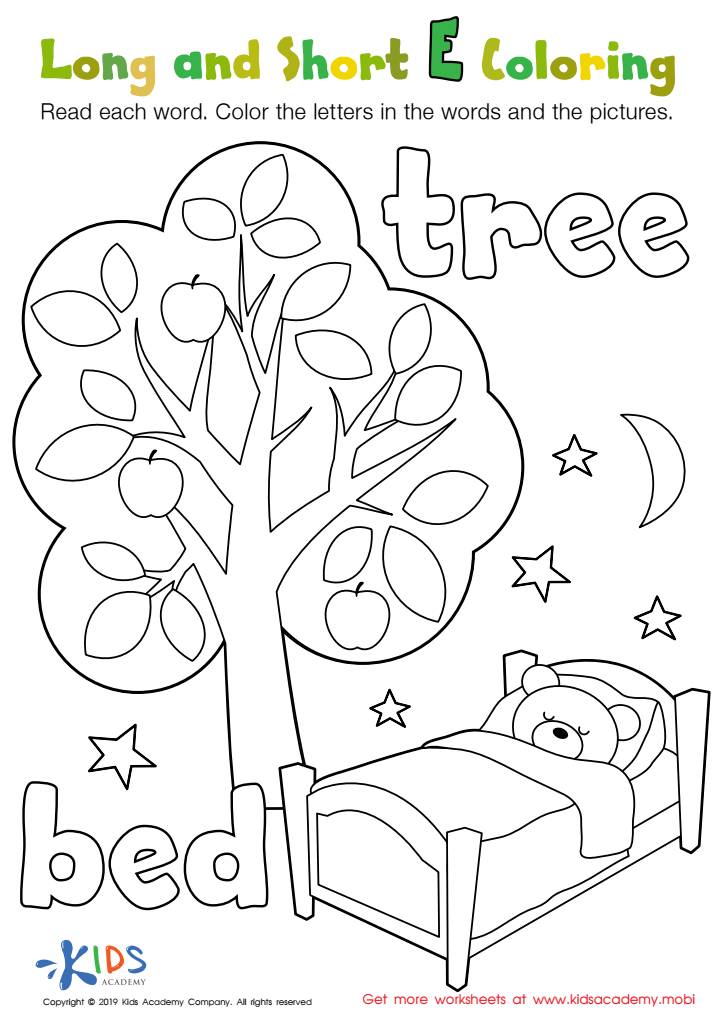
Long and Short E Worksheet
Assign to My Students





Hand-eye coordination and the understanding of normal vowels are crucial skills for children aged 7-8, offering significant benefits in their development. Hand-eye coordination, the ability to synchronize visual input with hand movements, is fundamental for physical tasks such as writing, drawing, and playing sports. Proficiency in this area enhances fine motor skills, which are essential for daily activities like buttoning clothes, using utensils, and later, typing on a keyboard. Furthermore, improving hand-eye coordination fosters better cognitive abilities, enabling children to process information more efficiently.
Understanding vowels plays a crucial role in language development and literacy. For children aged 7-8, the fundamental grasp of vowels — including the ability to differentiate between their sounds and uses — is essential for reading fluency and accurate spelling. This foundation aids in decoding unfamiliar words, enhancing comprehension, and fostering a love of reading. Mastering vowels also contributes to better verbal communication, as it helps children pronounce words correctly and utilize proper intonation and rhythm in speech.
In essence, focusing on hand-eye coordination and normal vowels equips children with both the physical capability to handle intricate tasks and the language skills necessary for academic success and everyday communication, establishing a robust basis for continued learning and development.