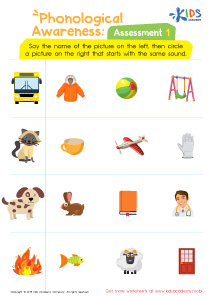
Reading comprehension Normal Vowels Worksheets for Ages 7-8 - Page 2
26 filtered results
-
From - To
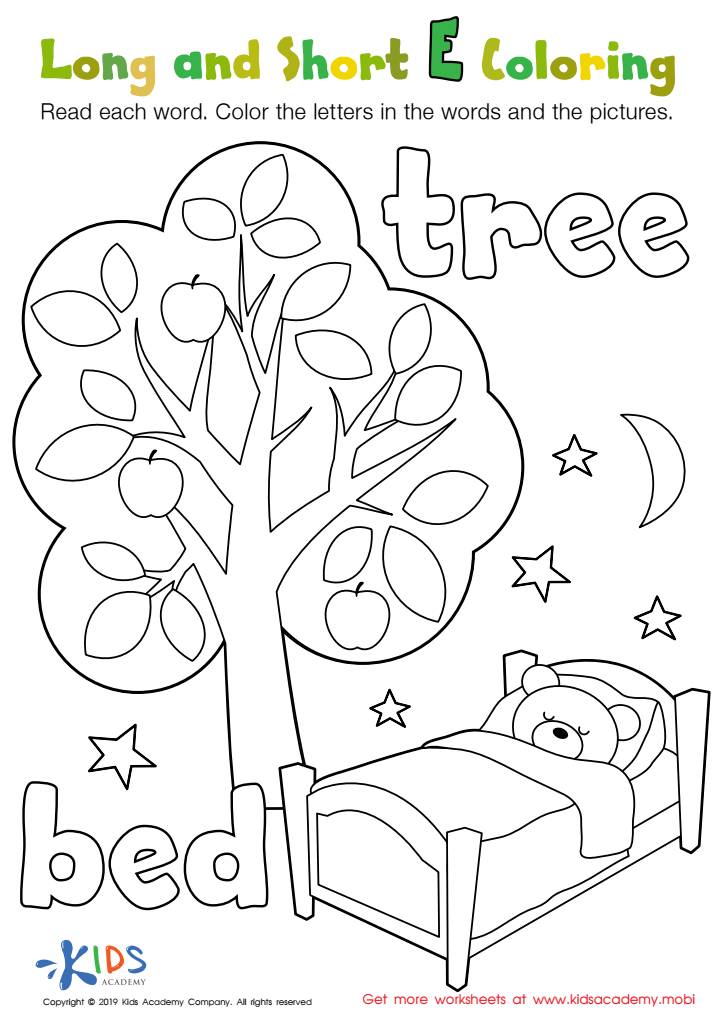
Long and Short E Worksheet
 Assign to My Students
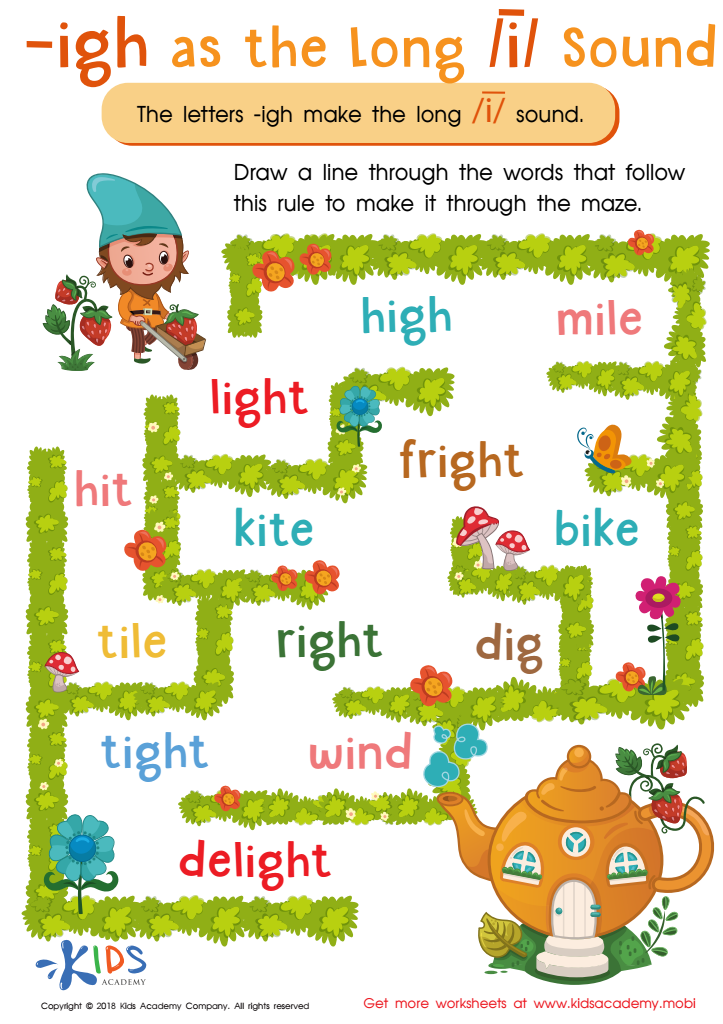
Reading: IGH as Long I Worksheet





Reading comprehension is a critical skill for children ages 7-8, laying the foundation for their academic success and overall cognitive development. Understanding normal vowels is essential during this stage, as it helps children grasp the intricacies of language and how words are formed. Mastery of vowel sounds enhances phonemic awareness, enabling young readers to decode and comprehend new words effectively.
When parents and teachers prioritize reading comprehension focus on normal vowels, they provide students with tools to tackle a variety of texts across different subjects. Improved reading skills can lead to better performance in reading assignments and tests, thereby boosting confidence and motivation.
Moreover, proficient reading comprehension during this age helps children develop critical thinking skills. They learn to infer, analyze, and draw conclusions from the text, fostering a deeper connection to literature and encouraging a lifelong love for reading. For teachers and parents, this also means more engaging discussions about stories and ideas, reinforcing the importance of reading in everyday life.
Ultimately, investing in reading comprehension and vowel understanding not only supports children academically but also nurtures their social, emotional, and cultural horizons as they grasp narratives and messages within the texts.