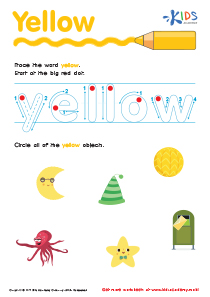
Handwriting Skills Normal English for Beginners Worksheets for Ages 7-8
5 filtered results
-
From - To
Enhance your child's handwriting skills with our engaging Normal English worksheets, designed specifically for beginners aged 7-8. These printable resources provide a fun and interactive way for kids to practice writing, improving their fine motor skills and letter formation. Each worksheet focuses on essential handwriting techniques, helping children build confidence in their writing abilities. Perfect for classroom use or at home, our curriculum-ready worksheets support early learning and literacy development. With a variety of exercises and creative prompts, your child will enjoy mastering their handwriting while reinforcing their understanding of the English language. Visit us to download today!
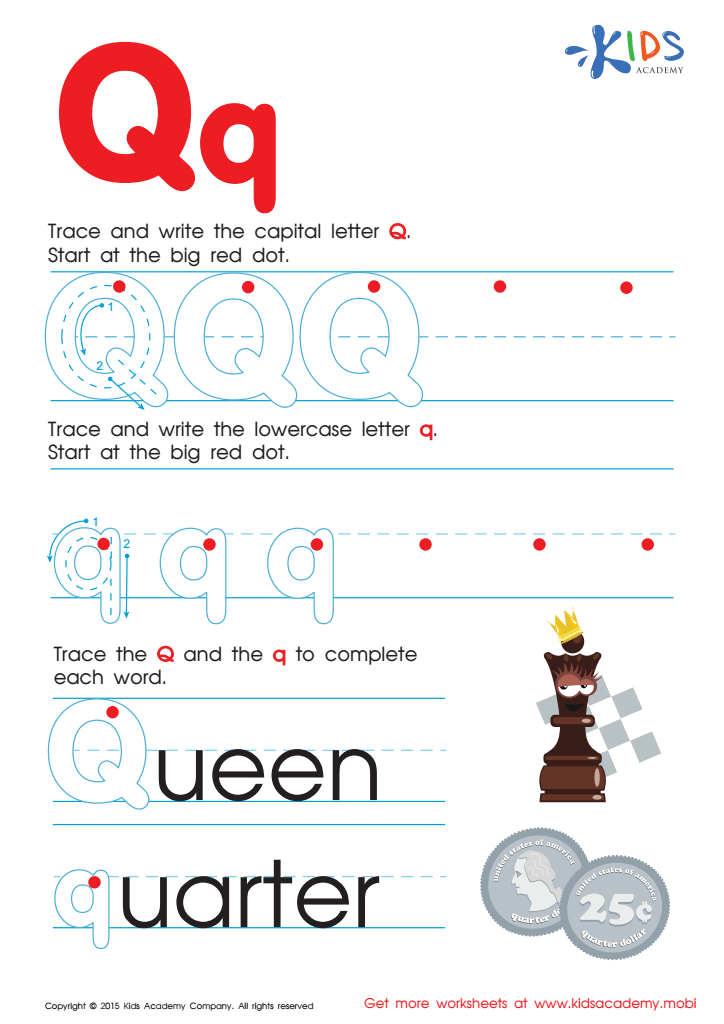
Letter Q Tracing Page
 Assign to My Students
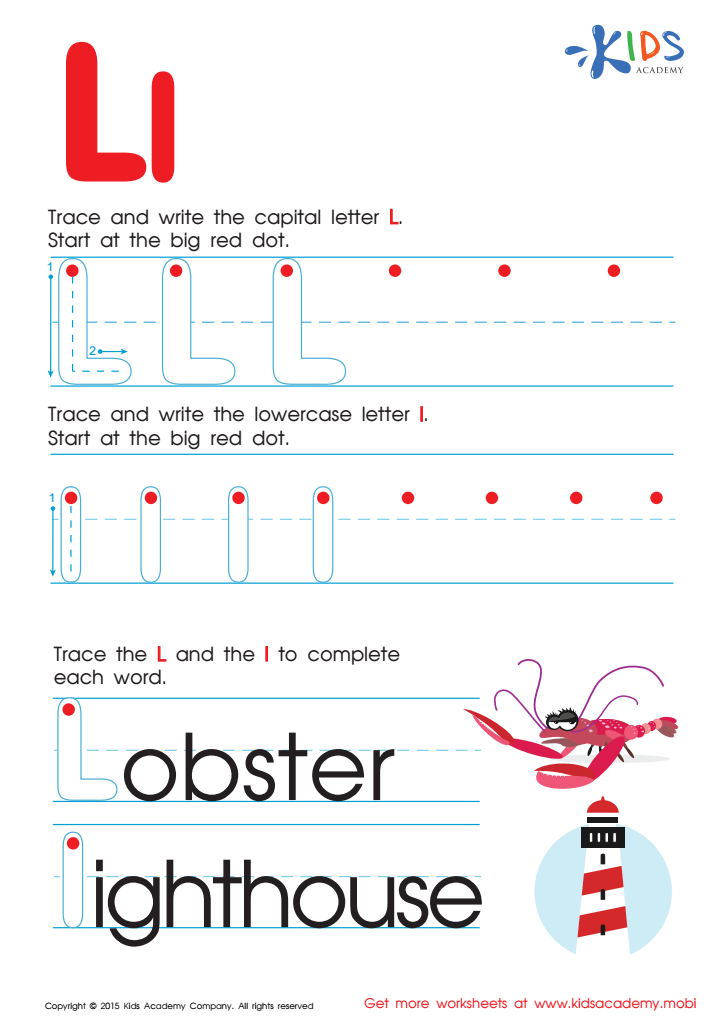
Letter L Tracing Page
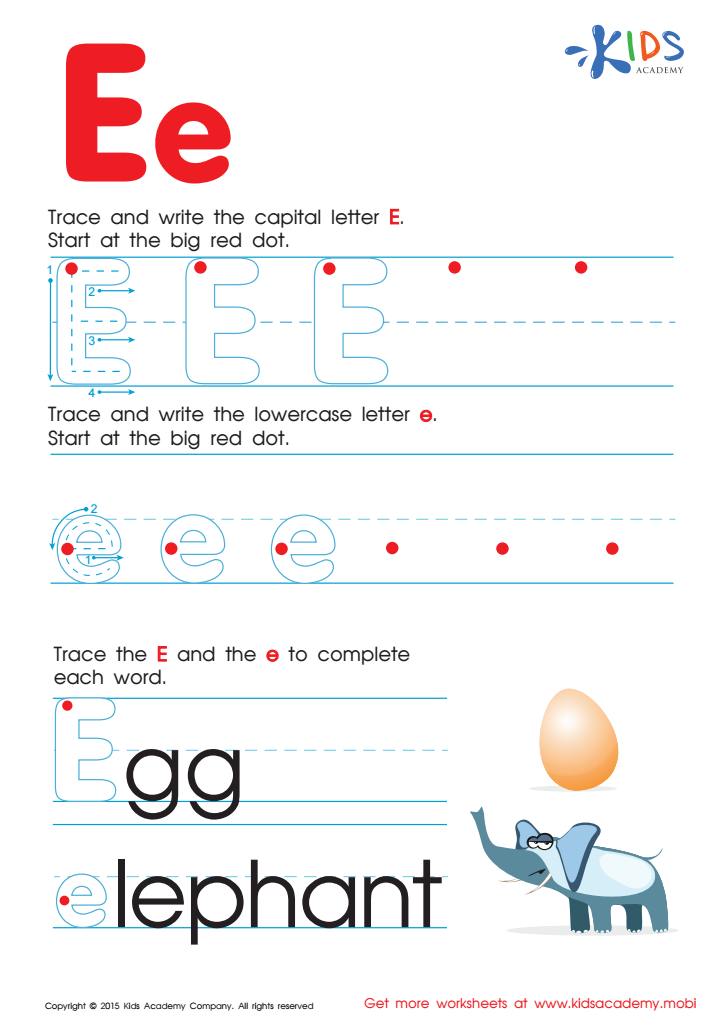
Letter E Tracing Page
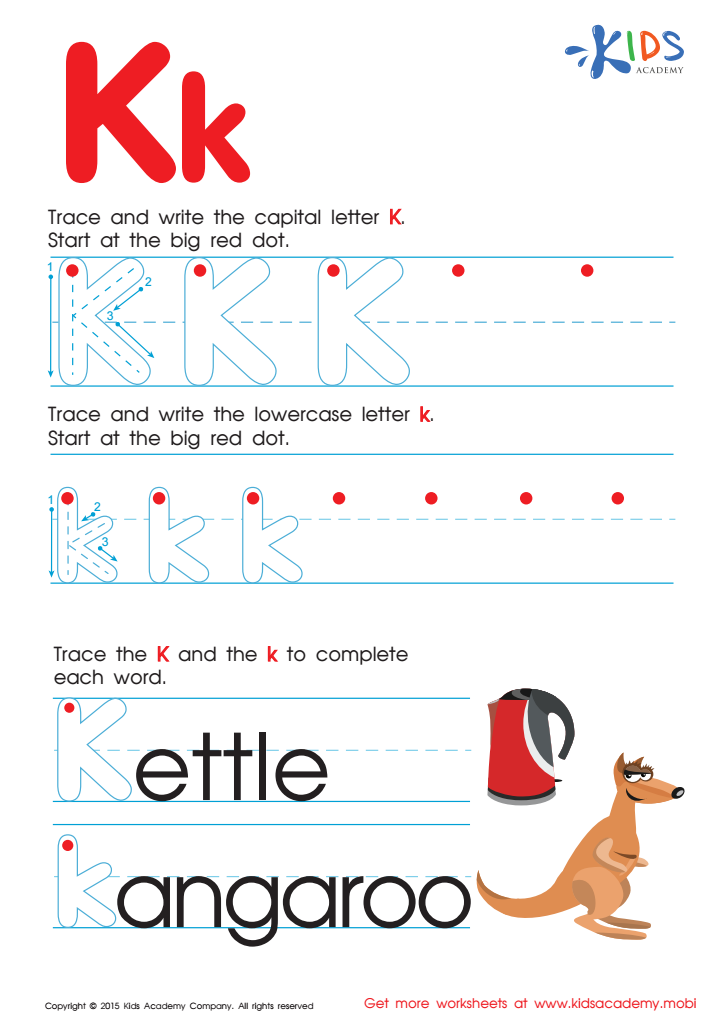
Letter K Tracing Page
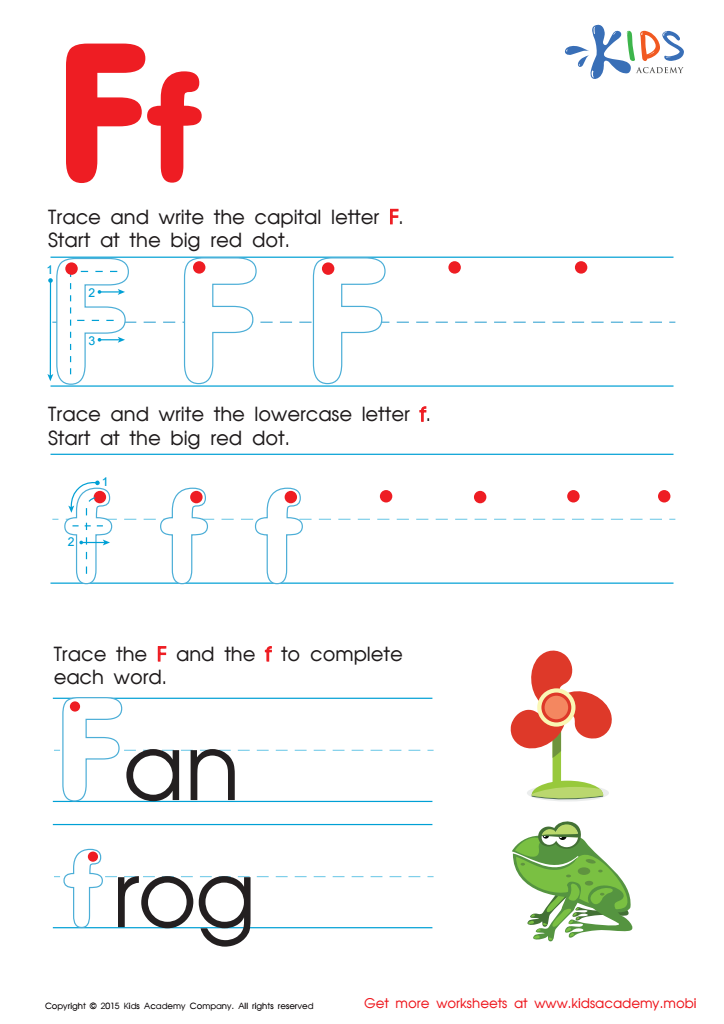
Letter F Tracing Page





Handwriting skills are essential for children aged 7-8, as this is a critical developmental stage where fine motor skills and academic abilities are rapidly evolving. First, handwriting lays the groundwork for effective communication. Children learn to express ideas clearly and coherently on paper, which is an essential skill for academic success. Additionally, good handwriting can boost their confidence, leading to a more positive attitude toward learning.
Parents and teachers should also recognize the cognitive benefits associated with handwriting practice. Research shows that writing by hand improves memory retention and understanding of concepts, as it engages different brain areas compared to typing. Fine motor skills developed through handwriting also enhance hand-eye coordination, crucial for various daily tasks.
Furthermore, as children grow, printed work often reflects their self-discipline and effort, impacting how teachers perceive their overall engagement and commitment. Addressing handwriting at this age not only provides practical skills for future education but also encourages strong organizational habits and attention to detail, valuable traits in any career path.
In summary, investing in handwriting skills for 7-8-year-olds fosters effective communication, builds confidence, enhances cognitive development, and contributes to a broader skill set that benefits children throughout their academic journey and beyond.