Addition Practice Normal Worksheets for Ages 7-8 - Page 2
29 filtered results
-
From - To
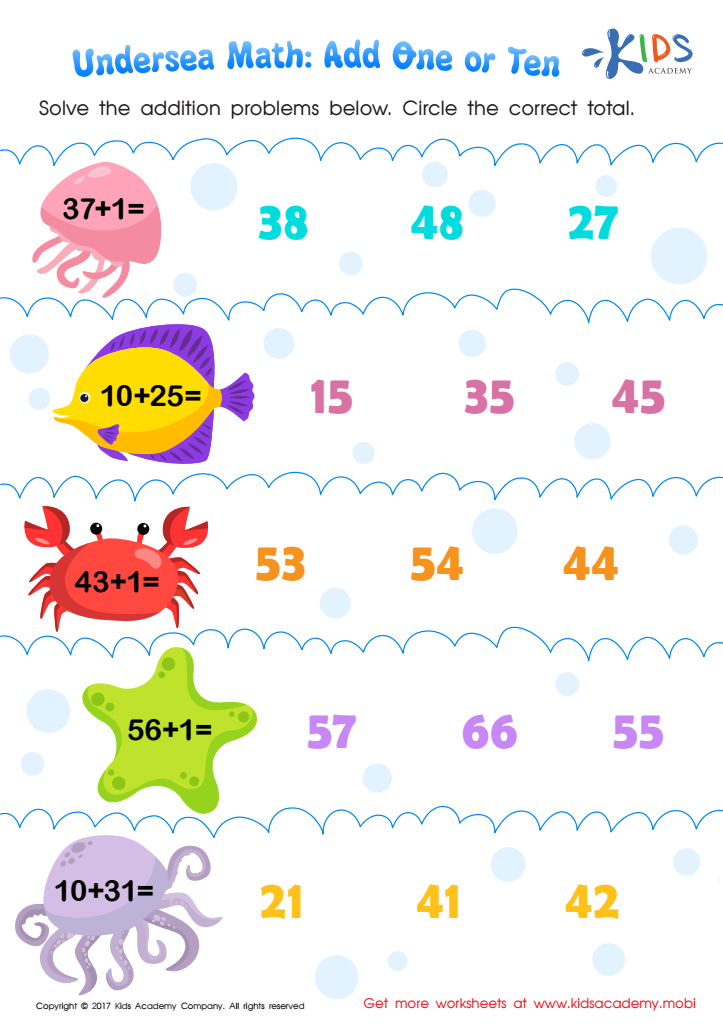
Undersea Math Worksheet
 Assign to My Students
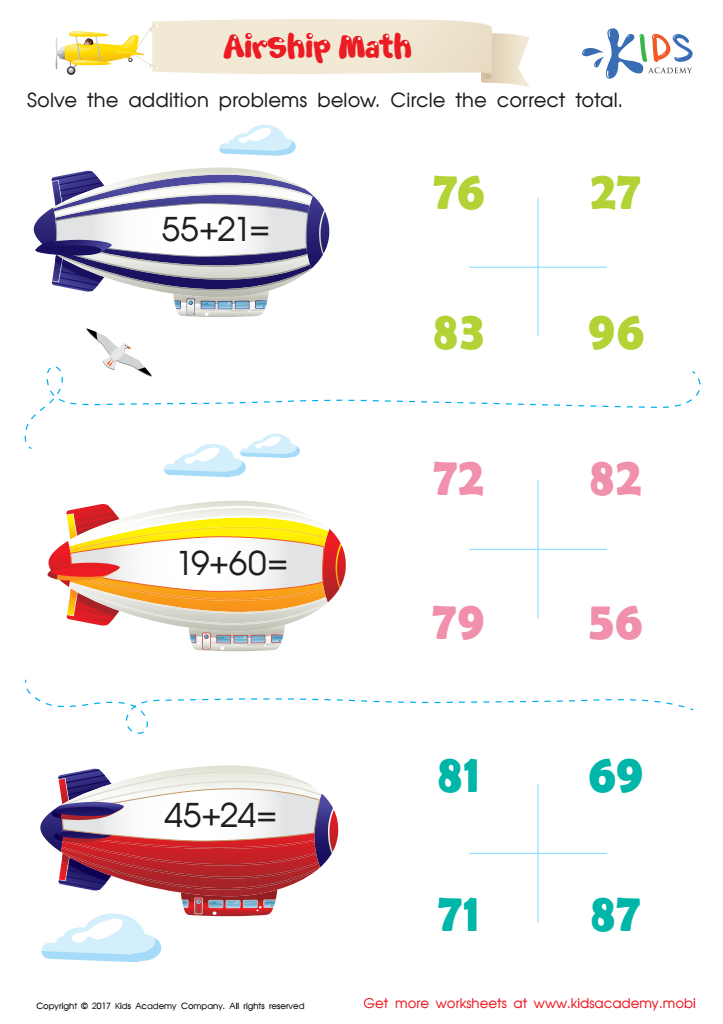
Airship Math Addition Printable
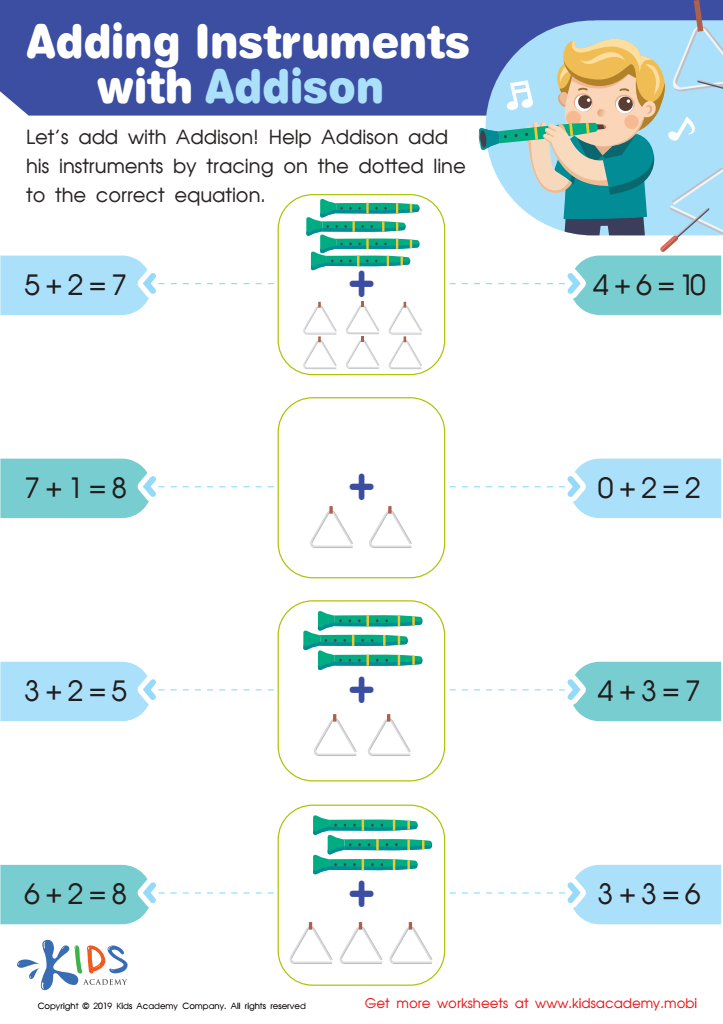
Adding Instruments with Addison Worksheet
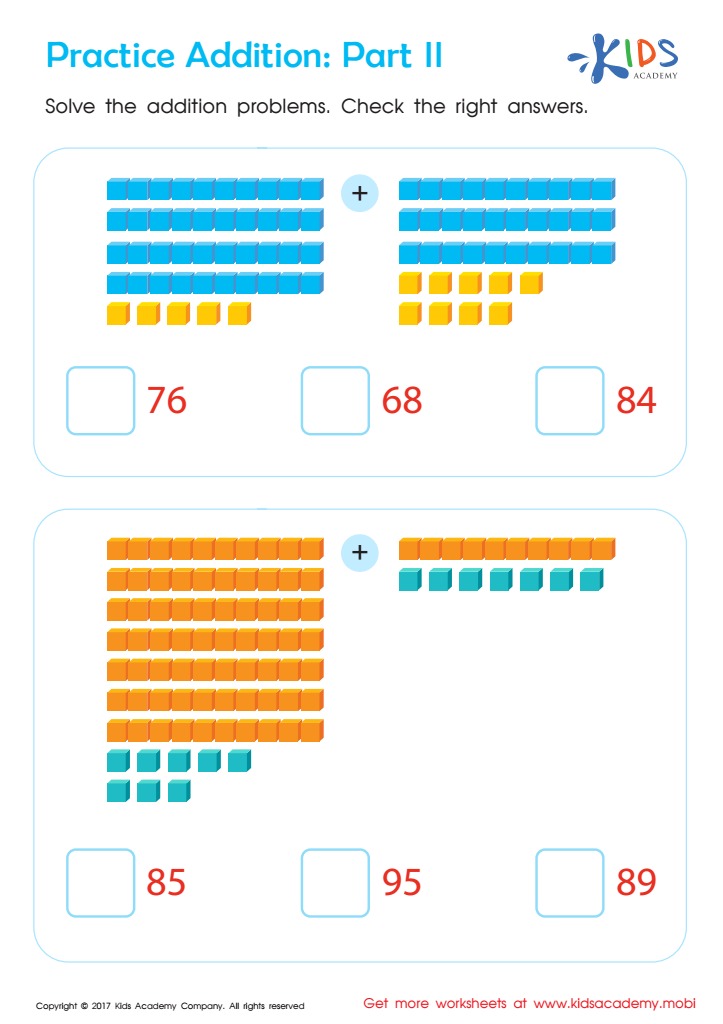
Practice Addition: Part 2 Worksheet
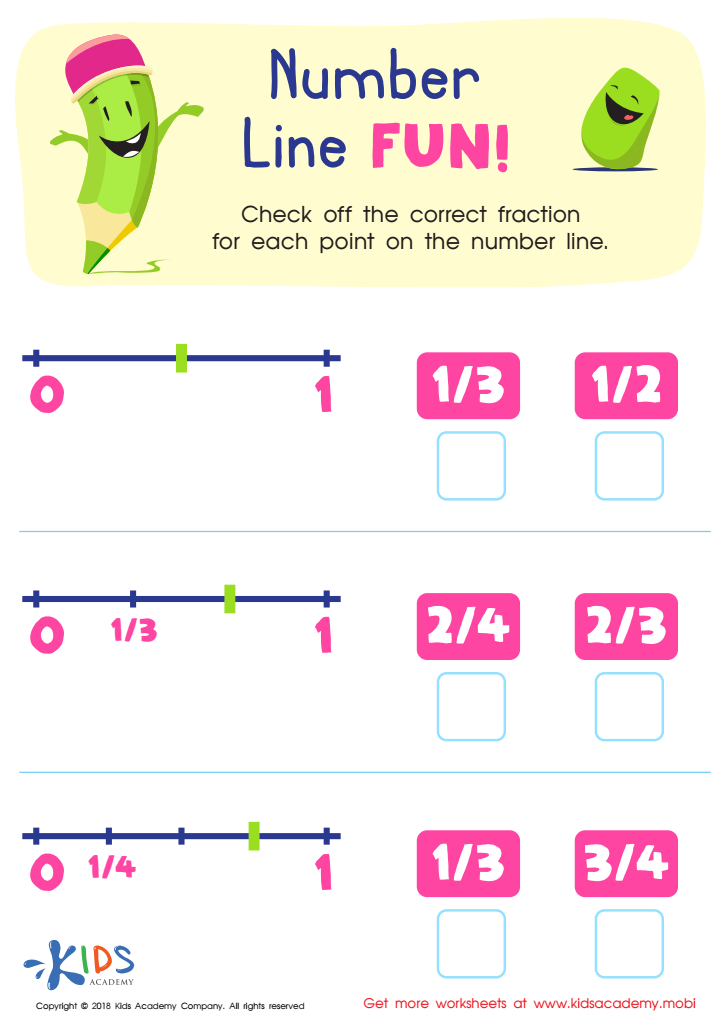
Number Line Fun Worksheet








Parents and teachers should care about addition practice for children aged 7-8 because it lays the foundational skills necessary for future mathematical understanding and problem-solving. At this critical stage, children transition from relying on concrete counting methods to grasping more abstract numerical concepts. Regular addition practice helps solidify basic arithmetic skills, fostering numerical fluency and confidence, both crucial for handling more complex operations like subtraction, multiplication, and division later on.
Numerical fluency is the ability to understand numbers and their relationships without needing visual aids, which is essential for efficient problem-solving. Practicing addition at this age supports the development of mental math skills, enabling children to quickly and accurately perform calculations in their heads. This not only helps with mathematics but also enhances their ability across various subjects and everyday life tasks.
Moreover, as children repeatedly engage in addition exercises, they begin to recognize patterns and establish connections within numbers, promoting logical thinking and cognitive development. Encouraging a positive, stress-free environment for these practices can also build a child’s enthusiasm for learning math, reduce anxiety related to the subject, and foster a growth mindset where they become more comfortable with tackling challenges and learning from mistakes. In essence, integrating addition practice into the daily routines of 7-8 year-olds sets the stage for their long-term academic and personal success.








